Table of Contents >> Show >> Hide
Modern music has a reputation for being “difficult,” like it’s going to pop-quiz you on advanced math the moment you press play.
In reality, modern composers are doing what great composers have always done: stealing from the world (politely), turning it into sound,
and making your brain feel things you didn’t schedule.
This ranked list covers the wide, wonderful mess we call “modern composition”: concert-hall titans, opera fire-starters, minimalist
hypnotists, and screen composers whose melodies basically live in your memory rent-free. Some names are famous. Others should be famous.
All of them changed the sound of the last ~75 years.
What “Modern Composer” Means Here (And How We Ranked)
For this article, “modern” means roughly mid-20th century to today (with a strong focus on composers whose work still shapes how music is
written, performed, and listened to right now). “Best” is subjective, so we used a consistent set of criteria instead of vibes alone
(even though vibes are very important).
Ranking criteria
- Impact: Did this composer reshape a genre, technique, or audience expectation?
- Signature voice: Can you recognize the sound without seeing the name?
- Endurance: Are the works performed, recorded, studied, and quoted again and again?
- Range: Did they expand what “composition” can include (electronics, voice, sampling, game engines, you name it)?
- Cultural reach: Did the music leak out of the concert hall and into the wider world?
The 50+ Best Modern Composers, Ranked
Rankings are meant to spark listening, not arguments. If your favorite is lower than you hoped, consider this permission to be smug about
your “underrated pick” and send it to friends like a musical I-told-you-so.
1–10: The Household-Name Titans
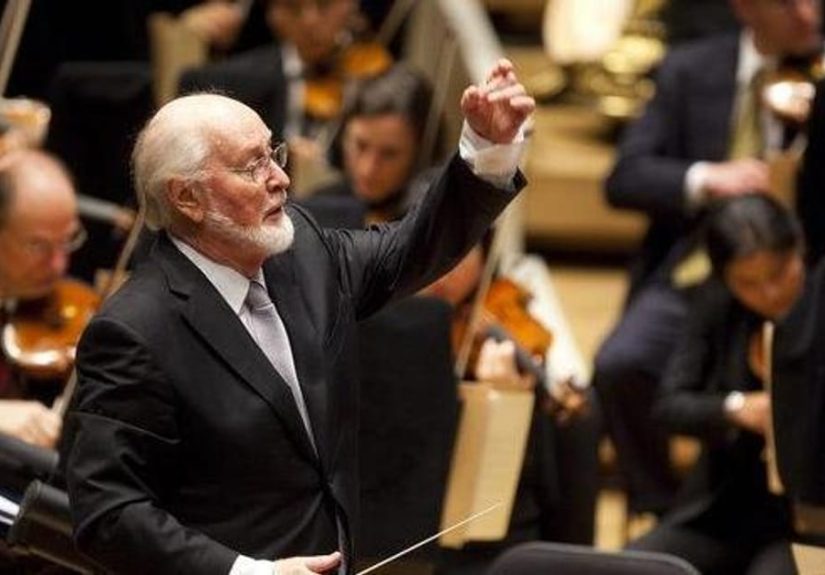
- John Williams The king of symphonic storytelling. His themes don’t just “fit” movies; they become the movies in your
head. Listen for how he uses old-school orchestration tricks with modern cinematic pacing: big brass heroism, tender strings, and
motives that evolve like characters. - Steve Reich Minimalism’s master engineer. Reich turns repetition into propulsion, like musical gears locking into place.
Works such as Different Trains show how speech rhythms, tape, and strings can become one emotional machinerestless, human,
and impossible to ignore. - Philip Glass The minimalist who became mainstream without sanding off the weird edges. His operas and film scores prove
that repeating patterns can feel epic, intimate, and spiritual all at once. If you think minimalism is “boring,” Glass will change
your mind… gradually… then suddenly. - John Adams The bridge-builder: minimalism with muscle, drama, and a heartbeat that can sprint. His music can be bright,
anxious, cinematic, and strangely tender in the same breath. If modern classical had a “page-turner” section, Adams would be shelved there. - Hans Zimmer The modern blockbuster sound: rhythmic drive, massive textures, and emotion delivered in IMAX. Zimmer’s best
work blends orchestra, electronics, and sound design into a single nervous system. You don’t just hear ityou feel your pulse cooperate. - Arvo Pärt A composer of silence and glow. Pärt’s “holy minimalism” uses simple lines and ringing harmonies to create
music that feels like light through a window. It’s not flashy. It’s devastatingly calm. - Ennio Morricone Proof that a “score” can be a universe. Whistling, electric guitar, choir, weird percussionMorricone
treated sound like a filmmaker treats the camera. His influence stretches from westerns to modern prestige TV and beyond. - Kaija Saariaho Color, texture, and atmosphere with emotional precision. Saariaho’s music can feel like you’re hearing
sound in close-up, the way a camera finds details a crowd would miss. Her operas and orchestral works expanded what “beauty” can mean in modern music. - Caroline Shaw Playful, brilliant, and genre-fluid. Shaw writes music that can whisper, sing, groove, and sparksometimes
in the same minute. She’s a composer who treats voices and instruments like living characters rather than “parts.” - Jennifer Higdon A master of clarity and momentum. Higdon’s orchestral writing balances accessibility with craft, creating
pieces that performers love and audiences remember. Her music proves “contemporary” doesn’t have to mean “cold.”
11–25: Innovators Who Rewired the Concert Hall
- Thomas Adès Virtuosic, strange, and sharply dramatic. Adès can write music that feels like a dream with excellent posture:
elegant, tense, and slightly dangerous. - Sofia Gubaidulina Spiritually intense and deeply individual. Her music often feels like a ritualraw, searching,
and fearless about discomfort. - György Ligeti The sound of modernism in high definition. His textures can swarm, shimmer, and terrify, and his influence
runs through concert music and film alike. - Krzysztof Penderecki A pioneer of sonic extremes. Penderecki’s early avant-garde works redefined string sound; his later
music blended modern techniques with dark, romantic weight. - Terry Riley A minimalist original with a psychedelic grin. Riley helped kick open the doors for repetition, improvisation,
and trance-like structure in Western art music. - Meredith Monk Voice as a whole universe. Monk’s work blurs composition, theater, and ritual, expanding what “singing” can
be (and making normal singing feel like it’s missing a dimension). - Pauline Oliveros Listening as an art form. Oliveros pushed deep attention, electronics, and community-based music-making,
reminding us that sound isn’t just something you consumeit’s something you participate in. - John Corigliano Dramatic, technically sharp, and emotionally direct. Corigliano writes big-arc music: the kind that builds
tension like a story and pays it off like a good ending. - Tan Dun East-meets-West without clichés. Tan Dun blends tradition, theatricality, and inventive timbres (including
unconventional instruments) into music that feels both ancient and modern. - Osvaldo Golijov Rhythm, color, and cultural fusion with real personality. Golijov’s best work feels like a celebration
that suddenly turns profound. - Julia Wolfe High-voltage intensity with a human core. Wolfe’s music often carries a rock-like drive, but it’s never just
loudit’s purposeful, physical, and emotionally specific. - Tania León Precision, sparkle, and rhythmic life. León’s writing can feel like a kinetic sculpture: detailed, bright,
and full of motion. - Tyshawn Sorey A composer who treats time like a living material. Sorey’s work can be spacious and demanding, rewarding
listeners who lean in and let the music’s pace reset their nervous system. - Raven Chacon Experimental music with conceptual bite. Chacon’s work challenges what “classical” can holdspace, history,
identity, and sound that refuses to sit politely in the background. - Jessie Montgomery Vibrant, lyrical, and community-rooted. Montgomery’s music often feels like conversation: energetic,
expressive, and built from real human breath.
26–40: Opera Fire, New Voices, and the Big Screen Architects
- Missy Mazzoli Opera for people who think they “don’t like opera.” Mazzoli writes with indie-film intimacy and orchestral
imagination, creating stories that feel modern without losing emotional scale. - Michael Abels A composer with a sharp dramatic compass. Abels moves between concert music and screen music with clarity,
tension, and memorable thematic control. - Nico Muhly Clean lines, restless energy, and a modern sense of harmony. Muhly’s music often sounds like contemporary life:
bright, layered, and quietly anxious in a beautiful way. - John Luther Adams Music shaped by place. His work often feels environmentalwide spaces, slow shifts, and sonorities that
suggest landscapes rather than “songs.” - Ellen Taaffe Zwilich Architect-level craft and orchestral fluency. Zwilich’s music is direct without being simple, and it
balances structural strength with expressive warmth. - George Crumb A poet of timbre and eerie beauty. Crumb’s music can feel like a midnight museum: soft footsteps, strange
shadows, and unexpected wonder. - Esa-Pekka Salonen Precision and drive with a modern edge. Salonen’s music often has a sleek kinetic energylike a
high-performance machine that still manages to sing. - Magnus Lindberg Dense, brilliant orchestral craft. Lindberg’s music can be complex without feeling academicmore like a
city skyline than a chalkboard. - Shulamit Ran Expressive intensity with sharp color. Ran’s work balances bold gestures with meticulous detail, often
creating music that feels both fierce and intimate. - Anthony Davis Opera and dramatic composition with urgency. Davis brings narrative power, stylistic range, and a strong
theatrical sense that keeps his large-scale works compelling. - Thomas Newman The master of cinematic understatement. Newman can make a few notes feel like a whole emotional backstory,
with textures that shimmer and rhythms that sneak up on you. - Alexandre Desplat Elegant orchestration and theme-writing that never feels lazy. Desplat can be witty, tender, or dark,
often with a refined “classical” polish. - Howard Shore Monumental long-form scoring. Shore builds musical worlds that hold up across hours of storytelling, with
themes that evolve like geography and history. - Danny Elfman Gothic whimsy, mischievous energy, and instantly recognizable color. Elfman’s sound is a whole aesthetic:
playful darkness with a grin. - Alan Menken Melody that behaves like a superpower. Menken’s songwriting and orchestration for musical storytelling have
shaped modern animation and theater, turning character into tune with uncanny ease.
41–55: Modern “Classical” Beyond the Concert Hall (Neo-Classical, Jazz, and Games)
- Michael Giacchino Big themes, sharp pacing, and real orchestral muscle. Giacchino’s music often feels like classic film
scoring reborn with modern punch. - Hildur Guðnadóttir Mood as architecture. Her scores build emotion through texture and restraint, proving that “quiet” can
be more intense than “loud.” - Trent Reznor & Atticus Ross The sound of tension in the digital age. Their work often blurs “music” and “atmosphere,”
shaping stories through pulse, timbre, and dread (sometimes beautiful dread). - Ryuichi Sakamoto A composer who made elegance modern. Sakamoto’s music moves between classical, electronic, and cinematic
worlds with a calm intelligence and emotional clarity. - Joe Hisaishi Lyrical, luminous, and instantly heartfelt. Hisaishi’s themes feel like memorysimple on the surface, deep
underneath, and impossible to shake once they land. - Gustavo Santaolalla Minimal materials, maximum feeling. Santaolalla often uses spare textures and folk-rooted colors to
create intimacy that hits harder than a giant orchestra ever could. - Max Richter Neo-classical that’s emotionally direct without being sugary. Richter’s music often feels like a diary written
in strings and soft electronics. - Jóhann Jóhannsson A bridge between the sacred and the sci-fi. His music can feel both human and otherworldly, with
harmonies that glow and shadows that linger. - Michael Nyman Minimalism with bite and momentum. Nyman’s music moves like a fast walk with strong opinionsrhythmic,
propulsive, and memorable. - Ólafur Arnalds Tender, intimate, and modern in its simplicity. Arnalds writes music that feels like late-night thoughts:
small, honest, and surprisingly brave. - Ludovico Einaudi Accessible piano writing that brought huge audiences into “modern classical” listening. Einaudi’s best
pieces are simple, yesbut simplicity can be a feature, not a flaw. - Maria Schneider Orchestration mastery in a jazz language. Schneider builds long-form works with color and narrative sweep,
proving big composition lives far beyond “classical.” - Terence Blanchard Jazz-rooted storytelling with operatic ambition. Blanchard’s music carries rhythm, drama, and a strong
cinematic sensewhether it’s on a stage or on a screen. - Koji Kondo If you’ve ever hummed a game theme without realizing it, there’s a decent chance it was Kondo. He defined
melodic game music: catchy, clear, and emotionally precise. - Nobuo Uematsu Epic themes with real harmonic craft. Uematsu’s work helped prove that video game scores can carry the same
emotional weight as filmand sometimes out-sing both.
Quick Listening Roadmap (So You Don’t Feel Like You Need a PhD)
The fastest way to “get” modern composers isn’t reading definitionsit’s building tiny listening experiments. Pick a mood, pick a composer,
and listen for one simple thing: pattern (what repeats), color (what the sound feels like), and
time (how fast your attention moves).
If you want big, cinematic emotion
- John Williams for heroic themes and orchestra-as-story.
- Hans Zimmer for pulse-driven intensity and gigantic sound worlds.
- Howard Shore for long-form musical worldbuilding.
- Joe Hisaishi for lyrical warmth that lands instantly.
If you like “hypnotic” music (the good kind of repetitive)
- Steve Reich for interlocking rhythms and forward motion.
- Philip Glass for repeating figures that turn emotional when you least expect it.
- Terry Riley for early minimalism with an improvisational spirit.
- Michael Nyman for minimalism with sharp edges and momentum.
If you want modern music that still feels lyrical and human
- Jennifer Higdon for clarity, color, and satisfying arcs.
- Caroline Shaw for playful textures and voice-forward imagination.
- Jessie Montgomery for energy, lyricism, and a sense of conversation.
- Missy Mazzoli for contemporary opera and vivid storytelling.
If you want the “what even is this?” adventure
- György Ligeti for mind-bending texture and modernist imagination.
- Penderecki for radical string sound and dark intensity.
- Pauline Oliveros for deep listening and electronic exploration.
- Raven Chacon for conceptual work that challenges what composition can contain.
Why These Composers Matter in 2025
We live in an era where music is everywhere and attention is scarce. Modern composers matter because they design experiencesnot just songs.
They create new forms of focus: the slow patience of Pärt, the clockwork adrenaline of Reich, the cinematic heart-thump of Zimmer, the
vocal universe of Monk, the bright orchestral storytelling of Higdon and Adams.
And here’s the secret: modern composition is one of the best training grounds for better listening. You learn to notice
small shifts. You learn that silence has meaning. You realize rhythm can be narrative. You start hearing structure in the worldtraffic,
rain, conversations, even the way your own thoughts loop. (Congratulations. You’ve become the person who says “interesting texture” out loud.)
Listening Experiences: The Modern-Composer Rabbit Hole (500+ Words)
The most common “modern music” experience starts like this: you press play, you think, “Okay… I’m open-minded,” and then your brain asks,
“Where is the chorus?” That’s normal. Modern composition often swaps pop landmarks (verse/chorus, big hook, predictable drop) for different
signposts: repeating cells, evolving textures, and emotional payoff that arrives like a plot twist instead of a punchline.
A great first week with modern composers is basically a series of tiny revelations. Day one, you start with something cinematicmaybe a
bold John Williams theme or a Hans Zimmer pulseand you notice how quickly your body understands it. Your shoulders loosen. Your attention
locks in. You’re not “analyzing,” you’re following. That’s your entry point: modern composition is still storytelling, even when
it doesn’t use words.
Day two, you try minimalism on purpose. You put on Steve Reich or Philip Glass and do one simple experiment: don’t chase “new notes.”
Instead, listen for change inside repetition. A pattern returns, but the emphasis shifts. A harmony tilts by one degree.
A rhythm snaps into alignment like puzzle pieces clicking together. Somewhere around minute five, you realize you’re not boredyou’re
hypnotized. It’s like watching waves: same shape, infinite detail.
Day three is the “texture day.” You pick a composer like Saariaho or Ligeti and focus on sound color instead of melody. Suddenly you’re
noticing things you usually ignore: breathiness, shimmer, pressure, density. You start describing music like it’s a material:
“glassy,” “smoky,” “granular,” “bright,” “stormy.” This is where modern music gets sneakyit upgrades your vocabulary for experience.
Day four, you go human again. You try a composer whose work feels conversational and directHigdon, Shaw, Montgomery, Mazzoliand you
realize modern music can be warm without being “easy,” and complex without being “mean.” You may even catch yourself recommending a
contemporary piece to someone. This is a major life event. Please hydrate.
Day five is the big leap: you try something that doesn’t care if you’re comfortable. Maybe Penderecki, Oliveros, or Chacon. The trick
isn’t to “like it” instantly; it’s to treat it like modern art. Ask: what is it doing? What kind of space does it create? Does it feel
tense, wide, urgent, meditative, confrontational? A lot of modern music isn’t trying to be prettyit’s trying to be honest, or curious,
or specific. Sometimes it’s trying to make you notice something you’d rather ignore. That can be uncomfortable. It can also be powerful.
By the end of the week, the funniest thing happens: you stop needing permission. You stop asking whether a piece is “supposed to sound
like this,” and you start asking whether you can stay present long enough to hear what it’s saying. And once that switch flips,
modern composers stop feeling like a locked club and start feeling like an enormous playlist of new ways to think.
Conclusion
The “best” modern composers aren’t just the ones with the biggest audience or the most famous premieresthey’re the ones who expanded what
music can do. This ranking is your map, not your homework. Pick three names you already love, pick three you’ve never heard, and build your
own listening ladder. Modern composition rewards curiosity fast, and it pays interest for years.