Table of Contents >> Show >> Hide
- Why a Range Hood Is More Than “Just a Fan”
- The “Best” Range Hood Depends on Your Kitchen Setup
- What to Look For in the Best Range Hoods
- 1) Ducted vs. ductless: the decision that changes everything
- 2) CFM: power matters, but “more” isn’t always “better”
- 3) Coverage and mounting height: the “umbrella effect”
- 4) Noise (sones): because dinner shouldn’t sound like takeoff
- 5) Filters: baffle vs. mesh, plus carbon if ductless
- 6) Makeup air: the “surprise” upgrade your contractor might mention
- The Best Range Hoods to Upgrade Your Kitchen
- Best Overall for Serious Home Cooking: Hauslane UC-PS38 (Under-Cabinet, Ducted)
- Best Budget Upgrade: Broan-NuTone 413004 (Under-Cabinet, Often Used as Ductless)
- Best Wall-Mount Value Pick: Cosmo COS-63175S (Wall-Mount Chimney, 380 CFM Class)
- Best Splurge (and a Conversation Starter): Vent-A-Hood “Magic Lung” Models
- Best for Kitchen Islands: A Dedicated Island Hood (Plan for More CFM)
- Best Built-In Look: Insert Range Hood (Hood Liner)
- Best When You Can’t Do a Canopy Hood: BEST Cattura Downdraft (D49M Series)
- How to Choose the Right Range Hood in 5 Minutes
- Maintenance Tips That Keep Your Hood Performing Like New
- Real-Life Experiences: What Upgrading Your Range Hood Actually Feels Like (500+ Words)
- Conclusion
Let’s talk about the most underrated “glow-up” in the entire kitchen: a range hood that actually does its job. Not the kind that sounds like a leaf blower having a midlife crisis, and not the kind that politely recirculates your stir-fry fumes like, “Would you like these aromas again in 30 minutes?”
A good range hood upgrades your kitchen in three ways at once: it improves indoor air quality, cuts down on greasy film that mysteriously appears on cabinets, and makes cooking feel less like you’re auditioning for a smoke-machine commercial. If you’ve ever opened a window in January to rescue your house from “salmon night,” you’re already emotionally prepared for this article.
Why a Range Hood Is More Than “Just a Fan”
Cooking releases steam, grease, odors, and tiny particles you can’t always seebut your lungs are very aware of them. Ventilation experts routinely recommend using a hood while cooking (and letting it run after) because it can significantly reduce exposure to cooking pollutantsespecially when it vents outdoors.
Translation: the best range hoods aren’t just about comfort; they’re about making your kitchen a better place to breathe. And if you cook often (fry, sear, wok, bacon… basically anything delicious), the difference between “meh” ventilation and good ventilation is night-and-day.
The “Best” Range Hood Depends on Your Kitchen Setup
There isn’t one magical hood for everyone. The best range hood for your kitchen depends on how your cooktop is placed (against a wall or on an island), what kind of cooking you do, whether you can run ductwork outside, and how much noise you’re willing to tolerate before you start yelling over onions.
Quick hood types (so you can speak fluent kitchen)
- Under-cabinet: Mounts beneath upper cabinets. Common, practical, and usually budget-friendly.
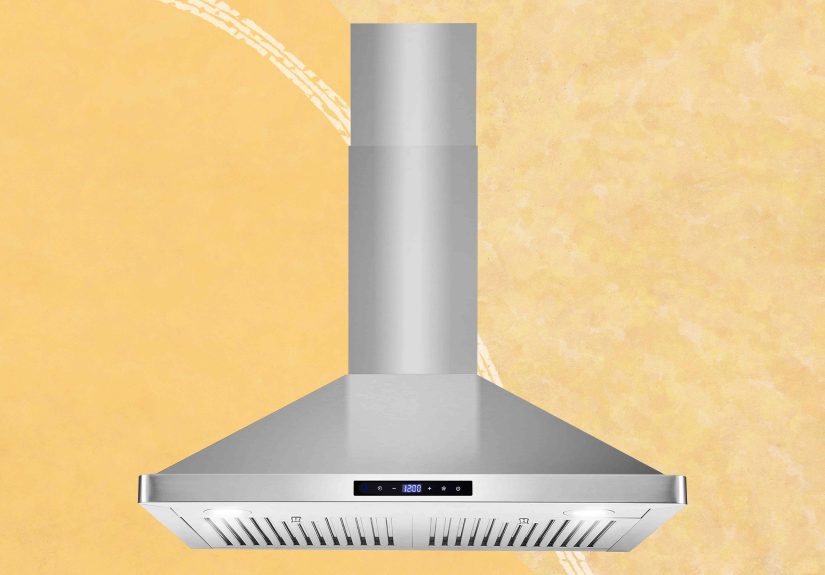
- Wall-mount chimney: A statement piece that vents up through a duct “chimney.” Great for kitchens with a backsplash feature wall.
- Island hood: Suspends from the ceiling. Needs more power because air moves in from all sides.
- Insert/hood liner: Hidden inside a custom wood hood or cabinetry for a built-in look.
- Downdraft: Rises from the counter behind the cooktop. Helpful in specific layouts, but generally less effective than a canopy hood.
What to Look For in the Best Range Hoods
1) Ducted vs. ductless: the decision that changes everything
Ducted (vented) range hoods exhaust air outside. This is typically the most effective way to remove heat, moisture, smoke, and lingering odors from your kitchen.
Ductless (recirculating) range hoods filter air (usually through grease filters plus charcoal/carbon filters) and send it back into the kitchen. They can be useful when outside venting isn’t possibleapartments and condos, for examplebut they rely heavily on consistent filter maintenance, and they won’t remove humidity the way a ducted system can.
Real-world tip: If you can vent outdoors, do it. If you can’t, choose a ductless model with easy-to-find carbon filters and set a calendar reminder to replace thembecause your nose will remember even if you don’t.
2) CFM: power matters, but “more” isn’t always “better”
CFM (cubic feet per minute) is airflowhow much air the hood moves. Bigger numbers can be helpful for high-heat cooking, but airflow isn’t the entire story. Hood shape, coverage, and installation height play a huge role in how well it captures the plume rising from your pans.
A solid starting point: Many ventilation guidelines suggest sizing by cooktop width and location. For example, recommendations often land around 100 CFM per linear foot for a cooktop against a wall, and 150 CFM per linear foot for an island installation (because cross-breezes and open space make capture harder).
If you have a pro-style range: Manufacturers and many guides commonly scale ventilation to burner output (BTUs). If your cooktop is a heat monster, treat ventilation like a matching setyour hood shouldn’t be the weak link.
3) Coverage and mounting height: the “umbrella effect”
Think of your hood as an umbrella for smoke and steam. If it’s too narrow or mounted too high, a lot escapes around the edges. A common recommendation is that the hood should be at least as wide as the cooking surface, and going a little wider can improve captureespecially if you use front burners often.
Mounting height matters, too. Place it too high and you’ll need more airflow (and likely more noise) to compensate. Place it too low and you may bonk your head while flipping pancakes, which is a different kind of kitchen hazard.
4) Noise (sones): because dinner shouldn’t sound like takeoff
Manufacturers often list loudness in sones or sometimes decibels. Lower is quieter. Many homeowners find that a hood is only “useful” if it’s quiet enough that they’ll actually turn it on every time they cook.
Practical rule: Look for a low sone rating on the speed you’ll use most oftennot just the max speed you’ll use during your annual “let’s sear everything” phase.
5) Filters: baffle vs. mesh, plus carbon if ductless
- Baffle filters (often stainless steel): Durable, great for heavy cooking, and usually dishwasher-safe.
- Mesh filters: Common and affordable, but can clog faster if you cook with lots of oil.
- Carbon/charcoal filters: Needed for ductless hoods. Must be replaced periodically to keep odor control effective.
6) Makeup air: the “surprise” upgrade your contractor might mention
Here’s the part most people only learn after buying a powerful hood: if your hood exhausts a lot of air, your home needs a way to replace it. Many building codes require makeup air for kitchen exhaust systems above a certain airflow threshold (often cited around 400 CFM). This helps prevent negative pressure issues and potential backdrafting from combustion appliances.
Bottom line: If you’re eyeing a high-CFM hood (especially in a tighter, newer home), plan to talk with a pro about makeup air. It’s not the most exciting kitchen conversation, but it beats accidentally turning your house into a wind tunnel.
The Best Range Hoods to Upgrade Your Kitchen
Below are standout options across common categories. Think of these as “best for most people” picksthen match them to your layout, cooking style, and venting reality.
Best Overall for Serious Home Cooking: Hauslane UC-PS38 (Under-Cabinet, Ducted)
Why it’s a standout: It’s built for people who actually cooksearing, frying, simmering sauce for hourswithout making cleanup a second job. One of its most talked-about features is a steam-clean function designed to help break down grease buildup inside the hood.
Great for: Frequent cooks, heavier cooking styles, households that want performance without going full commercial.
Watch-outs: Like many higher-performance hoods, installation and ducting matter. Pairing strong airflow with restricted ductwork is like putting a sports car engine on bicycle tires.
Best Budget Upgrade: Broan-NuTone 413004 (Under-Cabinet, Often Used as Ductless)
Why it’s a standout: This is a classic “better than nothing” (and often much better) upgrade for small kitchens or light cooking. It’s widely recommended as an affordable entry pointespecially when you can’t or don’t want to redo ductwork right now.
Great for: Apartments, rentals (with permission), and households that mostly sauté, boil, and reheatrather than full send on wok hei.
Watch-outs: It’s not built for heavy smoke or constant high-heat cooking. If you cook steak indoors regularly, your hood deserves a promotion.
Best Wall-Mount Value Pick: Cosmo COS-63175S (Wall-Mount Chimney, 380 CFM Class)
Why it’s a standout: It’s a popular “looks expensive, costs reasonable” wall-mount option with a clean stainless look and a straightforward feature set. Many versions use permanent, washable filters, which is a nice long-term convenience.
Great for: Standard 30-inch wall setups, style upgrades on a realistic budget, homeowners who want a modern focal point.
Watch-outs: Like any wall hood, it performs best when sized and mounted correctly. Don’t treat the install guide like a “suggestion pamphlet.”
Best Splurge (and a Conversation Starter): Vent-A-Hood “Magic Lung” Models
Why it’s a standout: Vent-A-Hood’s Magic Lung design is famous for a different approach: instead of relying only on typical mesh or baffle filters, it uses a centrifugal-style system intended to capture grease efficiently and reduce the chance of grease buildup in places you don’t want grease (like, say, inside walls).
Great for: High-end kitchens, heavy cooking, people who want premium engineering and are willing to invest.
Watch-outs: Premium pricing. Also, pick the right blower/size for your cooktopsplurging on a brand name doesn’t automatically fix underpowered sizing.
Best for Kitchen Islands: A Dedicated Island Hood (Plan for More CFM)
Why islands are different: Island hoods deal with air coming in from all directionspeople walking by, HVAC airflow, open-concept cross-breezes. Many guidelines recommend higher airflow for island installations compared to wall installations of the same width.
What to prioritize: Wider capture area, higher airflow, and (if noise-sensitive) better sound engineering or a remote/inline blower option.
Best Built-In Look: Insert Range Hood (Hood Liner)
Why it’s a standout category: Inserts give you a clean custom lookwood hood outside, powerful ventilation inside. Great for design-forward kitchens that don’t want a big stainless statement piece.
Great for: Remodels, custom cabinetry, homeowners who want “invisible but effective” ventilation.
Watch-outs: Ensure the insert is sized to the hood enclosure and that ducting is properly planned. Custom look still needs real airflow.
Best When You Can’t Do a Canopy Hood: BEST Cattura Downdraft (D49M Series)
Why it’s a standout: Downdrafts exist for a reasonsometimes your layout makes an overhead hood difficult (or you hate the look). This style rises from the counter when needed and disappears when not in use. Some configurations support high max airflow with modular blower options.
Great for: Certain island layouts, minimalist kitchens, specific remodel constraints.
Watch-outs: Downdrafts generally can’t match the performance of an overhead canopy hood because smoke and steam naturally rise. If you can do a canopy hood, it’s usually the better performer.
How to Choose the Right Range Hood in 5 Minutes
Step 1: Measure your cooktop width (and be honest about your front burners)
Start with width: choose a hood at least as wide as your cooktop. If you cook on front burners a lot, prioritize depth/coverage too. A hood that doesn’t cover the action can’t capture what it never reaches.
Step 2: Decide whether you can vent outside
If you can run ducting to an exterior wall or roof, ducted is typically the strongest option. If you can’t, pick a ductless hood with replaceable carbon filters and commit to maintenance.
Step 3: Estimate airflow needs (CFM) based on placement and cooking style
Wall installation? You can often use a lower airflow than an island. High-heat cooking, frequent frying, or a powerful gas range? Lean higher. If you cook lightly most days, you can prioritize quiet operation on a lower setting and keep a higher “boost” mode for emergencies.
Step 4: Check noise and controls
Look for multiple speeds, a usable low setting, and a noise rating that won’t make you avoid using it. Bonus points for a timer or delay shutoffbecause odors like to linger long after you’ve eaten.
Step 5: Think about ductwork like it’s part of the appliance
Smooth, appropriately sized ducting with fewer turns generally performs better and can be quieter. If you’re upgrading to a more powerful hood, don’t assume your old duct setup is automatically up to the task.
Maintenance Tips That Keep Your Hood Performing Like New
- Clean grease filters regularly: Monthly is a good baseline for most homes. Heavy cooking may need more frequent cleaning.
- Replace carbon filters (ductless): Follow the manufacturer’s scheduleor sooner if you notice odors sticking around.
- Wipe the hood exterior: Stainless shows fingerprints like it’s auditioning for a detective show. Clean with the grain and avoid abrasive scrubbers.
- Use the hood correctly: Turn it on before cooking, and let it run afterward. Small habits make a big difference.
Real-Life Experiences: What Upgrading Your Range Hood Actually Feels Like (500+ Words)
Here’s what nobody tells you until you live it: a range hood upgrade changes the vibe of cooking. Not in a “my life is now a cooking show” way (unless you want it to), but in a “my kitchen no longer smells like last Tuesday’s fajitas” way. And yesthose are two very different life paths.
Experience #1: The “Oh… that’s what clean air smells like” moment.
The first time you sear somethingsteak, tofu, scallops, whatever your household cheers forand the smoke doesn’t immediately creep into the living room like it pays rent, you will pause. You might even turn your head toward the hood and whisper, “Where have you been all my life?” (Don’t worry. The hood won’t answer. It’s strong and silent, like a kitchen superhero.)
Experience #2: Your cabinets stop feeling… sticky.
If you cook often, you’ve probably cleaned your upper cabinets and thought, “Why does this feel like someone lightly misted everything with cooking oil?” That’s airborne grease settling over time. A better vent hood doesn’t eliminate all cleanupnothing can save us from the laws of physics and spaghetti saucebut it can dramatically reduce that invisible film that builds up when air isn’t being captured and exhausted properly.
Experience #3: You start using your hood on purpose.
Loud, annoying hoods teach people to avoid them. Quiet, effective hoods create a new habit: you actually turn the fan on because it’s not punishing you for wanting to sauté onions. The best upgrades aren’t just “better specs”they’re the ones that are pleasant enough to use every day. That’s why low-speed noise matters so much: it’s the setting you’ll live with during weeknight cooking, not the maximum hurricane mode you’ll use twice a month.
Experience #4: The “open concept” redemption arc.
Open kitchens look amazinguntil you cook something aromatic and the entire house becomes one big scent diffuser. A stronger hood is basically an open-concept survival tool. It helps keep “dinner smells” in the kitchen instead of migrating to your couch pillows, curtains, and that one throw blanket that’s apparently a sponge for every odor in existence.
Experience #5: You learn the power of timing.
Upgrading your hood often teaches you a small but game-changing trick: turn it on before the pan hits high heat. When the airflow is already moving, it captures more of the cooking plume right away. Add a few minutes of run time after cooking, and you’ll notice fewer lingering odors. Suddenly you’re not trying to “fix” the air after the factyou’re managing it as you cook. It’s the difference between cleaning up spilled flour and never dumping the bag on the floor in the first place.
Experience #6: The surprise “grown-up” feeling.
This one is hard to explain, but easy to recognize. A good range hood makes your kitchen feel more intentional. Like you’re in a space designed for cooking, not just surviving it. You can hear your playlist. You can talk to someone while you cook. Your kitchen lighting looks better when the hood’s LEDs actually illuminate the cooktop instead of creating dramatic shadows that make your pasta water look like a movie scene.
Experience #7: The reality check (aka: ductwork matters).
Many people upgrade the hood and expect instant magicthen realize that ducting, turns, restrictions, and installation height are part of the performance equation. The good news? Once those pieces are addressed, the hood finally works the way product photos imply it should. The lesson is simple: don’t just buy a stronger fanbuild a better ventilation system.
In the end, the best range hoods don’t just “remove smells.” They change how your home feels during and after cooking. They make your kitchen more comfortable, reduce cleanup, and help you enjoy the good parts of cooking without the side quest of airing out your whole house afterward. And honestly, that’s an upgrade worth celebratingpreferably with something sizzling on the stove (and the hood actually on).
Conclusion
The best range hood to upgrade your kitchen is the one that matches your layout, your cooking style, and your ability to vent outdoors. Prioritize ducted ventilation when possible, size your airflow realistically (especially for islands and high-BTU ranges), and choose a model quiet enough that you’ll use it daily. Get those fundamentals right, and you’ll notice the upgrade every single time you cookwithout needing to crack a window in the middle of winter just to breathe.