Table of Contents >> Show >> Hide
- Why Your Shower Needs a True Deep Clean
- Types of Shower Cleaning Products (and When to Use Each)
- 1. Daily Shower Sprays to Prevent Buildup
- 2. Heavy-Duty Soap Scum and Hard Water Removers
- 3. Mold and Mildew Removers for Stained Grout and Caulk
- 4. Shower Glass Cleaners and Protection Kits
- 5. Tile and Grout Cleaners for Deep-Cleaning Lines and Corners
- 6. Eco-Friendly and Low-Fume Bathroom Cleaners
- 7. Tools and Gadgets That Boost Your Shower Cleaners
- How to Choose the Best Shower Cleaning Products for Your Bathroom
- Step-by-Step Routine to Deep Clean Your Shower Like a Pro
- Common Mistakes to Avoid When Cleaning Your Shower
- Real-Life Experiences: What Actually Works to Deep Clean a Shower
If your shower walls are starting to look like a topographical map of soap scum and mildew, you’re not alone. Showers take a daily beating from hard water, body oils, shampoo residue, and humidity. The good news? The right shower cleaning products can turn a dingy stall into something that actually looks inviting at 7 a.m. (no promises about how you feel before coffee).
This guide walks you through the best types of shower cleaners, what they’re good at, and how to pair them with smart cleaning habits so you get a true deep cleantile, glass, grout, and all.
Why Your Shower Needs a True Deep Clean
Unlike a kitchen counter, your shower is almost always damp. That creates a perfect home for soap scum, mineral deposits, mold, mildew, and bacteria. Over time, that buildup can:
- Stain grout lines and caulk
- Etch or dull shower glass
- Leave slippery surfaces that increase fall risk
- Trigger allergies or respiratory issues if mold and mildew are present
Deep cleaning doesn’t have to mean hours of scrubbing, though. Modern shower cleaning products are designed to do specific jobsdisinfecting, dissolving limescale, brightening grout, or protecting glassso you can let chemistry do more of the work.
Types of Shower Cleaning Products (and When to Use Each)
1. Daily Shower Sprays to Prevent Buildup
Daily shower sprays are light-duty cleaners you spritz after each use to keep soap scum and mineral deposits from hardening. Many are non-bleach formulas that help prevent mildew stains and water spots with minimal effort.
Some people also keep a dish-soap-filled scrub brush in the shower and quickly scrub walls while waiting for conditioner to sit. That kind of “lazy” maintenance routine can dramatically cut down on how often you need a heavy-duty deep cleanjust make sure the product you’re using is safe to use around bare skin and you’re not cleaning while actively showering with strong chemicals.
Best for: Households that want to spend less time scrubbing on deep-clean day, or showers prone to water spots and light soap scum.
2. Heavy-Duty Soap Scum and Hard Water Removers
If your shower walls feel rough or filmy, that’s soap scum and mineral buildup. Heavy-duty bathroom cleanersoften in spray or foaming formulasare designed to dissolve that gunk so it wipes away instead of needing an arm workout.
Popular examples include foaming products that cling to surfaces and gel cleaners that stay put on vertical tile. Independent testing from home and cleaning magazines has repeatedly highlighted products such as:
- Clinging foam bathroom cleaners that cut through thick soap scum and body oils on fiberglass, acrylic, and ceramic tile.
- Dedicated soap scum removers that target hard water deposits on tile, tubs, and glass, often in a spray-and-rinse format.
Best for: Showers with visible white film, chalky buildup, or dull fixtureseven after regular cleaning.
3. Mold and Mildew Removers for Stained Grout and Caulk
Those black or pink stains creeping along caulk lines and grout? That’s mold and mildew. Standard all-purpose cleaners rarely touch these stains. You need specialized products that contain bleach or other mold- and mildew-fighting ingredients.
There are two main categories to know:
- Spray mold and mildew removers: Fast-acting, often “no scrub” formulas that bleach away stains on grout, caulk, and nonporous surfaces.
- Thick gels and brush-on products: These cling to vertical surfaces so the active ingredient stays in place longer, which helps on deeply stained grout lines or caulk around tubs and shower bases.
Powerful mold removers can work in seconds, but they also tend to have strong fumes. Always ventilate the bathroom well, wear gloves, and follow directions exactly. If you’re sensitive to bleach, look for products with alternative active ingredients or try a “spray, dwell, then scrub” routine with a milder cleaner.
Best for: Discolored grout, stained caulk, and showers that haven’t been deep cleaned in a long time.
4. Shower Glass Cleaners and Protection Kits
Glass shower doors love to tell the truth about your cleaning habits. Water spots, soap streaks, and mineral deposits show up quickly, especially if you have hard water.
You’ll see two types of products mentioned frequently by testing labs and cleaning experts:
- Traditional glass cleaners formulated specifically for shower doors to tackle soap scum and water spots without scratching the surface.
- Glass protection kits and coatings that bond to the glass and make it more water-repellent, so stains are less likely to stick and future cleanings are easier.
Coatings are especially useful in walk-in showers with large glass panels. Once applied, they can reduce the need for frequent scrubbing; routine maintenance might be as simple as a quick squeegee after each shower plus occasional touch-up with a gentle cleaner.
Best for: Clear glass doors that are cloudy, streaky, or difficult to keep clean.
5. Tile and Grout Cleaners for Deep-Cleaning Lines and Corners
If your tile looks okay but the grout lines are gray or stained, a grout-specific cleaner is worth the upgrade. These formulas are stronger than everyday multi-surface sprays and are designed to penetrate porous grout.
Testing from multiple home and cleaning publications often calls out:
- Non-toxic tub and tile cleaners that still remove soap scum and mildew from grout with the help of a good brush.
- Heavy-duty grout cleaners from brands like Zep and others for very stained or older grout.
For stubborn stains, many cleaners work best when you let them sit for several minutes and pair them with a stiff-bristle grout brush or an old electric toothbrush you’ve retired from mouth duty.
Best for: Dingy grout, orange or pink discoloration, and textured tile where gunk gets stuck in crevices.
6. Eco-Friendly and Low-Fume Bathroom Cleaners
If you’re cleaning in a small bathroom, have kids or pets, or simply hate strong chemical smells, eco-conscious bathroom cleaners are getting much better at tackling soap scum and light mildew.
Examples include plant-based tub and tile sprays, as well as disinfecting bathroom cleaners that kill 99.9% of bacteria and certain viruses using botanical active ingredients instead of traditional bleach or ammonia. Many of these have earned recognition from consumer and environmental groups that evaluate ingredient safety.
They might require more scrubbing on heavy buildup, but they’re great for regular maintenance and for households trying to balance health, ventilation, and cleaning power.
Best for: Routine cleaning, sensitive noses, and households that prioritize gentler ingredients.
7. Tools and Gadgets That Boost Your Shower Cleaners
You can have the best shower cleaner in the world, but if you’re using a worn-out sponge from 2019, you’re working too hard. Some tools that consistently perform well in expert tests include:
- Steam mops and handheld steamers: Models from brands like Shark and PurSteam are often recommended for tile and grout because they use hot steam to loosen grime and sanitize sealed surfaces using just water.
- Scrub brushes and drill brushes: From ergonomic hand brushes to drill attachments, stiff bristles help grout cleaners do their job.
- Magic-eraser style pads: Great for scuffed tubs, soap scum on textured walls, and around fixtures.
- Squeegees: A quick squeegee after each shower dramatically slows mineral buildup on glass and tile.
Best for: Cutting down scrubbing time and boosting the effectiveness of whatever cleaning product you’re already using.
How to Choose the Best Shower Cleaning Products for Your Bathroom
1. Start with Your Surface Type
The “best” cleaner depends heavily on what your shower is made of:
- Fiberglass or acrylic: Avoid highly abrasive powders or pads that can scratch. Look for labeled “tub and shower” sprays and gels.
- Ceramic or porcelain tile: You can usually use stronger soap scum removers and grout cleaners safely.
- Natural stone (marble, travertine, slate): Skip vinegar, strong acids, and many standard bathroom cleaners. Use stone-safe pH-neutral cleaners only.
- Glass doors: Use products specifically labeled safe for glass; don’t use razors unless the product and manufacturer explicitly allow it.
2. Decide If You Need Disinfection or Just Cosmetic Cleaning
Not every cleaning session has to involve a full-on germ war. If you’re primarily dealing with soap scum and water spots, a strong non-disinfecting cleaner may be enough. If someone has been sick, or you see mold or mildew stains, reach for an EPA-registered disinfectant or mold remover and follow the “dwell time” on the label.
3. Factor in Ventilation and Sensitivities
Bleach and heavy-duty sprays can be incredibly effective, but they can also irritate eyes and lungs in small, poorly ventilated bathrooms. If you can’t open a window or run a fan, choose low-fume or plant-based cleaners and let them work longer before scrubbing.
4. Balance Convenience and Frequency
If you hate cleaning, you’ll probably get more value out of:
- A weekly or monthly deep-clean product that requires minimal scrubbing, and
- A daily or post-shower spray plus a quick squeegee routine.
This combo reduces how often you have to pull out the heavy-duty mold remover and grout brush.
Step-by-Step Routine to Deep Clean Your Shower Like a Pro
Once you’ve picked your products, here’s a simple but effective routine to follow for a true deep clean:
Step 1: Clear the Space
Remove all shampoo bottles, razors, loofahs, and toys. Toss anything moldy, rusty, or empty. This gives you full access to corners, niches, and edges where grime hides.
Step 2: Ventilate and Gear Up
Open a window, turn on the exhaust fan, and wear gloves. For strong mold or bleach products, consider eye protection and even a mask if recommended by the label.
Step 3: Pre-Rinse and Pre-Treat
Rinse the walls and floor with warm water to loosen loose dirt and hair. Then:
- Spray soap scum remover on walls, doors, and fixtures.
- Apply mold/mildew remover or grout cleaner to discolored lines and caulk.
- Use a glass cleaner or dedicated shower door product on glass.
Let everything sit for the full dwell time listed on the labelthis is the secret sauce for results without endless scrubbing.
Step 4: Scrub Smart, Not Hard
Use the right tool for each area:
- Soft sponge or cloth for walls and doors.
- Stiff grout brush or an old toothbrush for grout lines and corners.
- Magic-eraser style pad for stubborn soap scum or marks.
- Steam mop or handheld steamer on sealed tile and grout for a deeper clean with less chemical use.
Step 5: Rinse Thoroughly
Rinse from top to bottom with warm water. Any leftover cleaner can leave streaks, sticky residue, or even damage certain surfaces over time, so don’t skip this part.
Step 6: Dry and Protect
Use a squeegee on glass and tile, then towel-dry fixtures and corners. If you’re using a glass coating or protectant, apply it now to clean, dry glass following the manufacturer’s instructions. This step can drastically cut down on future cleaning time.
Step 7: Set Up Your “Stay-Clean” Routine
Before you put bottles back, wipe them down so you’re not reintroducing slimy rings. Add a daily shower spray and a squeegee hook, and consider keeping a mild scrub brush in the shower for quick touch-ups between deep cleans.
Common Mistakes to Avoid When Cleaning Your Shower
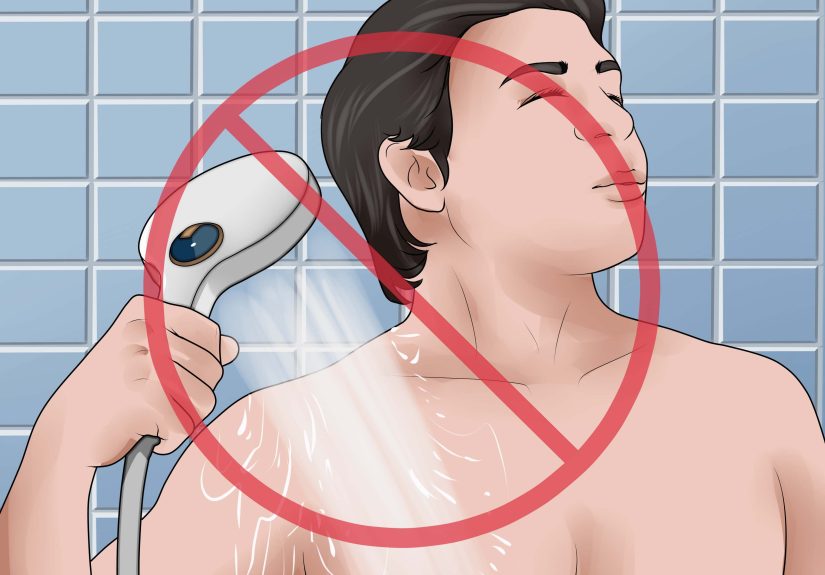
- Cleaning while you’re showering: Multitasking sounds efficient, but strong chemicals plus hot water and steam can mean heavy fumes and skin exposure. It’s safer to clean before or after your shower when you’re fully dressed and better protected.
- Mixing products: Never mix bleach with vinegar, ammonia, or other cleaners. This can create toxic gases.
- Ignoring dwell time: Spraying and immediately wiping wastes product. Let the cleaner sit so it can do the heavy lifting.
- Using the wrong product on stone: Acidic products and vinegar can etch natural stone. Use stone-safe cleaners only.
- Skipping ventilation: Always run the fan and crack the door or window when using powerful sprays.
Real-Life Experiences: What Actually Works to Deep Clean a Shower
Product labels promise a lot, but how do things play out in real bathrooms with real people? Here are a few experience-based scenarios that reflect what many homeowners, renters, and cleaning pros report when dealing with tough shower messes.
The “Hard Water Apartment” Shower
Imagine a rental with a basic fiberglass tub-shower combo and notoriously hard water. The glass door is speckled with white spots, and the chrome fixtures look permanently dull. In this situation, people often find that a standard all-purpose spray barely touches the scale and scum.
What tends to work better is a two-step approach: first, a dedicated soap scum or limescale remover to break down the mineral deposits, and second, a glass cleaner or protectant to restore clarity. The person who finally cracks the code usually discovers that letting the soap scum remover sit for the full label time (often 5–10 minutes) makes all the difference. With a non-scratch scrub pad, most of the hazy film comes off in sheets instead of in tiny, frustrating patches. Once they add a quick daily squeegee habit, the spots return much more slowlyand deep clean day becomes a lot less painful.
The Busy Family Tile Shower
Now picture a household with kids, a dog, and a constant stream of showers. The tile walls look okay from a distance, but the grout has shifted from white to suspicious beige. Parents often try regular bathroom spray cleaners first, only to realize that the grout lines still look dirty even though the tile shines.
Switching to a true tub-and-tile or grout cleaner, plus a stiff grout brush, is usually the turning point. People report that once they spray the grout lines, let the cleaner sit, and then scrub in short, firm strokes, they can actually see dirt lifting out of the pores. In areas with mildew stains, adding a specialized mold and mildew remover for a second pass helps brighten the lines dramatically.
Once the grout looks good again, these families often move to a lower-fume cleaner for weekly maintenance and save the stronger grout cleaner for quarterly or “as needed” use. The key learning: grout is different from tile, and it needs its own product and tool.
The Eco-Conscious, Small Bathroom Setup
In a small condo or older home without a powerful exhaust fan, heavy bleach fumes can linger and feel overwhelming. In these spaces, many homeowners experiment with plant-based bathroom cleaners, botanical disinfectants, or steam cleaners.
A common strategy goes like this: use a plant-based tub and tile cleaner for regular soap scum removal, pair it with a microfiber cloth or scrub brush, and bring in a handheld steamer once a month for grout lines and corners. The steam helps loosen grime mechanically, while the gentler cleaner handles day-to-day residue. People who stick with this routine often say it feels more comfortable to clean because they aren’t bracing themselves for harsh smellsand because they’re cleaning more frequently, stubborn buildup is less of an issue.
The “I Haven’t Cleaned This in Months” Scenario
We’ve all been there: you pull back the shower curtain and realize things have gone from “a little dingy” to “I may need a hazmat suit.” In these cases, the winning move is usually to stop trying to make one mild product do everything and instead use the right tool for each job:
- A strong mold and mildew remover on blackened caulk and deeply stained grout.
- A heavy-duty soap scum remover on walls, glass, and fixtures.
- A dedicated grout cleaner plus a stiff brush on gray or orange grout lines.
People who tackle a neglected shower in stagesceiling and walls first, then grout and corners, then fixtures and glasstend to get better results and feel less overwhelmed. Once that initial reset is done, even a simple daily spray and occasional squeegee can keep things from sliding back into “yikes” territory.
The Big Takeaway from All These Experiences
Across different homes and cleaning styles, a few themes repeat:
- Letting cleaners sit on the surface is often more important than which brand you pick.
- Using a grout-specific cleaner and brush is a game-changer for stained lines.
- Pairing a strong “reset” deep clean with easy daily habits (squeegee, spray, quick scrub) delivers the best long-term results.
- Choosing products that fit your surfaces, ventilation, and sensitivity level makes you more likely to actually use them regularly.
In other words, the best shower cleaning products are the ones that match your bathroom, your schedule, and your comfort levelso you can keep your shower genuinely clean without feeling like you’ve signed up for a second job.
SEO JSON