Table of Contents >> Show >> Hide
- What Telehealth Really Is (and What It’s Not)
- Why Telehealth Is Growing Up Now
- Where Telehealth Delivers Real Value
- The Friction Points (Because Nothing in Healthcare Gets a Free Pass)
- What the “Coming Age” Looks Like in Practice
- How Patients Can Use Telehealth Wisely
- How Providers and Health Systems Win the Next Phase
- Experiences From the Front Lines (Composite Stories)
- Conclusion: Telehealth Becomes the New Normal (the Good Kind of Normal)
Not long ago, “telehealth” sounded like something you’d do on a spaceship: a grainy video call, a doctor squinting at a webcam, and you praying your Wi-Fi didn’t freeze on your most unflattering angle. Fast-forward to now, and virtual care has quietly become one of the biggest changes in American healthcare since… well, since anyone started putting “hold music” between you and your doctor’s office.
The coming age of telehealth isn’t about replacing all in-person care with video calls. It’s about redesigning care around how people actually live: busy schedules, long drives, childcare, mobility issues, and the basic human desire to not sit in a waiting room next to someone practicing their cough like it’s an Olympic sport. Telehealth is evolving into a “hybrid-first” healthcare systemone where the default question becomes: Do you really need to be here physically for this?
What Telehealth Really Is (and What It’s Not)
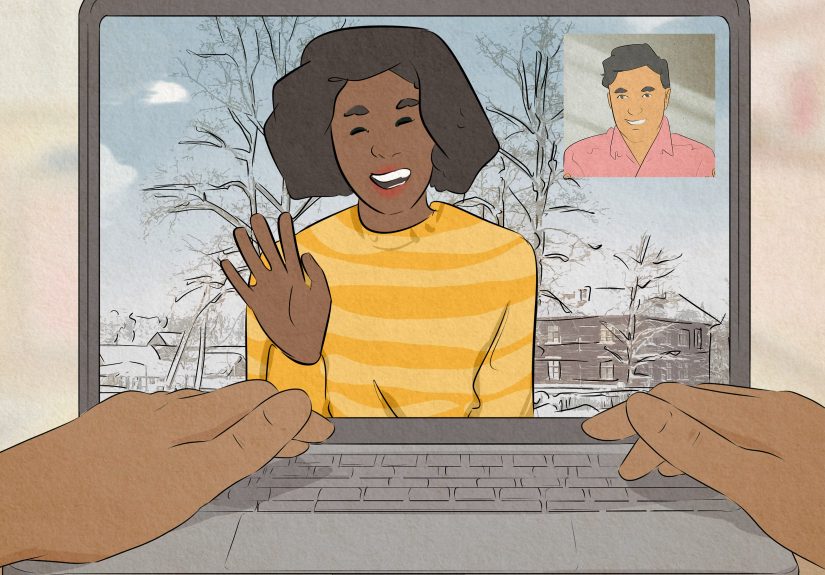
“Telehealth” is the umbrella term for healthcare delivered at a distance using technology. People often say “telemedicine” interchangeably, but telehealth can include more than doctor visitsthink education, monitoring, and care coordination. In real life, telehealth tends to show up in a few main forms:
- Live video visits (the familiar virtual appointment)
- Audio-only visits (yes, the phone still counts when it’s appropriate)
- Asynchronous care (secure messaging, forms, symptom check-ins, photo uploads)
- Remote patient monitoring (devices that track metrics and send data to a care team)
- Virtual specialist support (tele-stroke, tele-ICU, remote consults)
What telehealth isn’t: a magic wand that makes every health problem solvable from your couch. Some issues require hands-on exams, imaging, labs, procedures, or simply the kind of in-person observation that no camera can capture. The future isn’t “virtual everything.” It’s right-care, right-place, right-time.
Why Telehealth Is Growing Up Now
1) Policy is finally catching up with reality
During the pandemic, telehealth access expanded rapidly. What’s changed since then is that lawmakers and regulators have been deciding which pieces of that emergency expansion should become part of normal life. In the U.S., Medicare policy matters a lot because it influences how private insurers behave, how clinics invest, and what patients come to expect.
2) Consumers learned a new habitand don’t want to unlearn it
After years of being told, “You must come in,” patients discovered something shocking: many routine check-ins, follow-ups, and medication discussions can happen effectively without taking half a day off work. Once people experience convenient access, they start comparing healthcare to everything else in modern life. If your bank can deposit a check from a photo, it’s hard to accept that a simple follow-up requires three buses and a parking fee.
3) Health systems need capacity, and telehealth creates it
Telehealth doesn’t create more doctors out of thin air, but it can reduce wasted time: fewer missed appointments, fewer unnecessary in-person visits, and more flexible scheduling. When you remove travel time and rooming time for certain visits, you can often increase accessespecially for behavioral health, chronic care management, and post-hospital follow-ups.
4) Technology is getting less clunky
The early telehealth era sometimes felt like a group project where nobody read the instructions. Now, platforms are more stable, workflows are improving, and remote patient monitoring is becoming more practical. The big win isn’t “cool tech.” It’s boring reliabilitythe kind that makes telehealth feel normal instead of experimental.
Where Telehealth Delivers Real Value
Behavioral health and therapy
One of telehealth’s strongest lanes is behavioral health. Many appointments are conversation-based, and virtual visits can reduce friction (transportation, stigma, scheduling). That matters because consistency is often the difference between “I’ll deal with it someday” and “I’m actually getting support.”
Routine follow-ups and chronic care check-ins
Telehealth works well for many stable follow-ups: reviewing symptoms, adjusting a plan, discussing side effects, going over test results, or tracking progress. For people managing ongoing conditions, frequent small check-ins can be more helpful than rare big appointmentsespecially when remote monitoring or home measurements are involved.
Remote patient monitoring can add a “quiet safety net.” Instead of relying only on how someone feels during a visit, care teams may also see trends and respond earlier. Used well, this can help reduce delays in care and keep people connected to support between appointments.
Urgent-but-not-emergency issues
Think: a rash that can be photographed, a medication question, a minor infection discussion, a quick triage conversation, or a follow-up after an urgent care visit. Telehealth can help people get guidance quickly and decide whether they need to be seen in person. (It’s basically the “Should I put on pants and leave the house?” decision treebut medically responsible.)
Specialist access for rural and underserved communities
Telehealth can narrow geography gaps. Not every town has a dermatologist, endocrinologist, or psychiatrist. Virtual consults can bring specialist input closer to where people live, especially when local clinics coordinate the hands-on parts (labs, vitals, imaging) and specialists guide diagnosis and management.
The Friction Points (Because Nothing in Healthcare Gets a Free Pass)
The digital divide: access isn’t evenly distributed
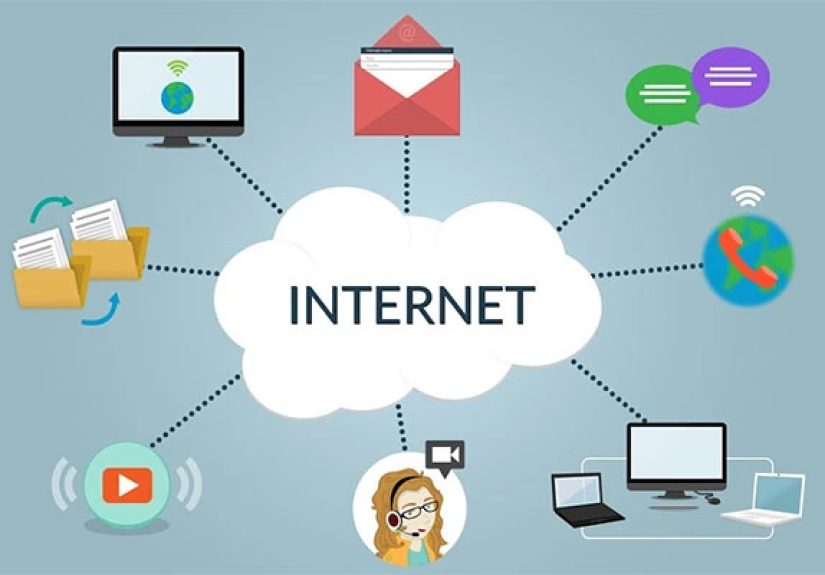
Telehealth depends on internet access, devices, privacy, and digital comfort. When broadband affordability programs shrink or end, the people who most benefit from telehealth (low-income households, rural residents, older adults, people with disabilities) can be the same people who face the biggest barriers to using it. Telehealth can widen gaps if we treat “has Wi-Fi” like a universal human trait.
Privacy and HIPAA compliance are non-negotiable
Virtual care is still healthcare, which means privacy rules matter. The “anything goes” improvisation that was tolerated during the peak emergency period is not the standard going forward. Patients should be able to trust that their sensitive information isn’t being discussed on a platform designed primarily for birthday parties.
Prescribing rules are still evolving
Telehealth prescribingespecially for controlled substanceshas been one of the most debated areas. Policymakers are trying to balance access to legitimate care with safeguards against misuse, diversion, and fraud. The result is a moving landscape of temporary extensions, rulemaking, and compliance requirements that clinics have to track carefully.
Fraud, hype, and “too-good-to-be-true” marketing
Wherever healthcare meets the internet, some people will try to sell miracles in monthly installments. Regulators have been paying attention to deceptive advertising, questionable claims, and “fast lane” medical services that look more like subscription commerce than patient-centered care. The coming age of telehealth will reward trustworthy modelsand punish shortcuts.
Quality and patient safety must be designed in
Telehealth changes how clinicians gather information. Without an in-person exam, providers may lean more heavily on patient history, observation, and follow-up. Good telehealth systems build safety into the process: clear triage, appropriate escalation to in-person care, documentation, and continuity. Done thoughtfully, telehealth can improve safety by reducing delays and missed visits; done carelessly, it can create blind spots.
What the “Coming Age” Looks Like in Practice
Hybrid-first clinics become the default
The most realistic future is not “telehealth vs. in-person.” It’s a blended system. Many clinics will offer a mix: quick virtual follow-ups, in-person exams when needed, and remote monitoring for higher-risk patients. Scheduling will start to look more like airline seat maps: in-person slots for hands-on care, virtual slots for conversation and check-ins.
Home becomes a legitimate site of care
Remote patient monitoring, home-based services, and hospital-at-home programs point to a bigger shift: the home isn’t just where you recoverit’s where care happens. This can reduce strain on hospitals and make care more comfortable for patients, but it also requires strong coordination, clear protocols, and reliable tech support.
More team-based care (not just “the doctor on video”)
Telehealth works best when it’s not a solo act. Nurses, pharmacists, behavioral health specialists, care coordinators, and health coaches can all play a roleespecially for chronic care management and medication support. A strong telehealth program feels like a coordinated team, not a revolving door of random video calls.
Equity becomes a design requirement, not a side note
The next stage of telehealth will either reduce disparities or reinforce them, depending on choices we make now: broadband investment, device access, interpreter services, disability accommodations, culturally competent design, and workflows that support patients with low digital literacy. Equity isn’t a slogan; it’s operational.
How Patients Can Use Telehealth Wisely
Telehealth is most effective when you treat it like a real appointmentbecause it is. A few practical moves can improve the experience:
- Prep your questions and list medications or symptoms ahead of time.
- Choose the right setting (quiet, private, good lighting if video is used).
- Be honest about what you can and can’t do remotelysome issues need in-person care.
- Ask about next steps: when to follow up, when to come in, and what warning signs matter for your situation.
If you think you’re experiencing an emergency, use emergency services in your area. Telehealth is powerful, but it’s not an ambulance.
How Providers and Health Systems Win the Next Phase
Telehealth isn’t just “turn on video and hope.” High-performing programs do a few things consistently:
- Build telehealth into workflow (scheduling, documentation, follow-up, escalation paths).
- Train clinicians for virtual exams, communication, and remote triage.
- Invest in equity supports (language access, device help, simple user design).
- Measure outcomes (missed visit rates, patient satisfaction, safety events, continuity).
- Keep care continuous so patients aren’t bounced between strangers on a screen.
The goal isn’t to make telehealth flashy. It’s to make it dependable, safe, and integratedso it feels like healthcare, not customer support.
Experiences From the Front Lines (Composite Stories)
The easiest way to understand the coming age of telehealth is to look at how it changes ordinary days. These are composite experiencesrealistic scenarios that reflect what many patients and clinicians report, without pretending there’s one universal story.
1) The “Lunch Break Appointment”
Marcus schedules a video follow-up for a chronic condition during his lunch break. In the old model, he would have needed two hours: drive, parking, waiting room, visit, drive back. Instead, he steps into a quiet corner at work, reviews symptoms, discusses a lab result, and gets a clear plan. The appointment ends on time, and he’s back before anyone notices he’s gone. The biggest change isn’t medicalit’s practical. Telehealth turns “I can’t take off work” into “I can actually keep up with my care.”
2) The “Rural Specialist Gap”
A small-town clinic can do basicsvitals, labs, general primary carebut specialty care is two hours away. A virtual consult brings in a specialist who reviews the history, asks focused questions, and coordinates next steps with the local team. The patient still goes in person when needed, but fewer trips are wasted. Telehealth doesn’t erase geography, but it can stop geography from deciding whether you get expert input.
3) The “Remote Monitoring Safety Net”
A patient enrolled in a remote patient monitoring program takes simple home readings and answers quick check-in questions. When the numbers drift in the wrong direction over several days, the care team reaches out. Sometimes that means a medication adjustment, sometimes it means scheduling an in-person visit before things snowball. The patient describes it as “someone keeping an eye on me without hovering.” The technology isn’t the hero; the system is: monitoring plus human response.
4) The “Tech Trouble Reality Check”
Telehealth can also fail in painfully ordinary ways. An older adult tries to join a video visit and gets stuck in password purgatory. The camera won’t turn on, the microphone won’t cooperate, and frustration rises fast. A clinic with a good telehealth program has a backup plan: phone visit when appropriate, tech support, and simple instructions that don’t assume everyone grew up troubleshooting routers. The coming age of telehealth will be defined by these unglamorous detailsbecause access isn’t just a policy question; it’s a usability question.
5) The “Trust Test”
A patient sees an online ad promising quick prescriptions and dramatic results with almost no evaluation. It looks convenient, but it also feels off. In contrast, a reputable telehealth visit includes identity verification, a real medical history, clear informed consent, realistic expectations, and a plan for follow-up and escalation. The patient leaves feeling cared fornot processed. As telehealth grows, trust becomes the currency: patients will gravitate toward models that behave like healthcare, not hype.
Conclusion: Telehealth Becomes the New Normal (the Good Kind of Normal)
The coming age of telehealth is less about futuristic gadgets and more about practical redesign. Virtual care is becoming a standard doorway into the healthcare systemespecially for behavioral health, follow-ups, chronic care check-ins, and triage. The winners won’t be the loudest platforms; they’ll be the ones that build safety, privacy, and continuity into everyday care.
Done right, telehealth expands access, reduces friction, and helps healthcare fit into real life. Done poorly, it risks deepening inequities and fueling misinformation. The next chapter is already being written in policies, workflows, and patient experiences. Telehealth isn’t “the future” anymoreit’s a core part of how care happens now. The question is whether we’ll make it excellent.