Table of Contents >> Show >> Hide
- The Sitcom That Looked Perfect on the Surface
- The Making of a Curse: What Happened to the Kids?
- So… Is It Really a “Curse”?
- Why the ‘Diff’rent Strokes’ Curse Still Haunts Pop Culture
- What We Can Actually Learn From the ‘Diff’rent Strokes’ Curse
- Experiences and Reflections on the ‘Diff’rent Strokes’ Curse
- Conclusion
Every few years, pop culture rediscovers its favorite spooky party trick: the idea
that certain movies and TV shows are “cursed.” Someone points at a tragic headline,
someone else remembers a dark behind-the-scenes story, and suddenly your cozy
nostalgia watch turns into a true-crime podcast.
When people rank the most convincing Hollywood curses, one title keeps popping up:
Diff’rent Strokes. On paper, it was a wholesome late-’70s/’80s sitcom about
a rich white widower adopting two Black kids from Harlem. On screen, it was charming
and funny. Off screen, the young stars endured addiction, legal trouble, financial
ruin, and early death. By the time the show’s reruns were airing on cable, the cast’s
real lives looked less like a feel-good sitcom and more like a cautionary tale.
So is there really a “Diff’rent Strokes curse,” or is that just our brains trying to
give chaos a catchy title? Let’s walk through what actually happened to the cast,
why this particular story feels so cursed, and what it says about child stardom in
general.
The Sitcom That Looked Perfect on the Surface
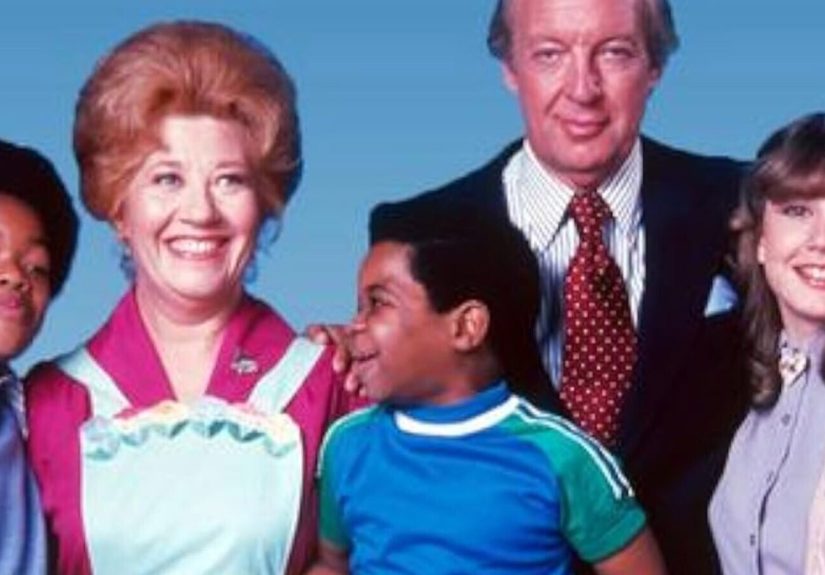
When Diff’rent Strokes debuted in 1978, it hit that sweet spot between
cute-kid hijinks and Very Special Episode seriousness. Gary Coleman played Arnold
Jackson, whose catchphrase “Whatchoo talkin’ ’bout, Willis?” became a national
obsession. Todd Bridges played his older brother, Willis. Dana Plato played Kimberly
Drummond, the sweet, all-American daughter of their new adoptive father, wealthy
Park Avenue businessman Phillip Drummond, played by Conrad Bain.
The show ran for eight seasons, jumped networks, inspired spin-offs like
The Facts of Life, and cemented its kid stars as household names. They were
everywhere: talk shows, magazine covers, lunch boxes. To viewers at home, they were
living the dream.
But that dream came with all the classic hazards of child stardom: huge earnings
controlled by adults, relentless public scrutiny, and zero time to figure out who
they were when the studio lights were off. If you were writing the origin story for
a “curse,” this is pretty much the blueprint.
The Making of a Curse: What Happened to the Kids?
Dana Plato: From America’s Big Sister to Tabloid Tragedy
Dana Plato’s story is often cited as Exhibit A in the “Diff’rent Strokes curse”
argument. As Kimberly Drummond, she was framed as the sweet, relatable older sister
the one who’d occasionally get a Very Special Episode about eating disorders or
peer pressure, then wrap it all up with a lesson by the end credits.
Off screen, her life was far messier. She’d started acting young, already doing
commercials and film roles before Diff’rent Strokes. As the show went on,
she struggled with substance use. When she became pregnant in the mid-’80s, she was
written out of the series, making a handful of later guest appearances but losing
the financial and professional stability the show had given her.
After the sitcom ended, Plato found herself typecast and mostly shut out of
mainstream roles. She turned to lower-budget projects, including B-movies and even
adult films, trying to keep her career afloat. At the same time, her personal life
was imploding: the death of her adoptive mother, a breakup, and money mismanaged to
the point where she was nearly broke.
Her lowest moment became national news when she robbed a video store at
knifepoint yes, the kind of place where people rented the same movies they used to
see her in. She was arrested again later for forging a prescription. Every stumble
became a headline, feeding the media’s favorite storyline: fallen child star.
In 1999, after giving an eerily upbeat interview about her recovery and
sobriety, she died at just 34 from an overdose of prescription medications while
staying in a motor home in Oklahoma. Her death was later ruled a suicide, and
years later, her son would also die by suicide, adding another heartbreaking layer
to her story.
You don’t have to believe in curses to look at all that and feel like something
more than bad luck was at work even if what was really at work was an industry
that chews kids up and then pretends to be shocked when they’re broken.
Gary Coleman: The Star Who Never Really Got Paid Back
Gary Coleman wasn’t just the breakout star of Diff’rent Strokes; he was
one of the most famous child actors on the planet. His timing was sharp, his
expressions were perfect, and his small stature the result of a congenital kidney
condition that required transplants and affected his growth made Arnold’s
wisecracks even funnier.
Behind the scenes, though, Coleman’s health issues meant constant medical care and
physical strain. While he was allegedly earning millions during the show’s peak,
he later claimed that much of that money was mismanaged or taken by the adults
around him. As a young adult, he sued his parents and his business adviser over
his finances and won a judgment, but by the late ’90s he was bankrupt anyway.
This is where the “curse” story gets that extra grim seasoning. It wasn’t just that
life got harder after fame; it’s that Coleman seemed trapped in a slow-motion
collapse that everyone watched in real time. He took odd jobs (including reportedly
working as a security guard), did low-budget projects, and ended up in the news
over legal disputes and domestic incidents.
In 2010, he died at 42 after a fall at his Utah home led to a fatal brain
hemorrhage. Questions about the circumstances including decisions made by his
ex-wife around removing life support have kept his death in the spotlight long
after the fact. Documentaries and new interviews still revisit his story, and
every time they do, the “Diff’rent Strokes curse” label gets dragged back out
of storage.
Coleman’s trajectory reads less like random bad luck and more like a case study in
what happens when a vulnerable kid becomes a global brand before he ever gets a
chance to become a stable adult.
Todd Bridges: The Rare Survivor
If Dana Plato and Gary Coleman are the tragedies that make the curse feel “real,”
Todd Bridges is the plot twist. As Willis Jackson, he was Arnold’s big brother and
partner in mischief. Offscreen, though, he was dealing with trauma, including
childhood abuse and the pressure of fame.
In his teens and early twenties, Bridges fell into heavy drug use, including crack
cocaine. He was arrested multiple times, faced serious charges (including attempted
murder, of which he was acquitted), and came close to being written off by both the
industry and the public. For a while, his name in a headline was shorthand for
“another child star gone wrong.”
But unlike Plato and Coleman, Bridges survived long enough to get help, get sober,
and tell his story. He’s spoken openly about his addiction, his arrests, the racism
he faced in Hollywood, and the absurdity of being famous but emotionally stranded.
He’s credited faith, therapy, and support from unexpected places including
other celebrities for helping him claw his way out.
Today, Bridges has decades of sobriety under his belt and a career built less on
sitcom fame and more on commentary, memoir, and character roles. He’s living proof
that the so-called curse isn’t a guarantee; it’s a pattern that can be broken, but
only with a staggering amount of work and support.
So… Is It Really a “Curse”?
On one level, calling this a curse is just human nature. Our brains love tidy
narratives, and “Curse of the ’80s Sitcom” is way easier to wrap your head around
than “systemic failures in child labor protection, mental health care, and
financial oversight.”
But if you dig a little deeper, you start to see patterns that are more tragic
than supernatural:
-
Early fame plus no safety net. All three younger stars were
famous and well-paid at an age when most kids are still figuring out long
division. How that money was handled and how they were or weren’t protected
had lifelong consequences. -
Health and mental health issues. Coleman’s chronic medical
problems, Plato’s substance use and depression, Bridges’ trauma and addiction
none of these were mysteries. They were known issues in an industry that didn’t
have much of a playbook for truly supporting child actors. -
Typecasting and career whiplash. After Diff’rent Strokes
ended, all three struggled to find work that wasn’t just “former child star doing
a novelty appearance.” That kind of identity whiplash can be brutal, especially
when you’ve built your self-worth on applause. -
Media exploitation. Tabloids had a field day with every arrest,
relapse, and lawsuit. What might have been private struggles became public
entertainment.
Put all that together and, sure, it looks cursed. But the real horror story
isn’t a haunted soundstage; it’s a system that keeps repeating the same mistakes
with different casts.
Why the ‘Diff’rent Strokes’ Curse Still Haunts Pop Culture
The “Diff’rent Strokes curse” sticks in the collective memory partly because it
spans decades. The show ended in the ’80s, but the fallout stretched through the
’90s, 2000s, and beyond: Plato’s death, her son’s suicide, Coleman’s financial and
legal troubles, his controversial death, and Bridges’ long road to recovery.
TV movies and docudramas about Dana Plato’s life, behind-the-scenes specials about
the show, and recent documentaries digging into Coleman’s story all keep
resurrecting the narrative. Every time a new interview drops, or a docuseries
revisits the cast, someone dusts off the phrase “Diff’rent Strokes curse” like a
piece of cursed pop culture merch.
There’s also the whiplash factor. Watching old episodes today, you see this bright,
goofy sitcom about found family, race, and class, complete with canned laughter and
moral-of-the-week speeches. Knowing what happened afterward makes those laughs
feel different. It’s like watching a magic trick when you already know the
magician is having a breakdown backstage.
And of course, fans themselves keep the story alive. Reddit threads, YouTube
comment sections, nostalgic think pieces they all circle back to the same
question: how did something that looked so wholesome leave such a messy legacy?
What We Can Actually Learn From the ‘Diff’rent Strokes’ Curse
The “curse” framing is catchy, but the useful part is what it reveals about real,
fixable problems. A few takeaways:
1. Child Stars Need More Than Money
Laws about protecting minors’ earnings are better now than they were in the
Diff’rent Strokes era, but money alone isn’t enough. Kids in the
spotlight need ongoing mental health support, education about their own finances,
and adults whose job description is “protect this kid,” not “maximize this brand.”
2. Fame Is Not a Retirement Plan
Plato, Coleman, and Bridges all collided with the same problem: the spotlight
moved on, and Hollywood didn’t know what to do with them. Their stories highlight
how important it is for young performers to be prepared for a second act whether
that’s behind the camera, in a different career, or in a lower-profile life that’s
actually healthier for them.
3. Audiences Aren’t Helpless Bystanders
We can’t go back in time and fix what happened to the Diff’rent Strokes
cast, but we can notice how we react to similar stories today. Are we clicking on
the “meltdown” headlines? Are we treating real people’s trauma like bingeable
content? The way we consume these narratives sends a signal about what sells and
unfortunately, pain still sells really well.
If there’s anything good to pull from the so-called curse, it’s the chance to ask
better questions about how we treat young performers now. The supernatural angle
makes for a fun Cracked-style headline. The real story, though, is disturbingly
human.
Experiences and Reflections on the ‘Diff’rent Strokes’ Curse
Watching Diff’rent Strokes today is a strange experience. On one hand, it
is pure retro comfort: the grainy picture, the laugh track, the fashion choices
that look like they were sponsored by corduroy and bowl cuts. On the other hand,
if you know even a little about what happened to the cast, every episode feels like
it has a quiet commentary track running underneath it.
You’ll see Arnold cracking a joke about money, and you can’t help thinking about
Gary Coleman fighting in court over the millions he earned as a kid. You’ll see
a Very Special Episode about substance use, and you remember that Dana Plato spent
years battling addiction, with the tabloids gleefully reporting every relapse.
Willis gets lectured about staying out of trouble, and you know that Todd Bridges
later sat in a courtroom facing charges that could have ended his life in a very
different way.
For some viewers, that knowledge makes the show unwatchable. It’s hard to relax
into the jokes when you’re mentally fast-forwarding to the real-life aftermath.
For others, it actually deepens their appreciation. The sitcom becomes a snapshot
of who these actors were before everything went sideways, a record of moments when
they were still just kids doing a job, not cautionary tales on “Where Are They
Now?” specials.
There’s also a weird, almost protective instinct that kicks in. Binge enough
episodes and you start silently rooting for the actors themselves, not just the
characters. You want a universe where Arnold and Willis and Kimberly grow up, move
on, and have boring, stable careers. You want a version of the story where Dana
Plato ends up teaching acting classes in a suburb somewhere, Gary Coleman becomes a
producer mentoring younger performers, and Todd Bridges doesn’t have to spend years
rebuilding his life from rock bottom.
If you grew up watching Diff’rent Strokes, learning about the “curse”
can feel like someone edited a horror ending onto your childhood comfort show. But
it can also be strangely grounding. The series becomes a reminder that what looks
shiny and safe from the outside can hide enormous pressure and pain inside and
that fame, especially for kids, is never as simple as a catchy theme song and a
prime-time slot.
In that sense, maybe the “Diff’rent Strokes curse” isn’t about superstition at
all. Maybe it’s the uncomfortable realization that the systems around these kids
failed them, and that it’s easier to blame a curse than to admit how much of that
failure was preventable. The convincing part isn’t that the show was haunted. It’s
that, for a long time, the industry’s habits made stories like this almost
inevitable.
So the next time you find yourself falling down a rabbit hole of “cursed productions”
lists and tragic child-star retrospectives, remember what’s really scary here. It’s
not ghosts. It’s patterns. And the most convincing curse of all is the one we keep
choosing not to break.
Conclusion
The story of the “Diff’rent Strokes curse” works as a dark pop-culture myth because
it has everything: early fame, money, health struggles, legal drama, addiction,
and premature death plus one survivor who lived to talk about it. But underneath
the spooky branding is a much more important reality check about how we treat young
performers, how we talk about their pain, and how long those choices echo through
their lives.
If we’re going to keep using the word “curse,” maybe we should at least be honest
about who’s really casting the spell.