Table of Contents >> Show >> Hide
- Where Does The Jeffersons Rank Among Classic Sitcoms?
- Show Overview: Why It Still Matters
- Best Seasons and Fan-Favorite Episodes
- Character Rankings: Who Steals the Show?
- Social Commentary: Why Critics Rank It So Highly
- Modern Opinions: Does The Jeffersons Hold Up Today?
- How to Watch and Evaluate It for Yourself
- Real-Life Experiences and Opinions About The Jeffersons
- Conclusion: So, Where Should The Jeffersons Rank?
- SEO Summary
If you can hum “Well we’re movin’ on up…” without missing a beat, you already know The Jeffersons isn’t just another vintage sitcomit’s TV comfort food with bite. Running for 11 seasons and 253 episodes from 1975 to 1985, this spin-off of All in the Family followed George and Louise Jefferson as they traded Queens for a “dee-luxe apartment in the sky” and, along the way, made TV history as one of the longest-running African American-led sitcoms of its era.
Today, fans and critics still debate where The Jeffersons ranks among the greatest sitcoms, which episodes deserve the top spots, and how well its edgy social commentary holds up. Let’s dive into the rankings, big opinions, and the lived-in fan experiences that keep this classic show movin’ on up in pop culture.
Where Does The Jeffersons Rank Among Classic Sitcoms?
First, let’s zoom out and see how the show stacks up in the bigger TV universe. On lists of the greatest sitcoms of all time, The Jeffersons routinely lands in strong mid-to-upper positions, often sitting comfortably alongside shows like The Fresh Prince of Bel-Air, Barney Miller, and other 1970s–1990s heavy hitters. Major U.S. outlets that rank sitcoms note the show’s longevity, memorable characters, and fearless approach to race and class as big reasons it deserves its spot among the TV greats.
Critics often highlight a few key ranking factors:
- Historic longevity: Eleven seasons was a huge achievement for any sitcom in the 1970s and 1980s, and especially for a Black-led ensemble. That long run gives the show a large catalog of episodes to loveand to argue about.
- Cultural footprint: The theme song alone is a pop culture icon. Add in George’s strut, Florence’s comebacks, and the interracial Willis couple, and you get a show that still gets referenced, rebooted, and honored in retrospectives.
- Social commentary: While some sitcoms of the era stayed safely silly, The Jeffersons tackled racism, classism, gun control, alcoholism, and moreyet still delivered punchlines every few seconds.
Is it universally ranked in the top five of all sitcoms? Usually not. But it consistently appears on “best of” lists and “most influential” rankings, especially when the focus is on shows that changed what network television could talk about.
Show Overview: Why It Still Matters
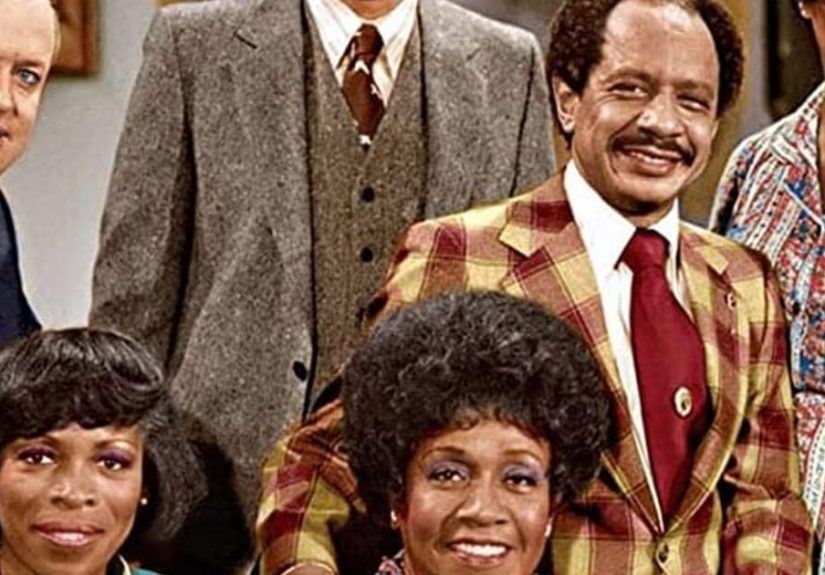
The Jeffersons centers on George Jefferson, a sharp-tongued, self-made dry-cleaning magnate, and his warm but no-nonsense wife, Louise (“Weezy”). After years of running a store in Queens, George’s success allows the family to move into a luxury high-rise on Manhattan’s East Sidea premise built around upward mobility and the tensions that come with it.
The core cast also includes their son Lionel, the wisecracking housekeeper Florence Johnston, and their neighbors Tom and Helen Willis, one of network TV’s first prominent interracial couples. The show’s humor comes from class clashes, generational differences, race-based misunderstandings, and George’s endless egooften punctured by Louise or Florence in spectacular fashion.
What keeps the show relevant today is how it uses comedy to poke at uncomfortable truths. Episodes don’t just reference racism and class barriersthey put them front and center and then dare the audience to laugh and think at the same time.
Best Seasons and Fan-Favorite Episodes
When people argue about The Jeffersons rankings, they’re usually talking about episodes and seasons. Fan-voted ranking sites and critics’ lists tend to agree on a handful of standouts that represent the show at its sharpest and funniest.
1. “Now You See It, Now You Don’t” (Parts 1 & 2)
Often placed at or near the top of “best episode” lists, this two-parter from season 6 digs into class, crime, and fear without losing its comic timing. George’s reaction to a robbery mixes bravado and vulnerability, and the storyline gives the ensemble cast room to shine. Fans love it for its mix of suspense, heart, and classic Jeffersons banter.
2. “The First Store”
This flashback-style episode takes viewers back to the early days of George’s dry-cleaning business. It ranks high because it fills in the emotional backstory: the sacrifices, setbacks, and stubborn determination that made George who he is. Viewers who only know him as a blustering businessman get to see the grind behind the success, which adds depth to later episodes.
3. “A Case of Black and White”
This episode tackles interracial marriage head-on, putting Tom and Helen Willis’s relationship under cultural and personal pressure. Rankings often highlight it as one of the show’s bravest half hours, balancing jokes with uncomfortable conversations that were often missing from mainstream TV at the time.
4. “A Case of Self-Defense”
Another frequently praised episode, “A Case of Self-Defense” explores gun ownership after Lionel and Jenny’s home is burglarized. George buys a gun against Louise’s wishes, only to experience a terrifying near-tragedy when their granddaughter finds it. It’s a tense, sobering storyline wrapped in a sitcom format, and many critics view it as a standout example of how the show took on serious issues without turning into a “Very Special Episode” lecture.
5. Other Notable Fan Favorites
Depending on the list, you’ll also see high rankings for:
- Episodes dealing with George’s rivalry with other business owners
- Florence’s attempts to strike out on her own
- Holiday episodes that mix family drama and high-rise hijinks
- Storylines where Louise pushes back on George’s snobbery and reminds him where they came from
These episodes rank well because they balance physical comedy, sharp dialogue, and real emotional stakes.
Character Rankings: Who Steals the Show?
Ask 10 fans to rank The Jeffersons characters and you’ll get 11 different lists, but a few patterns show up.
George Jefferson: The Reluctant Antihero
George usually takes the number one spot. He’s loud, stubborn, arrogant, and often wrongbut that’s exactly what makes him unforgettable. His constant hustling and refusal to accept limits are both his greatest strengths and biggest flaws. Many viewers see him as a complicated antihero: someone you laugh at, root for, and occasionally want to smack with his own briefcase.
Louise “Weezy” Jefferson: The Moral Center
Louise ranks just behind (or sometimes above) George in popularity. She’s the emotional anchor of the showcompassionate, grounded, and unafraid to call George out. While George represents the raw push for upward mobility, Louise reminds us that success without integrity and community isn’t really success at all.
Florence Johnston: Quip Queen and Scene Stealer
Many fans put Florence in their top three. As the Jeffersons’ housekeeper, she’s technically an employee, but in practice she’s a verbal sparring partner who can out-insult George on any given day. Her one-liners and eye-rolls are legendary, and she keeps the show’s energy high whenever she walks into a scene.
Tom and Helen Willis: Quietly Groundbreaking
Tom and Helen Willis may not dominate the screen in the same way as George and Florence, but their presence is historically significant. As an interracial couple on prime-time network TV, they pushed boundaries simply by existing. Their calm, often patient responses to George’s teasing and the outside world’s bias add a steady, thoughtful layer to the show.
Social Commentary: Why Critics Rank It So Highly
The Jeffersons doesn’t just rank well because it’s funny. It ranks well because it used comedy as a Trojan horse for big, uncomfortable topics.
Episodes explore:
- Racism and prejudice: Both overt slurs and subtle discrimination show up, often to be skewered by George’s sharp tongue or Louise’s calm wisdom.
- Class tensions: George’s new wealth leads him to look down on others, even as upper-crust neighbors look down on him. The show constantly asks: what happens when someone who wasn’t meant to be in the “club” gets in anyway?
- Interracial relationships: The Willises’ marriage is a recurring reality check on social norms of the time, with episodes that explore how family and strangers react to them.
- Serious issues like gun control, alcoholism, and illiteracy: These aren’t just plot devices; they’re handled with enough depth that episodes still feel relevant decades later.
Critics often argue that this combination of broad sitcom humor and pointed commentary is exactly why The Jeffersons earns such high marks in hindsight. It didn’t just entertain; it reflected and challenged the era’s attitudes in real time.
Modern Opinions: Does The Jeffersons Hold Up Today?
Watching The Jeffersons through a twenty-first-century lens, you’ll notice a few things immediately:
- The pacing is slower than today’s jump-cut sitcoms, giving jokes room to breathe.
- Some language and attitudes reflect the 1970s and 1980s and may feel jarring or offensive now.
- The laugh track and studio audience reactions are very “old-school,” which some viewers find charming and others find distracting.
Yet many modern viewers still rank the show highly for its honesty. Where some contemporary comedies hedge their social critique with irony, The Jeffersons often goes straight at the issue, then trusts the audience to handle it. For new fans discovering it via reruns or streaming, the show feels like both a time capsule and a mirroroutdated in style, but surprisingly current in what it’s willing to say.
In online forums and fan polls, you’ll see a mix of opinions: some viewers place it in their personal top five, others see it as a classic that paved the way for shows they love even more. But very few dismiss it outright. Even when it’s not someone’s favorite, they usually respect its impact.
How to Watch and Evaluate It for Yourself
If you’re building your own Jeffersons rankings, a simple viewing strategy helps:
- Start with highly ranked episodes. Begin with fan favorites like “Now You See It, Now You Don’t,” “The First Store,” and major social-issue episodes. They showcase the show at full power.
- Then watch early seasons to see the foundation. These episodes establish the core relationships and toneand you’ll appreciate later episodes more when you know where everyone started.
- Sprinkle in later seasons. You’ll see how the show adjusts to the 1980s, experiments with storylines, and occasionally revisits earlier themes with more maturity.
- Make your own rankings. Decide which episodes balance comedy and commentary best, which characters evolve the most, and where the show’s run peaks for you.
By the time you’ve sampled across the seasons, you’ll have your own strong opinionsand probably a new favorite Florence comeback.
Real-Life Experiences and Opinions About The Jeffersons
Beyond critics’ lists and fan polls, The Jeffersons also lives in personal memories: family living rooms, late-night reruns, lazy Sunday marathons, and streaming binges. Those experiences shape how people rank and talk about the show just as much as any expert review.
For many viewers who grew up with it, The Jeffersons was one of the first shows where they saw a Black family portrayed as wealthy, ambitious, and unapologetically complex. George wasn’t a flawless role model; he was stubborn, insecure, and often wrong. But that complexity made him feel human. Fans who watched as kids often say they didn’t fully understand the social issues at the timethey just laughed at George’s temper and Florence’s zingers. Revisiting the show as adults, they suddenly catch the layers: the microaggressions, the class anxiety, the marital tensions, the subtle ways Louise keeps the family grounded.
Viewers from different backgrounds often share similar yet distinct experiences. Some remember watching the show with older relatives who would pause during certain scenes to say, “Yep, that’s exactly how it was,” especially when the story touched on housing discrimination or workplace prejudice. Others recall the show as a rare moment when multiple generations could genuinely enjoy the same programkids laughing at the slapstick, parents and grandparents nodding at the social commentary.
Modern fans discovering The Jeffersons on streaming have a different entry point. Instead of waiting week to week, they can let episodes roll back-to-back. This binge-style viewing makes George’s character arc more visiblehis occasional growth spurts, his backslides into old habits, and the way his relationships deepen with Louise, Lionel, and Florence. New viewers often say the show feels “old, but not shallow.” The sets, wardrobes, and laugh track scream 1970s, but the arguments and awkward conversations feel eerily current.
There’s also a sentimental layer for viewers who grew up on later sitcoms that The Jeffersons influenced. If you love shows like The Fresh Prince of Bel-Air, Family Matters, or black-ish, watching The Jeffersons can feel like meeting their bold, slightly less polished ancestor. You can see echoes of George’s stubborn pride in future TV dads, and traces of Louise’s quiet strength in later TV moms. That sense of lineage leads many fans to bump The Jeffersons higher in their personal rankingsnot just for what it is, but for what it made possible.
Of course, not every viewing experience is rosy. Some younger viewers struggle with the period-specific language or jokes that land differently today. Instead of dismissing the show, many use those moments as conversation starters: Why did this joke work then? Why does it feel uncomfortable now? What has changedand what hasn’t? In that way, watching The Jeffersons becomes less about nostalgia and more about understanding how culture evolves.
When fans talk about their experiences online, a pattern emerges: even if they rank other sitcoms as “funnier” or “tighter,” The Jeffersons holds a special kind of respect. It’s the show that tried things. It was willing to let its lead character be wrong, to make the audience squirm a little, and to tackle issues that plenty of modern comedies still tiptoe around. That bravery, combined with consistently sharp performances, is why so many people’s opinions of The Jeffersons stay positiveeven as they debate which episode truly deserves that number one spot.
Conclusion: So, Where Should The Jeffersons Rank?
If you judge purely by laughs, The Jeffersons is a strong, joke-heavy sitcom with iconic performances and some truly top-tier episodes. If you judge by cultural impact, it’s a landmark show that helped redefine how Black families, interracial couples, and upward mobility could be portrayed on network television.
Put those together, and it’s easy to see why critics, fans, and TV historians consistently rank The Jeffersons as one of the most important and enduring sitcoms of its time. You don’t have to put it at number one on your personal listbut it’s hard to argue it doesn’t deserve a spot near the top when we talk about shows that changed television, not just filled a time slot.
SEO Summary
meta_title: The Jeffersons Rankings and Opinions
meta_description: Explore The Jeffersons rankings, best episodes, characters, and fan opinions, plus why this classic sitcom still matters today.
sapo: From its unforgettable “Movin’ On Up” theme song to its bold storylines about race, class, and success, The Jeffersons remains one of TV’s most influential sitcoms. This in-depth guide breaks down how critics and fans rank the series, which episodes rise to the top, and why George, Louise, Florence, and the Willises still resonate with modern audiences. Whether you’re rediscovering the show or watching it for the first time, you’ll find fresh insights, episode recommendations, and real-world viewing experiences that explain why The Jeffersons continues to “move on up” in sitcom rankings.
keywords: The Jeffersons rankings, The Jeffersons opinions, best episodes of The Jeffersons, classic 70s sitcoms, The Jeffersons characters, George Jefferson and Louise, The Jeffersons cultural impact