Table of Contents >> Show >> Hide
- Why the ’70s Are Back (and Why It Looks Better This Time)
- 1) Conversation Pits: The “Put Your Phone Down” Living Room
- 2) Wood Paneling: No Longer a Basement Punishment
- 3) Earth Tones: Ochre, Rust, Avocado, and Chocolate
- 4) Rattan, Cane, and Wicker: Natural Texture That Doesn’t Try Too Hard
- 5) Shag Rugs and Touchable Textures: The Cozy Comeback
- 6) Vintage Wallpaper and Pattern Drenching
- 7) Terrazzo and Retro Tile: Speckled, Playful, Surprisingly Timeless
- 8) Macramé and Fiber Art: Handmade Texture on the Walls
- 9) Burl Wood and High-Glow Finishes
- 10) The Return of the Den: Cozy, Flexible, and Slightly Rebellious
- How to Do ’70s Decor Without Turning Your Home Into a Time Capsule
- Conclusion: The ’70s Are BackBut You’re the Editor-in-Chief
- Real-World ’70s Revival: What It Feels Like to Live With These Trends
The 1970s are backand no, you don’t have to install a waterbed or commit to carpeted bathroom flooring to join the party.
Today’s revival is less “time capsule” and more “selective sampling”: designers are borrowing the decade’s warmth, texture,
and personality, then pairing it with cleaner lines, smarter layouts, and materials that don’t feel like they came free with a
musty basement.
If the last few years were all about airy neutrals and minimalist “don’t touch anything” vibes, the pendulum is swinging hard
toward spaces that feel lived-in. Think cozy, layered, imperfect-in-a-good-way. The ’70s happen to be the decade that basically
invented “hang out here for hours” interiorsso it makes sense that its greatest hits are trending again.
Why the ’70s Are Back (and Why It Looks Better This Time)
A few forces are pushing the ’70s revival: nostalgia, a craving for comfort, and a growing appreciation for natural materials.
People want homes that feel warmer and more personalless showroom, more sanctuary. You’ll also see more interest in vintage
and secondhand pieces, which naturally brings back old-school shapes, finishes, and colors. The result is a modern “groovy”
look that’s easier to live with than the original version.
1) Conversation Pits: The “Put Your Phone Down” Living Room
The conversation pitalso called a sunken living roomwas designed for one purpose: gathering. It’s intimate, loungy, and
very “come sit, spill the tea.” While original pits were literally recessed into the floor, the comeback is happening in two
ways: true architectural pits in remodels, and “faux pits” created with furniture arrangements.
Modern ways to get the look (without a jackhammer)
- Build a faux pit: Arrange a low sectional or modular sofa in a U-shape, add a deep coffee table, and anchor it with a plush rug.
- Use low storage as a boundary: Low cabinets or benches around seating can mimic the “contained” feel of a pit.
- Make it safer and more flexible: If you do a real pit, consider subtle railings, step lighting, and removable cushions.
The secret sauce is the “everyone faces each other” layout. In a world of open floor plans, a conversation pit (real or implied)
creates a cozy island that feels intentional.
2) Wood Paneling: No Longer a Basement Punishment
Wood paneling has re-entered the chatonly now it’s sleeker, lighter, and more “architectural detail” than “1976 rec room.”
Designers are using paneling to add warmth and texture, often pairing it with built-ins, tidy trim, or modern lighting so it
reads curated rather than dated.
How to do wood paneling the 2025 way
- Go partial: A single accent wall, a ceiling treatment, or a lower half-wall feels intentional.
- Choose the right tone: Lighter woods (or a modern stain) can keep things airy and current.
- Mix with smooth finishes: Balance wood with plaster, stone, or painted drywall for contrast.
If you want the warmth without the commitment, consider slatted panels, veneer-friendly modern systems, or even wood-look
millwork. The goal is depth and characternot “my uncle’s poker room.”
3) Earth Tones: Ochre, Rust, Avocado, and Chocolate
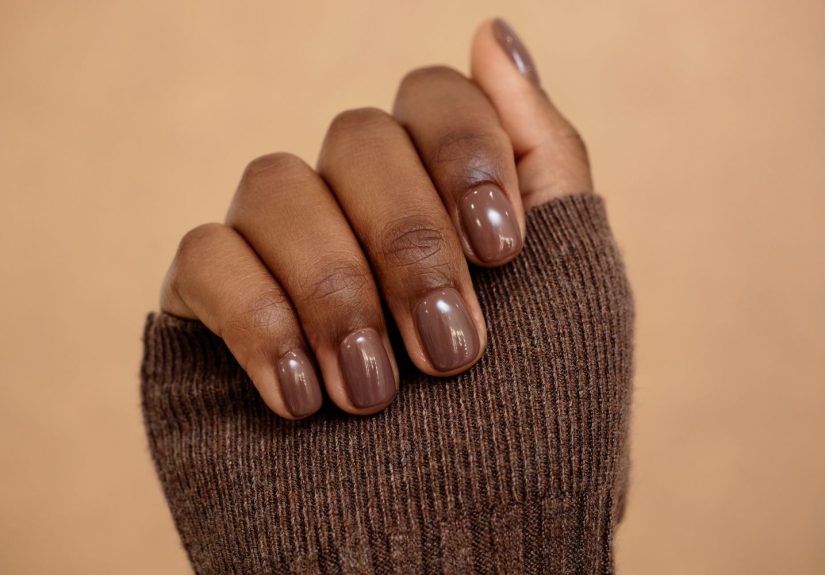
The ’70s color palette is basically a love letter to the outdoors: warm browns, clay reds, mustardy golds, mossy greens.
Those tones are returning because they make rooms feel grounded. And unlike icy grays, they’re forgiving in real-life spaces
with kids, pets, and the occasional coffee spill.
Easy ways to work ’70s color into a modern home
- Start small: Try an ochre throw, an olive accent chair, or rust-toned pillows before painting a whole room.
- Use “dirty” neutrals: Swap stark white for creamy off-white, warm beige, or mushroom gray.
- Pair with modern contrast: Earth tones look sharp with black accents, warm metals, and clean-lined furniture.
Want a quick win? Add one deep, warm shade in a “touch point” areaan entry bench, a powder room, or a reading nookand keep
the rest of the palette calm.
4) Rattan, Cane, and Wicker: Natural Texture That Doesn’t Try Too Hard
Rattan and cane were everywhere in the ’70s, and they’re back for a simple reason: they’re light, textured, and instantly
cozy. They also fit today’s interest in natural materials and relaxed, breathable rooms.
Where rattan looks best right now
- Lighting: A woven pendant or table lamp warms up a room without making it feel busy.
- Casegoods: Cane-front cabinets and nightstands add texture while still feeling clean-lined.
- Accent seating: One rattan chair can bring a breezy, vintage notewithout turning your living room into a tiki bar.
The modern rule: one or two pieces per room, then balance with solid materials like wood, metal, or upholstery. That keeps it
chic instead of “boho overload.”
5) Shag Rugs and Touchable Textures: The Cozy Comeback
Texture is having a moment because comfort is having a moment. That’s why shaggier, chunkier, more dimensional rugs are back
not necessarily as wall-to-wall carpet (deep breath), but as area rugs that add softness, sound absorption, and that “sink your
feet in” vibe.
Modern texture layers that nod to the ’70s
- Shag or high-pile rugs in neutral or earthy tones
- Velvet and corduroy upholstery for depth and a little retro swagger
- Chunky knits and woven throws
- Bouclé (not a ’70s original, but it plays nicely with ’70s shapes)
If you love the idea of shag but fear the vacuum: choose a smaller rug for a reading corner or bedroom, and keep it away from
the most high-traffic “crumb zones.”
6) Vintage Wallpaper and Pattern Drenching
The ’70s were not shy about patternflorals, geometrics, wavy lines, and murals. Today’s version is more strategic: a bold
wallpaper in a powder room, a framed wallpaper panel like art, or one “pattern moment” balanced by calmer solids.
How to use ’70s-inspired wallpaper without getting dizzy
- Try it in small rooms: Powder rooms, laundry rooms, and hallways can handle drama.
- Use removable wallpaper: Great for renters or commitment-phobes.
- Frame it: Put wallpaper in a large frame or behind molding for a polished, modern look.
If your style leans minimal, pick a pattern with a limited palette (two or three colors) so it feels graphic and modern instead
of chaotic.
7) Terrazzo and Retro Tile: Speckled, Playful, Surprisingly Timeless
Terrazzo is one of those materials that can read vintage or contemporary depending on how you use it. That’s why it keeps
returning: it’s durable, visually interesting, and looks just as good in a modern bathroom as it does in a retro-inspired entry.
Where terrazzo works beautifully
- Bathrooms: Floors, shower niches, or vanity countertops for a punch of pattern.
- Entryways: High-traffic areas benefit from a hard-working, forgiving surface.
- Accessories: Terrazzo trays, planters, and side tables add the vibe without major construction.
Pro tip: If full terrazzo isn’t in your budget, look for terrazzo-look porcelain or composite options. You’ll get the speckled
charm with easier installation.
8) Macramé and Fiber Art: Handmade Texture on the Walls
Macramé is back because people are craving tactile, handcrafted decor. It’s soft, sculptural, and adds warmth in a way that
framed prints sometimes can’t. The modern twist is scale and restraint: one strong piece (or a small grouping) instead of
turning every wall into a craft fair booth.
Make macramé feel current
- Choose a cleaner design: Look for simpler knots and fewer dangling fringes if you prefer modern style.
- Pair with modern art: A fiber piece next to a bold abstract print creates a cool high-low contrast.
- Use it as texture, not theme: One macramé moment can be enough to soften a room.
9) Burl Wood and High-Glow Finishes
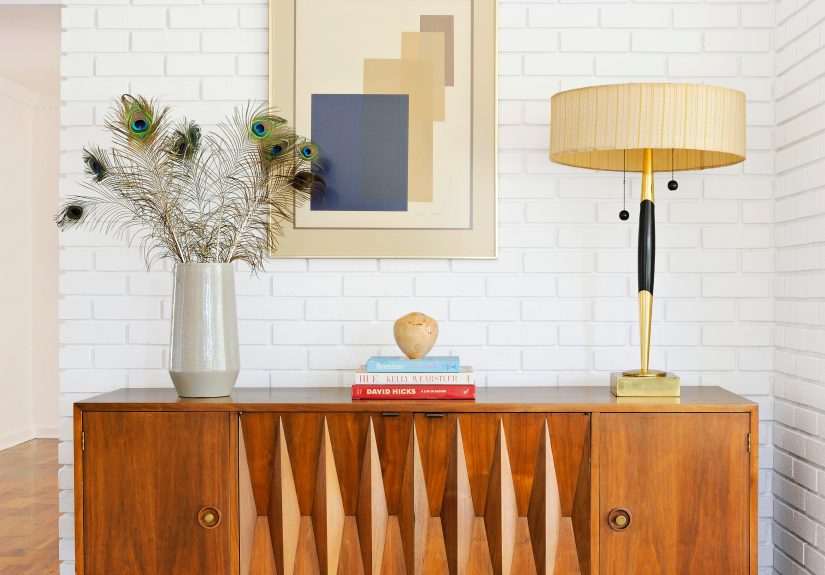
Burl wood is the ’70s “weird luxury” trend that designers keep welcoming back. The swirling grain pattern looks bold and
expensivelike nature decided to do graphic design. When paired with simple silhouettes, burl feels modern and elevated
rather than retro kitsch.
Where burl wood shines (literally and figuratively)
- Small furniture: Side tables, nightstands, or a console can be the star without overwhelming the room.
- Mixed materials: Combine burl with stone, metal, or lacquer for a fresh look.
- Keep the rest calm: Let burl be the statement; don’t compete with five other loud patterns.
Bonus: glossy finisheslacquer, high-sheen paint, even mirrored accentsalso echo the decade’s glam side. Just keep them as
accents so your home doesn’t feel like a disco ball exploded.
10) The Return of the Den: Cozy, Flexible, and Slightly Rebellious
The den is making a comeback because people want rooms that do more than one job. The ’70s embraced casual, multipurpose spaces:
places to read, watch movies, listen to music, work on hobbies, or just flop dramatically like a soap opera character.
(We support this.)
How to create a modern den with ’70s energy
- Prioritize comfort: Deep seating, warm lighting, and a soft rug are non-negotiable.
- Layer lighting: Use table lamps, floor lamps, and dimmable overheads for that cozy glow.
- Add one “retro signature”: A warm paint color, a textured wall, or a vintage-inspired rug is enough.
A den doesn’t need a dedicated room. A corner of the living room, a finished basement, or even a wide hallway can become a
“hangout zone” if you define it with lighting, seating, and a little visual boundary.
How to Do ’70s Decor Without Turning Your Home Into a Time Capsule
The best comebacks are edited. Here’s how to keep the look modern, livable, and very much “you”:
- Pick one lead singer: Choose one main ’70s element (color, texture, furniture shape) and let everything else be backup vocals.
- Mix eras on purpose: Pair a vintage-looking rug with modern art. Combine a curvy sofa with a clean-lined coffee table.
- Balance warm with crisp: Earth tones love contrastblack accents, warm whites, and simple silhouettes keep things sharp.
- Use “rentable” commitment first: Try paint, textiles, removable wallpaper, and lighting before permanent changes.
- Remember function: A trend that looks great but annoys you daily will not spark joy. It will spark regret.
Conclusion: The ’70s Are BackBut You’re the Editor-in-Chief
The reason these ’70s decor trends are making a comeback is simple: they make homes feel good. Warm colors, natural textures,
cozy rugs, and conversation-friendly layouts are the antidote to sterile spaces. The modern approach is about choosing the
best partscomfort, character, and craftsmanshipwithout recreating every single design decision the decade ever made.
(Your future self thanks you.)
Real-World ’70s Revival: What It Feels Like to Live With These Trends
Let’s talk about the part glossy inspiration photos don’t always mention: the day-to-day experience. In real homes, the ’70s
comeback can feel amazingif you apply it like seasoning, not like a full-body marinade.
Take conversation pit energy, for example. Homeowners who recreate that “sunken lounge” vibe with a low sectional
often say it changes how people gather. The seating arrangement naturally pulls everyone into the same orbit. Movie nights feel
cozier. Friends linger longer. Even a quick catch-up turns into a “wait, how is it midnight?” situation. The main lesson:
comfort creates connection. The trade-off is practicalitysuper low seating can be tough for some guests, so mixing in a
supportive chair or an ottoman that doubles as a perch keeps the space welcoming for everyone.
With wood paneling, the biggest real-life win is warmth. A paneled wall can make a room feel finished, like it
has architecturenot just furniture pushed against drywall. People who try modern paneling often mention that it “quietly upgrades”
the whole space: it looks expensive even when the rest of the room is simple. The day-to-day note here is maintenance and balance.
Darker paneling shows dust more easily, and highly textured wood can collect it in the grooves. If you love the look but want low
fuss, a smoother panel profile (or a partial application) keeps it from becoming a weekly cleaning hobby.
The earth-tone palette is probably the most “liveable” trend of the bunch. Rust, ochre, olive, and chocolate have
a way of making a house feel calmerespecially at night under warm lighting. People also find these colors are forgiving with wear
and tear; scuffs and smudges don’t shout the way they do on bright white walls. The most common “oops” is going too dark too fast.
A deep brown room can feel cozy… or cave-like. A good compromise is using earthy tones on lower walls, built-ins, or an accent wall,
then keeping ceilings and trim lighter to bounce light around.
Shag and high-pile rugs are the definition of sensory comfort. Many people describe that first step onto a plush rug
as instant relaxationlike your floor is giving you a tiny hug. But yes, rugs have demands. High-pile styles can trap crumbs,
pet hair, and whatever mystery glitter entered your home in 2019 and never left. The practical workaround is placement and scale:
put the shaggier rug where shoes don’t stomp in daily (bedrooms, reading corners), and choose a tighter, more low-pile option for
entryways or dining spaces. The “real” experience is learning that the coziest things sometimes require a slightly better vacuum.
Finally, vintage wallpaper and bold pattern can be pure joy when done thoughtfully. People often report that a
patterned powder room becomes a favorite spotbecause it’s small, dramatic, and doesn’t take over the whole house. The lesson from
real homes is to test your tolerance. A pattern you love for two minutes online might feel loud after two months in real life.
Framing wallpaper as art, choosing one accent wall, or using removable wallpaper helps you enjoy the fun without feeling trapped
by it. In other words: commit like a grown-up, but keep an escape hatch like a genius.
The best “experience-based” takeaway is this: the ’70s comeback works when it improves how your home feels and functions. If a trend
makes your space warmer, friendlier, or easier to relax in, it’s not just styleit’s quality of life. And that’s a comeback worth
celebrating.