Table of Contents >> Show >> Hide
- What Is Bookshelf Wealth, Exactly?
- Why This Trend Feels So Timely
- The Real Debate: Personality vs. Practicality
- How to Try the Trend Without Losing Control of the Room
- Where Bookshelf Wealth Works Best
- Common Mistakes That Make the Trend Look Bad
- So, Is This Trend Worth Trying?
- Experience and Perspective: Why This Trend Feels So Personal
- Conclusion
For years, the decorating gospel sounded almost aggressive in its simplicity: declutter, neutralize, hide the cords, and for the love of throw pillows, put everything in a basket. Then the pendulum swung. Suddenly, shelves got fuller, coffee tables got busier, and rooms started looking a little more like someone actually lived in them. That shift has helped push one of the most hotly debated looks in home decor into the spotlight: bookshelf wealth.
If you have not heard the phrase yet, do not worry. It sounds like a finance strategy for people who alphabetize their paperbacks. In design, though, bookshelf wealth is the layered, collected, slightly clutter-friendly trend that celebrates books, framed art, pottery, candlesticks, found objects, and all the little things that make a home feel personal. Supporters say it brings warmth, character, and charm. Critics say it looks messy, dusty, and suspiciously like you forgot to finish tidying up before guests arrived.
And that is exactly why people cannot stop talking about it. In a world saturated with staged interiors and pristine beige rooms, bookshelf wealth feels refreshingly human. At the same time, it can easily cross the line from “beautifully collected” to “someone call a professional organizer.” This article breaks down what the trend is, why it is resonating, why it is sparking debate, and how to pull it off without making your home look like a thrift store exploded in slow motion.
What Is Bookshelf Wealth, Exactly?
At its core, bookshelf wealth is a decorating style that embraces abundance, layering, and visible personality. It usually shows up in bookcases, built-ins, mantels, sideboards, and open shelving, but the idea reaches beyond shelves. A bookshelf wealth room often includes stacked books, collected objects, mixed materials, vintage finds, family photos, sculptural decor, and art leaned instead of perfectly hung. It is less about matching sets and more about a room that tells a story.
This trend sits somewhere between maximalism, collected interiors, and the softer edge of cluttercore. The difference is intention. Bookshelf wealth is not random accumulation. It is curated abundance. The room should feel layered, not chaotic; rich with meaning, not weighed down by visual noise.
That distinction matters, because the whole debate often hinges on a single question: is this trend elevated and expressive, or is it just clutter with a really good publicist?
Why People Love It
The biggest reason bookshelf wealth has taken off is emotional. Clean-lined minimalism can look beautiful, but it can also feel a bit like a boutique hotel lobby that politely asks you not to touch anything. Bookshelf wealth, by contrast, feels lived in. It suggests curiosity, memory, travel, taste, and a life that did not begin and end at one big-box checkout lane.
It also works as a quiet rebellion against perfection. People are tired of homes that look camera-ready every second of the day. They want spaces with depth. They want rooms that reflect hobbies, family history, favorite authors, flea-market luck, and objects collected over time. A shelf filled with novels, ceramics, and a weird little brass bird from an antique shop says more about a person than an empty shelf styled with two neutral boxes and a single decorative knot ever could.
There is also a practical appeal. Many homeowners and renters already own the ingredients for this look. Instead of buying a whole new aesthetic, they can work with books, heirlooms, art, and pieces they already have. That gives the trend a more sustainable edge than highly disposable decor cycles.
Why Other People Roll Their Eyes
Now for the side-eye. Not everyone sees a layered shelf and thinks, “How soulful.” Some see a dust trap. Others see a visual migraine. And honestly, they are not entirely wrong. A clutter-friendly design trend can go south fast.
Critics argue that bookshelf wealth is difficult to maintain, especially in smaller homes. Too many objects can shrink a room visually, make storage less functional, and create a background hum of stress. If every surface is occupied, nothing gets to breathe. Instead of feeling cozy, the room starts to feel crowded.
There is also a class-coded debate hiding underneath the design conversation. The word “wealth” in bookshelf wealth points to a look associated with old libraries, inherited collections, and homes filled over decades. Some people find that aspirational. Others find it a little performative, particularly when the “collected” effect is achieved by buying brand-new decor designed to look old and meaningful. Nothing says “timeless literary charm” quite like a stack of fake books wrapped in plastic, apparently.
Why This Trend Feels So Timely
Design trends rarely appear out of nowhere. They usually rise as a reaction to whatever came before them. In this case, bookshelf wealth gained momentum after years of ultra-edited interiors dominated by stark minimalism, all-white palettes, and sparse styling. Many homeowners began craving warmth, softness, and individuality.
That broader shift aligns with several changes in how people think about home. More people now expect their spaces to do more: work, rest, entertain, store, and reflect personality all at once. As a result, a home that looks layered and lived in feels more realistic than one stripped down to three objects and a candle with commitment issues.
There is also a nostalgia factor. Bookshelf wealth taps into a longing for homes that feel established rather than instantly assembled. It nods to old libraries, cozy studies, English-inspired decorating, and rooms filled slowly over time. Even when done in a modern apartment, the look suggests permanence and comfort. In a culture that moves fast and refreshes constantly, that mood has powerful appeal.
The Real Debate: Personality vs. Practicality
The argument over this trend is not really about shelves. It is about what people want their homes to do.
For one camp, home should feel expressive. A room should reveal interests, memories, and quirks. That means visible books, art, objects, and a little glorious imperfection. These people tend to see emptier rooms as cold or impersonal.
For the other camp, home should support calm. That means open surfaces, fewer distractions, and easier cleaning. These people tend to see highly layered styling as stressful, high-maintenance, or even fake if it is too carefully “messy.”
Both sides have a point. The best interiors usually balance the two. A home can be personal without being chaotic. It can be serene without looking like nobody has hobbies. The smartest version of bookshelf wealth understands that curation matters as much as collection.
How to Try the Trend Without Losing Control of the Room
If you love the warmth of this style but fear slipping into accidental chaos, the trick is to treat bookshelf wealth as a strategy, not an excuse. “More” is not the whole formula. Thoughtful more is the formula.
1. Start With One Zone
Do not attempt to “wealth” your entire home in one weekend. Start with one bookshelf, one console, or one corner. That keeps the look intentional and lets you see how much visual density your space can handle.
A single styled area can bring charm to a room without making the whole house feel crowded. It also gives the eye a focal point instead of a full-blown scavenger hunt.
2. Mix Decorative and Useful Items
The prettiest shelves usually include a mix of practical and decorative pieces. Books ground the display. Bowls, vases, boxes, and trays add shape. Framed photos and small artworks make it feel personal. Natural materials like wood, marble, brass, rattan, and ceramic keep the arrangement textured and interesting.
What you want to avoid is a shelf full of objects that all do the same thing visually. If everything is tiny, shiny, or similarly colored, the shelf can read as clutter. Variation creates rhythm.
3. Use Negative Space Like a Grown-Up
This is where many people go wrong. Bookshelf wealth does not mean every inch should be filled. Empty space gives the objects around it more impact. It also keeps the room from feeling frantic.
Try leaving a few stretches of shelf open. Stack some books horizontally, line others vertically, and place a single object on top of a stack. Give your favorite pieces room to stand out. A shelf with breathing room looks curated. A shelf packed edge to edge looks like moving day.
4. Stick to a Loose Color Story
You do not need a rigid palette, but some visual consistency helps. Maybe your room leans warm with rust, olive, cream, and walnut. Maybe it is moodier with black, brass, oxblood, and dark green. When your objects share some tonal harmony, the shelf feels collected rather than chaotic.
This is especially useful if you have lots of books with wildly different spines. You do not need to turn every book backward like a design crime scene, but anchoring them with similarly toned objects can calm the overall look.
5. Edit Ruthlessly
The most successful clutter-friendly spaces still involve editing. If an object is broken, meaningless, or only living on your shelf because you feel vaguely guilty about it, it may be time to let it go. Bookshelf wealth should highlight what matters, not preserve every random souvenir from the age of mall kiosks.
A good rule is to remove at least one thing every time you add something new. That keeps the display from expanding into a full territorial takeover.
Where Bookshelf Wealth Works Best
This trend shines in rooms that benefit from warmth and personality. Living rooms are the obvious choice, especially around fireplaces, built-ins, and media consoles. Home offices also suit the look because books and layered decor naturally support a thoughtful, creative atmosphere.
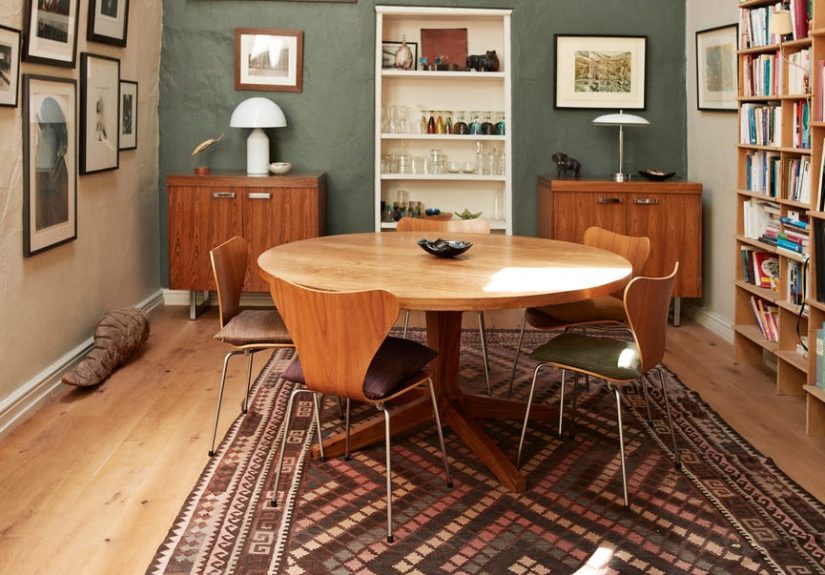
Bedrooms can handle a softer version of the trend with stacked books on nightstands, framed art on dressers, and collected objects that feel calming rather than busy. Dining rooms are another great spot, especially with hutches or sideboards that can carry ceramics, serving pieces, and vintage finds.
Where you should be more cautious is in already cramped spaces or high-function zones. Tiny kitchens, narrow hallways, and chaotic family drop zones do not always benefit from extra visual density. In those areas, practicality should probably win.
Common Mistakes That Make the Trend Look Bad
The first mistake is confusing personal with piled-up. A room full of meaningful objects still needs order. Without variation in scale, spacing, and material, the result can feel flat and overwhelming.
The second mistake is copying the look too literally. If you buy a cart full of “vintage-inspired” filler decor in one afternoon, the room may end up looking like a themed display instead of a lived-in home. The charm of bookshelf wealth comes from authenticity. Real books help. Real memories help more.
The third mistake is ignoring maintenance. Dusting is not glamorous, but neither is watching your curated shelf slowly become a historical archive of household lint. If you love layered styling, you have to be willing to care for it.
So, Is This Trend Worth Trying?
Yes, with a giant asterisk shaped like a feather duster.
Bookshelf wealth works when it is rooted in personality, restraint, and a little visual discipline. It fails when it becomes an excuse to keep everything, buy meaningless props, or cover every surface until the room feels claustrophobic. The trend is most compelling when it reflects a real life: favorite books, inherited pieces, collected art, functional storage, and a few oddball objects that make you smile for no logical reason.
In other words, the debate itself is useful. It reminds us that design is not only about what looks good online. It is about how a room feels to live in. If a layered shelf makes your home feel richer, warmer, and more like you, that is a win. If it raises your stress level every time you walk past it, you have permission to back away slowly and embrace fewer objects. Decor should serve the people in the room, not the trend forecast.
Experience and Perspective: Why This Trend Feels So Personal
One reason bookshelf wealth sparks such strong reactions is that almost everyone has some emotional history with “stuff.” For some people, a full shelf reads as comfort. It recalls grandparents’ houses, old libraries, family dens, and homes where objects were kept because they carried memory. A room with books, ceramics, framed snapshots, and mismatched treasures can feel warm before anyone even sits down. It signals that the space has been lived in, loved, and layered over time.
For others, the exact same room can trigger the opposite response. A packed console or busy bookcase may feel like unfinished cleaning. It can bring back memories of cramped apartments, overfilled closets, or households where surfaces were never clear enough to relax. That is why this trend is so interesting: people are not just reacting to design. They are reacting to experience.
In real life, most homes land somewhere in the middle. A young renter might love the look because it allows them to decorate affordably with books, thrifted frames, flea-market finds, and hand-me-down pieces that already have character. A parent may appreciate the warmth of the trend but still want enough empty space to keep daily life manageable. Someone working from home may discover that a layered background feels inspiring on Monday and distracting by Thursday. The same setup can feel charming one week and visually loud the next, depending on season, stress level, and how much laundry exists just outside the camera frame.
That is also why the best versions of bookshelf wealth tend to evolve slowly. The most convincing rooms are rarely installed all at once. They grow. A vase picked up while traveling ends up beside a favorite novel. A framed sketch from years ago finally gets a proper place. A bowl inherited from a relative becomes the unexpected anchor on a shelf. Over time, the room starts to feel less “styled” and more autobiographical. That sense of authenticity is hard to fake and easy to recognize.
At the same time, experience teaches an important lesson: clutter-friendly does not mean consequence-free. Many people love the romance of layered decor until they have to dust it, move it, or search for the one bill they swore they left on the table. Living with this trend successfully usually means adjusting it to your habits, not forcing yourself to become the kind of person who enjoys reorganizing decorative objects every Saturday morning. If you are naturally tidy, a lighter version may feel best. If you enjoy collecting and arranging, you may thrive with denser styling.
That is probably the most honest takeaway from the debate. Bookshelf wealth is not universally right or wrong. It simply magnifies whatever your relationship with home already is. If your favorite spaces are rich with memory, texture, and story, the trend will probably feel deeply satisfying. If peace for you looks like clean counters and visual quiet, you can borrow the spirit of the trend without embracing all the layers. Either way, the conversation around it has value because it pushes people to decorate more intentionally. And in a world of copy-paste interiors, intentionality is a pretty luxurious thing.
Conclusion
Bookshelf wealth has become a lightning rod because it touches a nerve in modern decorating. It asks whether homes should look pristine or personal, edited or expressive, minimalist or memorably lived in. The answer, for most people, is not one extreme or the other. It is a thoughtful middle ground where beauty meets function and personality does not overwhelm peace.
If you are drawn to this clutter-friendly design trend, the smartest move is to borrow its best idea: surround yourself with things that matter, then style them with enough restraint that they can actually be seen. That way, your home feels layered, welcoming, and uniquely yours, not like a storage problem wearing a vintage blazer.