Table of Contents >> Show >> Hide
- Why This “Three-Herb” Combo Works
- Recipe at a Glance
- Ingredients
- Step-by-Step Instructions
- Pro Tips for Restaurant-Style Results
- Easy Variations
- What to Serve With Three-Herb Chicken and Mushrooms
- Make-Ahead, Storage, and Reheating
- FAQ
- Kitchen Stories & Real-Life Moments (An Extra of “Yep, Been There”)
- Conclusion
- SEO Tags
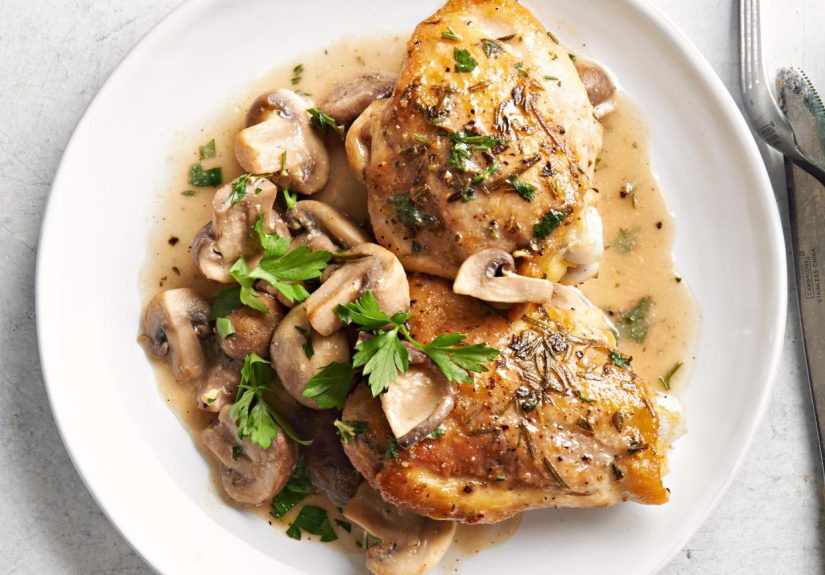
If “What’s for dinner?” is your household’s most dramatic daily question, this three-herb chicken and mushrooms recipe is the calm, cozy answer. It’s a one-skillet meal with golden chicken, deeply savory mushrooms, and a glossy pan sauce that tastes like you did something fancy… even if you cooked in sweatpants and negotiated with a smoke detector.
The magic here is simple: build flavor in layers (sear chicken, brown mushrooms, deglaze the pan), then finish with a fresh herb trio that makes the whole thing smell like you own a tiny farmhouse and a very healthy herb garden. The result is an herby chicken and mushrooms dinner that feels special enough for guests, but easy enough for a Tuesday.
Why This “Three-Herb” Combo Works
This recipe leans on a classic, crowd-pleasing trio: rosemary, thyme, and parsley. Each one plays a different role:
- Rosemary brings piney, woodsy depth that stands up to chicken and mushrooms.
- Thyme adds gentle earthiness and that cozy “roast chicken” vibe.
- Parsley wakes everything up at the end, adding freshness so the sauce doesn’t feel heavy.
Pro move: add the sturdier herbs (rosemary, thyme) earlier to infuse the sauce, then add parsley at the end so it stays bright and fragrant.
Recipe at a Glance
- Style: One-pan skillet chicken and mushrooms
- Time: About 40–50 minutes
- Skill level: Friendly to beginners, rewarding for food nerds
- Best for: Weeknights, dinner guests, “I need comfort food” evenings
Ingredients
Main Ingredients
- Chicken: 4 bone-in, skin-on chicken thighs (about 2 to 2 1/2 pounds). (Boneless thighs work toosee variations.)
- Mushrooms: 12 ounces cremini or button mushrooms, sliced (or a mix for extra flavor)
- Aromatics: 1 small shallot (or 1/2 small onion), finely chopped; 3 cloves garlic, minced
Herbs
- 1 tablespoon chopped fresh rosemary, divided
- 1 tablespoon chopped fresh thyme, divided
- 1/4 cup chopped fresh parsley, divided
For the Sauce
- 1 1/4 cups low-sodium chicken broth
- 1 to 2 teaspoons Dijon mustard (optional, but highly recommended)
- 1 tablespoon lemon juice (optional, for brightness)
- 2 tablespoons all-purpose flour (or see thickening options below)
- 2 tablespoons unsalted butter
- 1 to 2 tablespoons olive oil (as needed)
- Kosher salt and black pepper
Optional (not required): If your household already keeps dry white wine for cooking, you can replace 1/2 cup of the broth with wine for a more classic pan sauce flavor. If not, broth + lemon still tastes fantastic.
Step-by-Step Instructions
1) Season and prep the chicken
Pat the chicken thighs dry with paper towels (dry skin = crispier skin). Season generously with salt and pepper. Lightly dust the chicken with about 1 tablespoon of the flour (this helps browning and gives the sauce a little body later). Shake off excess.
2) Sear until golden (hello, fond)
Heat a large skillet (12-inch is ideal) over medium-high heat. Add 1 tablespoon olive oil. Place chicken skin-side down and cook without moving it for 6–8 minutes, until the skin is deeply golden and releases easily. Flip and cook 3 minutes more.
Transfer chicken to a plate. Carefully pour off excess fat, leaving about 2 tablespoons in the skillet (that’s flavor, not clutter).
3) Cook the mushrooms the right way
Turn heat to medium-high. Add mushrooms in an even layer. If your skillet is crowded, cook them in two batchesmushrooms hate being crowded because they steam instead of brown.
Cook 6–8 minutes, stirring occasionally, until they’ve released their moisture and start browning. Add the shallot and cook 1–2 minutes. Add garlic and cook 30 seconds, just until fragrant.
4) Build the sauce
Sprinkle in the remaining 1 tablespoon flour. Stir for 30–60 seconds to coat the mushrooms (this prevents a raw flour taste and helps thicken the sauce smoothly).
Slowly pour in the broth while scraping up the browned bits from the pan. Stir in Dijon mustard. Add half the rosemary and thyme (save the rest for the end). Bring to a gentle simmer.
5) Finish cooking the chicken in the sauce
Return chicken to the skillet, skin-side up, along with any juices on the plate. Reduce heat to medium-low. Cover and simmer 12–18 minutes (time depends on thigh size), until the thickest part of the chicken reaches 165°F on a thermometer.
6) Add butter + herbs for the “wow” finish
Turn off heat. Stir in butter until glossy. Add the remaining rosemary and thyme, plus most of the parsley. Taste and adjust salt and pepper. Add lemon juice if you want the sauce brighter and more “restaurant-y.”
7) Serve
Spoon mushrooms and sauce over the chicken. Sprinkle the remaining parsley on top like you’re starring in a cooking show, and you totally are.
Pro Tips for Restaurant-Style Results
Use a thermometer (your future self will thank you)
Chicken is safest and best when cooked to 165°F in the thickest part. This avoids guesswork and prevents the classic tragedy of “looks done” but isn’tor the equally tragic “dry as printer paper.”
Don’t rush browning
That golden crust on the chicken creates fond (the browned bits stuck to the pan). When you add broth and scrape, that fond becomes the backbone of your sauce.
Mushrooms: steam vs. sear
If mushrooms are piled up, they’ll release water and steam. Give them space (or cook in batches) so they brown and taste meaty instead of wet.
Herb timing matters
Woody herbs like rosemary and thyme can handle simmering and will infuse the sauce. Parsley shines when added near the end so it stays fresh and aromatic.
Easy Variations
Make it a creamy herb chicken and mushrooms
After the chicken is cooked, stir in 1/4 cup heavy cream (or a spoonful of crème fraîche) off heat. Keep it gentleno aggressive boilingso it stays silky.
Boneless thighs or chicken breasts
- Boneless thighs: Sear 4–5 minutes per side; simmer shorter (usually 6–10 minutes).
- Breasts: Pound to even thickness for even cooking. Watch closely so they don’t dry out. Use the thermometer, always.
Gluten-free thickening
Skip the flour. Simmer the sauce a bit longer to reduce, or whisk 1 teaspoon cornstarch with 1 tablespoon cold water and stir it in near the end.
More veggies, same skillet
Add a couple handfuls of baby spinach at the end until wilted, or toss in frozen peas during the last 3 minutes of simmering.
What to Serve With Three-Herb Chicken and Mushrooms
This dish makes extra sauce on purposebecause life is hard and sauce helps. Great pairings:
- Mashed potatoes (classic gravy vibes)
- Egg noodles or buttered pasta
- Rice (white, brown, or herby pilaf)
- Crusty bread for pan-sauce clean-up duty
- Simple salad with lemony vinaigrette to balance richness
Make-Ahead, Storage, and Reheating
- Make-ahead: Chop herbs and slice mushrooms up to 24 hours ahead. Store herbs wrapped in a slightly damp paper towel in the fridge.
- Storage: Refrigerate leftovers in an airtight container for up to 3–4 days.
- Reheating: Warm gently in a skillet over medium-low with a splash of broth to loosen the sauce. Avoid high heat so the chicken stays tender.
- Freezing: You can freeze, but the sauce texture may change slightly. If freezing, cool completely and freeze up to 2 months.
FAQ
Can I use dried herbs instead of fresh?
Yes. Dried herbs are more concentrated. A common guideline is to use about one-third the amount of dried herbs compared to fresh. For parsley, fresh is best for flavor and color, but dried can work in a pinch.
What mushrooms are best?
Cremini are a great “everyday fancy” choicedeeper flavor than white button mushrooms. A mix (cremini + shiitake) tastes even more savory.
My sauce is too thin. Help?
Simmer uncovered for a few minutes to reduce, or whisk a small cornstarch slurry (1 teaspoon cornstarch + 1 tablespoon cold water) and stir it in.
My sauce is too thick. Help?
Add broth 1–2 tablespoons at a time until it loosens up. Taste again and adjust seasoning.
Can I make this without mushrooms?
Absolutely. Swap in sliced onions, zucchini, or even a big handful of spinach at the end. The three-herb pan sauce still shines.
Kitchen Stories & Real-Life Moments (An Extra of “Yep, Been There”)
There’s something about a skillet dinner that feels like a tiny life upgrade. Maybe it’s the sizzle when the chicken hits the pan, or the way the kitchen suddenly smells like you have your act together. If you’ve ever tried to cook “a simple chicken dinner” and somehow ended up with five dirty bowls and one mysterious sticky spoon, this recipe is the opposite of that energy.
One of the most relatable moments with chicken and mushrooms is the mushroom betrayal: you buy a big carton, slice them up confidently, and toss them into the skillet… only to watch them shrink into a suspiciously small pile. It’s not personalmushrooms are basically edible sponges full of water. The good news is that once they give up that moisture and start browning, they transform into these savory little flavor bombs that make the sauce taste like it’s been simmering all afternoon. The trick is patience, and occasionally resisting the urge to poke them every two seconds like they’re going to run away.
Then there’s the herb situation. If you’ve ever bought fresh herbs for one recipe and then found them a week later looking like they lost a fight with your produce drawer… you’re not alone. This is why the three-herb approach is sneaky-smart: rosemary and thyme are sturdy, so they last longer than more delicate herbs. Parsley is the “use it now” friendbright, perky, and best when it shows up right at the end. A practical move is to chop everything at once, then divide it: some goes in early to perfume the sauce, and the rest gets sprinkled on top like confetti for responsible adults.
And let’s talk about the pan saucebecause pan sauce is one of those cooking skills that feels like a secret handshake. You sear chicken, you get browned bits (fond), and suddenly your skillet is a flavor scrapbook. When you pour in broth and scrape, it’s oddly satisfying, like erasing a whiteboard except the whiteboard is delicious. Dijon mustard is optional here, but it adds a gentle tang that makes people pause mid-bite and go, “Wait… what is that?” in the best way. If you skip it, you still get a cozy, savory sauce. If you use it, you get a sauce that feels like it knows how to dress for dinner.
This is also the kind of meal that creates tiny, specific memories. The clink of a spoon against the skillet while you taste the sauce. The moment you realize you should have made double because everyone is quietly going back for “just a little more.” The accidental success of serving it over whatever starch you had on handrice, noodles, mashed potatoes, even toastbecause the sauce doesn’t judge. And the best part? The next day’s leftovers, when the flavors have had time to mingle and you feel like you meal-prepped on purpose (even if you absolutely did not).
So if you want a dinner that’s warm, herby, and wildly comforting without being complicated, this three-herb chicken and mushrooms recipe fits the moment. It’s practical, it’s impressive, and it makes your kitchen smell like you’ve been cooking all dayeven when you definitely haven’t.
Conclusion
Three-herb chicken and mushrooms is one of those reliable recipes you’ll keep circling back to: one pan, big flavor, and a sauce that turns “just chicken” into a meal that feels special. Whether you keep it classic, make it creamy, or swap in what you have, the technique stays the samesear, brown, deglaze, finish with herbsand it pays you back every single time.