Table of Contents >> Show >> Hide
When it comes to tiling projects, whether in the bathroom, kitchen, or even outdoor spaces, one of the most important considerations is the surface you’re tiling on. Enter the tile backer boarda crucial material for ensuring your tiles adhere properly and the installation lasts for years. But what exactly is tile backer board, and why is it so essential? In this article, we’ll dive into the pros and cons of using tile backer board, as well as explore the top brands available on the market to help you make the best decision for your next project.
What is Tile Backer Board?
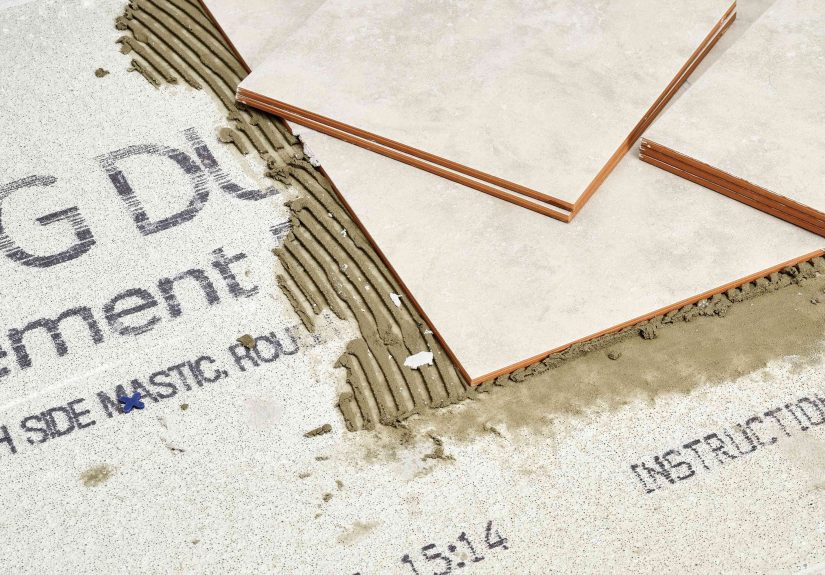
Tile backer board is a type of material used to create a stable surface for attaching tiles, especially in areas exposed to moisture. It serves as a base that prevents the tiles from cracking or loosening due to movement or environmental conditions. It’s typically installed over wood or concrete substrates, providing a waterproof, heat-resistant, and durable foundation for tiles. Tile backer boards come in various forms, including cement board, foam board, and gypsum-based boards, each with unique properties to suit different installation needs.
Pros of Using Tile Backer Board
1. Increased Durability and Stability
Tile backer boards are specifically designed to provide a sturdy surface for tiles. They prevent shifting and cracking, ensuring the longevity of your tile installation. Without backer board, tiles may be directly adhered to wood or drywall, which can lead to issues like cracking, warping, or detachment due to the substrate’s movement over time.
2. Moisture Resistance
Moisture is one of the biggest enemies of tile installations, especially in wet areas like bathrooms and kitchens. Tile backer boards are engineered to resist moisture absorption, preventing water damage that can compromise both the tile surface and underlying structure. Cement-based backer boards, in particular, are resistant to mold and mildew, making them a great choice for areas with high humidity.
3. Lightweight and Easy to Handle
While cement boards used to be heavy and difficult to work with, advancements in tile backer board technology have led to lighter materials that are easier to transport and cut. For DIYers, this is a big advantage, as it reduces the amount of heavy lifting and the need for professional help. Some foam backer boards are especially light and easy to work with, making installation a breeze.
4. Versatility in Application
Tile backer boards are suitable for a wide range of tiling applications, from walls to floors and even ceilings. They’re commonly used in areas like showers, bathtubs, and countertops, where water resistance is crucial. With the variety of available typescement, foam, and fiber cementthere’s a backer board for almost every situation, whether it’s a high-traffic floor or a moisture-heavy bathroom wall.
Cons of Using Tile Backer Board
1. Cost
Although tile backer boards provide many benefits, they come at a cost. The price varies depending on the type of board you choose. Cement boards, for example, are generally more expensive than foam boards. The cost can add up quickly if you’re covering a large area, making it something to consider when budgeting for your tiling project.
2. Installation Time
While some types of backer boards are easier to install than others, the process still takes time. Cement boards, in particular, can be labor-intensive to cut and secure properly, requiring special tools and screws for installation. The boards must be spaced and sealed correctly to prevent water infiltration, which adds to the overall time investment.
3. Dust and Mess
Cutting tile backer board, especially cement-based ones, creates a lot of dust. This can be harmful to your health if not properly managed. You’ll need to wear a dust mask and ensure proper ventilation during the installation process. Additionally, the cutting process can make quite a mess, which requires careful clean-up afterward.
4. Weight
While newer backer boards are lighter, some, such as cement boards, can still be quite heavy, making them difficult to handle, especially for DIYers working alone. For large projects, the weight can add significant strain, requiring extra effort and potentially even professional assistance to lift and install the boards properly.
Top Tile Backer Board Brands
1. HardieBacker
HardieBacker by James Hardie is one of the most popular tile backer boards on the market, particularly favored for its durability and ease of installation. Made from cement, it offers excellent water resistance, making it ideal for wet areas like bathrooms and kitchens. HardieBacker is also known for being relatively lightweight compared to other cement boards, making it easier to handle during installation.
2. Durock
Durock is another trusted brand in the tile backer board category, offering both cement and fiber cement boards. Durock boards are known for their strength and resistance to moisture, mold, and mildew. Their versatility and robust performance make them suitable for almost any type of tile installation, whether on walls or floors.
3. Schluter Kerdi Board
Schluter’s Kerdi Board is a foam-based tile backer board designed specifically for waterproofing. Unlike cement-based boards, the Kerdi Board is lightweight, easy to cut, and provides excellent thermal insulation. It’s particularly popular for shower installations due to its built-in waterproofing capabilities, making it a favorite among professionals.
4. WonderBoard
Made from a combination of cement and fiberglass, WonderBoard is a versatile backer board that is water-resistant and fire-resistant. It’s durable enough for both walls and floors and is known for its affordability compared to other premium brands. It also has excellent mold and mildew resistance, making it a great choice for high-moisture areas.
Tile Backer Board: Personal Experiences
Choosing the Right Backer Board for Your Project
When I tackled my first bathroom tile installation, I initially struggled with deciding which backer board to use. I chose HardieBacker for its reputation in the market and because it seemed easy enough for a DIYer like me to install. I was impressed with how lightweight it was compared to the cement boards I had worked with before. The installation process was relatively straightforward, though I had to be mindful of dust while cutting the board to size. In hindsight, I would still recommend HardieBacker for DIY projects, as it provides great stability and is moisture-resistant, which is a must in bathrooms.
However, one area I learned the hard way was the importance of sealing the seams properly. Even though the backer board itself was waterproof, I missed some critical steps in sealing the joints. After a few months, I noticed some minor issues with water seepage, which reminded me of how critical the proper installation of all layers, especially seals, is in ensuring a truly waterproof surface. Always take the time to follow every step in the processespecially if you’re dealing with moisture-heavy areas like showers or kitchen backsplashes!
Comparing Brands for Value
If you’re working on a budget, I would recommend considering WonderBoard. It’s much more affordable than some of the premium options like Schluter Kerdi Board or HardieBacker. While it’s not as lightweight or easy to install as some foam-based boards, it gets the job done and offers excellent resistance against water damage. For larger installations, where cost efficiency matters, WonderBoard can be a solid choice without sacrificing quality.
Final Thoughts
Tile backer boards are an essential part of any tiling project, offering a reliable base for your tiles to stay intact over time. Whether you’re a DIY enthusiast or a professional installer, choosing the right backer board depends on the type of project you’re working on, your budget, and the specific needs of the space. With options like HardieBacker, Durock, Schluter Kerdi Board, and WonderBoard, you’re sure to find a backer board that suits your requirements.