Table of Contents >> Show >> Hide
- First, a quick terminology cleanup
- Why TMJ pain and tooth pain get confused so often
- TMJ vs. tooth pain: the fastest way to compare them
- What TMJ pain usually feels like
- What tooth pain usually feels like
- Common look-alikes that blur the line
- How dentists and doctors tell the difference
- When it is probably TMJ, what helps?
- When it is probably a tooth problem, what helps?
- Red flags: when you should not wait
- So, how do you tell the difference in real life?
- Experiences people commonly describe with TMJ and tooth pain
- Final thoughts
If your face hurts and one side of your mouth is staging a rebellion, welcome to one of the most annoying guessing games in health: Is this a tooth problem, or is it TMJ? The tricky part is that both can cause pain in your jaw, cheek, ear area, and even teeth. One can feel like the other, which is why people sometimes book a dental visit convinced they need a root canal, only to learn their jaw joint is the real drama queen. Other times, people blame “TMJ” when the real culprit is a cracked tooth, an abscess, or plain old tooth decay.
The good news is that TMJ and tooth pain usually leave different clues. Once you know what patterns to look for, it becomes easier to tell whether your pain is more likely coming from your jaw joint and chewing muscles or from a specific tooth. In this guide, we’ll break down the symptoms, compare the usual triggers, explain how dentists tell the difference, and cover the red flags that mean you should get help quickly.
First, a quick terminology cleanup
People often say “I have TMJ,” but that is not technically the condition. TMJ stands for temporomandibular joint, the hinge-like joint on each side of your jaw that lets you talk, chew, yawn, and complain about your symptoms. The condition is usually called TMD, or temporomandibular disorder. Still, because most people search for “TMJ pain,” we’ll use both terms here.
Why TMJ pain and tooth pain get confused so often
Here is the short version: your mouth, jaw, face, ears, and head all live in the same crowded neighborhood. When one structure gets irritated, pain can travel or feel “referred” to nearby areas. That means a jaw joint problem can feel like aching teeth, and a bad tooth can radiate pain into the jaw, cheek, or ear.
To make it even more confusing, both problems can show up when you chew. Both can also get worse at night if you clench or grind your teeth. And both can cause you to point vaguely at the side of your face and say, “Somewhere around here hurts.” Very scientific, very helpful.
TMJ vs. tooth pain: the fastest way to compare them
Signs your pain is more likely TMJ or TMD
TMJ pain usually behaves like a jaw-and-muscle problem, not a single-tooth problem. It is more likely to be TMD if you notice:
- Pain or tenderness in the jaw joint, especially near the ear
- A dull, aching pain in the face rather than a sharp pain in one tooth
- Clicking, popping, or grating when you open or close your mouth
- Jaw stiffness, tightness, or locking
- Pain that gets worse with chewing, yawning, talking a lot, or opening wide
- Headaches, earaches, neck pain, or shoulder tension along with jaw symptoms
- Morning jaw soreness if you clench or grind at night
- A bite that suddenly feels “off” or uneven
One important detail: clicking by itself does not automatically mean a serious TMJ disorder. Lots of people have occasional jaw clicking without pain or limited movement. The click becomes more meaningful when it shows up with pain, stiffness, or trouble opening the mouth.
Signs your pain is more likely a tooth problem
Tooth pain usually behaves like a specific dental issue. It is more likely to be coming from a tooth or gums if you notice:
- Pain that seems to come from one tooth or one small area
- Sharp pain with hot, cold, sweet, or acidic foods and drinks
- Throbbing pain that does not settle down
- Pain when biting down, chewing, or releasing pressure after a bite
- Swelling in the gums, cheek, or jaw
- A bad taste in the mouth, bad breath, or drainage near a tooth
- Visible decay, a cracked tooth, a loose tooth, or gum inflammation
- Fever, chills, or feeling sick along with the pain
If your pain seems tied to temperature sensitivity, sweets, or one exact tooth, that leans much more toward a dental cause than classic TMJ pain.
What TMJ pain usually feels like
Most people with TMD describe an achy, sore, tight, or tired feeling rather than a tiny lightning bolt in one tooth. The discomfort often sits in front of the ear, along the jawline, in the cheek muscles, or around the temples. It can spread into the neck and shoulders, especially if stress and clenching are part of the picture.
You may also notice that your jaw feels worse after a long meeting, a giant sandwich, a gum-chewing streak, or an enthusiastic yawn. That pattern matters. TMJ pain often flares with jaw movement and muscle overuse. It may calm down when you rest the jaw, eat softer foods, avoid wide opening, and stop treating your teeth like multitools.
Another common clue is the morning-after effect. If you wake up with a sore jaw, headache, tooth sensitivity, or facial tightness, grinding or clenching during sleep may be stressing both your jaw joint and your teeth.
What tooth pain usually feels like
Dental pain tends to feel more precise, reactive, and local. For example, a cavity or irritated nerve may sting with cold water, hot coffee, or dessert. A cracked tooth may hurt when you bite or when you release pressure after biting. An abscessed tooth may throb, radiate, and come with swelling, a foul taste, or fever.
Some toothaches are temporary, like mild sensitivity after a dental cleaning or whitening treatment. Others are the kind that make you pace around your kitchen at 2 a.m. questioning every life decision that led you to this moment. Persistent, worsening, or throbbing pain deserves a dental exam, especially if you also have swelling or fever.
Common look-alikes that blur the line
Bruxism: the overachiever nobody asked for
Bruxism, or teeth grinding and clenching, can create a mixed picture. It can cause jaw muscle pain, headaches, and TMJ symptoms, but it can also wear down enamel and make teeth feel sore or sensitive. If you have both jaw tightness and tender teeth, bruxism may be the bridge connecting the two.
Cracked teeth
A cracked tooth can be sneaky. The pain may come and go, show up when you bite, or flare with temperature changes. People sometimes assume it is TMJ because the discomfort seems hard to pinpoint. But if one tooth protests when you chew on it, that is a big clue.
Tooth sensitivity
Exposed dentin, gum recession, enamel wear, acidic foods, hard brushing, and grinding can all lead to sensitive teeth. This pain is usually quick and triggered by hot, cold, sweet, acidic, brushing, or flossing. TMJ does not usually behave like that.
Sinus pressure and other facial pain
Jaw and upper-tooth discomfort can also come from sinus pressure, infections, gum disease, arthritis, or even non-dental facial pain disorders. That is why ongoing symptoms should not be self-diagnosed for weeks on end. The internet can suggest possibilities; your dentist or clinician can tell you which one is real.
How dentists and doctors tell the difference
Diagnosis is usually based on history plus exam. In other words, your dentist is not just looking at your teeth. They are listening for the pattern.
You may be asked questions like:
- Is the pain in one tooth, or is it spread across the jaw or face?
- Do hot, cold, sweet, or acidic foods trigger it?
- Does chewing, yawning, or wide opening make it worse?
- Do you grind or clench your teeth?
- Do you wake up with jaw tightness or headaches?
- Do you have swelling, fever, bad taste, or drainage?
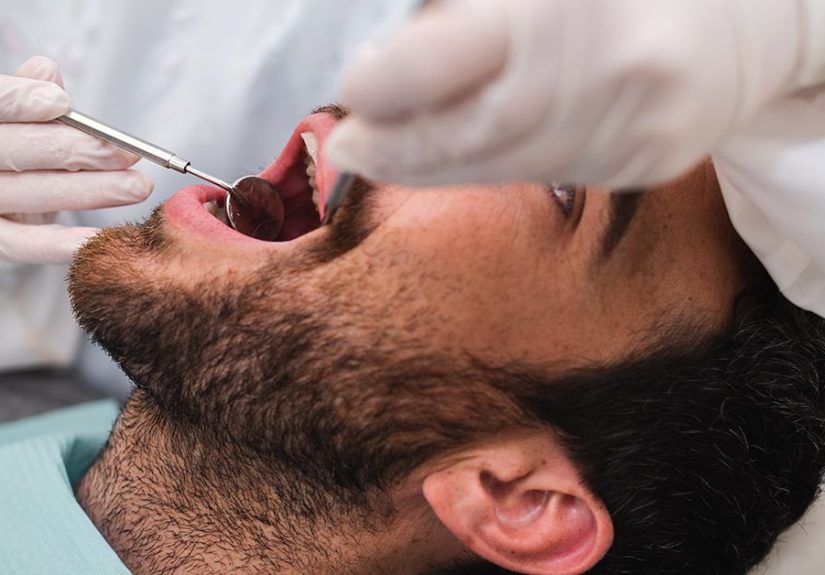
The exam may include checking your jaw joints and chewing muscles for tenderness, clicking, popping, or limited movement. Your dentist may also tap on teeth, test bite pressure, check gum health, look for cracks or decay, and use dental X-rays when needed. In some TMJ cases, imaging such as MRI or CT may be considered, but many cases are identified through symptoms and physical findings first.
When it is probably TMJ, what helps?
If your symptoms point more toward TMD, treatment often starts conservatively. That can include:
- Resting the jaw and eating softer foods for a while
- Using heat or cold packs
- Avoiding gum chewing, nail biting, chin leaning, and extra-wide opening
- Managing clenching and grinding habits
- Improving posture, especially if you spend your days folded over a laptop like a thoughtful shrimp
- Using over-the-counter pain relievers if appropriate for you
- Trying physical therapy, jaw exercises, counseling, or a mouth guard when recommended
Most TMJ treatment aims to reduce pain and calm irritated muscles and joints. Permanent changes to the bite or jaw are generally not the first step. Conservative care usually comes first.
When it is probably a tooth problem, what helps?
If the pattern sounds more dental, the treatment depends on the cause. A cavity may need a filling. A cracked tooth may need a crown or other treatment. An infected tooth may need drainage, root canal treatment, or sometimes extraction. Sensitive teeth may improve with fluoride products, desensitizing toothpaste, bonding, or changes in brushing habits.
One thing worth knowing: antibiotics are not the answer for every toothache. If the issue is a pulpal or periapical dental problem, the priority is usually dental treatment, not reflexively handing out antibiotics. Antibiotics are more appropriate when there are signs of systemic involvement, such as fever or feeling unwell.
Red flags: when you should not wait
Call a dentist or seek urgent care quickly if you have:
- Fever, chills, swelling, or a bad taste with tooth or jaw pain
- Facial swelling or swelling of the upper or lower jaw
- Trouble swallowing or breathing
- An inability to open or close your mouth
- Jaw pain after an injury
- Pain spreading from the chest to the jaw
- Unbearable pain that is rapidly worsening
Those symptoms raise concern for infection, dislocation, fracture, or a medical emergency. At that point, do not play detective at home.
So, how do you tell the difference in real life?
Ask yourself these three questions:
1. Is it one tooth, or is it the whole side of my face?
One exact tooth points more toward a dental cause. Broader jaw, cheek, temple, or ear-area pain points more toward TMJ or muscle tension.
2. What triggers it?
Hot, cold, sweets, and biting on one tooth suggest a tooth problem. Chewing for a long time, talking a lot, yawning, clenching, or waking up sore suggest TMJ or bruxism.
3. Are there extra clues?
Clicking, locking, stiffness, headaches, neck pain, and jaw fatigue support TMJ. Swelling, fever, drainage, bad taste, obvious decay, or strong temperature sensitivity support a dental problem.
Experiences people commonly describe with TMJ and tooth pain
Many people with TMJ-related pain say they first thought they had a bad tooth because the ache seemed to sit “in the back molars.” But when they pay attention, the pain is actually broader than that. It creeps into the cheek, the temple, or the area in front of the ear. They may notice it most after stress, long work calls, chewing steak, or waking up after a rough night of grinding. Some describe it as a “tired jaw,” a “deep ache,” or a feeling that the whole side of the face is irritated. A lot of them also report a pop when opening wide or a jaw that feels stiff first thing in the morning.
People with true tooth pain often tell a different story. They can point to one tooth like they are identifying a suspect in a lineup. They say things like, “Cold water hits that one spot and I jump,” or “It hurts every time I bite on this side.” If the tooth is cracked, the pain may be weirdly inconsistent, showing up when biting into crusty bread or when releasing pressure after a chew. If there is an abscess, the story gets more dramatic: throbbing, swelling, bad taste, tenderness, and sometimes feeling feverish or run-down.
Then there is the gray-zone experience, which usually involves clenching or grinding. These people may have sore jaw muscles, morning headaches, and sensitive teeth all at once. Their teeth are not imagining the pain; the enamel may be worn or the teeth may be under repeated stress. But the jaw joint and muscles are also part of the problem. This is why some patients end up needing both dental care and TMJ-focused treatment instead of one magic fix.
Another common experience is the “I kept thinking it would go away” phase. With TMJ, people often ignore symptoms until the jaw starts locking, chewing becomes uncomfortable, or headaches become routine. With dental pain, people may ride out on-and-off discomfort for weeks because the pain disappears for a day or two. Unfortunately, cavities, cracks, and infections do not usually reward procrastination. They tend to come back louder.
Many patients also describe the emotional side of the confusion. Facial pain is unsettling because it affects eating, speaking, sleeping, and concentrating. If you have ever tried to enjoy dinner while silently testing whether the right side or left side hurts less, you already know the vibe. The uncertainty can make people anxious, especially when the pain bounces between the jaw and teeth. That is one reason a proper exam matters so much. Once you know whether the source is TMD, a tooth problem, or both, the problem becomes more manageable and the treatment path gets much clearer.
The most useful takeaway from these shared experiences is simple: patterns matter more than one isolated symptom. A random click without pain is usually not the big villain. One sip of ice water causing a sharp zing in one tooth is much more suspicious. Broad jaw soreness after clenching all night tells a different story than a swollen gum and a tooth that throbs on its own. The body leaves clues. You just have to know which ones deserve center stage.
Final thoughts
When you are stuck between TMJ and tooth pain, focus on the pattern. TMJ symptoms usually involve jaw tenderness, stiffness, clicking, headache, ear-area pain, and discomfort with jaw movement. Tooth pain is more likely to involve one specific tooth, sensitivity to hot or cold, pain with biting, visible dental problems, swelling, or signs of infection.
Sometimes the answer is not either-or. Sometimes it is both. Grinding can irritate the jaw joint and the teeth. A tooth problem can make you clench. A tense jaw can make your whole face feel cranky. But if the pain persists, worsens, or comes with swelling or fever, skip the guessing game and get evaluated. Your mouth has enough going on without turning every snack into a mystery episode.