Table of Contents >> Show >> Hide
- What Makes Egyptian Cuisine So Distinct?
- Top 10 Delicious and Unique Egyptian Foods
- 1) Koshari (Kushari): Egypt’s Carb Symphony
- 2) Ful Medames: The Breakfast That Actually Has Your Back
- 3) Ta’ameya: Egyptian Falafel’s Green, Herby Cousin
- 4) Molokhia: The Silky Green Soup with a Cult Following
- 5) Fatta (Fattah): The Celebration Layer Cake… But Make It Savory
- 6) Hawawshi: Egypt’s Spiced Meat-Stuffed Bread (AKA The Handheld Hero)
- 7) Mahshi: Stuffed Vegetables That Taste Like Home Cooking (Because They Are)
- 8) Dukkah: The Crunchy Egyptian Spice Blend You’ll Want on Everything
- 9) Basbousa: The Syrup-Soaked Semolina Cake That Doesn’t Play Around
- 10) Umm Ali (Om Ali): Egypt’s Cozy Bread-Pudding Legend
- Quick Tips for Trying Egyptian Food (Without Overthinking It)
- of Experiences Related to Egyptian Food
- Conclusion
- SEO Tags
If you think Egyptian food is just “Middle Eastern food, but with more pyramids,” prepare to be politely (and deliciously)
corrected. Egyptian cuisine is its own glorious universe: street food that’s fast and filling, home-cooked comfort dishes
that taste like someone’s grandma is cheering for you, and desserts that basically whisper, “Just one more bite,” until
you’re emotionally attached to a syrupy square of semolina cake.
This guide rounds up ten must-try Egyptian foods that are both iconic and genuinely uniquemeaning they’re not just tasty,
they’re also the kinds of dishes you’ll talk about later like a proud food storyteller. You’ll get what each dish is,
what makes it special, and how to enjoy it like you know what you’re doing (even if you’re learning as you chew).
What Makes Egyptian Cuisine So Distinct?
Egyptian cooking is built on smart, bold flavor. It leans on everyday ingredientsfava beans, lentils, rice, garlic,
coriander, cumin, tomatoes, fresh herbsand turns them into meals that feel bigger than the sum of their parts.
You’ll notice a love for texture (crispy onions! toasted bread! crunchy nuts!), a talent for tangy accents
(lemon, vinegar, pickles), and an impressive ability to make plant-based dishes feel completely satisfying.
Another signature: Egyptian food is social. Many dishes are made to be shared, layered, scooped, dipped, or piled high.
It’s the kind of cuisine that says, “Sit down. Eat. We’ll handle the rest.”
Top 10 Delicious and Unique Egyptian Foods
-
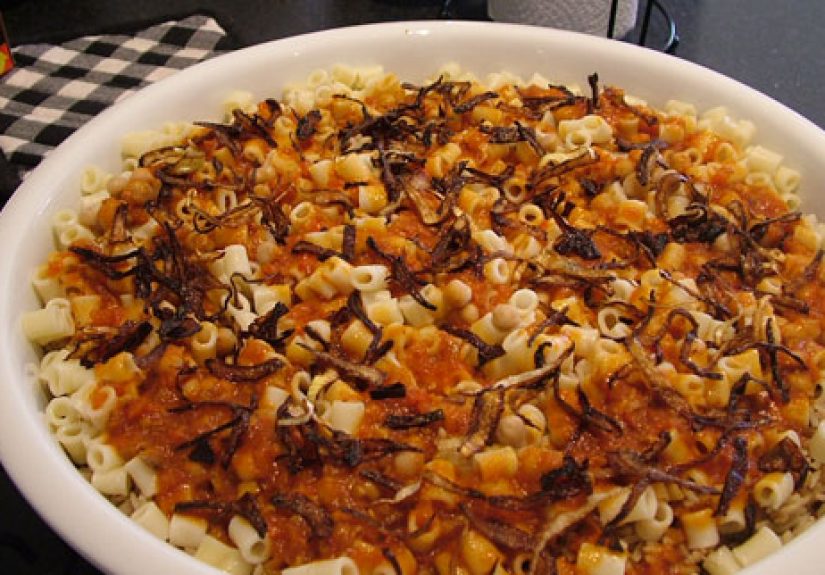
1) Koshari (Kushari): Egypt’s Carb Symphony
What it is: A beloved bowl of rice, lentils, pasta (yes, pasta), chickpeas, and crispy fried onions, topped with tangy tomato sauce and optional garlic-vinegar and chili sauces.
Koshari is the national-comfort-food energy you didn’t know you needed. It’s hearty, budget-friendly, and wildly
satisfyinglike if spaghetti and lentils formed a band and decided to tour Cairo. The magic is in the layering:
soft grains, bouncy pasta, crunchy onions, and bright sauces that keep every bite interesting.How to eat it: Mix everything before you dig in. Start with a little chili sauce if you’re unsureEgyptian spice can go from “pleasantly warm” to “I’m having a spiritual experience” fast.
-
2) Ful Medames: The Breakfast That Actually Has Your Back
What it is: Slow-cooked fava beans mashed or left whole, seasoned with cumin, garlic, lemon, and olive oiloften served with bread, vegetables, and sometimes tahini.
Ful is a staple that powers mornings across Egypt. It’s creamy, earthy, and brightened with lemon and aromatics.
The flavor is deceptively simple: it’s “humble” in the way a perfectly baked potato is humbleaka, it can be a
masterpiece if treated with respect.Why it’s unique: Ful isn’t just food; it’s a routine, a ritual, a comfort. And it proves that beans
can absolutely be the main character. -
3) Ta’ameya: Egyptian Falafel’s Green, Herby Cousin
What it is: Egypt’s version of falafelusually made from fava beans (not chickpeas), blended with herbs like parsley, cilantro, and dill, then fried into crisp, fluffy patties.
Ta’ameya is one of the best street-food bites on the planet: crunchy outside, bright green and tender inside.
Because fava beans and herbs dominate the mix, the flavor is fresh and aromatic, not heavy. It’s often served in a
sandwich with salad and tahini, which is basically edible happiness wrapped in bread.Pro tip: Look for sesame seeds on the outsidethey add a nutty crunch that makes the texture even better.
-
4) Molokhia: The Silky Green Soup with a Cult Following
What it is: A dish made from jute mallow leaves cooked into a glossy, herbal green soup/stew, usually flavored with a garlic-and-coriander “tasha” and served with rice or bread, often alongside chicken or rabbit.
Molokhia is famous for its texturesilky, slightly viscous, and ultra-comforting. If you grew up with it, it’s a
nostalgia bomb. If you’re new to it, consider it an invitation to broaden your soup expectations.What makes it special: The garlic-coriander finish is the mic drop. It adds fragrance and depth that turns “green soup” into “where has this been all my life?”
-
5) Fatta (Fattah): The Celebration Layer Cake… But Make It Savory
What it is: Toasted bread and rice layered with tender meat (often beef or lamb), then topped with a garlicky vinegar sauce and sometimes a warm tomato sauce.
Fatta shows up for big momentsholidays, family gatherings, special occasionsbecause it feels festive and abundant.
The toasted bread soaks up rich broth and sauce, the rice adds softness, and the garlic-vinegar combo cuts through
everything with tangy confidence.How to enjoy it: Don’t overthink itget a bit of every layer. Fatta rewards “messy but committed” eating.
-
6) Hawawshi: Egypt’s Spiced Meat-Stuffed Bread (AKA The Handheld Hero)
What it is: Pita or baladi bread stuffed with seasoned minced meat, onions, and peppers, then baked or grilled until crisp.
Hawawshi is what happens when a meat pie and a pita sandwich decide to become an icon. The outside turns golden and
crunchy; the inside stays juicy and boldly spiced. It’s a street-food favorite because it’s portable, filling,
and dangerously easy to eat too quickly.Best pairing: Pickles or a simple saladsomething tangy to balance the richness.
-
7) Mahshi: Stuffed Vegetables That Taste Like Home Cooking (Because They Are)
What it is: Vegetables like zucchini, eggplant, peppers, cabbage leaves, or grape leaves stuffed with seasoned rice (sometimes with herbs, tomato, and/or meat), then simmered until tender.
Mahshi is a whole category of comfort. The filling absorbs the flavor of the cooking liquid, and the vegetables
become soft and savory in a way that feels both cozy and impressive. It’s also the kind of dish families make
togetherbecause stuffing vegetables is easier when you have company and snacks nearby.Why it’s unique: It’s customizable but still unmistakably Egyptian in its seasoning and style.
-
8) Dukkah: The Crunchy Egyptian Spice Blend You’ll Want on Everything
What it is: A toasted mix of nuts, sesame seeds, and spices (often coriander and cumin). It’s commonly eaten by dipping bread in olive oil, then into dukkah.
Dukkah is tiny but mightyaromatic, nutty, crunchy, and ridiculously versatile. It can make eggs feel fancy,
vegetables feel exciting, and bread feel like it just got promoted to “main event.”How to use it: Try it as a dip, a salad topper, or a seasoning for roasted vegetables. Warning: you may start carrying it emotionally, like a security blanketbut crunchier.
-
9) Basbousa: The Syrup-Soaked Semolina Cake That Doesn’t Play Around
What it is: A tender semolina cake often flavored with coconut and soaked in fragrant sugar syrup, sometimes topped with almonds.
Basbousa is sweet, dense-but-soft, and unapologetically dessert. The semolina gives it a distinctive textureslightly
nubby in the best waywhile the syrup keeps it moist and fragrant. One piece is satisfying. Two pieces is a decision
you’ll stand by.Serving vibe: Perfect with tea or coffee, and excellent when you want dessert that feels traditional and celebratory.
-
10) Umm Ali (Om Ali): Egypt’s Cozy Bread-Pudding Legend
What it is: A warm dessert made with pastry or bread layered with milk/cream, sugar, nuts, and sometimes raisins and coconut, then baked until golden.
Umm Ali is comfort in a bowl. It’s creamy, toasty, and packed with texture from nuts and crisp pastry layers. If
basbousa is “party dessert,” Umm Ali is “blanket-and-a-movie dessert,” except it’s served at celebrations too because
Egypt understands that joy should be creamy.How to eat it: Warm. Always warm. Ideally with someone nearby who will pretend they don’t want a bite (they do).
Quick Tips for Trying Egyptian Food (Without Overthinking It)
Start with a street-food trio
If you’re choosing your “first Egyptian meal,” you can’t go wrong with koshari, ful, and ta’ameya. Together they show
off Egypt’s superpower: making affordable, everyday ingredients taste unforgettable.
Let tangy sides do their job
Pickles, lemon, vinegar-based sauces, and fresh salad aren’t just decorationsthey’re balance. Egyptian food often pairs
rich and hearty dishes with bright, acidic accents so the flavors stay lively instead of heavy.
Don’t fear garlic (unless you have plans)
Garlic is a cornerstone flavor, especially in dishes like molokhia and fatta. The good news: it tastes amazing.
The trade-off: maybe don’t schedule a whispery library date right after.
of Experiences Related to Egyptian Food
Picture a day built around eating in Egyptnot as a fancy “food tour,” but as a natural part of life. Morning begins
with the smell of warm bread and the quiet confidence of a ful vendor who has been doing this longer than most people
have been alive. You order a bowl of ful medames, and it arrives steaming, glossy with olive oil, brightened with lemon,
and dusted with cumin like a finishing touch. It’s simple, but it’s not plain. You scoop it with bread, add a bite of
tomato or cucumber, and suddenly breakfast feels like it has a plot.
A little later, the streets get louder and hungrier. This is when ta’ameya shines: crisp rounds coming out of hot oil,
green and fragrant inside, often heading straight into a sandwich with salad and tahini. The first bite is all texture:
crunch, fluff, herbs. It’s the kind of food that makes you pause for half a second, not because you’re being dramatic,
but because your brain needs a moment to file the taste under “keep forever.”
Lunchtime might mean koshari, and it usually comes in a bowl that looks like someone stacked your favorite carbs into a
delicious architecture project. Rice, lentils, pasta, chickpeas, crispy onionsthen sauces. The fun is in customizing:
a little garlic-vinegar for tang, a little chili sauce for heat, and suddenly your bowl tastes specifically like yours.
Around you, people eat quickly and happily, because koshari is designed for real lifefast, filling, and oddly
comforting even if you’re trying it for the first time.
If the day turns into a family-style meal, dishes shift from “grab and go” to “sit and stay.” Fatta arrives layered and
aromatic, toasted bread soaking up broth and garlic-vinegar sauce, rice holding everything together, tender meat on top.
It’s celebratory foodbuilt for sharing, built for seconds, built for that moment when someone says, “Eat more,” and you
realize that’s not a suggestion.
And dessert? Dessert in Egypt doesn’t whisper; it sings. Basbousa is sweet and syrupy with a semolina bite, best enjoyed
slowly with tea. Umm Ali is warm and creamy, studded with nuts, and tastes like the dessert version of a hugif hugs had
toasted pastry edges and a slightly addictive crunchy top. By the end of the day, you’re not just full; you’re fluent in
a new kind of comfort foodone that’s bold, bright, and generous in every sense of the word.
Conclusion
Egyptian cuisine is the rare combination of deeply traditional and instantly approachable. Whether you start with the
street-food legends (koshari, ful, ta’ameya) or dive into home-style classics (molokhia, mahshi, fatta), you’ll find
big flavor, smart balance, and a whole lot of heart. If you want food that’s satisfying, memorable, and proudly itself,
Egyptian dishes belong at the top of your must-try listpreferably with extra crispy onions somewhere nearby.