Table of Contents >> Show >> Hide
- What Is a Brain Aneurysm, Exactly?
- When Treatment Is Urgent and When It Is Not
- How Doctors Choose the Best Brain Aneurysm Treatment
- Main Treatments for Brain Aneurysms
- What Happens After a Ruptured Aneurysm?
- Recovery After Brain Aneurysm Treatment
- Can Lifestyle Changes Help?
- Questions to Ask Your Care Team
- The Bottom Line on Treating Brain Aneurysms
- Experiences Patients and Families Often Describe
A brain aneurysm is one of those health issues that sounds terrifying because, frankly, it can be. But here’s the good news modern medicine has a much better toolkit than it used to. Today, many brain aneurysms can be monitored safely, treated effectively, or repaired urgently when needed. The key is knowing what a brain aneurysm is, when treatment becomes urgent, and why one person may be told “Let’s watch it carefully” while another hears “We need to fix this now.”
Let’s put it simply: a brain aneurysm is a weak, bulging area in the wall of a blood vessel in the brain. Think of it like a worn-out patch on a tire, except the stakes are much higher and nobody gets to say, “I’ll deal with it next weekend.” If that weak spot ruptures, it can cause bleeding around the brain, often leading to a medical emergency called a subarachnoid hemorrhage. That is why treatment decisions matter so much.
This guide walks through the main treatment options for brain aneurysms, how doctors decide which option fits best, what recovery can look like, and what patients and families often experience during the process. It is written for real humans, not for people who casually read neurosurgery journals with breakfast.
What Is a Brain Aneurysm, Exactly?
A brain aneurysm, also called a cerebral aneurysm, forms when part of an artery wall weakens and starts to balloon outward. Some aneurysms stay small and never rupture. Others grow, change shape, or create pressure on nearby nerves and tissues. A ruptured aneurysm is the dangerous scenario because it causes bleeding in or around the brain and can quickly become life-threatening.
Not every aneurysm needs immediate treatment. That surprises a lot of people. Many unruptured aneurysms are found by accident during scans done for another reason. Once an aneurysm is discovered, the big question becomes whether the risk of leaving it alone is lower than the risk of treating it.
When Treatment Is Urgent and When It Is Not
If the aneurysm has ruptured
A ruptured brain aneurysm is an emergency. The classic warning sign is a sudden, severe headache that people often describe as the worst headache of their life. Other symptoms can include nausea, vomiting, stiff neck, light sensitivity, confusion, fainting, seizures, vision changes, or stroke-like symptoms such as weakness and trouble speaking.
If those symptoms appear suddenly, this is not the moment for herbal tea, deep breathing, or a poll of the group chat. Emergency care is essential. Treatment usually focuses on stabilizing the patient, sealing off the aneurysm, and preventing serious complications like rebleeding, vasospasm, stroke, and fluid buildup in the brain.
If the aneurysm has not ruptured
An unruptured aneurysm is a different story. Sometimes doctors recommend treatment right away. Other times, they recommend observation with regular imaging. That decision depends on several factors, including:
- Size of the aneurysm
- Shape and neck width
- Location in the brain
- Whether it is growing or changing
- Your age and overall health
- Family history of ruptured aneurysm
- Smoking, high blood pressure, and other risk factors
- Whether the aneurysm is causing symptoms
In other words, treatment is not one-size-fits-all. It is more like a highly specialized decision tree, just with more scans and fewer houseplants.
How Doctors Choose the Best Brain Aneurysm Treatment
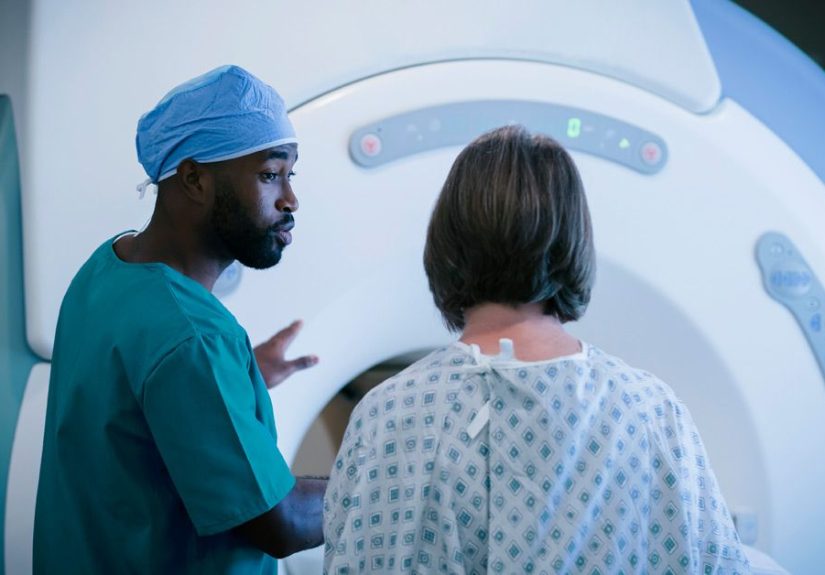
The decision usually involves a team that may include a neurologist, neurosurgeon, and interventional neuroradiologist or endovascular neurosurgeon. Imaging is a major part of the plan. Doctors may use CT, CTA, MRI, MRA, or a cerebral angiogram to see the aneurysm’s size, shape, and exact location.
The goal is straightforward: close off the aneurysm from blood flow while protecting the normal artery and surrounding brain tissue. The best treatment is the one that lowers the chance of rupture or rebleeding with the least overall risk for that specific patient.
Main Treatments for Brain Aneurysms
1. Microsurgical clipping
Microsurgical clipping is one of the classic treatments, and it is still a very important one. In this procedure, the surgeon makes an opening in the skull, carefully reaches the aneurysm, and places a tiny metal clip across its neck. That clip blocks blood from entering the aneurysm.
Why do doctors choose clipping? It can be a durable, long-lasting solution, especially for aneurysms with anatomy that makes them good surgical candidates. In many cases, once an aneurysm is completely clipped, it is unlikely to come back. That durability is one reason clipping remains a strong option.
The tradeoff is that clipping is open surgery. It is more invasive than endovascular procedures, which means recovery is usually longer and the early surgical burden is higher. For an unruptured aneurysm, recovery often takes several weeks. For a ruptured aneurysm, the hospital stay and recovery period are usually much longer because the brain is also recovering from the bleed itself.
2. Endovascular coiling
Endovascular coiling is a less invasive option and one of the most common treatments used today. Instead of opening the skull, the doctor threads a thin catheter through an artery, often from the wrist or groin, and guides it up to the aneurysm. Tiny platinum coils are then placed into the aneurysm sac.
Those coils help block blood flow into the aneurysm and promote clotting inside it, which seals it off. In plain English, the aneurysm gets packed so blood stops swirling into the weak bulge.
Coiling often means a shorter hospital stay and a faster initial recovery than open surgery. That is a major advantage. But it is not perfect for every aneurysm. Some aneurysms are wide-necked, oddly shaped, or located in spots where coiling alone may not be ideal. Coiled aneurysms may also need follow-up imaging because some can reopen or recur over time.
3. Stent-assisted or balloon-assisted coiling
Some aneurysms are a little too architecturally chaotic for standard coiling. In those cases, specialists may use a stent or balloon to help hold the coils in place and protect the normal artery. These methods are especially useful for wide-neck aneurysms or more complex anatomy.
This is where aneurysm treatment starts to sound like engineering with a side of wizardry. Fortunately, it is highly specialized engineering.
4. Flow diversion
Flow diversion is another endovascular treatment, often used for larger, wider-necked, or harder-to-reach aneurysms. In this procedure, a mesh stent called a flow diverter is placed in the parent blood vessel rather than inside the aneurysm itself.
The device redirects blood flow away from the aneurysm. Over time, the reduced flow helps the aneurysm seal off, and the vessel can heal across the area. Flow diversion can be especially helpful for aneurysms that are not ideal for clipping or standard coiling.
This approach has expanded treatment options significantly, particularly for complex aneurysms. Still, it is not automatic. The anatomy, rupture status, vessel branches, and overall patient picture all matter.
5. WEB embolization and other newer device-based options
Some specialty centers also use newer intrasaccular devices, such as the WEB embolization system, for select complex aneurysms. These devices are designed to fit within the aneurysm and disrupt blood flow in a way that can reduce the need for multiple coils in certain cases.
Not every hospital uses every device, and not every aneurysm qualifies. But this is one reason evaluation at a comprehensive cerebrovascular center can be so valuable: the more tools on the table, the more personalized the treatment plan can be.
6. Bypass and vessel occlusion for rare complex cases
Occasionally, an aneurysm cannot be safely treated with clipping, coiling, or flow diversion alone. In those cases, surgeons may perform a bypass to reroute blood flow around the aneurysm and then shut down the diseased part of the vessel. This is less common, but it remains an important option for difficult aneurysms.
What Happens After a Ruptured Aneurysm?
When an aneurysm ruptures, treating the aneurysm is only part of the job. The medical team also has to manage the fallout from the bleeding. This usually means intensive care monitoring and active prevention of complications.
Common goals after rupture
- Seal the aneurysm quickly to reduce the risk of rebleeding
- Control blood pressure and stabilize breathing and circulation
- Watch for vasospasm, which is narrowing of blood vessels that can reduce blood flow and trigger stroke
- Treat hydrocephalus, a buildup of cerebrospinal fluid that can increase pressure in the brain
- Manage pain, agitation, and other symptoms
- Begin rehabilitation when appropriate
Doctors may use calcium channel blockers to reduce problems related to vasospasm. In some cases, angioplasty may be used to open narrowed vessels. If excess fluid builds up, a ventricular drain or shunt may be placed to reduce pressure. This stage can feel overwhelming for families because progress is rarely neat and tidy. Recovery often happens in steps, pauses, and small victories.
Recovery After Brain Aneurysm Treatment
Recovery depends heavily on whether the aneurysm ruptured before treatment. For unruptured aneurysms, recovery is generally smoother. Many patients feel tired, sore, and mentally foggy for a while, but they often return gradually to normal routines. Endovascular procedures tend to have a faster early recovery than open surgery, though follow-up scans are often part of the long game.
For ruptured aneurysms, recovery can be far more unpredictable. Even after successful repair, the brain may still be healing from bleeding, swelling, reduced blood flow, or stroke. Some people recover remarkably well. Others may have ongoing trouble with memory, attention, speech, fatigue, mood, headaches, or physical weakness.
That does not mean recovery has “failed.” It means brain healing can be slow, uneven, and frustrating. Rehabilitation may involve physical therapy, occupational therapy, speech therapy, neuropsychology, or all of the above. Progress is often measured in inches before it is measured in miles.
Can Lifestyle Changes Help?
Yes, especially for unruptured aneurysms and long-term prevention. Lifestyle changes do not replace procedures when a procedure is needed, but they matter. The most important steps usually include:
- Stop smoking
- Control high blood pressure
- Limit heavy alcohol use
- Avoid cocaine, methamphetamine, and similar drugs
- Follow up regularly if your doctor recommends surveillance imaging
These are not glamorous recommendations. No one posts, “Just managed my blood pressure and kept my follow-up appointment, feeling iconic.” But they are important.
Questions to Ask Your Care Team
If you or a loved one has been diagnosed with a brain aneurysm, it helps to ask clear, practical questions:
- How likely is this aneurysm to rupture?
- Why are you recommending clipping, coiling, flow diversion, or observation?
- What are the main risks of this treatment in my case?
- What should I expect during recovery?
- Will I need follow-up imaging, and how often?
- What symptoms should send me to the emergency room right away?
A good treatment plan is not just technically sound. It is also understandable. If the explanation feels like it was delivered in fluent medical hieroglyphics, ask the team to translate. You deserve clarity.
The Bottom Line on Treating Brain Aneurysms
Treating brain aneurysms is all about balancing risk, timing, and anatomy. Some aneurysms need urgent repair. Some can be monitored carefully. When treatment is needed, the main options include microsurgical clipping, endovascular coiling, and flow diversion, with newer device-based approaches and bypass surgery available for selected cases.
The best treatment is not the fanciest one or the newest one. It is the one that fits the aneurysm and the patient. That decision is usually made by a specialized team using detailed imaging, experience, and a realistic understanding of benefits and risks.
If there is one thing to remember, it is this: brain aneurysm treatment has come a long way. Fast diagnosis, expert evaluation, and individualized care can make a major difference. And when it comes to your brain, “major difference” is the kind of phrase you absolutely want on your side.
Experiences Patients and Families Often Describe
One of the most common experiences patients describe is shock. Many people learn they have an unruptured brain aneurysm after a scan for headaches, dizziness, or even something completely unrelated. They walk into the day expecting a normal routine and walk out with a new vocabulary that includes words like “clip,” “coil,” and “angiogram.” That emotional whiplash is real. Even when the aneurysm has not ruptured, people often say the hardest first step is simply living with the idea that something fragile is sitting in the brain, quietly demanding attention.
Another common experience is decision fatigue. Patients often want a single obvious answer, but aneurysm care does not always work like that. A small unruptured aneurysm may be watched. A wide-neck aneurysm may push the team toward flow diversion. Another may be better suited for clipping because of its shape or location. Families sometimes describe this stage as mentally exhausting because they are trying to understand highly technical information while also managing fear. Many people feel better once they meet a specialist who can explain why one treatment is favored over another in plain English.
For patients who undergo endovascular treatment, the experience is often described as surprisingly quiet from the outside. There may be no large head incision, which can make the procedure seem smaller than it is. But emotionally, it still feels enormous. Patients often say relief and anxiety coexist. They are grateful the treatment is less invasive, but they also worry about follow-up scans, recurrence, or whether the aneurysm is truly “gone.”
Patients who undergo clipping often describe a different kind of journey. There is often reassurance in knowing the aneurysm has been physically sealed off with a clip, but the early recovery can feel tougher. Fatigue, headaches, incision discomfort, and the strange frustration of wanting the brain to recover on a neat schedule are common themes. The brain, however, does not care about anyone’s calendar.
Families of people with ruptured aneurysms often describe the ICU phase as a blur of monitors, medical updates, and guarded hope. Recovery after rupture is rarely linear. A good morning can be followed by a hard afternoon. A small improvement can feel huge. Later, even after discharge, patients may face invisible challenges such as memory lapses, mood swings, attention problems, or crushing fatigue. These can be difficult because the person may look physically better long before they feel fully like themselves.
Many survivors and caregivers also talk about a long-term shift in perspective. Follow-up appointments matter more. Blood pressure matters more. Smoking cessation suddenly stops sounding like generic advice and starts sounding like a survival strategy. People often become more aware of their limits, more appreciative of routine days, and more patient with healing, even if they did not choose that patience voluntarily.
Perhaps the most consistent theme is this: people do better when they have clear information, a specialist team they trust, and support during recovery. Treatment is a procedure. Healing is a process. And for many patients, understanding that difference is what makes the whole experience feel a little less frightening and a lot more manageable.