Table of Contents >> Show >> Hide
- What Color Is Valspar Bear Claw, Really?
- Why Choose Interior Satin for Bear Claw?
- Where Bear Claw Looks Amazing (and Where It Might Pick a Fight)
- Lighting: The Make-or-Break Factor
- The Smartest Way to Test: Use a Satin Sample First
- Picking the Right Valspar Paint Line for the Job
- Prep Work: The Unsexy Step That Makes Paint Look Expensive
- Application Tips for a Smooth Satin Finish
- Cleaning, Odor, and Indoor Air Considerations
- Design Pairings: What Looks Good with Bear Claw?
- FAQ: Quick Answers Before You Open the Paint Can
- Conclusion: Is Valspar Bear Claw Interior Satin Paint Worth It?
- Real-World Experiences with Valspar Bear Claw Interior Satin Paint (What People Commonly Notice)
Some paint colors whisper. Others walk into your room, set down a leather duffel bag, and calmly announce,
“I live here now.” Valspar Bear Claw is in the second categorybold, earthy, and warm, with that
baked-clay personality that makes a space feel grounded instead of “rental-white and regret.”
This guide breaks down what Bear Claw looks like in real homes, why satin can be the sweet spot
for busy rooms, how to test it without accidentally painting your entire life orange-brown, and how to get a finish
you’ll actually be proud to post online (even if your baseboards are judging you).
What Color Is Valspar Bear Claw, Really?
Bear Claw (Valspar color 2004-5A) sits in the orange family, but don’t picture traffic cone.
Think deep clay brown with an orange undertonewarm, earthy, and substantial. It’s labeled warm, and its
LRV is about 17.3, meaning it absorbs a lot of light and reads deeper on the wall than many
“neutral” shades people pick thinking they’re playing it safe.
Why LRV matters (without turning this into math class)
LRV (Light Reflective Value) is basically how much light a color bounces back. On a scale where 0 is black and 100
is white, Bear Claw at ~17.3 is firmly in the “moody” zone. That’s great if you want coziness, depth, and drama.
It’s not great if your room is already dim and you’re hoping paint will behave like a skylight.
Undertones: the secret sauce
Bear Claw’s warm undertone can feel richer and more inviting than cooler browns or gray-leaning greiges. But it can
also shift depending on lighting: in some spaces it reads like terracotta-brown; in others it becomes a cocoa clay.
The key is testingbecause paint has a long history of looking perfect in the store and suspiciously different at 8 p.m.
under your living room lamp.
Why Choose Interior Satin for Bear Claw?
If paint finishes were people, flat would be the artsy friend who hates attention, gloss would be the one wearing
sequins to brunch, and satin would be the reliable bestie: polished, practical, and easy to live with.
Satin’s superpowers
- More washable than flat (hello, fingerprints and mystery smudges).
- More forgiving than semi-gloss (less likely to highlight every drywall bump).
- Great for busier rooms where you still want a soft, elegant look.
Valspar’s own sheen guidance points out that satin offers strong stain- and scrub-resistance and works well in
high-use spaces like kitchens, bathrooms, hallways, and laundry rooms. In other words: satin was invented for the
exact moment someone brushes past your wall with a backpack zipper.
Where Bear Claw Looks Amazing (and Where It Might Pick a Fight)
Best rooms for Bear Claw
- Dining rooms: It makes meals feel warm and intentionaleven takeout.
- Powder rooms: Small space + deep color = boutique hotel energy.
- Offices and libraries: Cozy, focused, and “yes I own books” vibes.
- Accent walls: Adds depth without committing the entire room to a dramatic monologue.
- Bedrooms: Especially if you want a cocoon effect with soft textiles and warm lighting.
Use caution in these situations
- Very low-light rooms: With an LRV around 17, Bear Claw can feel heavier.
- Small rooms with cool daylight: North-facing light can make colors feel cooler or mutedwarm tones help, but you still need a test patch.
- Open floor plans: If it connects to lighter spaces, plan transitions carefully so it feels cohesive.
Lighting: The Make-or-Break Factor
Lighting doesn’t just “change” paintit basically remixes it like a DJ.
A warm clay-brown can feel beautifully grounded in golden afternoon sun, then look deeper and more dramatic under cool LEDs.
That’s why pros emphasize evaluating color based on room direction and the type of light you get throughout the day.
Quick orientation cheat sheet
- North-facing rooms: Cooler, dimmer lightwarm colors often help balance it.
- South-facing rooms: Brighter, warmer lightBear Claw can glow and feel extra rich.
- East-facing rooms: Morning light is bright; afternoons get coolerexpect shifts.
- West-facing rooms: Late-day light is warm and intenseBear Claw may look warmer and deeper in the evening.
Practical tip: test Bear Claw on multiple walls (not just one), because each wall gets different light.
And if you want to be extra-smart, test it near your biggest furniture pieces and flooringbecause undertones love to reflect off wood, rugs, and countertops.
The Smartest Way to Test: Use a Satin Sample First
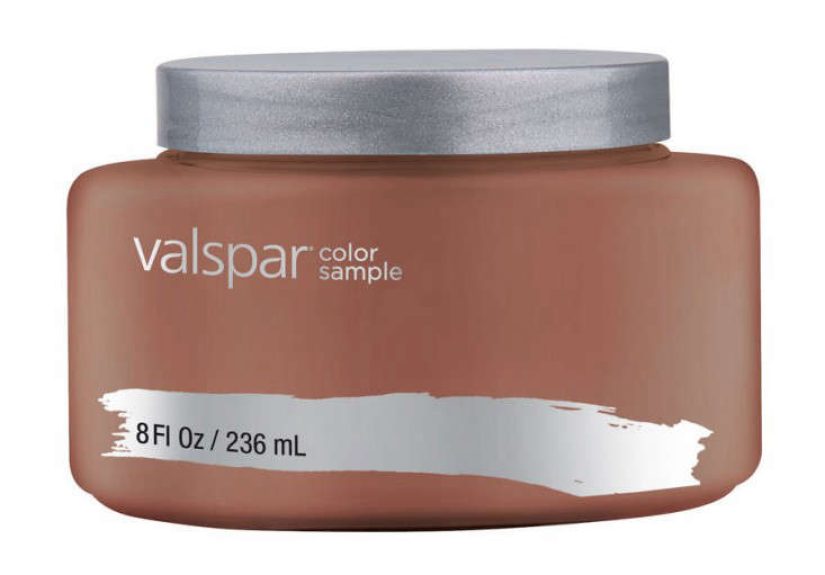
If you’re looking at “Valspar Bear Claw Interior Satin Paint” specifically, you’ve probably seen the
sample size sold for trying color at home. That’s not a gimmickit’s self-defense.
Samples are designed so you can see the color in your home’s natural light and alongside your furnishings before you commit.
How to test Bear Claw like a pro
- Paint a bigger swatch than you think you needat least a few feet wide so it reads like “wall,” not “post-it note.”
- Test at eye level and also a little higher/lower (because light hits differently across the wall).
- Look at it morning, afternoon, and night under your actual bulbs.
- Compare it to your trim: bright white trim can sharpen the contrast; creamy trim can soften it.
- Don’t judge until it dries. Wet paint lies. It’s practically a hobby.
Many Valspar samples cover a small test area (often around a 4 ft. x 4 ft. zone), which is enough to see how the color behaves without turning your living room into an accidental adobe workshop.
Picking the Right Valspar Paint Line for the Job
Bear Claw is a color. Your results also depend on the paint formula you chooseespecially for durability,
coverage, and how the satin sheen actually looks once cured.
Everyday walls: Paint + primer convenience
Many homeowners choose paint-and-primer combos for interior walls to streamline the process. For example, Valspar’s
Signature Interior Paint + Primer lists practical specs like application temperature range (50–90°F), recommended coats,
and recoat timinguseful if you want a predictable timeline instead of guessing and touching the wall every 11 minutes.
High-traffic rooms: Extra protection
If Bear Claw is going into a hallway, kids’ space, or anywhere that sees scuffs, look for a formula positioned for
heavy wear. Valspar Reserve Interior Paint + Primer is marketed as a more advanced option, emphasizing strong hide,
stain-blocking behavior, and resistance to scratches and scuffs. That matters more than people thinkdeep colors can
be less forgiving when touched up, so a tougher film can help the finish stay consistent.
Prep Work: The Unsexy Step That Makes Paint Look Expensive
You can buy the prettiest paint in the world, but if your wall is dusty, greasy, or patched with a crater the size of a
small moon, Bear Claw will absolutely point it out. Satin is durable, but it can also reveal roller marks and texture issues
if the surface prep is sloppy.
Prep checklist (do this and your future self will thank you)
- Clear the room as much as possible; remove plates, hooks, and hardware.
- Dust first, then clean walls with a mild solution so paint can bond properly.
- Repair dings: fill holes, sand smooth, and wipe dust.
- Prime when needed: especially on stains, raw patches, or big color changes.
- Mind older homes: if existing paint is decades old, follow guidance on lead-safety before sanding.
Translation: prep turns “I painted this myself” into “Wait… did you hire someone?”
Application Tips for a Smooth Satin Finish
Tools that make Bear Claw look its best
- Angled sash brush (2–2.5″) for cutting in clean edges.
- Quality roller cover matched to your wall texture (smooth vs. light texture).
- Extension pole so you don’t do the “tiny roller + ladder shuffle.”
- Painter’s tape only if you know how to use it well (otherwise it’s just expensive sadness).
The technique that prevents lap marks
Cut in and roll one wall at a time while edges are still wet. Keep a “wet edge,” roll in overlapping passes, and don’t overwork drying paint.
Many pros recommend rolling in a consistent pattern and finishing with light strokes in the same direction for a more even sheen.
Dry time and recoat: follow the label, not your impatience
Interior acrylic paints often dry to the touch within about an hour or less and can be ready for recoat in a couple hours under ideal conditions,
but humidity and temperature change everything. Valspar’s published guidance for some interior formulas lists touch-dry around 30–60 minutes and
recoat around 2 hours at 77°F and 50% relative humidityso if your room is cooler or stickier, give it more time.
Cleaning, Odor, and Indoor Air Considerations
Paint is chemistry, and chemistry can smell like “new room excitement” or “why does my hallway smell like a hardware store.”
Ventilation matters even with modern low-odor products. Government guidance notes that VOC concentrations can be higher indoors than outdoors,
and paints are one of many products that can contribute.
Simple safety habits that cost $0
- Ventilate: open windows, use fans, and keep air moving during and after painting.
- Take breaks if odor bothers you.
- Store paint properly and keep it sealedespecially away from kids and pets.
- Check product docs if you’re sensitive: labels and safety sheets explain VOC info and handling.
Design Pairings: What Looks Good with Bear Claw?
Because Bear Claw is warm and earthy, it plays beautifully with natural materials and colors that either
support the warmth or contrast it cleanly.
Trim and ceiling ideas
- Crisp white: high contrast, more modern, makes Bear Claw feel bolder.
- Soft creamy white: warmer, more relaxed, helps everything feel cohesive.
- Light greige: subtle transition if you want a layered neutral palette.
Color pairings that work
- Warm whites and cream textiles for a cozy, grounded look.
- Deep greens (olive or forest) for an earthy, nature-forward palette.
- Charcoal and matte black for a modern edgeespecially in hardware and lighting.
- Muted blues as a cool counterbalance (test first; lighting decides who wins).
Material pairings
- Oak and walnut: amplifies warmth.
- Brass: adds glow and “designed” polish.
- Stone and linen textures: makes Bear Claw feel organic and elevated.
FAQ: Quick Answers Before You Open the Paint Can
Is Bear Claw more brown or more orange?
It’s a clay-brown with a warm orange undertone. In warm light it can feel more terracotta; in cooler light it often reads more brown and subdued.
Testing is the only way to know how it will behave in your space.
Will satin look too shiny?
Satin has a soft lusternoticeably more sheen than flat, but not mirror-like. It’s popular because it balances washability with a smooth look.
If your walls are rough or patchy, satin may highlight flaws more than eggshell or matte, so prep matters.
How many coats will I need?
Two coats is common for rich colors, especially if you’re covering a much lighter shade. Some premium formulas advertise strong hide or even one-coat
coverage under certain conditions, but surface texture, primer use, and the previous color will affect results.
Conclusion: Is Valspar Bear Claw Interior Satin Paint Worth It?
If you want a warm, earthy statement color that feels grounded and intentional, Valspar Bear Claw is a strong pickespecially in
spaces where you want coziness, mood, and depth. The satin finish makes it practical for real life: easier to clean than flat, durable
enough for busy rooms, and still soft-looking when applied well.
The winning strategy is simple: test it first, respect your lighting, prep like you mean it, and choose a paint formula that matches your room’s wear
and tear. Do that, and Bear Claw won’t just “look nice.” It’ll look like it was always meant to be there.
Real-World Experiences with Valspar Bear Claw Interior Satin Paint (What People Commonly Notice)
Because I can’t stand in your living room and watch the light change (and because your couch deserves privacy), the best way to talk about “experience”
is to describe the patterns people typically report when they test a deep, warm shade like Bear Claw in a satin finishespecially when they buy a sample
first and live with it for a few days.
First impression: most people are surprised by how “grounded” Bear Claw feels once it’s on the wall. On a tiny chip, it can look like
a straightforward brown-orange. On a big surface, it reads more like clay, leather, or fired terracottaan earthy neutral with personality. In homes
with warm floors (oak, honey-toned woods, caramel rugs), Bear Claw often feels instantly cohesive, like it’s connecting the architecture to the furniture.
In cooler spaces (gray flooring, cool white tile, blue-toned countertops), it can feel more dramaticstill attractive, but more “statement” than “background.”
The lighting plot twist: many homeowners say they fall for Bear Claw in daylight, then notice it deepens at night. That’s not a flawit’s
what low-LRV colors do. Under warm lamps, Bear Claw can glow and feel cozy. Under cool LEDs, it may look a bit more muted or brown-forward. People who
are happiest with the color tend to test it on multiple walls and check it at the times they actually use the room (not just at noon on a Tuesday when
no one is home).
How satin “feels” on the wall: satin is often described as the “practical pretty” finish. People usually like that it looks softer than
semi-gloss while still handling wipe-downs. In hallways and family rooms, satin is frequently chosen because it can take routine cleaning. But there’s a
tradeoff: satin can reveal application technique. Homeowners who rush, over-roll, or paint half a wall and come back later sometimes notice slight sheen
differences (a.k.a. the dreaded “why is that patch shinier?” moment). The people who report the most even results tend to keep a wet edge, roll consistently,
and avoid reworking paint that’s already starting to set.
Coverage expectations: with deeper colors, many people plan for two coats and are happier for it. Even when a product claims strong hide,
real walls have real issuestexture, patches, old paint, and that one spot where someone “cleaned” with something that left residue. When Bear Claw is going
over bright white, the first coat can look slightly uneven until the second coat settles everything down. If someone primes properlyespecially over repairs
or stainsresults tend to look more uniform and the final color reads richer.
Testing saves drama: the biggest “experience win” is simply using a sample first. People often mention that painting a test area helps them
confirm whether Bear Claw is the right depth for the room, and whether they want it on all walls or as an accent. A lot of homeowners discover they love it
behind a headboard, in a dining room, or in a powder roomplaces where depth is a feature, not a risk. That’s the best kind of surprise: the one you find
out before you’ve moved furniture twice and texted three friends, “Do you think this is too dark???”
Bottom line: the “experience” of Bear Claw in satin is usually best when people treat it like a grown-up color choicetest it, respect light, prep the wall,
and apply it with steady technique. Do that, and you get a warm, earthy finish that feels designed, not accidental.