Table of Contents >> Show >> Hide
The human body is a marvel of interconnected systems, and the lymphatic system plays a critical role in supporting overall health. Among the most important components of this system are the lymph nodes. These small, bean-shaped structures are often overlooked until they start causing trouble. But understanding lymph nodestheir function, locations, and what happens when they’re diseasedis crucial for recognizing when something is wrong with the body. In this article, we’ll explore what lymph nodes are, where they are located, and the signs that indicate they may be diseased. Let’s dive in!
What Are Lymph Nodes?
Lymph nodes are a part of the lymphatic system, which is responsible for maintaining fluid balance and supporting the body’s immune function. Think of lymph nodes as filters for lymph, a fluid that circulates through the lymphatic system and carries white blood cells that fight off infections. These small structures are scattered throughout the body, and their primary job is to filter out harmful substances such as bacteria, viruses, and other pathogens. They also store and release lymphocytes, a type of white blood cell that is essential for immune defense.
In simpler terms, lymph nodes act as the body’s checkpoints for infection and disease, detecting potential threats and ensuring that your immune system can respond appropriately. But when lymph nodes become swollen, tender, or inflamed, it can signal something isn’t quite right. More on that later.
Where Are Lymph Nodes Located?
Lymph nodes are found all over the body, often grouped in clusters. While they are distributed throughout various organs and tissues, certain areas have higher concentrations of lymph nodes. Here are some key locations:
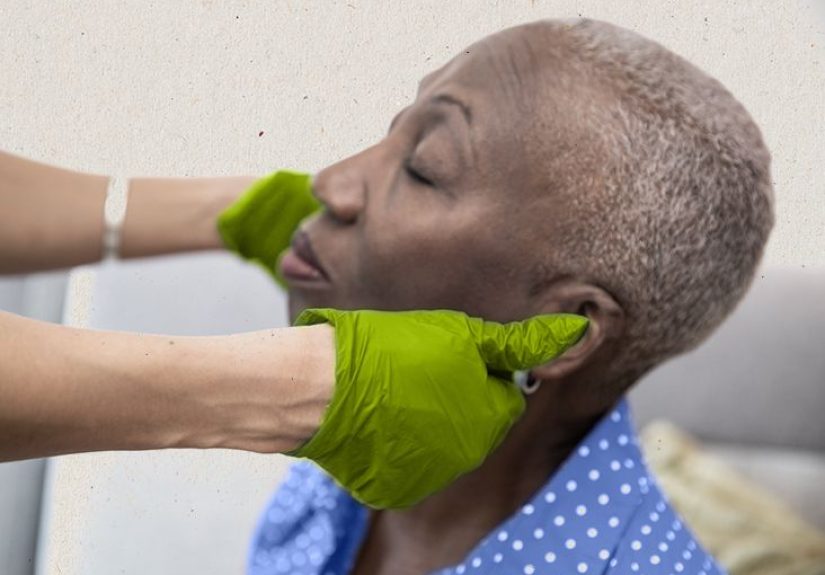
- Cervical nodes: Located in the neck, these lymph nodes often swell when there is an infection in the head, throat, or mouth.
- Axillary nodes: Found in the armpits, these nodes can swell due to infections or conditions affecting the arms or chest.
- Inguinal nodes: These are situated in the groin area and may enlarge in response to infections in the legs, feet, or lower abdomen.
- Abdominal and pelvic nodes: These nodes reside in the abdominal cavity and help filter lymph from internal organs.
- Supraclavicular nodes: These are located just above the collarbones and can be a significant area to monitor, as swelling here can indicate serious issues such as cancer.
Though these are the most common clusters, lymph nodes are also located in the chest, behind the knees, and around other internal organs like the lungs and intestines. Their job is consistent: to filter out harmful microorganisms and help fight infections, no matter where in the body they reside.
How Do Lymph Nodes Work?
The lymphatic system is like the body’s own waste removal service. Lymph is a fluid that carries white blood cells through the lymphatic vessels to various lymph nodes. As it passes through the nodes, the fluid is filtered, and any harmful substances it may carry are trapped and destroyed. Afterward, the filtered lymph continues its journey, helping to cleanse the body.
This filtration process is why lymph nodes become swollen when there’s an infection. When the body is fighting off an infection, the lymph nodes work overtime, producing more white blood cells to fight off the invading pathogens. This increased activity can cause lymph nodes to become enlarged, sore, or tender to the touch.
Signs of Lymph Node Disease or Infection
Under normal circumstances, lymph nodes are not noticeable, but if they become swollen, painful, or hard, it could indicate a problem. The most common signs of lymph node disease or infection include:
- Swelling: Enlarged lymph nodes are the most noticeable symptom. Swelling can occur anywhere in the body where lymph nodes are located, but it is often most noticeable in the neck, armpits, or groin.
- Pain or tenderness: Inflammation and swelling often lead to pain or sensitivity when pressure is applied to the affected area.
- Hardness or immobility: Healthy lymph nodes are typically soft and movable. If they feel hard, fixed in place, or rubbery, it could suggest a more serious condition like cancer.
- Fever: Infections like viral or bacterial illnesses can cause a systemic fever, often accompanied by swollen lymph nodes.
- Night sweats: Profuse sweating during the night can be an alarming sign when coupled with swollen lymph nodes, as it is often seen in cases of lymphoma or other cancers.
- Unexplained weight loss: Losing weight without a known reason can be an indication of something more serious, like cancer, particularly when combined with swollen or painful lymph nodes.
When Should You See a Doctor?
Swollen lymph nodes are usually a sign that the body is fighting off an infection, but there are situations where you should consult a healthcare professional:
- Swelling lasts more than a few weeks or progressively worsens
- The lymph nodes become increasingly hard, large, or immobile
- Accompanied by fever, unexplained weight loss, or night sweats
- You experience pain that doesn’t seem to subside or is getting worse
- You notice signs of infection, such as redness or warmth around the swollen node
Common Conditions Associated with Swollen Lymph Nodes
Several different conditions can lead to swollen lymph nodes, some more serious than others. The most common causes include:
- Viral infections: The common cold, flu, and mono (mononucleosis) can all cause lymph nodes to swell.
- Bacterial infections: Infections such as strep throat or tuberculosis can cause lymph nodes to become infected, inflamed, and swollen.
- Cancers: Lymphomas and leukemia can cause the lymph nodes to swell. Metastatic cancers, which spread from other parts of the body, can also result in enlarged lymph nodes.
- Autoimmune diseases: Conditions like lupus and rheumatoid arthritis can affect the lymph nodes as part of the body’s immune response.
Experiences and Personal Insights on Lymph Node Disease
Throughout life, many of us will experience swollen lymph nodes, especially during cold and flu season. However, there’s more to the story than just a common infection. Let me share a personal experience that shed light on how important lymph nodes are in diagnosing health issues.
Last year, a family member came down with what seemed like an ordinary cold. Their lymph nodes, however, became swollen and tender. Initially, we thought it was just a sign of the body fighting off the infection. But as the weeks passed, the swelling didn’t go away, and the node felt larger and harder. We decided to seek medical attention, and after some tests, it was discovered that the issue was not just a viral infection, but the early stages of lymphoma. This was a sobering reminder of how critical it is to listen to your body and not ignore prolonged or unusual symptoms.
Swollen lymph nodes may not always signal something as serious as cancer, but they are one of the body’s earliest warning signs that something is wrong. It’s important to monitor changes in the body and be proactive about seeking medical attention if symptoms persist or worsen. From personal experience, I can say that being vigilant about changes in lymph nodes can lead to early detection, which often results in better treatment outcomes.
Conclusion
Lymph nodes are small but mighty players in the body’s immune system. They are your body’s first line of defense, filtering out harmful pathogens and alerting your immune system to potential threats. Understanding the locations, function, and signs of disease in lymph nodes can help you identify health issues early, leading to more effective treatment. While swollen lymph nodes are often benign, any prolonged changes in size, texture, or tenderness should be taken seriously. Always consult a healthcare provider if you’re concerned about your lymph nodes or if you’re experiencing symptoms that don’t resolve after a few weeks.