Table of Contents >> Show >> Hide
- First, the Big Switch: Smoke vs. Aerosol (Why Your Body Notices Immediately)
- The First 72 Hours: “I’m Not Smoking, So Why Do I Feel Weird?”
- Weeks 2–12: Breathing Feels Better… Unless You’re Dual Using
- The Biggest Trap: Dual Use (Smoking and Vaping)
- Longer-Term Health Changes: What Gets Better, What Stays Risky
- Does Vaping Help You Quit Smoking? The Realistic Answer (Not the Internet Fight Version)
- Practical Tips to Make the Switch Safer (and Actually Useful)
- So… Is Switching from Smoking to Vaping a Good Idea?
- Common Real-World Experiences After Quitting Smoking and Starting Vaping (About )
- The “I can smell EVERYTHING” phase
- The “vaping is so convenient that I’m vaping constantly” trap
- The “my throat is annoyed” learning curve
- The “I miss the cigarette ritual” nostalgia ambush
- The “I thought vaping would end the cravings, but I still want a cigarette” moment
- The “event test” (social life, stress, alcohol, and triggers)
- Conclusion
Quitting cigarettes is like breaking up with a toxic ex who also stole your money, wrecked your lungs, and somehow convinced you they were “stress relief.”
Switching to vaping can feel like a rebound that’s… complicated. You might breathe easier and smell better fast. You might also discover your new “hobby”
involves charging devices, buying pods, and wondering why you’re still craving nicotine like it’s your side hustle.
So what actually happens in your body (and your life) when you quit smoking and start vaping? Let’s walk through the real timeline, the tradeoffs,
the “wait, is this normal?” moments, and how to avoid the biggest trap: becoming a long-term dual user (a.k.a. doing both and getting the worst of both worlds).
First, the Big Switch: Smoke vs. Aerosol (Why Your Body Notices Immediately)
Cigarettes deliver nicotine by burning tobacco. That burningcombustionis the main villain. It creates thousands of chemicals, including carbon monoxide and tar,
that punch your cardiovascular system and lungs on the way down.
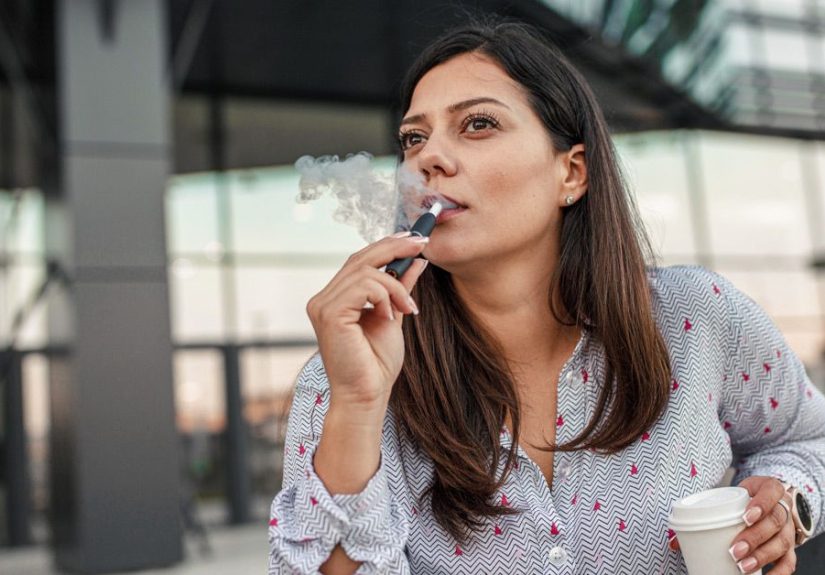
Vaping delivers nicotine by heating a liquid into an aerosol. No combustion, which generally means fewer toxic chemicals than cigarette smoke. But “fewer” is not
the same as “none,” and “less harmful” is not the same as “harmless.” Vaping aerosol can still contain nicotine (highly addictive) plus other potentially harmful
substances, including ultrafine particles and various chemicals formed during heating.
Why quitting cigarettes can feel fast (even if quitting nicotine doesn’t)
The moment you stop smoking cigarettes, your exposure to carbon monoxide drops and your blood starts carrying oxygen more efficiently. That’s one reason people
often feel a noticeable difference quicklyespecially with breathing and stamina. If you start vaping right away, you’re still getting nicotine, so classic
nicotine withdrawal might be blunted. But your body is still adjusting to a new delivery system, new chemicals, and a new habit loop.
The First 72 Hours: “I’m Not Smoking, So Why Do I Feel Weird?”
Your first few days are a mash-up of recovery and recalibration. Your body is relieved to be done with cigarette smoke, but your brain still wants nicotine
and the rituals that came with smoking (the hand-to-mouth motion, the breaks, the “after meals” routine).
What improves quickly when you stop cigarettes
- Heart rate and blood pressure can start dropping soon after quitting.
- Carbon monoxide levels move toward normal, meaning your blood carries more oxygen.
- Smell and taste often sharpen within dayshello, food flavors you forgot existed.
What might feel rough anyway (even if you vape)
Vaping can keep nicotine in your system, so you may not get the full “cold turkey” nicotine withdrawal. But you can still feel:
- Irritability and restlessness (your brain misses the routine even if it gets nicotine).
- Headaches (common during transitions in nicotine intake).
- Sore throat or dry mouth from the aerosol, propylene glycol/vegetable glycerin, or dehydration.
- “Nic-sick” symptoms (nausea, dizziness) if you overdo nicotineespecially with high-strength products or chain vaping.
If you feel unexpectedly jittery, sweaty, nauseated, or like your heart is auditioning for a drumline, you may be getting more nicotine than you did
from cigarettes. This happens more often than people expect because vaping can be more continuousthere’s no “end of cigarette” forcing a pause.
Weeks 2–12: Breathing Feels Better… Unless You’re Dual Using
If you’ve fully stopped cigarettes, this is where many people feel a real payoff. Circulation and lung function tend to improve over the first few months,
and coughing often decreases over time as the lungs begin to recover.
The “quit cough” vs. the “vape cough”
Two different cough stories can happen here:
- Quit cough: After quitting cigarettes, some people cough more temporarily as the airways recover and clear mucus and debris.
It’s annoying, but often a sign your lungs are trying to behave like lungs again. - Vape cough: Some people get throat irritation or coughing from vaping itself (especially with certain flavors, high nicotine,
or frequent puffing). The fix can be as simple as reducing use, switching formulations, lowering nicotine, orbest caseworking toward quitting nicotine entirely.
Energy and exercise: why stairs stop feeling like a personal attack
Without cigarette smoke and carbon monoxide, oxygen delivery improves. Many people notice better staminawalking feels easier, workouts feel less punishing,
and you may recover faster. If you keep vaping heavily, though, you can still experience shortness of breath, airway irritation, or chest tightness.
If any breathing problems feel severe or sudden, that’s a “call a clinician” moment, not a “Google it at 2 a.m.” moment.
The Biggest Trap: Dual Use (Smoking and Vaping)
Here’s the sneaky issue: many people who start vaping after quitting cigarettes don’t actually quit cigarettes. They become “dual users”vaping in some moments,
smoking in others. It can feel like harm reduction, but it often turns into harm addition.
Health groups have warned that dual use can keep risks stubbornly high. If you’re still smokingeven “just a few”you’re still inhaling combustion products
that drive much of smoking’s cardiovascular and cancer risk. And if you vape on top of that, you may simply be layering exposure and maintaining nicotine dependence.
A blunt but helpful rule
If you switch to vaping as a stepping stone, the goal should be complete substitution (no cigarettes), followed by a plan to reduce and
eventually quit vaping too. “Sometimes smoke, sometimes vape” is the treadmill setting nobody asked for.
Longer-Term Health Changes: What Gets Better, What Stays Risky
Heart and blood vessels
Quitting cigarettes lowers risk for heart disease and stroke over time, and improvements can begin quickly. That’s one of the biggest wins of dropping cigarettes.
Vaping still delivers nicotine, which can raise heart rate and blood pressure in the short term and may affect cardiovascular functionso the ideal endgame is
quitting nicotine altogether. If you have heart disease, high blood pressure, or palpitations, talk to a clinician before treating vaping like a “safe” substitute.
Lungs and breathing
Stopping cigarettes reduces ongoing damage from smoke and can reduce coughing and shortness of breath over months. Vaping can still irritate the airways and has been
associated with respiratory symptoms in some users. There’s also the infamous EVALI outbreak history, which was strongly linked to vitamin E acetate in illicit THC
productsan important reminder that what you inhale and where it comes from matters a lot.
Cancer risk
Smoking is a major cause of multiple cancers. Quitting reduces cancer risk over time, including lung cancer risk, and improves overall life expectancy.
Switching away from cigarettes likely reduces exposure to many carcinogens created by combustion. But vaping isn’t “cancer-proof,” because aerosol can still contain
harmful substances, and long-term data is still developing. Translation: quitting cigarettes is a huge step forward; staying on nicotine forever is not the victory lap.
Oral health, sleep, and mood
People often report improved breath, less lingering smell, and fewer “ashtray mouth” vibes after quitting cigarettes. Nicotinewhether from smoking or vapingcan
still affect sleep quality and anxiety. If you find yourself vaping late into the night, your brain may be getting a stimulant drip feed that makes sleep harder,
which then makes cravings worse, which… you get the idea. It’s a loop. Loops are rude.
Does Vaping Help You Quit Smoking? The Realistic Answer (Not the Internet Fight Version)
Here’s the balanced take: some studies and reviews suggest nicotine e-cigarettes can help some adults quit smoking compared with certain other approaches,
especially when paired with support. At the same time, in the U.S., no e-cigarette is approved as a smoking-cessation product, and major guidelines still emphasize
proven tools like counseling and FDA-approved cessation medications.
Why the evidence feels “messy”
- Products vary wildly: Different devices, nicotine strengths, and liquids make results hard to compare.
- Behavior matters: Vaping can become a new long-term habit, not just a transition.
- Dual use muddies outcomes: If people keep smoking while vaping, health benefits shrink dramatically.
If you’re using vaping as a bridge, make it a bridge (not a timeshare)
A practical approach many clinicians prefer looks like this:
- Quit cigarettes completely. Pick a date. Make it real.
- Use evidence-based support. Counseling + FDA-approved cessation aids if appropriate.
- If you vape, set rules. No “all day” grazing. Track use like it’s a budget.
- Step down nicotine. Gradually lower concentration and reduce sessions.
- Set a vaping exit plan. Otherwise vaping becomes “smoking, but with more charging cables.”
Practical Tips to Make the Switch Safer (and Actually Useful)
1) Don’t DIY your lungs
Avoid modifying devices or using questionable liquids. The EVALI outbreak underscored the danger of illicit or adulterated productsespecially THC products from
informal sources. Your lungs are not a chemistry lab, and you are not the intern.
2) Watch the nicotine math
People often underestimate nicotine intake while vaping because it’s easy to puff continuously. If you’re trying to reduce dependence, consider lowering nicotine
strength over time and setting specific “vape windows” instead of constant access.
3) Beware flavor-driven overuse
If a flavor makes vaping feel like dessert, it can also make it easier to do it more often. Enjoyment isn’t a crime, but it can quietly increase nicotine intake.
4) Pair the behavior change with a replacement habit
Smoking is partly nicotine, partly ritual. Replace the ritual: short walks, gum, water, breathing exercises, quick stretch breaks, or a two-minute distraction.
(Yes, even scrolling dog videos counts as a coping skill. We’re not judging.)
5) Know the “get help now” symptoms
Seek medical care if you develop severe shortness of breath, chest pain, persistent vomiting, fainting, or rapidly worsening respiratory symptomsespecially if you
recently started vaping or changed products.
So… Is Switching from Smoking to Vaping a Good Idea?
For an adult who currently smokes, switching completely away from cigarettes can reduce exposure to many harmful chemicals produced by burning tobacco.
That’s the big win. The big caution is that vaping is not risk-free and can keep nicotine addiction alive and well.
The healthiest finish line is still the same: no cigarettes, no vaping, no nicotine. If vaping helps you get off cigarettes, use it strategically,
like a tool with an off switchnot a new identity.
Common Real-World Experiences After Quitting Smoking and Starting Vaping (About )
Let’s talk about the stuff people don’t always put in the “official timeline” chartsthe lived, day-to-day moments that make you say, “Is this normal, or am I
becoming a sentient cough?”
The “I can smell EVERYTHING” phase
A lot of people notice smell and taste coming back fastsometimes within days. This can be delightful (“Wait, strawberries have flavor?”) and also horrifying
(“Why does my car smell like an old fast-food bag and regret?”). Suddenly you’re doing deep-clean projects you didn’t sign up for. On the bright side, it’s a
strong reminder that your body is recovering from smoke exposure.
The “vaping is so convenient that I’m vaping constantly” trap
Cigarettes have natural speed bumps: you go outside, you finish the cigarette, you’re done. Vapes don’t always have that. People often report “grazing” on a vape
while working, driving, gaming, or doomscrolling. The surprising result is they can end up consuming more nicotine than they used to with cigarettes.
Then come the classic “too much nicotine” cluesnausea, headache, jitters, irritability, and sleep that feels like a browser with 37 tabs open.
The “my throat is annoyed” learning curve
Many new vapers describe a scratchy throat, dry mouth, or a cough that appears out of nowhere. Sometimes it’s the nicotine strength. Sometimes it’s the sensation
of the aerosol or certain flavors. Sometimes it’s simply that you’re inhaling something new more often than you realize. People who dial back frequency, hydrate,
and lower nicotine often report improvement. If symptoms persist or worsen, it’s worth checking in with a clinician rather than playing “guess the cause” forever.
The “I miss the cigarette ritual” nostalgia ambush
Even when nicotine cravings are managed, people often miss the ritual: the smoke break with coworkers, the “after meal” cigarette, the pause button on a stressful
day. Vaping can replace the hand-to-mouth habit, but it doesn’t always replace the emotional punctuation mark cigarettes provided. The folks who do best tend to
build a new ritual on purposetwo minutes of fresh air, a short walk, a quick call to a friend, gum, mints, journaling, or anything that signals “reset.”
The “I thought vaping would end the cravings, but I still want a cigarette” moment
This one is super commonand it’s where dual use often starts. The craving isn’t only nicotine; it’s the speed and spike of nicotine delivery, the smoke hit,
and the familiar feel. People who succeed long-term often treat cigarette cravings like a wave: it peaks, it passes, and it doesn’t get to drive the car.
Practical tricks show up again and again: delaying 10 minutes, drinking water, changing location, doing something with the hands, and using evidence-based quit
supports. The point isn’t perfection. It’s getting through the craving without buying a pack “just in case.”
The “event test” (social life, stress, alcohol, and triggers)
Many people can handle ordinary days, then struggle during high-trigger moments: a stressful deadline, a night out, a fight, a road trip, or a holiday.
This is where a plan matters. People who preparebringing gum, setting vaping limits, avoiding “just one cigarette,” and leaning on supporttend to protect
their progress. The rule of thumb: don’t let one high-trigger moment rewrite your entire identity.
Bottom line from these shared experiences: switching can reduce cigarette smoking harm if it replaces cigarettes completely and is paired with an exit plan.
Otherwise, it can quietly turn into “nicotine all day, every day,” just in a different outfit.