Table of Contents >> Show >> Hide
- What is a steam oven, exactly?
- How does a steam oven work?
- What can you cook in a steam oven?
- Pros of a steam oven
- Cons of a steam oven
- Steam oven vs. convection oven vs. speed oven
- What to look for when buying a steam oven
- Tips for using a steam oven without overthinking it
- So… is a steam oven worth it?
- Real-world experiences: what living with a steam oven is actually like
Imagine your oven got tired of drying out chicken breasts and decided to become a spa. That, in a nutshell, is the
steam oven: a kitchen appliance that cooks (or helps cook) food with water vapor, so dinner comes out juicy, tender,
and less like “edible cardboard.” Steam ovens have been popular in pro kitchens and European homes for years, and
they’re now showing up in more U.S. kitchensboth as built-in wall ovens and as countertop “smart ovens” with steam
injection.
But are they a must-have upgrade… or just an expensive way to make broccoli feel fancy? Let’s break down what a steam
oven is, how it works, what it’s great at, where it can be annoying, and how to tell if it fits your cooking life.
What is a steam oven, exactly?
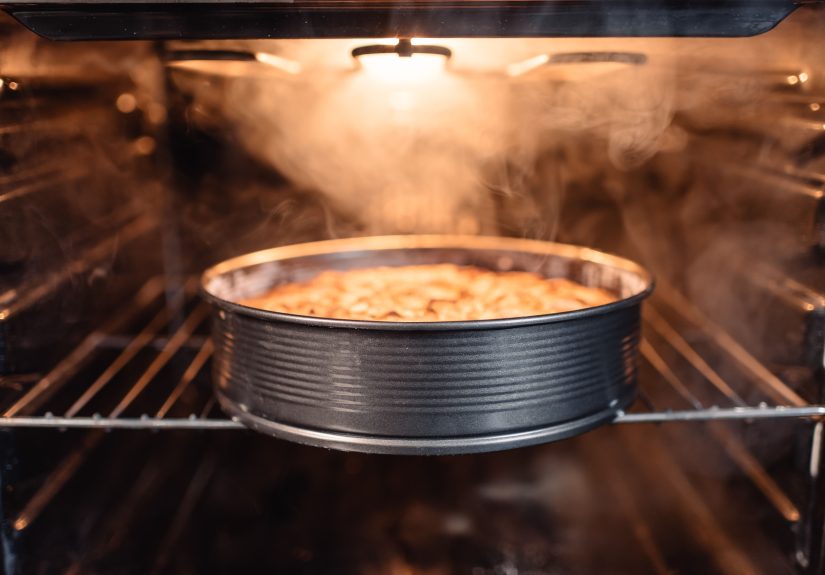
A steam oven is an oven that uses steam (hot water vapor) as a cooking method. Depending on the model,
it may cook with steam alone, combine steam with convection heat, or offer a “steam-assist” option that adds moisture
to traditional baking and roasting.
Steam-only vs. combi-steam vs. steam-assist
- Full steam oven (steam-only): Think of it like a built-in steamer with precision. It’s excellent for
vegetables, fish, dumplings, eggs, grains, and gentle reheating, but it can’t replace a standard oven for browning
and crisping unless it also includes dry-heat modes. - Combi steam oven (convection + steam): This is the “best of both worlds” style. It can steam,
bake, roast, and often run combination programs where a fan circulates hot air while steam keeps food moist. Many
people mean “combi steam oven” when they say “steam oven.” - Steam-assist oven (steam-added): Some ranges and wall ovens include a feature that injects steam
at certain pointsoften during baking or roastingto improve rise, texture, and moisture. It’s not always the same
as true combi-steam control, but it can still be a noticeable upgrade.
Built-in wall oven vs. countertop steam oven
Steam ovens come in two main flavors: built-in (installed in cabinetry like a wall oven) and
countertop (a compact oven you plug in). Built-ins tend to offer larger cavities, more robust
cooking programs, and optional plumbing. Countertop steam ovens can be surprisingly capableoften with app control
and humidity settingsbut they take up counter space and usually require refilling a water tank.
How does a steam oven work?
The basic idea is simple: the oven heats water until it becomes steam, then introduces that steam into the cooking
cavity. The food cooks in a hot, humid environment instead of (or in addition to) a dry, hot one.
Where the water comes from
- Reservoir/tank models: You pour water into a removable container. Convenient for installation,
slightly less convenient when you forget to refill it mid-reheat. - Plumbed models: The oven connects to a water line (and sometimes a drain). Great for heavy use and
“set it and forget it” cooking, but it can raise installation costs and complexity.
What “steam” means in an oven
At sea level, water turns to steam at 212°F. Steam ovens create that vapor and manage it in a closed
cavity, sometimes with sensors and programmed humidity levels. In a combi steam oven, the cavity can still run at
higher temperatures because it’s also using traditional heating elements and convection airflowsteam is added for
moisture management, not to turn your oven into a pressure cooker.
Translation: a steam oven can help you cook salmon gently at lower temperatures or roast chicken at high heat while
keeping it juicywithout turning your kitchen into a rainforest (well… mostly).
What can you cook in a steam oven?
The short answer: a lot. The longer answer: it shines with foods that suffer in dry heat, plus it’s oddly wonderful
at bringing leftovers back from the dead.
Steam oven all-stars
- Vegetables: Bright color, tender texture, less shrinkage, and no “I boiled this into sadness.”
Great for green beans, asparagus, broccoli, carrots, and potatoes. - Fish and seafood: Steam is gentle and forgiving, which is exactly what flaky fish wants. You can
cook salmon, cod, shrimp, and shellfish without blasting them into rubber. - Rice, grains, and legumes: Many steam ovens include programs for grains. You still need a suitable
dish and the right ratio, but the texture can be very consistent. - Reheating leftovers: Pizza, pasta, rice dishes, roasted vegetablessteam helps return moisture so
leftovers taste closer to “fresh” instead of “fridge artifact.” - Bread and baking: Controlled humidity can improve oven spring and crust development. Steam helps
delay crust setting early in baking, then dry heat finishes browning and crisping. - Custards and cheesecakes: Steam supports gentle, even cooking and can reduce cracking compared to
a dry oven. - Proofing dough and defrosting: Many models offer low-temp modes that make yeast feel like it’s on
vacation.
Pros of a steam oven
1) Food stays moister (especially proteins)
Dry heat is great for crisping, but it’s also great at… drying. Steam adds humidity, which can reduce moisture loss.
That’s why steam ovens are often praised for juicy chicken, tender pork, and fish that doesn’t crumble into flakes of
regret the moment you look at it.
A practical example: if you’ve ever roasted chicken breasts and ended up with “two delicious bites and the rest is
water,” steam-assisted roasting can help keep the center succulent while the outside still browns.
2) Leftovers reheat better than in a microwave
Microwaves are fast, but they can heat unevenly and can turn bread into a chew toy. A steam oven reheat mode often
adds enough moisture to soften food while gentle convection restores some surface texture. It’s not magic, but it’s
closer to “restaurant leftover miracle” than “office lunch tragedy.”
3) Bread and pastries can level up
Steam is a big deal in bread baking. Adding steam early helps the dough expand before the crust sets, and it supports
that glossy, crackly crust that makes you feel like you should be wearing an apron that says “Artisan.”
Even if you don’t bake sourdough weekly, steam can also help with dinner rolls, baguettes, and reheating day-old
croissants so they’re crisp on the outside and tender inside.
4) Some cooking tasks are faster and more even
Steam transfers heat efficiently, and in a combi steam oven the convection fan helps keep temperatures consistent.
For certain foodsespecially vegetables, casseroles, and reheat jobsthis can mean shorter cook times and fewer
“hot spot” surprises.
5) Health-friendly cooking that doesn’t feel like a punishment
Steam cooking can reduce the need for added fats, because moisture and gentle heat help prevent sticking and drying.
Also, steaming is commonly associated with better nutrient retention than boiling (since fewer nutrients leach into
water you pour down the drain). The key is: it’s an option that supports lighter cooking without forcing you into a
life of plain chicken and steamed sadness.
6) Versatility: one appliance, multiple modes
The biggest selling point of a combi steam oven is that it can function like a traditional oven and a steamer.
Depending on the model, you may also get specialty modes like proofing, defrosting, warming, sous-vide-style low-temp
cooking, and programmed dishes that set time/temperature/humidity automatically.
Cons of a steam oven
1) Price can be steep
Steam ovensespecially built-in combi modelsoften cost significantly more than a standard wall oven. You’re paying
for extra hardware (water system, steam generator, sensors) and extra programming. If you mostly bake cookies and
toast frozen pizza, the return on investment may feel… theoretical.
2) Maintenance is real (hello, descaling)
Water plus heat equals mineral buildup over time, depending on your local water hardness. Many steam ovens require
regular descaling (a cleaning cycle that removes mineral deposits). Reservoir models also need
routine emptying and drying so you don’t end up with a “surprise science experiment” in the tank.
3) You may need to adjust how you cook
Steam changes cooking behavior. Roast times, browning speed, and texture outcomes can differ from what you’re used
to. It’s not difficult, but there’s a learning curveespecially if your oven allows adjustable humidity percentages.
The first week can feel like you’re dating a new appliance: exciting, confusing, and sometimes you’re not sure who is
in control.
4) Capacity and layout can be limiting
Some built-in steam ovens have smaller cavities than full-size wall ovens, and countertop models can be compact. If
you regularly cook for a crowd or roast large turkeys, you may still need a conventional oven as your main workhorse.
In many kitchens, a steam oven is the MVP sidekick, not the only hero.
5) Steam can be a safety hazard if you’re careless
Steam is hot. Like “instant regret” hot. Opening the door releases a burst of vapor, and some manuals warn against
reaching into the oven cavity during steam operation. A steam oven is not dangerous when used properly, but it does
demand a little respectlike a cast-iron skillet that’s mad you forgot the potholder.
6) Not everything gets crispy (without help)
If you use steam heavily, you can sacrifice crispness. That’s why many recipes use a combo approach: start with steam
for moisture and even cooking, then finish with dry heat or broil for browning. Steam is a texture toolnot always
the final texture.
Steam oven vs. convection oven vs. speed oven
If you’re shopping or remodeling, these terms can blur together fast. Here’s the plain-English difference:
- Convection oven: Uses a fan to circulate hot air for more even cooking and often faster roasting
and baking. - Steam oven: Uses steam for moist-heat cooking or adds steam to improve texture and moisture.
- Combi steam oven: Combines convection heat and steam, often with adjustable humidity and
specialized programs. - Speed oven: Typically combines microwave energy with convection heat to cook faster. Great for
speed, less focused on humidity control.
A simple way to decide: if your priority is better texture and moisture, steam is the exciting
option. If your priority is faster weeknight cooking, a speed oven may be more relevant. If you want
a do-it-all countertop appliance, a smart countertop oven with steam may split the difference.
What to look for when buying a steam oven
Choose your format: built-in or countertop
Built-in models integrate cleanly into a kitchen and often feel like a “forever appliance.” Countertop steam ovens
are more approachable, usually cheaper, and easier to try without remodelingbut they take space and may have smaller
capacity.
Reservoir vs. plumbed water
If you cook with steam frequently, plumbing can be a luxury you’ll appreciate every time you don’t have to refill a
tank. If you use steam occasionally, a reservoir model is simpler and still delivers the core benefits.
Humidity control and modes
Some ovens offer simple “steam on/steam off” programs. Others let you choose humidity levels (for example, low,
medium, high, or percentage-based control). More control can mean better resultsbut only if you’ll use it.
Temperature range and browning tools
If you want to replace part of what your main oven does, look for strong dry-heat performance: convection baking,
roasting, and a broiler that can finish and crisp. Steam is fantastic, but you still want a way to brown and build
flavor.
Cleaning and descaling experience
Every steam oven needs upkeep. Look for clear prompts, straightforward cycles, and easy-to-access water containers.
In real life, the “best” appliance is the one you’ll actually maintain without grumbling every time.
Useful extras (not just flashy ones)
- Food probe: Helps avoid overcooked proteins.
- Auto programs: Helpful for beginners, especially for grains, vegetables, and proteins.
- Good rack system: Makes it easier to cook multiple dishes without chaos.
- App control: Nice for some, unnecessary for othersbe honest about your personality.
Tips for using a steam oven without overthinking it
Start with three “gateway” tasks
- Reheat leftover rice or pasta: Use a reheat or low/medium steam setting. Expect a more even,
moist result than microwaving. - Roast chicken thighs: Use a combination mode so the skin can brown while the meat stays juicy.
Check internal temperature with a thermometer. - Bake crusty rolls: Use steam early, then finish with dry heat for color and crispness.
Use the right cookware
Steam ovens work well with shallow pans, perforated trays (for steaming), and oven-safe dishes. If a dish traps too
much moisture (like a tight lid), you can accidentally steam when you meant to roast. Think about whether you want
moisture to stay in the food or escape into the cavity.
Respect the steam cloud
Open the door carefully, stand back for the first second, and use oven mitts. Steam burns are fast and dramatic in a
way no one wants in their dinner story.
Food safety still matters
Steam cooking can feel gentle, but safe internal temperatures are non-negotiable. Use a food thermometer, especially
with poultry and leftovers. Steam doesn’t “sanitize by vibes”it’s still cooking, and you still need the right end
temperature.
So… is a steam oven worth it?
A steam oven is worth considering if you regularly cook proteins, bake bread, meal prep, or reheat leftovers and care
about texture. It’s also a strong choice if you want a healthier cooking method that doesn’t taste like a compromise.
You may want to skip it if your budget is tight, you hate maintenance, or you mainly use your oven for occasional
baking. Steam ovens are amazing when they match your habits. When they don’t, they become a very expensive place to
store sheet pans.
Real-world experiences: what living with a steam oven is actually like
The glossy showroom pitch for a steam oven usually sounds like this: “Juicier food! Faster cooking! Healthier meals!
You will ascend to kitchen greatness!” Real life is a little more practicaland honestly, that’s where steam ovens
either become your favorite appliance or your most guilt-inducing purchase.
One of the most common first “wow” moments people report is reheating leftovers. Think about a container of rice from
last night: in the microwave, it can come out with crunchy edges and a center that’s still cold. In a steam oven,
that same rice tends to reheat with more even warmth and noticeably better texture because the humid environment helps
restore moisture. The difference isn’t subtle when you reheat bread-based foods, either. A slice of pizza or a dinner
roll can regain softness without turning rubbery, and a quick finish with convection heat can help restore a crisp
surface. It feels like cheatingexcept it’s just controlled humidity doing its job.
Then there’s the “I didn’t ruin it!” factor, especially with fish. People who don’t love cooking seafood often do
love steam cooking seafood. Salmon, for example, is notoriously easy to overcook in a dry oven. In a steam or
combi-steam environment, the margin of error widens. The fish stays tender and moist longer, so dinner doesn’t swing
from perfect to dry in the time it takes you to answer a text.
Bread lovers often become the most loyal steam-oven evangelists. A common experience is baking rolls or artisan loaves
with steam at the beginning of the bake: the dough rises more dramatically (better oven spring), and the crust can
develop that shiny, blistered look people chase with Dutch ovens and improvised ice-cube tricks. What’s funny is that
the biggest payoff isn’t always “the best bread ever,” but “consistent bread without drama.” A steam oven can
standardize the moisture piece, so you’re not guessing whether your steam pan worked this time.
On the flip side, many owners say the learning curve is realbut manageable. The most typical early mistake is using
too much steam for foods that need crispness. If you roast potatoes with high humidity the whole time, you might get
fluffy insides… and exteriors that never quite crunch. The “aha” moment is learning to treat steam like a phase of the
cook: add moisture to cook evenly and protect tenderness, then reduce humidity (or switch to dry heat) to brown and
crisp. Once that clicks, steam becomes less “mysterious tech” and more “another knob you can turn.”
Maintenance is also a real part of daily life with steam ovens. Reservoir models are convenient until you’re in a
hurry and discover the tank is empty. Most people adapt by keeping a small pitcher nearby or getting into a habit of
refilling after use. Descaling is the bigger “adult responsibility” item. In areas with harder water, owners often
find they need to run descaling cycles regularly to keep the steam system happy. The good news: many ovens prompt you.
The bad news: you can’t ignore it forever, the way you can ignore the crisper drawer (we all have our flaws).
For households that cook frequently, a steam oven often becomes the “weekday workhorse.” People use it for quick
veggie sides, reheating proteins without drying them out, and cooking multiple components at once. For people who cook
occasionally, it may become a special-occasion tool: the thing you use for that one perfect salmon recipe, holiday
sides, or bread projects. Neither is wrongbut the “worth it” question depends on which household you are. The most
satisfied owners tend to be the ones who match the steam oven’s strengths: they care about texture, cook often enough
to build habits, and don’t mind a little maintenance in exchange for consistently better results.