Table of Contents >> Show >> Hide
- The Great Tea-Time Mix-Up
- What Is Afternoon Tea?
- What Is High Tea?
- Afternoon Tea vs. High Tea: Key Differences
- How Afternoon Tea and High Tea Show Up Today
- How to Choose Between Afternoon Tea and High Tea
- Hosting an Afternoon Tea at Home
- Quick FAQ About Afternoon Tea and High Tea
- Real-Life Experiences with Afternoon Tea and High Tea
- Conclusion: Two Traditions, One Great Excuse for Tea
The Great Tea-Time Mix-Up
If you’ve ever booked a “high tea” at a hotel because it sounded fancy, I have news for you:
in traditional British terms, you probably meant afternoon tea. The phrases
get tossed around interchangeably on menus and social media, but they actually describe two
very different eating habits with different histories, times of day, and types of food.
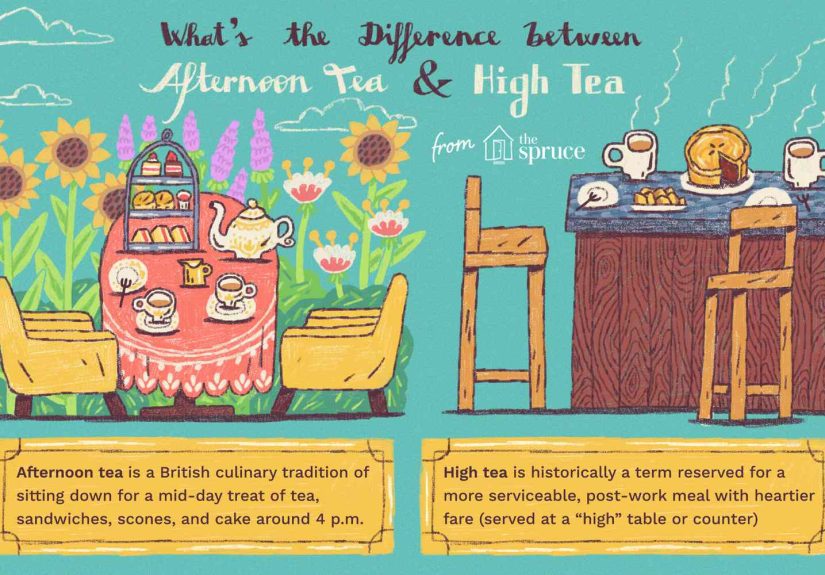
The short version? Afternoon tea is the elegant, three-tiered stand of finger sandwiches,
scones, and tiny pastries you’ve seen all over Instagram. High tea, on the other hand, started
life as a hearty early evening meal for tired workers who needed real fuel, not delicate
cucumber sandwiches.
Let’s break down what afternoon tea and high tea really are, how they began, what’s typically
served, and how you can enjoy each tradition today without accidentally confusing your British
friends.
What Is Afternoon Tea?
A Brief History of Afternoon Tea
Afternoon tea as we know it dates back to the early 1840s and is often associated with
Anna, the Duchess of Bedford. As the story goes, the gap between a light
midday lunch and a late 8 p.m. dinner left her feeling hungry in the afternoon. Her solution
was to ask for tea, bread, butter, and small cakes to be brought to her room in the late
afternoon. Friends joined in, it became fashionable, and a new social ritual was born.
Over time, afternoon tea spread from aristocratic drawing rooms to middle-class households and
then to hotels and tearooms. Today, it’s just as likely to be part of a birthday celebration,
bridal shower, or themed event as it is a quiet mid-afternoon pause.
When and Where Is Afternoon Tea Served?
Traditionally, afternoon tea is served between 3 p.m. and 5 p.m., safely
between lunch and dinner so you don’t spoil either.
Classic afternoon tea is often called “low tea” because it was originally
enjoyed in a sitting room on low chairs and small tables. Think comfy armchairs, low coffee
tables, and a leisurely pace. Modern hotels and tearooms might seat you at standard tables,
but the vibe is still relaxed, social, and a bit luxurious.
What’s on the Afternoon Tea Menu?
A traditional afternoon tea is usually served on a three-tiered stand and includes:
- Finger sandwiches: crustless, neatly cut, and filled with classic combinations
like cucumber, smoked salmon, egg and cress, ham and mustard, or chicken salad. - Scones: served warm with clotted cream and jam (strawberry is common). In
some places, this simpler version is called cream tea. - Pastries and cakes: mini tarts, macarons, petits fours, Victoria sponge,
Battenberg cake, or other bite-size desserts. - Tea: usually black teas like Earl Grey, Assam, Darjeeling, or Ceylon, with
milk and sugar on the side; herbal and green teas are common modern additions.
Some venues offer “full afternoon tea,” which simply means a more complete menu of savory
sandwich courses, scones, and sweets served with tea.
Afternoon Tea Etiquette in a Nutshell
Afternoon tea looks formal, but the rules are simpler than you might think. In many hotels the
dress code is smart casual: neat clothing, no gym wear, and often no sneakers.
A few quick etiquette tips:
- Stir your tea gently back and forth, not in circles, and don’t clink the spoon on the cup.
- Rest your cup on the saucer between sips rather than holding it constantly.
- Break scones by hand instead of cutting them with a knife.
- Add jam and cream as you preferjust don’t start a fight about which goes on first.
What Is High Tea?
High Tea’s Working-Class Roots
High tea sounds fancy“high” anything usually doesbut historically it was a
working-class evening meal. During the 19th century, industrial workers often
didn’t have time for a big midday meal. Instead, they came home hungry in the late afternoon or
early evening and needed something hearty to keep them going.
The term “high tea” refers not to social status, but to the furniture: it was eaten at a
high tablea full-sized dining table with regular chairsrather than at low
parlor tables. Hence, “high” tea.
When Is High Tea Served and What’s Included?
High tea is typically served between 5 p.m. and 7 p.m.. It functions as a main
meal, not a snack or light refreshment.
A traditional high tea menu might include:
- Hot savory dishes like pies, sausages, or casseroles
- Cold cuts of meat, cheese, or fish
- Bread, butter, and jam
- Vegetables or potatoes
- Cakes or simple desserts
- Plenty of strong tea to wash it all down
In some British regions today, people still casually refer to their evening meal as “tea,” even
if it looks more like what others would call dinner or supper.
Why Americans Often Get “High Tea” Wrong
Outside Britain, especially in the United States, “high tea” is frequently used on menus and
marketing materials as a glamorous name for afternoon tea. You’ll see hotels advertising
“champagne high tea” that is absolutely not the hearty worker’s meal it once was.
Is this technically inaccurate? Yes. Is it going to confuse British visitors? Definitely. But
in modern global usage, many people simply hear “high tea” and think “fancy tea with lots of
little desserts.” So, when you’re traveling or booking a tea experience, check the menu and
time of day instead of relying on the name alone.
Afternoon Tea vs. High Tea: Key Differences
To keep things straight, here’s a simple comparison:
- Purpose:
- Afternoon tea: A social, leisurely break with light refreshments.
- High tea: A practical, filling evening meal for hungry workers.
- Time of day:
- Afternoon tea: Generally between 3 p.m. and 5 p.m.
- High tea: Typically between 5 p.m. and 7 p.m.
- Setting:
- Afternoon tea: “Low tea,” originally served in drawing rooms on low tables.
- High tea: Served at a high, full-size dining table.
- Menu:
- Afternoon tea: Finger sandwiches, scones, small cakes, and pastries.
- High tea: Hearty dishes like meat pies, eggs, cheese, and bread, plus tea.
- Vibe:
- Afternoon tea: Elegant, social, sometimes a bit fancy or themed.
- High tea: Historically practical and homely; today mostly a term people misuse for “fancy tea.”
How Afternoon Tea and High Tea Show Up Today
In modern life, afternoon tea has evolved into a full-blown experience. In the UK and beyond,
you’ll find:
- Luxury hotel teas with fine china, live piano music, and champagne upgrades
- Themed teas inspired by TV shows, historical dramas, or holidays
- Casual café teas that offer a scaled-down selection at friendlier prices
Afternoon tea has even become a popular alternative to evening dining outespecially in
economic downturns, when people still want a treat but maybe not a full restaurant dinner.
In the United States, many hotels and tea rooms advertise “afternoon tea,” while others use
“high tea” as a catch-all to mean “fancy tea service.” If the menu shows towers of sweets and
dainty sandwiches and your booking is at 3 p.m., you’re looking at an afternoon-tea-style
experience, whatever they call it.
True high teameaning a hearty family meal with teastill exists in some British homes and
rural areas, but you’re unlikely to encounter it as a tourist unless you’re staying with locals.
How to Choose Between Afternoon Tea and High Tea
If you’re planning a special outing or hosting at home, ask yourself:
- Do I want something elegant and social? Choose an
afternoon tea style menu with sweet and savory bites. - Do I need a full meal that will seriously fill people up? Build a
high tea–inspired menu with casseroles, pies, salads, and bread, plus tea. - What time works best? Afternoon tea sits nicely in mid-afternoon; high
tea–style meals make sense at dinner time.
You can absolutely mix elements. It’s your tableif you want sausage rolls on the bottom tier
and mini cupcakes on the top, go for it.
Hosting an Afternoon Tea at Home
You don’t need a grand hotel or a silver tea service to host a charming afternoon tea at home.
A few basics will give you the right feel:
- Set the table: Use a tablecloth, cloth napkins if you have them, and your
nicest mugs or cups. A tiered stand is lovely but optional. - Prepare a simple menu: Two or three types of sandwiches, scones (homemade or
store-bought), and a couple of small desserts are plenty. - Offer tea choices: A robust black tea plus one herbal option usually makes
everyone happy. - Set a relaxed pace: This is about conversation and slowing down, not rushing
people through courses.
For a high tea–inspired menu at home, you can swap out the dainty sandwiches for baked dishes
like quiche, savory pies, roasted vegetables, and hearty breadsall still served with plenty
of tea.
Quick FAQ About Afternoon Tea and High Tea
Is High Tea Fancier Than Afternoon Tea?
Traditionally, no. Afternoon tea was the more “posh” social event, while high tea was closer
to a family dinner. Modern marketing has flipped this in some places, especially in North
America, but the historic roots are the opposite of what many people assume.
Do I Have to Dress Up?
It depends on the venue. Many places simply ask for smart casual: think neat jeans or trousers,
a nice top, and clean shoes. Some luxury hotels require jackets and discourage denim and
sneakers, so it’s always smart to check the dress code in advance.
Can Children Join Afternoon Tea?
Absolutely. Many venues offer “children’s afternoon tea” with smaller portions, kid-friendly
sandwiches, and fun themed treats. At home, it can be a great way to teach kids basic table
manners in a playful settingjust don’t expect the scones to survive uncrumbled.
Real-Life Experiences with Afternoon Tea and High Tea
Understanding the definitions is one thing; actually experiencing afternoon tea or high tea
brings the tradition to life. Here are a few scenarios that show how these meals feel in the
real world.
A Hotel Afternoon Tea with the Full Experience
Imagine walking into a historic hotel lobby at 3 p.m. Sunlight filters through tall windows,
a pianist is playing quietly in the corner, and the smell of freshly brewed tea drifts through
the room. You’re shown to a table set with fine china, linen napkins, and a polished three-tier
stand just waiting to be filled.
First, a server brings a menu of teasEarl Grey, Darjeeling, Assam, maybe a couple of house
blends with names that sound like perfume. You pick one and soon a pot arrives, with a tiny
strainer for loose leaves. A few minutes later, the stand appears: neat rows of cucumber and
smoked salmon sandwiches on the bottom tier, warm scones wrapped in a napkin in the middle,
and tiny works-of-art desserts on top.
You spend the next hour nibbling your way up the stand, pouring tea, and catching up with a
friend. No one rushes you. It feels indulgent, but not heavymore like extending the best part
of a coffee date and making it an event. That’s afternoon tea at its best: not just food and
drink, but a mini-ritual of slowing down.
A Casual High Tea–Style Family Meal
Now picture a different scene: it’s a cool, rainy evening in a small town. Someone comes home
from work tired and hungry. On the table there’s a big pot of strong tea, thick slices of bread
and butter, a casserole or savory pie straight from the oven, maybe some pickles or salad, and
a simple cake for dessert.
People sit down, tuck in, and talk about their day. There are no tiered stands or delicate tea
cupsjust sturdy plates, mugs, and enough food to genuinely fill everyone up. The tea isn’t a
fancy pairing; it’s just what you drink with your evening meal.
That scene is much closer to traditional high tea: a practical, comforting
family meal that happens to center around tea.
A DIY Afternoon Tea with Friends
Maybe you don’t have a five-star hotel nearby, but you still want the afternoon tea experience.
At home, you can keep things simple and still make it special. You might:
- Pick up a couple of different teas from the grocery storeone classic black, one herbal.
- Make egg salad and cucumber sandwiches, then cut them into small rectangles.
- Bake scones from a mix or buy them pre-made and warm them in the oven.
- Add mini cupcakes, cookies, or fruit tarts from a bakery.
Put everything on plates or a tiered stand if you have one, put on some soft music, and invite
friends to dress up a little if they feel like it. It’s surprisingly easy to turn a regular
afternoon into something that feels like a celebration.
Travel Tip: Reading Menus Without Getting Confused
If you’re traveling in the UK or elsewhere and you see “afternoon tea” on a menu, you can be
fairly confident you’re getting the classic three-tier experience. If you see “cream tea,”
you’re likely looking at scones with jam, cream, and tea only. If you see “high tea,” don’t
panicjust check the description:
- If the menu lists little sandwiches, scones, and cakes between 2 and 4 p.m., it’s afternoon
tea by another name. - If the menu lists bigger dishes like pies, eggs, or hearty mains around 5–7 p.m., you’re
closer to a high tea–style meal.
Once you understand the difference, you can pick the tea-time experience that matches your
appetite and your calendar.
Conclusion: Two Traditions, One Great Excuse for Tea
Afternoon tea and high tea may share the word “tea,” but they grew out of very different needs:
one was about elegance and socializing, the other about nourishment and practicality. Today,
the language has blurredespecially outside the UKbut the underlying ideas are still there.
If you’re dreaming about delicate sandwiches, warm scones, and an afternoon spent chatting over
a teapot, you’re thinking of afternoon tea. If you want a satisfying, tea-centered
evening meal, you’re channeling traditional high tea, even if you just call it
dinner. Either way, you’re taking part in a long history of using tea as an excuse to pause,
connect, and enjoy good food.