Table of Contents >> Show >> Hide
- Monk Fruit 101: The Fruit Behind the Sweetness
- Why Monk Fruit Is So Sweet: Mogrosides (The Real MVPs)
- How Monk Fruit Sweetener Is Made
- Does Monk Fruit Have Calories or Carbs?
- Monk Fruit and Blood Sugar: What We Know
- Potential Benefits: Where Monk Fruit Can Help
- Is Monk Fruit Sweetener Safe?
- Monk Fruit vs. Other Sweeteners (Quick Comparison)
- How to Use Monk Fruit at Home (Without Ruining Dessert Night)
- Shopping Smarter: How to Choose a Monk Fruit Sweetener
- The Bottom Line: What Is Monk Fruit, Really?
- Real-World Experiences With Monk Fruit (The Stuff People Actually Notice)
If sugar had a publicity team, it would be everywhere (oh wait… it is). It sweetens coffee, hides in salad dressing,
throws surprise parties in “healthy” granola, and somehow ends up in foods that have no business tasting like dessert.
So it’s no shock that a lot of people go looking for a sugar alternative that doesn’t spike their dayor their blood sugar.
Enter monk fruit, the sweetener with a name that sounds like it should come with a robe and a life lesson.
Monk fruit sweetener has become a go-to for people who want a zero-calorie sweetener that still tastes like,
well, sweetness. But what exactly is monk fruit, how does it work, and is it as magical as the “longevity fruit” nickname suggests?
Let’s get into it.
Monk Fruit 101: The Fruit Behind the Sweetness
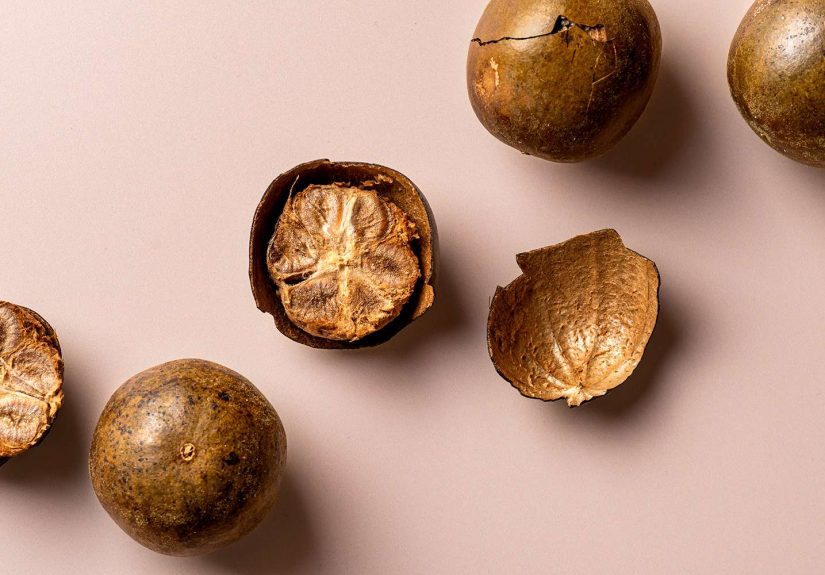
Monk fruit (also called luo han guo) is a small, round fruit native to southern China.
Botanically, it comes from the plant Siraitia grosvenorii, which belongs to the gourd family (yescousin energy with melons and cucumbers).
Historically, the dried fruit has been used to make teas and traditional preparations, especially for soothing the throat.
In the U.S., though, monk fruit is best known for one job: sweetening foods and drinks.
Here’s the twist: most people aren’t buying monk fruit at the grocery store and slicing it into a fruit salad.
What’s typically sold as “monk fruit sweetener” is an extract made from the fruitbecause that’s where the intense sweetness lives.
Why Monk Fruit Is So Sweet: Mogrosides (The Real MVPs)
Monk fruit’s sweetness comes from natural compounds called mogrosides, which are sweet-tasting antioxidants found in the fruit.
The most famous one is mogroside V. Mogrosides are responsible for monk fruit being dramatically sweeter than table sugar,
without bringing sugar’s calories along for the ride.
Mogrosides vs. Sugar: Different “Sweet,” Different Body Response
Regular sugar (sucrose) is a carbohydrate your body breaks down for energy. Mogrosides aren’t handled the same way.
Monk fruit extract is generally considered a nonnutritive sweetenermeaning it provides sweetness with minimal to no calories
and typically doesn’t behave like sugar in your bloodstream.
That’s a big reason monk fruit shows up in conversations about blood sugar-friendly sweeteners and lower-sugar lifestyles.
It’s not “health” in a spoonful, but it can be a tool.
How Monk Fruit Sweetener Is Made
Monk fruit sweetener usually starts with fruit that’s harvested, then processed so the sweet compounds can be separated from the pulp and skin.
The exact method varies by manufacturer, but the general idea looks like this:
- Harvest the fruit (often when ripe), then dry or stabilize it.
- Extract the sweet components (mogrosides) using water or food-grade processing methods.
- Filter and concentrate the extract to increase mogroside content.
- Dry into powder or keep as a liquid concentrate, depending on the final product.
That’s why some labels say “monk fruit extract” and others specify a percentage of mogrosides. Higher mogroside concentration generally means
more sweetness per pinch.
Does Monk Fruit Have Calories or Carbs?
Pure monk fruit extract is typically marketed as having zero calories and no sugar.
But your pantry doesn’t live in a laboratory, so here’s the practical detail that matters:
many monk fruit sweeteners are blends.
Because monk fruit extract is extremely sweet, manufacturers often mix it with a “bulking agent” so it measures more like sugar.
Common mixers include erythritol (a sugar alcohol) or other ingredients that help it pour, scoop, and bake like the real thing.
Some blends can include carbs or affect digestion, depending on what’s added.
Translation: if you want the most accurate picture of calories and carbs, read the Nutrition Facts and ingredient list.
“Monk fruit” on the front doesn’t always mean “monk fruit only” on the inside.
Monk Fruit and Blood Sugar: What We Know
Monk fruit sweetener is popular with people who are cutting back on sugar, including those managing diabetes,
because it generally doesn’t raise blood glucose the way sugar does. Major health organizations note that
nonnutritive sweeteners can be used in place of sugar as part of a plan to reduce added sugars and manage overall carbohydrate intake.
That said, two important reality checks:
- “Sugar-free” doesn’t automatically mean “healthy.” A cookie without sugar can still be a cookie.
(Delicious? Possibly. A vitamin? Sadly, no.) - Some monk fruit products include other sweeteners that may affect your body differently.
If a blend contains sugar alcohols, your blood sugar response may still be minimal, but your digestion might have opinions.
Potential Benefits: Where Monk Fruit Can Help
1) Cutting Back on Added Sugars (Without Feeling Punished)
The strongest “benefit” of monk fruit is simple: it can help you reduce added sugars.
U.S. dietary guidance encourages keeping added sugars below a certain portion of daily calories,
and swapping sugar for a nonnutritive sweetener is one way some people make that goal more realistic.
Example: If you usually add two teaspoons of sugar to coffee twice a day, that’s about eight teaspoons a weekjust in coffee.
Using monk fruit instead can reduce that sugar habit without forcing you to drink “sad bean water.”
2) Helpful for People Watching Carbs
People following lower-carb eating patterns often use monk fruit sweetener to keep sweetness in the rotation while keeping sugar lower.
This can make it easier to enjoy foods like yogurt, oatmeal, or homemade sauces with less added sugar.
3) Tooth-Friendly Sweetening
Sugar feeds oral bacteria that contribute to tooth decay. A sweetener that doesn’t behave like sugar in the mouth can be appealing
if you’re trying to protect dental healthespecially for frequent sippers of sweet drinks.
4) Antioxidant Buzz (With a Caution Label)
Mogrosides are often described as antioxidants, and lab/animal research has explored potential anti-inflammatory effects.
But “interesting research” is not the same as “proven human benefit,” especially at the small amounts used to sweeten food.
Enjoy monk fruit for what it reliably does (sweetness with little to no calories), and treat the rest as “maybe, but not a promise.”
Is Monk Fruit Sweetener Safe?
In the United States, monk fruit extract used in foods is widely described as generally recognized as safe (GRAS).
You’ll also see major medical organizations and health systems include monk fruit among sugar substitutes people can use,
typically with a common-sense reminder: moderation still matters.
A practical way to think about safety is this: monk fruit extract has been evaluated for use in foods, and it’s used in small quantities
because it’s intensely sweet. For most people, that combination keeps exposure relatively low.
Possible Side Effects (Usually Not the Monk Fruit’s Fault)
- Digestive upset: Often linked to added sugar alcohols (like erythritol) in monk fruit blends.
Some people experience gas, bloating, or stomach discomfortespecially in larger amounts. - Aftertaste: Monk fruit can have a mild “fruity” or lingering sweetness for some people,
though many find it smoother than certain other sweeteners. - Allergies: True monk fruit allergy appears uncommon, but any food ingredient can trigger reactions in sensitive individuals.
A Quick Note on Erythritol Blends
A lot of granulated “monk fruit sweetener” products are mostly erythritol plus monk fruit extract.
Erythritol has also been in the news due to studies examining possible links between higher blood levels of erythritol and cardiovascular risk.
That doesn’t automatically mean “never use it,” but it does mean you should be aware of what you’re actually buying.
If you’re concerned, look for products that clearly state their ingredients and consider using smaller amounts.
Monk Fruit vs. Other Sweeteners (Quick Comparison)
Monk fruit isn’t the only sugar substitute on the shelf. Here’s how it commonly compares:
| Sweetener | Source | Calories | Typical Notes |
|---|---|---|---|
| Monk fruit extract | Fruit (mogrosides) | Typically zero | Smooth sweetness; often blended for baking |
| Stevia | Stevia leaf (steviol glycosides) | Typically zero | Can have a bitter or licorice-like aftertaste for some |
| Erythritol | Sugar alcohol | Very low | Often used as a “bulking” sweetener; may cause GI upset |
| Sucralose/Aspartame | Artificial sweeteners | Zero | Well-studied; taste preferences vary |
How to Use Monk Fruit at Home (Without Ruining Dessert Night)
In Drinks
Monk fruit works well in coffee, tea, smoothies, and homemade lemonades because it dissolves easily (especially liquid forms).
Start with a tiny amount, taste, then adjust. Monk fruit’s sweetness can “stack up” quickly.
In Yogurt, Oatmeal, and Breakfast Foods
If you’re trying to cut added sugar but still want breakfast to feel like breakfast, monk fruit can help.
Try sweetening plain Greek yogurt, chia pudding, or oatmeal, then add berries, cinnamon, or vanilla for extra flavor.
In Sauces and Dressings
Sugar sneaks into marinades and dressings because sweetness balances acid and salt.
Monk fruit can do the same job in a homemade BBQ sauce or vinaigrettejust add slowly and taste as you go.
Baking Tips: The “Bulk Problem”
Baking is where monk fruit gets tricky. Sugar doesn’t just sweetenit adds bulk, browning, moisture, and structure.
Pure monk fruit extract is too concentrated to replace sugar cup-for-cup.
If you bake often, consider:
- Using a monk fruit blend that’s designed as a 1:1 sugar replacement (read the label carefully).
- Expecting less browning, since many sugar substitutes don’t caramelize like sugar.
- Testing small batches firstbecause nobody wants 24 muffins that taste like sweetened air.
Shopping Smarter: How to Choose a Monk Fruit Sweetener
1) Check the Ingredient List First
If the first ingredient is erythritol, it’s mostly erythritol. That’s not “bad,” but it’s different from “pure monk fruit extract.”
If you want monk fruit with fewer add-ins, look for products that clearly specify the extract and list fewer fillers.
2) Watch for Hidden Sweetness Creep
One sneaky downside of any ultra-sweet substitute is that it can keep your taste buds expecting everything to be sweet.
If your goal is to actually reduce your preference for sweetness, you might use monk fruit as a stepping stone:
sweeten less over time instead of searching for a perfect sugar impersonator forever.
3) Keep the Big Picture in Mind
The main nutrition win is often reducing added sugar overall. If monk fruit helps you do thatgreat.
If it becomes a way to justify “sugar-free candy for dinner,” your body will eventually file a complaint.
The Bottom Line: What Is Monk Fruit, Really?
Monk fruit is a small fruit whose sweetness comes from mogrosidesespecially mogroside Vextracted and used to sweeten foods and beverages.
In the U.S., monk fruit sweetener is commonly used as a nonnutritive sweetener to help reduce added sugar intake.
Many products are blended with other ingredients (often erythritol) to make them easier to measure and bake with.
If you like the taste and it helps you cut back on added sugars, monk fruit can be a practical tool.
Just do yourself a favor: read labels, start small, and remember that the healthiest sweet tooth is the one that doesn’t need dessert-level sweetness in everything.
Real-World Experiences With Monk Fruit (The Stuff People Actually Notice)
The internet loves a bold claim“tastes EXACTLY like sugar!”but real life is usually more nuanced. When people try monk fruit sweetener,
their experiences tend to fall into a few familiar categories. Here are common patterns (and a few very realistic scenarios) that come up when monk fruit
moves from the label to the spoon.
1) The “Wow, That’s Sweet” Moment
A lot of first-timers overshoot. Monk fruit extract is intensely sweet, and even the 1:1 baking blends can feel sweeter than expected in drinks.
People often report that their best results come from using less than they think they need, especially in coffee and tea.
One practical trick is to sweeten, stir, wait 10 seconds, then taste again. Monk fruit’s sweetness can linger a bit, and that pause helps prevent
the classic “accidentally made dessert coffee” scenario.
2) Taste Preferences: “Clean” vs. “Lingering”
Taste is personallike music, or whether pineapple belongs on pizza (it does, respectfully). Many people describe monk fruit as having a pleasant sweetness
without the sharp bitterness they notice in some stevia products. Others detect a slight fruity note or a lingering sweetness at the back of the tongue.
The experience also changes by brand because products vary in mogroside concentration and blending ingredients. People who don’t love one brand often find
they like anotherso “I tried monk fruit once” isn’t always the final verdict.
3) Baking Reality: Cookies Don’t Read Marketing Copy
In baking, the most common experience is surprise at how much sugar actually does beyond sweetness. People swapping sugar for monk fruit blends often notice:
less browning, a slightly different texture, and sometimes a “cooling” sensation if the product contains erythritol. The wins usually show up in recipes
where sugar isn’t the star of the structurethink quick breads, muffins, cheesecakes, smoothies, and no-bake desserts. The tougher swaps are caramel,
meringues, and anything that depends on sugar’s chemistry for that perfect crunch or chew.
4) The Digestive Plot Twist (Usually From the Blend)
A very common real-world report has nothing to do with monk fruit itself and everything to do with what it’s paired with.
If someone tries a granulated monk fruit sweetener that’s mostly erythritol and uses it generouslyespecially in multiple servings
they may notice gas, bloating, or stomach discomfort. The experience varies widely: some people tolerate sugar alcohols just fine, others do not.
People who are sensitive often do better with smaller amounts, using monk fruit in liquids, or choosing products with fewer sugar alcohols.
5) The “Bridge Sweetener” Effect
Another experience people mention is that monk fruit helps them step down from high-sugar habits without feeling miserable.
For example, someone used to sweetened yogurt might switch to plain yogurt with fruit plus a small sprinkle of monk fruit.
Over a few weeks, they gradually reduce the amount until the fruit and cinnamon do most of the work. In that way, monk fruit becomes a temporary helper,
not a forever crutchlike training wheels for your taste buds.
The big takeaway from real-life use is simple: monk fruit sweetener can be genuinely helpful, but results depend on
the product, the amount, and the context. Start small, experiment, and let your taste (and stomach) be your guide.