Table of Contents >> Show >> Hide
- What Is the First House in Astrology?
- Why the First House Matters So Much
- First House vs. Rising Sign: Are They the Same?
- What the First House Rules in a Birth Chart
- How to Interpret the First House in Your Birth Chart
- What If Your First House Is Empty?
- Common Misunderstandings About the First House
- Real-Life Ways the First House Can Show Up
- Experiences Related to the First House in Astrology
- Conclusion
If astrology were a movie, the First House would be the opening scene, the lighting, the outfit, and the way the main character kicks open the door. It is the part of the birth chart that introduces you to the world. Before anyone gets to your deep feelings, your career dreams, or your suspiciously intense opinions about text message punctuation, the First House steps in and says, “Hello, this is how I arrive.”
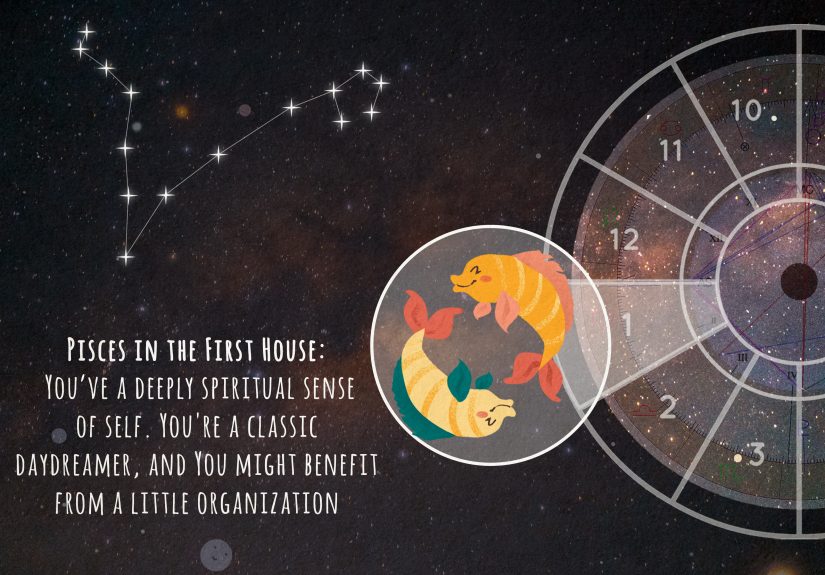
In astrology, the First House is often called the House of Self. It is tied to identity, physical presence, instinctive behavior, and the first impression you make. It begins with the Ascendant, also known as the rising sign, which is the zodiac sign rising on the eastern horizon at the exact moment you were born. That sign sets the tone for the rest of your chart and acts like the front door to your whole astrological blueprint.
So if you have ever wondered why your Sun sign description feels a little off, your First House may be the missing piece. Your Sun sign speaks to your core self, but the First House reveals how you move through life, how people see you at first glance, and how you naturally begin things. In other words, your Sun sign is the novel, and your First House is the cover people judge before reading chapter one. Rude, but accurate.
What Is the First House in Astrology?
The First House is the starting point of the natal chart. It rules the self in the most immediate sense: your identity, body, temperament, vitality, personal style, and approach to life. This house is associated with beginnings, initiative, and your instinctive reaction to new people, places, and situations.
Because it starts with the Ascendant, the First House is deeply connected to your rising sign. That is why astrologers often treat it as one of the most important houses in the chart. It colors how your personality gets expressed on the outside. Think of it as the difference between who you are in private and how your energy enters a room before you even speak.
The First House is also traditionally linked with Aries and Mars. That does not mean everyone with a strong First House acts like an Aries on three espressos, but it does mean this house carries themes of action, courage, independence, and personal drive. It is about taking up space, starting fresh, and saying, “Okay, life, let’s do this.”
Why the First House Matters So Much
Some houses in astrology reveal life areas that take time to unfold. The First House is different. It is immediate. It is visible. It is active every day. It affects the way you carry yourself, the way others read your energy, and the way you instinctively respond to life before you have time to overthink it.
This is why the First House matters so much in birth chart interpretation. It can help explain:
- How you present yourself to the world
- Your self-image and personal identity
- Your natural confidence level and independence
- Your physical expression, mannerisms, and style
- The kind of first impression you make
- How you begin projects, relationships, and new chapters
In practical terms, the First House can show whether you come across as bold, soft, serious, playful, dreamy, intense, reserved, magnetic, or impossible to ignore. It does not tell the whole story of who you are, but it absolutely explains why some people meet you and immediately think, “This person has a vibe.”
First House vs. Rising Sign: Are They the Same?
Almost, but not exactly. The rising sign is the zodiac sign on the cusp of the First House. The First House is the life area that sign rules. In many modern chart readings, the two are discussed together because they are so closely linked.
Here is the easy version: the rising sign is the costume design, and the First House is the stage where that costume appears. If you are a Leo rising, for example, Leo energy shapes your First House themes. That may show up as warmth, visibility, charisma, and a flair for making an entrance. If you are a Virgo rising, your First House may express itself through precision, calm observation, and a polished or practical presence.
Your exact birth time matters here because the rising sign changes roughly every two hours. So yes, in astrology, being born a little earlier can absolutely change the whole mood of the celestial outfit.
What the First House Rules in a Birth Chart
1. Identity and Self-Image
The First House is your outer identity: how you understand yourself in motion. It is less about your inner emotional world and more about your visible sense of self. This house can point to how comfortable you are being seen, how much initiative you take, and how strongly you identify with your own personal direction.
2. Physical Appearance and Presence
Astrologers often connect the First House with physical features, body language, and overall appearance. This does not mean astrology can replace a mirror, but it can describe the energy people notice. Some First House placements create a striking, expressive, athletic, elegant, or unusual presence. Others suggest softness, reserve, or seriousness.
3. First Impressions
If your chart had a handshake, it would live here. The First House governs the immediate impression you make before people get to know you better. It can show whether you seem friendly, intimidating, witty, guarded, confident, or like someone who already has a color-coded planner for next year.
4. Instincts and Reactions
This house also rules automatic responses. When something new begins, how do you react? Do you leap, pause, charm, analyze, protect, or disappear into a fashionable fog of mystery? Your First House can reveal that default mode.
5. New Beginnings
Because it is the first house of the zodiac wheel, it governs beginnings and personal initiative. It reflects how you start things, how you introduce yourself to life, and whether your natural style is direct, cautious, strategic, spontaneous, or gloriously dramatic.
How to Interpret the First House in Your Birth Chart
Look at the Sign on the First House Cusp
The first step is to identify your rising sign. That sign describes the style of your self-expression.
- Aries Rising: bold, quick, direct, energetic
- Taurus Rising: grounded, steady, sensual, composed
- Gemini Rising: curious, social, witty, adaptable
- Cancer Rising: gentle, protective, intuitive, emotionally tuned in
- Leo Rising: radiant, expressive, noticeable, confident
- Virgo Rising: observant, refined, practical, thoughtful
- Libra Rising: charming, diplomatic, stylish, relationship-aware
- Scorpio Rising: intense, magnetic, private, powerful
- Sagittarius Rising: upbeat, adventurous, candid, future-focused
- Capricorn Rising: serious, disciplined, capable, self-controlled
- Aquarius Rising: unconventional, cerebral, independent, distinctive
- Pisces Rising: dreamy, sensitive, artistic, fluid
Check the Ruling Planet
Next, look at the planet that rules your rising sign. This is often called the chart ruler, and it adds another layer to First House interpretation. For example, a Libra rising has Venus as chart ruler, so Venus’ placement can say a lot about how that person expresses identity. A Capricorn rising looks to Saturn. A Scorpio rising may consider both Mars and Pluto, depending on the tradition used.
This matters because the chart ruler tells you how First House energy is lived out. It is one thing to have a bold Ascendant; it is another to have the ruling planet tucked into the Twelfth House writing emotional poetry in secret.
Notice Any Planets in the First House
Planets in the First House are loud. Not necessarily in volume, but in impact. They become part of your visible identity and often shape how others perceive you.
- Sun in the First House: strong presence, self-awareness, noticeable vitality
- Moon in the First House: expressive emotions, sensitivity, changing moods visible on the face
- Mercury in the First House: talkative, sharp, mentally active, youthful energy
- Venus in the First House: charm, beauty, warmth, social ease
- Mars in the First House: drive, assertiveness, courage, impatience, “let’s go already” energy
- Jupiter in the First House: optimism, generosity, larger-than-life presence
- Saturn in the First House: seriousness, reserve, discipline, slow-building confidence
- Uranus in the First House: originality, unpredictability, rebellious individuality
- Neptune in the First House: soft edges, imagination, mystery, porous boundaries
- Pluto in the First House: intensity, transformation, depth, powerful personal magnetism
What If Your First House Is Empty?
An empty First House does not mean you lack a personality. That would be both astrologically incorrect and socially devastating. It simply means there are no natal planets placed there. You still interpret the First House by looking at the sign on the cusp and the ruling planet.
In many charts, an empty First House can suggest that identity expression is more straightforward or less crowded by competing planetary themes. The house still matters. It just speaks through its sign and ruler rather than through resident planets.
Common Misunderstandings About the First House
It Is Not Just About Looks
Yes, the First House is associated with appearance and presentation, but reducing it to “what hairstyle fits your rising sign” misses the bigger picture. This house is about how you embody yourself. It includes posture, instinct, confidence, presence, movement, and the way your identity meets the outside world.
It Is Not Your Entire Personality
The First House is important, but it is not the whole chart. A person may appear outgoing because of their First House and still have a deeply private Moon sign or a highly strategic Mercury placement. Astrology works best when read as a system, not a single headline.
It Is Not Fate in a Fancy Outfit
The First House can describe tendencies, strengths, and patterns, but it does not lock you into one identity forever. People grow. Style evolves. Confidence changes. Your chart describes your starting energy, not a permanent script etched into cosmic stone tablets.
Real-Life Ways the First House Can Show Up
The First House often becomes easiest to understand through everyday life. Maybe someone has a Venus-ruled First House and is known for being effortlessly likable, polished, or aesthetically gifted. Maybe another person has Mars in the First House and walks fast, decides fast, and looks mildly offended when everyone else takes too long choosing a restaurant. Maybe a Saturn-heavy First House person seems quiet at first, only to reveal a dry wit and impressive stamina once you actually earn their trust.
It can also show up in style changes, confidence shifts, and public reinvention. When people begin understanding their First House, they often say things like, “That explains why people assume I’m more confident than I feel,” or “Now I get why first impressions of me are so different from my inner world.” The First House can be revealing that way. It holds the difference between essence and presentation, soul and surface, truth and packaging.
Experiences Related to the First House in Astrology
For many people, learning about the First House feels oddly personal, like discovering that the universe had been taking notes during every awkward introduction, every brave first step, and every era of “I swear this haircut seemed like a good idea at the time.” While astrology is interpretive, people often describe First House insights as surprisingly relatable because this house deals with lived experience in such visible, everyday ways.
One common experience is realizing that your rising sign explains why others read you differently than you read yourself. Someone with a soft Cancer Sun but a Capricorn rising may feel tender, sentimental, and deeply emotional inside, yet come across as composed, serious, and hard to impress. Another person with a reserved Virgo Sun and a Sagittarius rising may privately overanalyze everything but still appear cheerful, adventurous, and spontaneous. This gap between inner identity and outer presentation is one of the reasons the First House fascinates people so much. It explains why your vibe can enter the room a full five seconds before your actual personality has time to say hello.
Another experience tied to the First House is body awareness. People with strong First House placements often describe feeling like their identity is closely connected to movement, posture, appearance, or physical energy. This does not mean vanity. It can mean that changing the outer layer somehow affects the inner one. A new wardrobe, a sharper routine, a better sleep schedule, or a stronger sense of embodiment can feel emotionally significant because the First House links self-image with visible presence. When this part of the chart is activated, people often feel driven to “become themselves” more clearly, sometimes through style, fitness, or simply walking into a room like they belong there.
The First House also shows up during transitions. New jobs, new cities, breakups, glow-ups, public launches, and those moments when you decide to stop shrinking yourself all tend to stir First House themes. People often say they felt called to redefine who they were, how they introduced themselves, or what kind of energy they wanted to project. In that sense, the First House is not shallow at all. It is not about surface for the sake of surface. It is about alignment. It asks whether the person you present is actually in sync with the person you are becoming.
There is also the experience of misinterpretation. A Scorpio rising might be labeled intimidating when they are simply observant. A Gemini rising may be called scattered when they are really just mentally quick. A Pisces rising can be mistaken for passive when they are actually absorbing everything in the room like an emotional sponge with excellent intuition. First House astrology can be helpful because it gives language to these patterns. It reminds people that being perceived is not always the same thing as being fully known.
Perhaps the most meaningful First House experience is learning to own your entrance without apologizing for it. Some people are meant to arrive softly. Others arrive brightly, boldly, or with enough intensity to make the furniture nervous. The First House does not ask you to perform a fake identity. It asks you to understand your natural one. And once people begin working with that energy instead of against it, they often feel more grounded, more authentic, and a little less confused about why they have always moved through life the way they do.
Conclusion
The First House in astrology is where the birth chart begins, and that is exactly why it matters. It reveals the style of your selfhood: your presence, your instincts, your appearance, your first impression, and your approach to beginnings. By looking at the sign on the First House cusp, the ruling planet, and any planets placed inside the house, you can get a clearer picture of how you meet life and how life meets you back.
More than anything, the First House reminds us that identity is both felt and expressed. It is your energy in motion. It is the part of you that steps forward first. And whether your entrance is bold, elegant, mysterious, analytical, magnetic, or delightfully hard to categorize, the First House helps explain why it is unmistakably yours.
Note: Astrology is best used as a tool for reflection and self-understanding, not as a fixed rulebook for your life.