Table of Contents >> Show >> Hide
- The Simple Definition of Xbox Game Pass
- How Xbox Game Pass Works
- What Plans Are Available?
- What Makes Xbox Game Pass So Popular?
- What Kinds of Games Are on Xbox Game Pass?
- What Does “Day-One Release” Mean?
- Xbox Game Pass vs. Buying Games
- The Biggest Benefits of Xbox Game Pass
- The Downsides You Should Know About
- Who Should Get Xbox Game Pass?
- Is Xbox Game Pass Worth It?
- The Real Experience of Using Xbox Game Pass
- Final Thoughts
If you have ever looked at a $70 game, clutched your wallet, and whispered, “Maybe next month,” Xbox Game Pass probably sounds like a pretty good friend. It is Microsoft’s gaming subscription service, and at its core, it works a lot like a buffet: you pay a monthly fee, then get access to a large library of games you can download or, in some cases, stream. The difference is that this buffet includes blockbuster franchises, indie darlings, day-one releases on select plans, and enough genre variety to cause the classic modern-gamer condition known as “choice paralysis.”
Still, the real question is not just what Xbox Game Pass is. It is how it works, why people like it, which plan makes sense, and whether it is actually worth the money. That is where things get interesting. Game Pass is no longer a one-size-fits-all subscription. It now has multiple tiers, different perks, and a value equation that depends a lot on whether you play on console, PC, or anything with a screen and a decent internet connection.
The Simple Definition of Xbox Game Pass
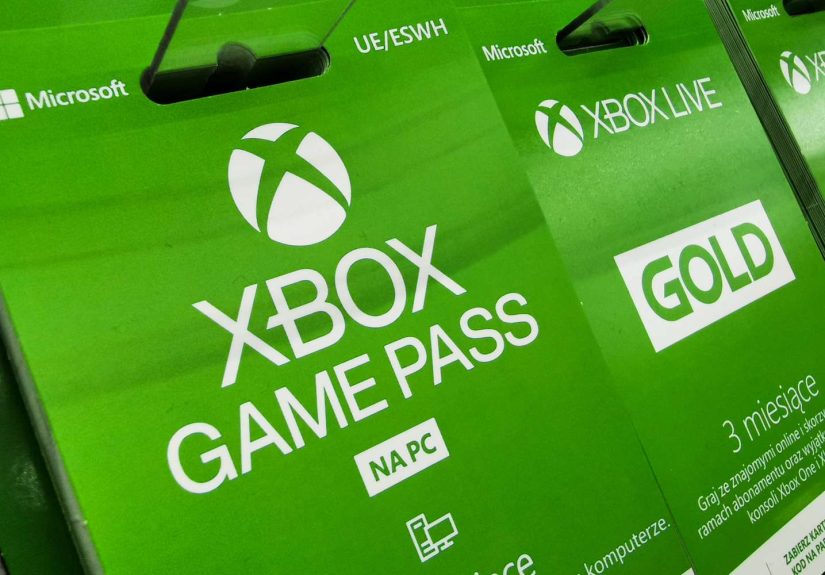
Xbox Game Pass is a subscription service from Microsoft that gives members access to a changing library of games for Xbox consoles, Windows PCs, and supported cloud-gaming devices. Instead of buying every game individually, you pay a recurring monthly fee and get access to a catalog that can include everything from first-party Xbox titles to third-party hits, indie games, EA Play content, and extra in-game benefits depending on the plan you choose.
Think of it as a gaming membership rather than a digital shopping cart. You are not automatically purchasing each title forever. You are paying for access while your subscription stays active and while the game remains in the Game Pass library. When a title leaves the service, your access to it ends unless you buy it separately. That is one of the most important details to understand, and it is also one of the main trade-offs.
How Xbox Game Pass Works
You subscribe instead of buying each game outright
Once you sign up, you can browse the Game Pass catalog and start installing eligible games to your Xbox console or Windows PC. On supported titles and plans, you can also stream games through Xbox Cloud Gaming instead of downloading them. That means you can jump into a game faster, play on devices that do not have strong gaming hardware, or test a title before committing storage space to it.
The library changes over time
Game Pass is not a static vault. New games arrive regularly, and some games leave. That rotating model is a huge part of the appeal because it keeps the catalog fresh, but it also means you should not assume every title will stay forever. If you fall in love with a game that is leaving the service, Microsoft often offers member discounts so you can buy it and keep playing after it exits.
Not every plan offers the same perks
This is where modern subscriptions do their favorite thing: become a little complicated. Some Game Pass plans focus on basic access and online play, while others include day-one releases, EA Play, cloud gaming advantages, and extra bundled benefits. So when people ask, “What is Xbox Game Pass?” the honest answer is: it depends a bit on which version you mean.
What Plans Are Available?
At the time of writing, Xbox Game Pass in the U.S. is built around four main options: Essential, Premium, Ultimate, and PC Game Pass. Each serves a different type of player.
Xbox Game Pass Essential
Essential is the entry-level option. It includes a curated library of 50-plus games, online console multiplayer, cloud access on supported devices, and in-game benefits for certain titles. It is the plan for someone who wants the basics without paying for the full deluxe experience. If you mostly play online with friends and like having a modest ready-made library, this is the affordable starting point.
Xbox Game Pass Premium
Premium sits in the middle. It offers a larger library of 200-plus games across console, PC, and supported devices, plus online multiplayer and cloud gaming. The catch is that it does not offer true day-one access in the same way Ultimate and PC Game Pass do. Instead, new Xbox-published games are slated to join Premium within a year of launch, with some exceptions. In plain English: you get a lot more games than Essential, but you are not always first in line for the newest releases.
Xbox Game Pass Ultimate
Ultimate is the top-tier plan and the one most people think of when they picture the full Game Pass experience. It includes a huge library of 500-plus games, day-one access to new releases, online console multiplayer, cloud gaming with the best streaming quality Microsoft offers, EA Play, Ubisoft+ Classics, Fortnite Crew, and in-game benefits for certain games. This is the “I want the good stuff” tier.
PC Game Pass
PC Game Pass is the PC-focused option. It includes hundreds of PC games, day-one releases on PC, EA Play, and in-game benefits. If you do not care about console multiplayer and mostly game on Windows, PC Game Pass is often the cleanest choice. It gives you many of the most attractive Game Pass perks without requiring you to pay for features designed around Xbox consoles.
So which one is the best?
That depends on how you play. If you want the full cross-device, day-one, all-the-perks package, Ultimate is the answer. If you are a PC-first player, PC Game Pass is usually the smarter buy. If you want a lower monthly cost and can wait for newer first-party games, Premium might be your sweet spot. And if you just want online multiplayer plus a starter library, Essential does the job.
What Makes Xbox Game Pass So Popular?
The biggest reason is value. Buying games individually gets expensive fast, especially when major new releases can cost as much as a nice dinner, a regrettable impulse purchase, or one aggressively branded energy drink collection. Game Pass lowers the risk. You can try games you would never buy at full price, drop them without guilt if they are not your thing, and stumble into surprise favorites.
That discovery factor matters more than people sometimes admit. A lot of players sign up for the obvious headliners, then end up obsessed with some weird little indie puzzle platformer they had never heard of three days earlier. Game Pass is good at turning “I guess I’ll try this for ten minutes” into “Why is it suddenly 2:13 a.m.?”
It is also popular because it helps define the broader Xbox ecosystem. You can play across console, PC, and cloud-supported devices. You can browse the library through the Xbox app. You can stream in certain situations instead of downloading. And if you are deep into Microsoft’s gaming ecosystem, Game Pass can feel less like a subscription and more like the center of the whole experience.
What Kinds of Games Are on Xbox Game Pass?
The short answer is: a lot. The longer answer is: a lot, across many genres, with quality and availability changing month to month.
You will typically see a mix of Xbox first-party franchises, Bethesda titles, major third-party games, family-friendly games, indie standouts, co-op games, strategy games, sports titles, and RPGs. At various times, the library has featured major names like Halo, Forza, Minecraft, Diablo IV, Hades, and a rotating lineup of big-budget and smaller experimental games.
That variety is one of Game Pass’s biggest strengths. It is not only for shooters. It is not only for hardcore players. It is not only for one age group or one gaming mood. One evening you might be racing cars at absurd speeds, and the next you might be tending a farm, solving mysteries, or arguing with fictional party members in an RPG for 45 minutes because you cannot decide who gets the magic sword.
What Does “Day-One Release” Mean?
One of the biggest buzz phrases around Xbox Game Pass is day-one releases. That means certain games become available on the same day they officially launch, so subscribers on eligible plans can play them immediately without buying them separately.
This matters because day-one access changes the value proposition. Instead of waiting for a sale or reading a month of reviews before spending more money, you can jump in right away as part of your subscription. For players who love staying current with major releases, that feature can be the entire reason to subscribe.
But here is the important fine print: not every plan includes day-one games. Ultimate and PC Game Pass do. Premium does not offer the same across-the-board day-one model, though it does receive new Xbox-published games within a year of launch. Essential does not include day-one releases. That distinction is a big deal and worth checking before you subscribe.
Xbox Game Pass vs. Buying Games
Buying games outright still has clear advantages. Ownership is the obvious one. When you buy a game, it is yours to keep under the terms of the platform. You do not have to worry about it leaving a subscription library. You can return to it months later without checking whether it quietly disappeared while you were busy pretending you would “definitely finish it next weekend.”
But Game Pass wins on flexibility. If you play a lot of games each year, especially newer ones, the subscription can be cheaper than buying several titles individually. It also encourages experimentation. Instead of spending full price on something you might not enjoy, you can sample widely and follow your curiosity.
For many players, the ideal setup is a hybrid. Use Game Pass to explore, try day-one releases, and discover games you never planned to play. Then buy the few titles you truly love and want permanent access to, especially when member discounts show up. That approach gives you the best of both worlds: variety without total commitment and ownership where it counts.
The Biggest Benefits of Xbox Game Pass
- Lower cost of entry: You can access a large gaming library for one monthly price.
- Day-one releases on select plans: Great for people who want new games immediately.
- Discovery: You are more likely to try genres and games outside your normal routine.
- Cross-platform flexibility: Console, PC, and cloud support make the ecosystem feel connected.
- Extra perks: Some plans include EA Play, in-game benefits, online multiplayer, and more.
The Downsides You Should Know About
- You do not permanently own most games: Access lasts while you subscribe and while the title remains in the catalog.
- The library rotates: A favorite game can leave.
- The tier structure is more complicated than it used to be: You need to compare plans carefully.
- Cloud gaming depends on internet quality: Great internet helps; bad internet turns action scenes into modern abstract art.
- Value depends on your habits: If you only play one game all year, a subscription may not be the best deal.
Who Should Get Xbox Game Pass?
Get Essential if you want the cheapest route into the ecosystem, need online console multiplayer, and like having a smaller built-in library.
Get Premium if you want a larger catalog and cloud access, but you do not care much about getting every big release on launch day.
Get Ultimate if you want the most complete package, especially if you play on multiple devices, care about day-one releases, and want bundled extras.
Get PC Game Pass if your Xbox controller mostly lives next to a keyboard and your gaming life happens on Windows.
Is Xbox Game Pass Worth It?
For many people, yes. If you regularly play different games, enjoy trying new releases, or like the idea of a built-in gaming library that updates over time, Game Pass can be an excellent value. It is especially attractive for players who bounce between genres, families with multiple gaming interests, and anyone who wants access without committing to constant full-price purchases.
However, “worth it” is not universal. If you are the type of player who spends six straight months on one competitive shooter or lives inside one comfort game forever, you may get less value from a rotating catalog. Likewise, if permanent ownership matters more to you than convenience, buying games individually may still be the better path.
In other words, Xbox Game Pass is not magic. It is a tool. A very good one, for the right person.
The Real Experience of Using Xbox Game Pass
On paper, Xbox Game Pass sounds simple: pay monthly, play games. In real life, the experience is a little more interesting, because it changes the way many people think about gaming. Instead of planning each purchase like a miniature financial summit, you start browsing. You get curious. You become more willing to experiment. And that changes your relationship with games in ways that are easy to miss until you have lived with the service for a while.
A typical experience starts with a game you already wanted. Maybe there is a big release on day one, or maybe a popular title finally lands in the catalog. You install it, feel smart for not paying full price, and tell yourself that this alone justifies the subscription. Fair enough. But then something else happens. While browsing the library, you notice a strategy game, a platformer, or a strange-looking indie adventure you never would have purchased on purpose. Because the barrier to entry is so low, you try it. Sometimes you quit after fifteen minutes. Sometimes it becomes your entire personality for a week.
That discovery loop is one of the best parts of Game Pass. It makes gaming feel playful again. You are not trying to “get your money’s worth” out of every single title you buy. You are exploring. If a game clicks, great. If it does not, you move on without resentment. That is weirdly freeing.
The service also works differently depending on your setup. On console, Game Pass often feels like a giant ready-to-go shelf inside your dashboard. On PC, it can feel like an ongoing library card for modern games, especially if you like switching between genres or installing something new on a whim. With cloud support on eligible plans, it can also feel surprisingly convenient when you want to sample a game quickly or play away from your main device. It is not always perfect, and streaming quality still depends heavily on your connection, but when it works well, it feels a bit like cheating in the best possible way.
There are practical frustrations, of course. Storage fills up. Some games leave just when you finally planned to start them. Sometimes the catalog is so full that picking what to play becomes its own side quest. And if you are not careful, you can fall into the habit of browsing for twenty minutes and playing for ten, which is a very modern kind of nonsense. But even those annoyances are part of the larger truth: Game Pass creates abundance, and abundance changes behavior.
For families, the experience can be especially useful because one subscription can open up a wider mix of game styles than most households would buy individually. For budget-conscious players, it removes a lot of pressure. For hobbyist gamers, it becomes a discovery engine. And for people who love staying current with big releases, the right tier can feel like a fast pass to the center of the conversation.
Maybe the best way to describe the Game Pass experience is this: it makes gaming feel easier to start, easier to explore, and easier to share with your own curiosity. It will not guarantee that every game is great. It will not make your backlog less ridiculous. In fact, it may do the opposite. But it does make it easier to find your next favorite game, and that is a pretty strong trick for a subscription service to pull off month after month.
Final Thoughts
So, what is Xbox Game Pass? It is a gaming subscription service, yes, but that definition is almost too small. In practice, it is a flexible way to access a broad library of games across console, PC, and cloud-supported devices, with different plans designed for different kinds of players. The top tiers add serious value through day-one releases, bundled memberships, and cross-device play, while the lower tiers make the Xbox ecosystem more affordable and approachable.
The smartest way to look at it is not as a replacement for every game purchase you will ever make. It is a tool for access, discovery, and convenience. If that matches the way you play, Xbox Game Pass can be one of the most useful subscriptions in gaming. If not, you can skip it without guilt and keep buying the games you truly want to own forever. Either way, at least now the phrase “What is Xbox Game Pass?” does not have to sound like a tech riddle someone muttered at a controller aisle.