Table of Contents >> Show >> Hide
- What a Pap Smear Actually Tests (and What It Doesn’t)
- Why You Might Get a Pap Smear While You’re Pregnant
- Is a Pap Smear Safe During Pregnancy?
- When in Pregnancy Is It Done?
- What to Expect at the Appointment
- Understanding Results While You’re Pregnant
- Do All Pregnant People Need a Pap Smear?
- How to Advocate for Yourself During the Exam
- Frequently Asked Questions
- Conclusion
- Experiences People Commonly Share After a Pap Smear in Pregnancy (Extra Section)
- “I was surprised they did it at my first visitbut it made sense.”
- “The spotting freaked me out… until they explained it.”
- “I’ve had painful exams before, so I asked for adjustmentsand it helped.”
- “My result was abnormal, and the word ‘abnormal’ did not help my stress level.”
- “Honestly, it felt like a lotbecause pregnancy already feels like a lot.”
Pregnancy comes with a packed schedule: ultrasounds, bloodwork, more questions than a toddler at bedtime, and at least one moment where you wonder if your body
is quietly applying for a second full-time job. So when your provider mentions a Pap smear during pregnancy, it’s normal to think:
“Seriously? Another thing?”
Here’s the reassuring truth: a Pap smear (also called a Pap test) is often done in pregnancy for the same reason it’s done any other timebecause it’s a
smart, routine way to screen for cervical cell changes that could turn into cancer later. Pregnancy isn’t a “skip preventive care” coupon. In fact, it can be
an ideal time to catch upbecause you’re already in the office, already being cared for, and already doing the responsible-adult thing (even if you showed up
in mismatched socks).
What a Pap Smear Actually Tests (and What It Doesn’t)
A Pap smear checks cells from your cervixthe lower part of the uterus that opens into the vagina. The goal is to find abnormal cells early,
before they cause symptoms and long before they have a chance to become a bigger problem.
Quick myth-busting
- It does not test the baby. The sample is taken from the cervix, not from the uterus where the pregnancy is developing.
- It’s not the same as an ultrasound. No gel, no screen, no “look at that tiny peanut!” moment.
- It’s not an STI test by default. Some prenatal visits include infection screening, but the Pap’s job is cervical cell screening.
Sometimes your provider may also order an HPV test (human papillomavirus) along with, or instead of, a Pap test depending on your age,
screening history, and local practice. HPV is very common and is the main cause of most cervical cancersso knowing whether high-risk HPV is present can help
guide next steps.
Why You Might Get a Pap Smear While You’re Pregnant
The most common reason is simple: you’re due. If you haven’t had cervical cancer screening within the recommended timeframe, your first
prenatal visit may be the perfect moment to do it. Providers often try to keep pregnancy care efficientbecause no one wants you taking extra trips just to
check a box.
1) You’re overdue (or not sure when your last screening was)
Life happens. People move, change insurance, switch clinics, graduate, start jobs, lose track of “adult to-dos,” and suddenly it’s been longer than expected
since the last Pap test. Pregnancy frequently brings you back into regular medical care, so it’s a natural time to update your preventive screening.
2) It’s part of early prenatal care for many patients
During the first trimester, many providers do a pelvic exam for several reasons, and if you’re due for a Pap test, they may collect it then. This can happen
even if you feel perfectly finebecause cervical screening is meant to catch changes before symptoms show up.
3) You’ve had abnormal Pap results in the past
If you have a history of abnormal cervical screening, your provider may want to make sure your follow-up is current. Pregnancy doesn’t automatically mean
something will worsenbut it does mean it’s especially helpful to have a clear plan and up-to-date information.
4) You have risk factors that call for closer surveillance
Some people need different screening or follow-up plans, such as those with immune system conditions or medications that affect immunity. Your clinician will
tailor recommendations based on your personal health history.
5) Your provider sees something on the cervix that deserves a closer look
Pregnancy can make the cervix look and behave a little differently (more blood flow, more sensitivity). If there’s unusual bleeding, a concerning-appearing
area, or symptoms that need evaluation, your provider may recommend appropriate testingwhich can include a Pap test or other exams.
Is a Pap Smear Safe During Pregnancy?
For most people, yes: Pap smears are considered safe in pregnancy. The sample is taken from the surface of the cervix with a small brush or
spatula. It doesn’t reach the pregnancy or “poke” the baby. If someone has told you a Pap smear can cause miscarriage, that’s one of those persistent myths
that keeps showing up like an uninvited group chat.
Why spotting can happen (and why it’s usually not scary)
Many pregnant people have a cervix that’s extra sensitive because blood flow increases during pregnancy. That means you might have light spotting
after the test. This is typically mild and short-lived.
That said, pregnancy is not the time to “tough it out” if something feels off. Call your provider promptly if you have heavy bleeding, persistent or worsening
pain, dizziness, or anything that worries you. You deserve reassurance, not a spiral.
When in Pregnancy Is It Done?
If it’s going to happen, it’s commonly done earlyoften at the first prenatal appointmentbecause that visit is designed to establish a
baseline and catch up on important screenings. But it can be done later if needed. Your clinician may adjust timing based on your symptoms, your cervix, and
your screening history.
What to Expect at the Appointment
A Pap smear is quick. The part you dislike most may be the suspense leading up to it.
The “play-by-play,” minus the drama
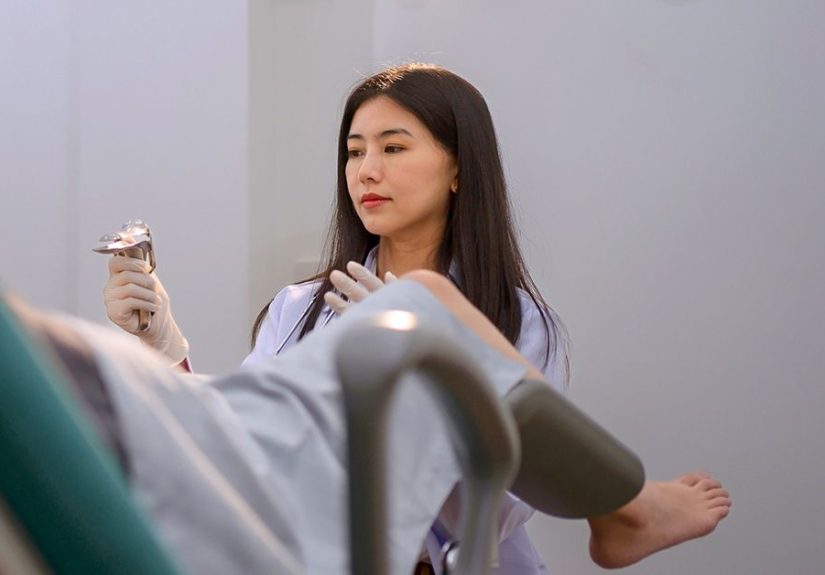
- You’ll lie back on the exam table with your feet supported.
- A speculum is gently placed to see the cervix.
- A small brush collects a sample of cervical cells.
- The sample goes to a lab for evaluation.
The collection itself usually takes seconds. You might feel pressure or mild discomfort, but it shouldn’t be intensely painful. If you’re uncomfortable, speak
upyour provider can slow down, change the speculum size, adjust positioning, or take breaks.
How to prep (helpful, not fussy)
- If you can, avoid using vaginal products (like douches) beforehandmost clinicians recommend skipping anything that could interfere with the sample.
- Tell your provider you’re pregnant (they already know, but it’s still worth stating if you’re in a multi-step intake process).
- Share any history of prior abnormal Pap tests, cervical procedures, or significant bleeding issues.
Understanding Results While You’re Pregnant
Waiting for results can feel like staring at your phone until it blinks first. Most results are normal, and even when they’re not, “abnormal” often means
“needs follow-up,” not “emergency.”
If your Pap is normal
Great. Your provider will tell you when you’re due for your next screening based on your age, the type of testing used (Pap alone, HPV testing, or both), and
your history.
If your Pap shows infection or inflammation
Sometimes Pap results mention inflammation or changes that can be linked with infections. Your provider may recommend additional testing or treatment if
neededespecially in pregnancy, where managing certain infections matters for both comfort and health.
If your Pap is abnormal (ASC-US, LSIL, HSIL, etc.)
These lab terms can look like someone fell asleep on the keyboard, but they have meaning:
- Lower-grade changes may be monitored, with follow-up testing sometimes deferred until after delivery.
- Higher-grade changes often require closer evaluation to rule out precancer or cancer.
If follow-up is needed, your provider may recommend colposcopya close look at the cervix using magnification. If the clinician sees an area
that looks suspicious, they may take a small biopsy. In expert hands, colposcopy and clinically indicated biopsy are generally considered safe in pregnancy.
(Some procedures that sample deeper tissue inside the cervical canal are typically avoided during pregnancy, because the goal is to keep evaluation accurate
while minimizing bleeding risk.)
What usually happens if something serious is suspected
If there’s concern for significant precancer or cancer, your care team will balance two priorities: protecting your health and supporting
the pregnancy. Many treatments for precancer are postponed until after delivery, while evaluation focuses on making sure cancer isn’t missed. If cancer
is diagnosed (which is uncommon), specialists in high-risk obstetrics and gynecologic oncology guide the plan.
Do All Pregnant People Need a Pap Smear?
No. If you’re up-to-date on screening, you may not need one during pregnancy. Also, in the U.S., routine cervical cancer screening generally doesn’t start
before age 21 for average-risk patients, even if someone is pregnant. Different organizations also publish screening guidance, and recommendations can vary by
age and test type (Pap vs HPV testing). Your provider will use your age, medical history, and last screening date to decide what’s appropriate.
How to Advocate for Yourself During the Exam
Medical care should never feel like something happening to you. It should feel like something happening with you.
Small requests that can make a big difference
- Ask for a “narrated” exam (“Tell me before you do anything.”)
- Request a smaller speculum if exams are uncomfortable for you.
- Use a stop signal (a hand raise or a word like “pause”).
- Bring support if your clinic allows itespecially if you feel anxious.
- Share trauma history if you feel safe doing so; many clinics can offer trauma-informed approaches.
If you decline a Pap smear that day, you can discuss timing and alternatives. The goal is informed consent and a plan you can actually follownot guilt.
Frequently Asked Questions
Will a Pap smear hurt my baby?
A Pap test collects cells from the cervix and doesn’t reach the pregnancy. Mild spotting can happen, but the test itself is not designed to disturb the
pregnancy.
Why am I spotting after the Pap smear?
The cervix can bleed more easily in pregnancy because of increased blood flow. Light spotting is common and usually short. Heavy bleeding or severe symptoms
should be reported.
What if I had a Pap test recently?
Tell your provider the date and results if you know them. If you’re current, you may not need repeat screening during pregnancy.
What if my Pap is abnormalwill I need treatment now?
Not always. Many abnormal results lead to monitoring or colposcopy. Treatment for precancer is often delayed until after delivery unless there’s strong concern
for cancer. Your clinician will personalize the plan.
Conclusion
A Pap smear during pregnancy can feel like one more item on a very long checklist, but it’s usually offered for a practical reason:
to keep your cervical cancer screening on track and to make sure any concerning changes are found earlywhen they’re most manageable.
If you’re due for screening, pregnancy may be the moment your cervix gets its routine spotlight. If you’re not due, you can skip it without missing some
magical “pregnancy bonus round.” Either way, you’re allowed to ask questions, request comfort measures, and understand exactly why a test is recommended.
Preventive care is not a pop quizyou can have the answers before you sit down.
Experiences People Commonly Share After a Pap Smear in Pregnancy (Extra Section)
Everyone’s experience is different, but certain themes show up again and again in prenatal clinicsespecially when a Pap test enters the chat. Here are a few
realistic, composite-style experiences that reflect what many patients describe (not medical advice, just “what it tends to feel like”).
“I was surprised they did it at my first visitbut it made sense.”
A lot of people walk into their first prenatal appointment expecting the baby-focused stuffdue date estimates, nutrition talk, lab workand are caught off
guard when their clinician says, “You’re due for cervical screening.” After the initial surprise, many feel relieved that it’s a one-visit, one-and-done
situation: the exam is quick, and it avoids an extra appointment later. People often describe it as a “productive” visit, even if they also describe the pelvic
exam as “not my favorite hobby.”
“The spotting freaked me out… until they explained it.”
Light spotting after a Pap test can feel alarming in pregnancy, even when it’s minor. Many patients say they went home and immediately started monitoring every
bathroom trip like it was a high-stakes sport. What helps most is clear guidance: light spotting for a short time can be normal, but heavy bleeding or worrisome
symptoms should be reported right away. When providers give a simple “here’s what’s expected vs. here’s what’s not,” patients often feel their shoulders drop
back down to a normal height.
“I’ve had painful exams before, so I asked for adjustmentsand it helped.”
Some people go into pregnancy care with anxiety about pelvic exams due to past discomfort, medical trauma, or conditions like vaginismus. A common experience is
learning that small changes matter: a smaller speculum, more time, a step-by-step explanation, or a pause signal. Patients often report feeling more in control
when they set expectations upfront: “Please tell me before you do anything,” or “I need a slow pace today.” Many are surprised (in a good way) by how
responsive clinicians can be when they know what you need.
“My result was abnormal, and the word ‘abnormal’ did not help my stress level.”
People who get an abnormal result during pregnancy often describe a wave of fearmostly because the term sounds scarier than it often is. What tends to help is
context: abnormal can mean mild changes, inflammation, or HPV-related findings that need follow-up, not a crisis. Some patients go on to have a colposcopy
during pregnancy and describe it as emotionally harder than physically painfulthe anticipation is the worst part. Many feel better after the plan is explained
clearly: what needs checking now, what can wait until after delivery, and what symptoms should prompt a call. A good roadmap turns “unknown” into “manageable.”
“Honestly, it felt like a lotbecause pregnancy already feels like a lot.”
Even when everything is routine, patients often say the hardest part is timing. Pregnancy can make you feel like your body is public property, and a Pap test
may feel like another reminder that privacy is currently… on backorder. Some people cope with humor (“My cervix is fully booked this trimester”), others want
quiet and quick. Both are valid. What many patients appreciate most is being treated like a whole person, not just a pregnancy: a clinician who checks in,
respects boundaries, and explains the purpose without rushing.
If there’s one takeaway from these shared experiences, it’s this: the test itself is usually brief, but the feelings around it can be big. You’re not
“dramatic” for wanting reassurance, comfort, or clarity. Ask for what you needand let your care team do their job: keeping you healthy while you do the
incredible work of growing a human.