Table of Contents >> Show >> Hide
- 1. Glitter Bombing: When Sparkles Turn into a Weapon
- 2. Pies, PETA, and the Politics of Humiliation
- 3. Greenpeace at Sea: Ramming for the Whales
- 4. Sea Shepherd: Anti-Whaling Activism on a Collision Course
- 5. Earth Liberation Front: Eco-Sabotage and Night-Time Firestorms
- 6. Militant Suffragettes: Votes for Women, Bombs for Property
- 7. The Anti–Vietnam War Movement and Its Militant Fringe
- 8. The Plowshares Movement: Pacifists with Hammers
- 9. When Peaceful Campuses Catch Fire: Student Protests Turn Ugly
- 10. The Boston Tea Party: A “Peaceful” Protest That Wrecked Cargo
- What These Stories Reveal About Peace and Violence
- Experiences and Lessons from the Edge of Nonviolence
- Conclusion
When we hear the words peace movement, we tend to picture candles, acoustic guitars,
and very polite people holding recycled cardboard signs. But history is messier than that.
Again and again, movements that talked about love, liberation, or saving the planet have
reached for tactics that looked a lot more like coercion, sabotage, or outright violence.
This list doesn’t try to “cancel” any cause or saint anyone on the other side. Instead, it
takes a clear-eyed look at 10 instances of violence committed by peace movements and
asks a simple question: what happens when people who swear they’re nonviolent decide that
“just this once” they need to hit harder?
1. Glitter Bombing: When Sparkles Turn into a Weapon
From Fabulous Protest to Alleged Assault
Glitter bombing started out as the campiest form of political protest imaginable:
activists showering anti-LGBTQ politicians with a burst of glitter as they walked on stage.
The goal was symbolic shame, not physical harm. It was a way of saying, “Your policies hurt,
so here’s something that’ll stick to you in every press photo for the next week.”
But once lawyers and security details got involved, the mood changed. Tossing glitter
directly into someone’s face isn’t just annoying; it can irritate eyes, get into the nose
and mouth, and linger for days. Some prosecutors and legal scholars have argued that it
falls into the realm of assault and battery, especially when the target is a
protected official or candidate on a tight security perimeter.
Why It Matters
Glitter bombing reveals a recurring tension in peace movements: is “nonviolent” anything
that doesn’t involve fists or guns, or does it also include respecting someone’s bodily
autonomy and sense of safety? To supporters, glitter bombs feel like jokes with a moral
message. To critics, they normalize putting hands (and handfuls of sparkly plastic) on
people in ways that could easily escalate into more serious confrontations.
2. Pies, PETA, and the Politics of Humiliation
Throwing Dessert at Power
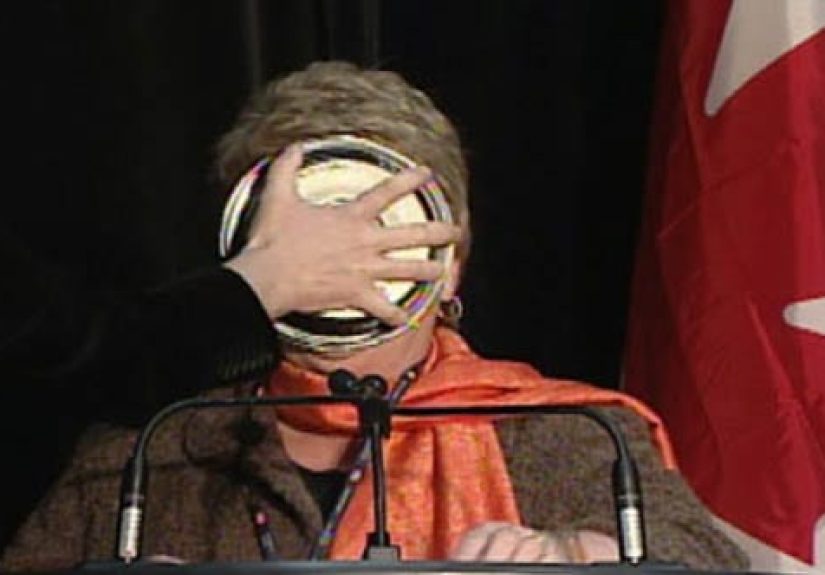
The modern era of political pie-throwingthe “pieing” of corporate executives,
politicians, and punditsgrew up alongside anti-globalization, animal rights, and
environmental campaigns. Groups like the Biotic Baking Brigade and other activists
turned cream pies into tools of public shaming, targeting figures they saw as
cheerleaders for exploitation, pollution, or bigotry.
People for the Ethical Treatment of Animals (PETA), which officially promotes nonviolence
and compassion, has occasionally embraced this tactic or cheered it on from the sidelines.
On paper, it’s just pastry and whipped cream. In practice, courts in several countries have
treated pie attacks as assault, sometimes carrying real criminal penalties.
Why It Matters
Pieing and similar stunts live in a gray zone between performance art and violence. They
rarely cause serious physical injury, but they are designed to humiliate and intimidate.
For a movement that calls itself peaceful, deploying even slapstick “violence lite” raises
an uncomfortable question: if humiliation is acceptable, what about a shove, a slap, or
smashing someone’s property “for the cause”?
3. Greenpeace at Sea: Ramming for the Whales
Chasing Whalers with Steel Hulls
Greenpeace built its reputation on nonviolent direct actionsailing rubber
dinghies between whaling harpoons and their targets, scaling smokestacks to hang banners,
and livestreaming every tense moment. But some anti-whaling confrontations have gone far
beyond symbolic obstruction.
In multiple incidents in the Southern Ocean, the Greenpeace ship Arctic Sunrise
and Japanese whaling vessels have collided while maneuvering at close quarters. Each side
blamed the other for “ramming,” and luckily no one was killed, but video made one thing
crystal clear: massive steel ships were being steered within meters of each other at sea
in ways that could easily have turned lethal.
Why It Matters
On land, parking your protest van across someone’s driveway is a traffic nuisance. At sea,
blocking a ship’s path with your own ship can risk sinking both. These tactics blur the
line between civil disobedience and reckless endangerment, even when the people using
them sincerely describe themselves as peaceful environmental defenders.
4. Sea Shepherd: Anti-Whaling Activism on a Collision Course
“Direct Action” with Real Impact
The Sea Shepherd Conservation Society brands itself as a marine conservation group, but
its critics and some courts have described its tactics as piratical or violent.
In confrontations with Japanese whaling ships, Sea Shepherd vessels have launched stink
bombs, dragged prop-fouling ropes, and engaged in risky maneuvers that ended in dramatic
collisions on the open ocean.
Sea Shepherd argues that it’s enforcing international conservation norms where governments
refuse to act. Japan argues that its crews are being harassed and endangered in the name
of a foreign moral crusade. Whichever narrative you buy, the footage of ships slamming
together on icy seas is a long way from the image of peaceful protestors holding signs on
the pier.
Why It Matters
Sea Shepherd sits at the extreme end of the “ends justify the means” spectrum in
environmental activism. The group’s story is a cautionary tale about how easily
“nonviolent” direct action can morph into tactics that would be called violent if they
were used by almost anyone else.
5. Earth Liberation Front: Eco-Sabotage and Night-Time Firestorms
From Protecting Forests to Burning Ski Resorts
The Earth Liberation Front (ELF) emerged from broader environmental and
animal-rights movements that often stressed nonviolence and peaceful protest. ELF cells,
however, embraced economic sabotage and arson, aiming to make environmentally destructive
projects too costly to continue.
One of the clearest examples came in the late 1990s, when arsonists linked to ELF burned
buildings and lifts at a Colorado ski resort in protest of its expansion into lynx habitat.
Damage estimates ran into the tens of millions of dollars, and the attack was labeled
domestic terrorism by U.S. authorities.
Why It Matters
ELF members insisted that their actions targeted property, not people, and that they took
precautions to avoid casualties. But fire is notoriously hard to control, especially in
mountainous terrain at night. Once a movement decides that burning things down is
acceptable because it’s “for the planet,” it has already crossed a major ethical and
strategic line away from traditional nonviolence.
6. Militant Suffragettes: Votes for Women, Bombs for Property
Breaking Windows, Then Breaking the Peace
Early women’s suffrage campaigns often emphasized decorum, petitions, and carefully
chaperoned marches. But in Britain, a faction of the movementfrustrated by decades of
stallinglaunched a bombing and arson campaign in the 1910s. Letter bombs, attacks on
postboxes, arson at country houses, even explosives planted in churches and rail
infrastructure all formed part of a strategy to shock the public and government into
taking women’s votes seriously.
Leaders defended these acts as attacks on property, not people, but the risk to bystanders
was real. At least several people were killed and many more were injured. It’s a striking
contrast: a movement remembered today as a heroic fight for equality also experimented
with tactics we would now associate with terrorism.
Why It Matters
The suffragette campaign reminds us that history tends to smooth out the rough edges of
even the most beloved causes. Looking back, it’s easy to focus on the noble goalpolitical
equalityand forget how controversial, frightening, and sometimes violent the means could
be in the moment.
7. The Anti–Vietnam War Movement and Its Militant Fringe
From Sit-Ins to Street Fights and Bombs
The mainstream anti–Vietnam War movement in the United States leaned heavily on marches,
teach-ins, and mass rallies. Millions of ordinary people opposed the war on moral and
political grounds, often emphasizing peace and nonviolence.
But a militant minority concluded that peaceful tactics weren’t enough. Some protests
devolved into rock-throwing, clashes with police, and property damage. A tiny fraction of
activists went further, forming groups that planted bombs or plotted armed struggle
against government institutions. Even when these organizations claimed to focus on
symbolic targets and avoid casualties, the line between “dramatic message” and
life-threatening violence became dangerously thin.
Why It Matters
This split inside the antiwar movement shows a dynamic that repeats across causes:
peaceful mass mobilization can exist side by side with small groups convinced that only
spectacular, risky actions will be heard. History suggests that once bombings enter the
picture, it’s harder for the public to remember that the vast majority of protesters were
committed to nonviolence.
8. The Plowshares Movement: Pacifists with Hammers
Breaking Warheads to Make a Point
The Plowshares movement was founded by Christian pacifists who took a
biblical image literally: beating swords into plowshares. In 1980, the “Plowshares Eight”
broke into a General Electric facility in Pennsylvania that was producing components for
nuclear warheads. Once inside, they hammered on nose cones, poured their own blood over
documents, prayed, and peacefully waited to be arrested.
The activists saw their action as symbolic disarmament, a deeply spiritual act
meant to expose the violence of nuclear weapons. Authorities saw it as burglary,
destruction of government-linked property, and a dangerous intrusion into a sensitive site.
Why It Matters
Plowshares actions sit at the edge of nonviolence. No one was physically attacked, and the
protesters fully accepted legal consequences. Yet they still used force against objects
designed to be part of a very real war machine. Their story forces peace movements to
wrestle with a thorny question: is violence against things ever acceptable, or does it
inevitably risk violence against people?
9. When Peaceful Campuses Catch Fire: Student Protests Turn Ugly
Idealism Meets Tear Gas
Campus protest has long been a testing ground for peaceful dissent. Students organize sit-ins,
hunger strikes, and peaceful encampments to push institutions on war, civil rights, and
more. Most of these actions remain nonviolenteven when police crackdowns are not.
But there have also been moments when student activism itself turned violent: buildings
occupied and trashed, labs vandalized, fires set, or confrontations with police spiraling
into rock-throwing and Molotov cocktails. In some places, the same rallies that began with
peace signs ended with smashed windows and bloodied faces.
Why It Matters
University movements often speak the language of peace, justice, and solidarity. When even
a small subset of protestors turn to destruction, it gives authorities ammunition to
discredit the entire movement and makes it easier to justify harsh crackdowns on everyone,
peaceful or not.
10. The Boston Tea Party: A “Peaceful” Protest That Wrecked Cargo
Taxation Without Representation, Tea Without Mercy
Today, the Boston Tea Party is remembered as a heroic founding moment of
American resistancea dramatic protest against unfair British taxation. But at the time,
it was also a coordinated attack on private property: colonists boarded ships, broke open
hundreds of chests, and dumped the cargo into the harbor.
The protesters didn’t kill or injure anyone, and they supposedly took care not to damage
anything except the tea itself. Still, the financial loss was enormous, and the British
government treated it as an intolerable act of vandalism and rebellion. What looks like a
patriotic “peaceful protest” in hindsight felt a lot more like economic warfare to those
on the receiving end.
Why It Matters
The Tea Party is a good reminder that “peaceful” can mean very different things depending
on where you’re standing. If you’re the one watching your cargo float away in the harbor,
the distinction between broken windows and broken bones can feel less meaningful than you
’d like.
What These Stories Reveal About Peace and Violence
Looking across these ten cases, a pattern emerges. Many movements start with a strong
commitment to nonviolent protest: marches, boycotts, petitions, vivid but
harmless stunts. Over time, frustration buildsgovernments stall, corporations ignore
demands, media attention fades. That’s when some activists begin to flirt with the idea
that a little property damage or a “harmless” assault might finally make people pay
attention.
Once that door is open, it becomes easier to justify riskier tactics: fire instead of
paint, collisions instead of blockades, bombs instead of banners. Even if movement
leaders insist that they “would never hurt anyone,” reality is less tidy. Fire spreads.
Ships yaw in rough seas. Glitter gets in eyes. And the more you normalize crossing
boundaries, the harder it is to draw new ones when someone in your ranks goes further
than you intended.
At the same time, these stories remind us that many movements we now regard as
indisputably justwomen’s suffrage, anti-colonial struggles, environmental protection
have complex legacies. You can celebrate the goals and still be honest about the harm
some tactics caused along the way.
Experiences and Lessons from the Edge of Nonviolence
To really understand how peace movements end up flirting with violence, it helps to zoom
in on the human levelthe messy, emotional experiences inside organizing rooms and on the
front lines.
Imagine you’re a young climate activist. You’ve spent years doing everything “the right
way”: organizing marches with permits, speaking at public hearings, writing endless
comments on environmental impact statements that no one seems to read. Each time, the
project you oppose moves forward anyway. The pipeline gets approved. The clearcut goes
ahead. The emissions keep climbing. At some point, someone in the group sighs and says,
“Peaceful protests aren’t working. We need to hit them where it hurts.”
That same conversation has played out across decades. Suffragettes who had politely
lobbied for voting rights watched yet another bill fail and asked, “What if we make it
impossible for them to ignore us?” Anti-war students saw body counts climb and concluded
that sit-ins weren’t enough. Eco-activists watched forests fall and species vanish and
decided that a bulldozer or a ski lodge was a more “honest” target than yet another
speech in the town square.
In those moments, the psychological shift is subtle but powerful. Violence doesn’t start
with someone leaping straight to bombs or arson. It often starts with language:
direct action, economic sabotage, symbolic disarmament.
The words sound clinical, even noble. They create just enough distance from what’s really
happeningrisking harm to people and not just to abstract systemsthat ordinary,
well-intentioned people can convince themselves they’re still “peaceful,” just “more
serious.”
Another key experience inside peace movements is the divide between those willing to take
on legal risk and those who are not. A small core of activists may decide they’re ready
to get arrested, lose jobs, or face prison time. That can make their proposals sound
morally superior in the room: “If you’re not willing to go this far, do you really care
about the cause?” Under that kind of moral pressure, others may support tactics they’re
privately uneasy about, or at least stay silent rather than push back.
The outside world, of course, doesn’t see any of this nuance. Most people don’t read
movement manifestos; they see one viral clip. If the clip shows a peaceful march with
families and handmade signs, the public may feel sympathy. If it shows a ship ramming a
whaler, a lab on fire, or a politician getting glitter or a pie in the face, many viewers
instantly file the group under “angry extremists,” no matter how sincere its peaceful
roots.
That gap between internal experience and external perception is one of the most important
lessons peace movements can learn from these stories. Inside, there may be hours of
agonized debate, careful planning to avoid casualties, and deep moral wrestling. Outside,
the headline just reads: “Peace Activists Turn Violent.” Fair or not, that’s the reality
movements have to manage if they want broad public support.
The other big takeaway is that nonviolence isn’t just about what you refuse to doit’s
about the systems you build to keep yourself from sliding into something uglier. The most
resilient peace movements create clear codes of conduct, train participants in de-escalation,
designate people whose only job is to calm situations down, and refuse to romanticize
property destruction or “just a little” intimidation.
Ultimately, the experiences behind this list suggest a hard truth: people fighting for
peace are still people. They get frustrated, angry, scared, and sometimes reckless. The
question is not whether those emotions will appearthey willbut whether the movement has
enough structure, self-awareness, and humility to keep its tactics aligned with the world
it says it wants to build.
Conclusion
Peace movements have helped transform the world: expanding rights, ending wars, and
forcing powerful institutions to answer for their choices. But they are not automatically
immune to the temptations of force. From glitter bombs and pies to arson and ship
collisions, the cases in this list show how easily righteous anger can slide into tactics
that look a lot like the very violence these movements claim to oppose.
Being honest about that history doesn’t mean rejecting every cause or equating every act
of property damage with lethal violence. It does mean asking harder questions about where
we draw the line, how we keep frustration from curdling into extremism, and what “peace”
really means when the pressure is on. If peace movements want the moral high ground, they
have to do more than aim highthey have to walk there, step by careful step.