Table of Contents >> Show >> Hide
- 1) Spinach (or beans) + Citrus (or bell peppers)
- 2) Tomatoes + Olive oil
- 3) Leafy greens (or carrots) + Avocado (or any healthy fat)
- 4) Raw veggies + Eggs
- 5) Turmeric + Black pepper (and a little fat)
- 6) Cooked broccoli + Mustard powder (or mustard seeds)
- 7) Green tea + Lemon
- 8) Yogurt + Berries (or banana)
- 9) Beans + Rice
- 10) Oatmeal + Nuts + Berries
- Quick “Pairing” Rules You Can Use Every Day
- of Real-Life “Experience” With Food Pairings (What It’s Like When You Actually Do This)
- Conclusion
If “eating healthy” sounds like a full-time job that requires a blender, a yoga mat, and a personality makeovergood news:
sometimes the biggest upgrades come from pairing foods you already eat. The right combos can help your body absorb
key nutrients better, support your gut, and make meals more satisfying (which is a polite way of saying you’re less likely
to go hunting for snacks like a raccoon at midnight).
Below are 10 science-backed “nutritional duos” that can help you get more out of your platewithout turning dinner into a
chemistry final. As always, food isn’t medicine, but it is information… and your body is always reading.
1) Spinach (or beans) + Citrus (or bell peppers)
Why it works
Plant foods contain non-heme iron, which is trickier for your body to absorb than the iron found in meat.
Vitamin C helps convert non-heme iron into a form your body can absorb more efficiently. Translation: adding vitamin C is like
putting a VIP wristband on your iron.
Easy ways to do it
- Spinach salad with strawberries and a lemony vinaigrette
- Black beans with salsa (tomatoes + peppers are helpful) and a squeeze of lime
- Lentil soup with a side of orange slices or kiwi
Bonus tip: Tea and coffee can reduce iron absorption for some people when consumed right with iron-rich meals.
If iron is a concern for you, spacing those drinks away from meals may help.
2) Tomatoes + Olive oil
Why it works
Tomatoes contain lycopene, a carotenoid antioxidant that’s fat-soluble. When you eat tomatoes
with a healthy fat like olive oil, your body is better able to absorb lycopene. Cooked tomatoes (like sauce) can make lycopene
more available, tooso yes, marinara can absolutely be a health move.
Easy ways to do it
- Tomato sauce sautéed with olive oil and garlic
- Caprese salad drizzled with olive oil
- Roasted tomatoes finished with olive oil and herbs
3) Leafy greens (or carrots) + Avocado (or any healthy fat)
Why it works
Many colorful veggies are rich in carotenoids (like beta-carotene and lutein), which support eye and overall health.
Carotenoids are fat-solubleso pairing vegetables with fat helps your body absorb them more effectively. This is the nutritional
reason salads love dressing.
Easy ways to do it
- Kale salad with avocado and pumpkin seeds
- Carrots + hummus (the tahini and olive oil count)
- Spinach sautéed in olive oil, topped with sliced almonds
4) Raw veggies + Eggs
Why it works
Egg yolks contain fat that can improve absorption of fat-soluble nutrients like carotenoids from vegetables. In other words,
eggs can help your salad’s nutrients “stick the landing.” If you enjoy eggs, this is a simple way to make veggie-heavy meals
more nutrient-efficient and more filling.
Easy ways to do it
- Chef salad with hard-boiled eggs
- Veggie bowl topped with a soft-boiled egg
- Avocado toast with tomato + egg (yes, this is a triple threat)
5) Turmeric + Black pepper (and a little fat)
Why it works
Turmeric’s star compound, curcumin, has low bioavailability on its own. Piperine from black pepper
can significantly increase curcumin absorption. Adding a bit of fat (like olive oil, yogurt, or coconut milk) may also help since
curcumin is fat-soluble. The result: a small spice tweak with a surprisingly big payoff.
Easy ways to do it
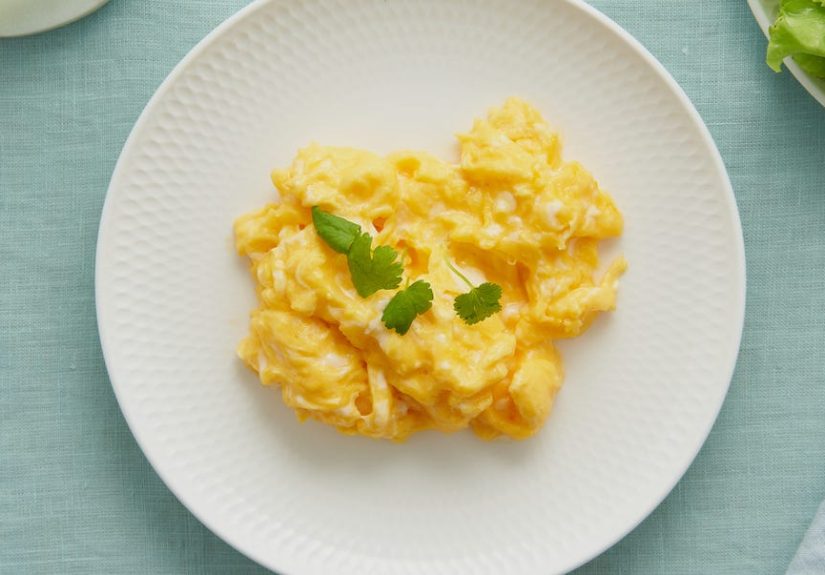
- “Golden” scrambled eggs: turmeric + black pepper + olive oil
- Turmeric roasted cauliflower with pepper and a drizzle of oil
- Golden milk made with warm milk (or soy milk) + turmeric + pepper
Note: If you take medications or have gallbladder issues, talk with a clinician before dramatically increasing turmeric,
especially in supplement form.
6) Cooked broccoli + Mustard powder (or mustard seeds)
Why it works
Broccoli and other cruciferous vegetables contain compounds that can become sulforaphane, which researchers study for its protective effects.
The catch: cooking can reduce the activity of myrosinase, an enzyme needed for sulforaphane formation. Adding a small amount of mustard
powder (which contains myrosinase) to cooked broccoli can boost sulforaphane availability.
Easy ways to do it
- Roasted broccoli finished with a pinch of mustard powder
- Stir-fried broccoli tossed with Dijon mustard and lemon
- Broccoli soup topped with a swirl of mustard-yogurt sauce
7) Green tea + Lemon
Why it works
Green tea contains catechinsplant compounds researchers associate with health benefits. Adding citrus (like lemon) provides acids
(including vitamin C) that may help stabilize catechins and support absorption. Your tea becomes slightly more effective… and
significantly less boring.
Easy ways to do it
- Hot green tea with fresh lemon
- Iced green tea with lemon and a few crushed mint leaves
- Matcha smoothie with a squeeze of lemon (trust the process)
8) Yogurt + Berries (or banana)
Why it works
Yogurt can provide probiotics (helpful live bacteria, depending on the product), while fruits provide
fiber and plant compounds that your gut microbes love to snack on. Think of it as “roommates and groceries”
for your microbiome: probiotics move in, prebiotic fibers feed the neighborhood.
Easy ways to do it
- Plain Greek yogurt + blueberries + chopped walnuts
- Yogurt + sliced banana + cinnamon
- Kefir smoothie with mixed berries
Smart move: Choose unsweetened or lightly sweetened yogurt when possible, and add fruit for natural sweetness.
9) Beans + Rice
Why it works
Beans and rice are famous for a reason: together they create a more complete amino-acid profile than either one alone. Many plant proteins
are lower in certain essential amino acids, but legumes and grains complement each other nicely. It’s budget-friendly, pantry-stable,
and proof that nutrition doesn’t require a fancy accent.
Easy ways to do it
- Black beans + brown rice + pico de gallo
- Red beans + rice with sautéed onions and peppers
- Lentils over rice with lemon, herbs, and olive oil
10) Oatmeal + Nuts + Berries
Why it works
Oats provide beta-glucan, a soluble fiber linked with heart health and cholesterol support. Nuts add
unsaturated fats and extra staying power (so you’re not hungry again in 37 minutes). Berries bring
polyphenols and vitamin C. Together, it’s a breakfast that feels cozy but works overtime.
Easy ways to do it
- Overnight oats with chia seeds, blueberries, and chopped almonds
- Warm oatmeal topped with strawberries and walnuts
- Oatmeal “PB&J”: peanut butter + raspberries (or mashed berries) + cinnamon
Quick “Pairing” Rules You Can Use Every Day
- Add vitamin C to plant-based iron meals (citrus, peppers, berries).
- Add healthy fat to colorful veggies (olive oil, avocado, nuts, eggs).
- Add enzymes/spices that boost bioavailability (mustard for broccoli; pepper for turmeric).
- Build gut-friendly combos (fermented foods + fiber-rich fruits/whole grains).
of Real-Life “Experience” With Food Pairings (What It’s Like When You Actually Do This)
Here’s the funny thing about upgrading your nutrition: the biggest shift often doesn’t feel like a “health plan.” It feels like
your meals start making more sense. People who start using food pairings usually don’t wake up with superhero music playing in the
backgroundbut they do tend to notice a few practical, day-to-day wins.
First, meals become more satisfying. Adding fat to salads (avocado, olive oil, eggs, nuts) is not just a nutrient-absorption trick
it’s also what makes a bowl of leaves stop feeling like a punishment. The same goes for yogurt with fruit or oats with nuts: the
combination of protein, fiber, and healthy fat helps you feel full longer. In real life, that can mean fewer “random” snack attacks,
fewer cranky moments, and less of that “I ate lunch but I’m still starving” confusion.
Second, it gets easier to be consistent because you’re not reinventing your kitchen personality. These pairings don’t demand exotic
powders or a refrigerator that looks like a wellness influencer’s sponsorship wall. They’re mostly “add a squeeze,” “add a drizzle,”
or “toss in a topping.” A squeeze of lemon on greens. Salsa on beans. Olive oil on tomatoes. Mustard with broccoli. It’s simple
enough to do on busy daysand that’s when nutrition habits actually matter.
Third, you start noticing flavor upgrades that happen to be healthy. Turmeric with black pepper tastes warmer and more complete.
Green tea with lemon tastes brighter. Broccoli with mustard and lemon tastes less like “duty” and more like “I meant to make this.”
When healthy choices taste better, they stop feeling like choices you have to fight yourself to make.
Finally, these pairings can make grocery shopping calmer. Instead of buying random “healthy” items and hoping they become meals,
you start buying sets: tomatoes and olive oil; spinach and citrus; oats, nuts, berries; yogurt and fruit; beans and rice.
Your cart becomes less chaotic, your meals become more predictable, and your kitchen becomes a place where dinner is more likely
to happenwithout a dramatic monologue.
Bottom line: “supercharging” your health doesn’t have to look like perfection. It can look like smarter combinations, repeated often,
in meals you actually enjoy.
Conclusion
The best nutrition strategy isn’t the one that looks impressive on social mediait’s the one you’ll actually do on a regular Tuesday.
Food pairings are a practical shortcut: they help your body absorb key nutrients, support gut health, and make meals more satisfying
without asking you to overhaul your whole life. Pick two pairings to try this week, keep them easy, and let “better” beat “perfect.”