Table of Contents >> Show >> Hide
- Before You Paint: A Quick, No-Regrets Cheat Sheet
- How to Choose Colors Like a Pro (Without Overthinking Yourself Into a Nap)
- 135 Interior Painting Ideas (Pick Your Favorites)
- A) Whole-Room “Big Impact” Ideas (1–20)
- B) Accent Wall Ideas That Actually Look Intentional (21–40)
- C) Two-Tone Walls & Color Blocking (41–60)
- D) Painted Ceilings (The Fifth Wall) (61–75)
- E) Trim, Doors, Windows, and Architectural Details (76–95)
- F) Built-Ins, Cabinets, and Furniture Paint Ideas (96–110)
- G) Patterns, Stripes, Stencils, and Faux Finishes (111–125)
- H) Small-Space & Rental-Friendly Paint Moves (126–135)
- Room-by-Room Mini Playbook (So You Don’t Stare at Swatches Forever)
- Pro Moves That Make Paint Look Custom (Not “Weekend Panic Project”)
- Common (Very Real) Experiences With Interior Painting Ideas (About )
- Conclusion
Paint is the closest thing home design has to a “reset” button. It can make a low ceiling feel higher, a narrow hallway feel wider,
and a builder-basic room feel like it has a personality (and maybe even a strong opinion about throw pillows). The best part? You
don’t need a full renovation to get a “whoa, did you remodel?” reactionjust a smart color plan and a few bold-but-doable ideas.
Below you’ll find 100+ interior painting ideas you can mix and match: color-drenching, accent walls, two-tone
treatments, painted ceilings, statement trim, doors that deserve their own fan club, and patterns that look custom. Use the list as
a menu: pick one “main move” (like a feature wall), one “supporting move” (like painted trim), and one “sparkle move” (like a
glossy ceiling or a painted arch). Congratulationsyou just designed a room.
Before You Paint: A Quick, No-Regrets Cheat Sheet
1) Test color in real light (morning, noon, night)
The same paint can look calm in daylight and like it’s plotting something under warm bulbs. Paint a big sample (or use a sample
board) and move it around the room before committing.
2) Pick a finish that matches the room’s lifestyle
- Flat/matte: Great for hiding wall flaws; best for low-traffic areas.
- Eggshell: The “safe jeans” of paintworks almost anywhere.
- Satin: Wipeable and durable; ideal for kids’ spaces, hallways, laundry rooms.
- Semi-gloss/high-gloss: Best for trim, doors, cabinets; dramatic on ceilings or accent details.
3) Decide your “anchor” first
Your anchor can be a rug, sofa, countertop, tile, or even art. Pull one color from that anchor and build your paint palette around
it. This keeps the room from looking like you picked colors while blindfolded in a hardware aisle.
4) Don’t skip prep (future-you will send a thank-you note)
Clean walls, patch holes, sand rough edges, and prime where neededespecially stains, glossy surfaces, or dramatic color changes.
A little prep makes paint look smoother, richer, and more “designer.”
How to Choose Colors Like a Pro (Without Overthinking Yourself Into a Nap)
Use one of these foolproof strategies
- Monochrome: One color family, multiple shades (soft, cohesive, calm).
- Complementary pop: Choose an accent color opposite your main tone (energetic, high-contrast).
- Warm neutrals: Creams, taupes, clay tones (cozy, forgiving, timeless).
- Moody jewel tones: Deep green, navy, plum, aubergine (dramatic, intimate, art-gallery vibes).
- Nature palette: Sage, sand, stone, sky blue (relaxed, easy to live with).
If you want the room to feel bigger, lean lighter and keep contrasts low. If you want it to feel cozier, go deeperespecially in
bedrooms, libraries, dens, and dining rooms where “intimate” is a feature, not a bug.
135 Interior Painting Ideas (Pick Your Favorites)
Use the categories to find the vibe you want. The list is intentionally mix-and-matchbecause your house should not be forced to
choose just one personality.
A) Whole-Room “Big Impact” Ideas (1–20)
- Paint all four walls one soft, warm neutral for instant calm.
- Go all-in with a moody color in a dining room for a “boutique restaurant” feel.
- Color-drench a small powder room (walls + trim) for bold, jewel-box drama.
- Paint walls and trim the same color in two finishes (matte walls, satin trim) for subtle depth.
- Choose a warm white with a creamy undertone to avoid “clinical” vibes.
- Try a muted clay/terracotta for a cozy, sunbaked look.
- Use a soft green-gray in open-plan spaces for an easy, grounded backdrop.
- Paint a bedroom a deep navy to make it feel like a high-end hotel.
- Go for a dusty rose in a guest roomwelcoming without being sugary.
- Pick a sophisticated “mushroom” neutral (taupe + gray) for flexible styling.
- Use a pale blue in a bathroom for airy, spa energy.
- Try a smoky lavender in a reading nookquiet, creative, not loud.
- Paint a home office a mid-tone green for focus and calm.
- Do a warm greige in hallways to connect rooms without chaos.
- Use a deep chocolate brown on library walls for cozy and classic.
- Paint a laundry room a cheerful soft yellow for instant optimism.
- Go monochrome beige-on-beige and let texture do the talking.
- Try a slate blue-gray for a grown-up, modern living room.
- Use a soft black (not pitch black) for a dramatic, elegant room envelope.
- Paint a sunroom a pale sage to echo greenery outside.
B) Accent Wall Ideas That Actually Look Intentional (21–40)
- Paint the wall behind the bed a deeper shade of the room’s main color.
- Make the fireplace wall the accent for an instant focal point.
- Accent the wall with the best natural light so the color looks its best.
- Go dark on one wall, keep the others warm and light for balance.
- Paint built-in shelving backing a contrasting color to frame objects.
- Try a matte black accent wall in a modern living room (add warm wood to soften).
- Do a deep green accent in a dining area for “fancy dinner, even if it’s pizza.”
- Use a bold color behind a gallery wall to make frames pop.
- Paint a geometric “mountain” shape in a kids’ room.
- Create a soft-arched headboard shape instead of buying one.
- Paint a half-wall accent behind a console table in an entry.
- Accent a recessed wall niche a contrasting shade for depth.
- Choose a complementary accent color using a basic color wheel approach.
- Paint an accent wall in a jewel tone and echo it in two small accessories.
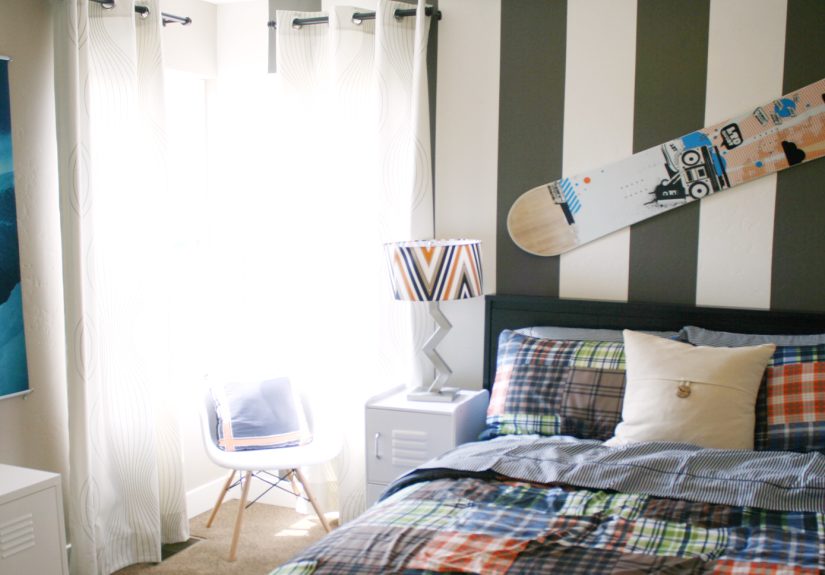
- Use vertical stripes on one wall to visually “lift” a low ceiling.
- Try tone-on-tone stripes (same color, different finish) for subtle luxury.
- Make the TV wall darker to reduce screen glare and help it visually recede.
- Accent the wall behind a sofa with a deep neutral (charcoal, espresso, ink).
- Paint a soft lilac accent in a bedroom for calm-with-character.
- Use a warm olive accent wall with creamy trim for a classic look.
C) Two-Tone Walls & Color Blocking (41–60)
- Paint the lower third of walls a deeper color (durable, grounding, hides scuffs).
- Do a classic chair-rail split: light above, darker below.
- Try a half-and-half wall split slightly above “standard” for a modern twist.
- Make the top portion darker to create a cozy, wrapped feeling.
- Go tone-on-tone: same hue family, two shades for a quiet statement.
- Use a crisp line split for modern; a softly curved line for playful.
- Color-block one corner (two walls meeting) to create a “zone” in open space.
- Paint a rectangular block behind floating shelves like built-in framing.
- Make a color-block “backdrop” for a desk or vanity.
- Create a color-block band around the room like a wraparound stripe.
- Paint a tall vertical block to make ceilings feel higher.
- Do a wide horizontal band to visually widen a narrow room.
- Paint a diagonal color block in a stairwell for movement and drama.
- Make a modern checkerboard using two muted colors (small scale = less dizzy).
- Create a “painted panel” effect with thin lines to mimic molding.
- Paint the inside of an archway a different color than the outer wall.
- Use color blocking to “outline” a reading nook with two contrasting tones.
- Paint a half-wall in the mudroom area to handle boots, bags, and chaos.
- Try a soft wave line split for a playful kid or creative space.
- Paint a two-tone hallway to make it feel wider and more intentional.
D) Painted Ceilings (The Fifth Wall) (61–75)
- Paint the ceiling the same color as walls for a cozy, enveloping look.
- Choose a pale ceiling tint (one shade lighter than walls) for softness.
- Paint a small room’s ceiling darker for dramatic intimacy.
- Use high-gloss on the ceiling for light-reflecting glam (especially in dining rooms).
- Try a pale blue ceiling in a bedroom for a “sky” effect.
- Paint the ceiling in a warm cream to reduce stark contrast with warm white walls.
- Add thin ceiling stripes for subtle texture and movement.
- Paint ceiling beams a contrasting color to highlight architecture.
- Use a metallic-inspired paint on a tray ceiling for soft shimmer.
- Paint only the center ceiling panel a different color to frame a chandelier.
- Create a “ceiling border” (a 6–12 inch band) around edges for definition.
- Paint the ceiling in the accent wall color to visually connect the room.
- Try a moody ceiling with light walls for a modern, cocooned vibe.
- Paint the ceiling in a muted pastel for gentle personality.
- Use a stencil pattern on the ceiling for a wallpaper-like effectminus the wallpaper.
E) Trim, Doors, Windows, and Architectural Details (76–95)
- Paint interior doors a bold color while keeping walls neutral.
- Paint door and window trim a contrasting shade for a tailored look.
- Use a deep neutral on trim to add “outline” and structure to light walls.
- Paint baseboards the wall color for a seamless, modern line.
- Do glossy trim with matte walls for contrast that feels expensive.
- Paint a single door (like a pantry) a standout color as a surprise detail.
- Try black or near-black doors in a bright hallway for graphic impact.
- Paint pocket doors a color that matches built-ins for a cohesive look.
- Paint the inside of door frames a different color than the outer trim.
- Choose a warm neutral trim color (not pure white) for softer contrast.
- Paint crown molding the same color as the ceiling to “lift” the room.
- Paint crown molding the wall color to blur edges and feel more modern.
- Highlight wainscoting with a slightly deeper shade than the upper wall.
- Paint stair risers a fun color while keeping treads wood for balance.
- Paint stair balusters a contrasting color for crisp definition.
- Try a painted “picture rail” line near the ceiling to add vintage charm.
- Paint window sashes a bold color for instant architectural detail.
- Use a rich color on built-in trim around bookcases to frame them.
- Paint closet doors a color that blends with the wall to make them disappear.
- Paint a headboard wall trim detail (faux molding) for custom character.
F) Built-Ins, Cabinets, and Furniture Paint Ideas (96–110)
- Paint kitchen lower cabinets a deep color, keep uppers light for balance.
- Paint bathroom vanity a bold hue (navy, forest green, charcoal) for drama.
- Paint a bookshelf backing a contrasting color to make objects pop.
- Color-drench a built-in (shelves, trim, wall behind) for a cohesive statement.
- Paint a dresser in a classic neutral and swap hardware for a fresh look.
- Try two-tone furniture: one color on the frame, another on drawer fronts.
- Paint a desk a focused, calming color (mid-tone green or muted blue).
- Refresh dining chairs with a single bold color for a modern set.
- Paint a side table in high-gloss for “tiny luxury” energy.
- Update a headboard with paint: stripes, arches, or color blocks.
- Paint a radiator cover the same color as the wall so it visually disappears.
- Use paint to unify mismatched thrifted furniture pieces in one room.
- Paint kitchen open shelving a contrast color to highlight dishes and décor.
- Paint interior cabinet back panels for a subtle pop when doors open.
- Paint a laundry cabinet a cheerful color to make chores feel 3% less rude.
G) Patterns, Stripes, Stencils, and Faux Finishes (111–125)
- Thin pinstripes in a hallway for tailored texture.
- Wide vertical stripes to make a room feel taller.
- Horizontal stripes in a narrow room to feel wider.
- Painted gingham (two tones) for a soft, cottage vibe.
- Stencil a repeating pattern on one wall as a wallpaper substitute.
- Paint a subtle geometric pattern tone-on-tone for grown-up modern style.
- Create a painted “tile” grid behind open shelving (great for laundry rooms).
- Try a faux limewash look with soft movement for old-world texture.
- Use a sponge technique for a mottled, depthy wall finish (best in small areas).
- Paint an oversized mural shape (sun, arch, waves) for artistic flair.
- Paint a simple border frame around a wall for “paneling” without carpentry.
- Paint a chalkboard wall in a kid space or pantry area (labels + doodles).
- Do a painted “ombre” gradient in a nursery or creative corner.
- Paint a subtle diamond pattern in two close shades for texture.
- Use high-gloss stripes on a matte wall for a stealth-luxury detail.
H) Small-Space & Rental-Friendly Paint Moves (126–135)
- Paint one wall behind a bed to define a studio sleeping zone.
- Use a painted arch to frame a dining table in an open-plan room.
- Paint a “rug” shape under a desk or reading chair (great on wood floors if allowed).
- Paint closet interiors a fun color for a surprise moment.
- Paint a tiny entry corner a bold color to create an intentional drop zone.
- Use removable wallpaper-look stencils and paint for a semi-temporary statement.
- Paint just the inside of a door (closet or pantry) for a low-commitment pop.
- Go darker in a small room if you want cozysmall doesn’t always mean “must be white.”
- Paint trim the wall color to visually simplify a cramped space.
- Use a single, soft neutral throughout to make a small home feel continuous.
Room-by-Room Mini Playbook (So You Don’t Stare at Swatches Forever)
Living room
- Try a warm neutral on walls, then add a bold accent wall behind built-ins.
- Use a mid-tone blue-gray for a flexible backdrop that works with many styles.
- Paint trim a slightly deeper neutral for an “outlined” designer look.
Bedroom
- Paint the headboard wall a deeper shade than the other walls for instant focus.
- Color-drench (walls + trim) in a moody hue for hotel-level coziness.
- Consider a soft lavender, dusty rose, or muted green for calm-with-personality.
Kitchen
- Two-tone cabinets (dark lowers, light uppers) for balance and depth.
- Paint a pantry door a standout color so it feels like a built-in feature.
- Use warm whites and creamy neutrals to keep the space inviting.
Bathroom
- Try a dramatic vanity color while keeping walls light and clean.
- Paint the ceiling a soft tint for a polished, boutique feel.
- Use satin finishes for wipeability in humid spaces.
Hallways and entryways
- Paint doors a consistent bold color to create rhythm and style.
- Two-tone walls hide scuffs and add instant architecture.
- Use a deeper neutral on the lower half for durability and grounding.
Pro Moves That Make Paint Look Custom (Not “Weekend Panic Project”)
Start in the right order
A common pro-friendly sequence is ceiling first, then trim, then walls. It’s easier to be slightly messy early and
clean up with careful cut-ins later.
Use tape like a tool, not a magic wand
Tape helps, but clean lines also depend on good prep and steady technique. When you do tape for sharp color blocks, remove it
carefully while the paint is still a bit tacky so you don’t peel off your hard work.
Repeat the color in small ways
If you paint a bold accent wall, echo it twicemaybe a pillow and a vase, or a piece of art and a throw. This makes the color feel
intentional instead of random.
Make “neutral” interesting
The best neutrals have undertones. Warm whites, soft taupes, mushroom grays, and gentle greiges shift beautifully with the light
and keep rooms from feeling flat.
Common (Very Real) Experiences With Interior Painting Ideas (About )
Here’s what tends to happen in real homeswhere the lighting is weird, the walls aren’t perfect, and someone is always walking
through the wet paint zone like it’s a theme park attraction.
First: almost everyone underestimates how much lighting changes color. People often fall in love with a shade online,
then paint a wall and discover it looks different at 8 a.m. than it does at 8 p.m. That’s not the paint “lying”it’s your room doing
its job. The best workaround is surprisingly low-drama: test a large sample and watch it through the day. Homeowners who do this
usually end up happier, because they pick a color that works with their real life (and their real bulbs), not an idealized photo.
Second: the “one bold wall” idea is a gateway to bigger confidence. Many people start with an accent wall because it
feels safelike dipping a toe into the deep end. Then they realize paint is reversible and suddenly they’re considering painted
ceilings, colored trim, and doors with main-character energy. The funny part is that the room often looks more expensive when you
paint the details (trim, doors, built-ins), because it reads as custom. A deep door color in a neutral hallway can make the
whole space feel curated, like someone hired a designer who owns at least one turtleneck.
Third: two-tone walls have a “why didn’t I do this earlier?” effect, especially in busy zones. People who try a darker
lower half in an entryway or hallway often notice two benefits right away: it hides scuffs, and it adds structure. It also gives you a
built-in way to repeat colorshoes and bags live below, art and mirrors live above. Suddenly the wall is working overtime, like an
employee who deserves a raise.
Fourth: the ceiling is the most underrated mood-setter. Folks who paint a ceilingespecially in dining rooms, bedrooms,
or small officesusually say the room feels “finished” in a way they didn’t expect. A ceiling that matches the wall color can make a
space feel wrapped and calm; a contrasting ceiling can add surprise. And if you choose a higher sheen up there, you get a soft glow
that’s more “intentional design” than “oops, that happened.”
Finally: the biggest surprise is how little it takes to change the vibe. A painted arch behind a bed, a color-blocked desk
zone, or a single bold interior door can be the difference between “nice” and “memorable.” Most people end up learning the same
lesson: start with one idea, do it well, and let the success talk you into the next upgrade.
Conclusion
With paint, you don’t need a bigger budgetyou need a better plan. Choose a color strategy, pick one statement idea, and support it
with a detail (trim, door, ceiling, or two-tone treatment). Whether you go warm and cozy, light and airy, or bold and moody, the
right interior painting ideas can make your home feel fresher, more personal, and a lot more “you.”