Table of Contents >> Show >> Hide
- Why Smart Shoppers Wait
- 1. Mattresses
- 2. Major Appliances
- 3. Small Kitchen Appliances
- 4. Indoor Furniture
- 5. Patio Furniture
- 6. TVs
- 7. Laptops, Tablets, and Branded Tech Devices
- 8. Cars
- 9. Bedding and Towels
- 10. Clothing Basics and Outerwear
- 11. Holiday Decor
- 12. Rugs and Home Decor Accents
- 13. Fitness Equipment
- 14. Vacuums and Floor-Care Gadgets
- 15. Gifts, Gift Sets, and “Special Occasion” Merch
- How Smart Shoppers Avoid Full Price Without Becoming Exhausting
- Shopping Experiences: What This Looks Like in Real Life
- Conclusion
If you have ever paid full price for something on Monday and seen it marked down by Friday, congratulations: you have experienced retail’s favorite magic trick. The good news is that smart shoppers do not rely on luck. They rely on patterns. Most big-ticket and semi-dangerous-for-your-wallet purchases go on sale in predictable cycles, which means you do not have to be a coupon wizard or a spreadsheet goblin to save real money.
The trick is not to chase every sale. The trick is to know which items almost always get discounted, when stores tend to slash prices, and when “limited-time offer” really means “please help us clear inventory before the next truck arrives.” For plenty of products, paying full price is less a necessity and more a voluntary donation to a retailer’s profit margin.
Below are 15 items smart shoppers rarely buy at full price, plus the buying habits that keep more money in their pockets and less regret in their shopping carts.
Why Smart Shoppers Wait
Seasoned shoppers understand one simple truth: retail pricing is emotional on the surface and mechanical underneath. Stores use urgency, flashy percentages, and countdown clocks to make people feel they must buy now. But behind the curtain, there are inventory cycles, holiday events, seasonal transitions, model changes, and end-of-quarter pressures that quietly create better prices later.
That is why patient buyers often get the same item for less, or get a better version for the same budget. Waiting is not cheap behavior. It is informed behavior. And no, it does not mean living joylessly with a broken toaster and one suspicious towel. It just means picking your moments.
1. Mattresses
A mattress bought at full price is basically a bedtime tax. Mattress brands run promotions so often that the “regular” price can feel more like set decoration than reality. Holiday weekends, seasonal events, and end-of-month pushes frequently bring discounts, bundles, or free add-ons like pillows, protectors, and sheets.
Smart shoppers compare the actual final price, not just the discount headline. A 40% discount on an inflated starting price is still an inflated price wearing sunglasses. The best move is to track a few models, wait for a major sale, and compare what is included. Sometimes the best deal is not the lowest sticker price but the strongest bundle.
2. Major Appliances
Refrigerators, washers, dryers, ranges, and dishwashers are classic “never rush, never pay full price” purchases. Retailers regularly discount them around big holiday events, and model transitions often create markdowns on outgoing inventory that still works perfectly well.
This is one of those categories where timing matters almost as much as brand. A perfectly good fridge can suddenly become “last season’s news” just because a new finish, handle shape, or feature list arrived. Translation: excellent moment to buy the old one for less. Smart shoppers also ask about delivery fees, haul-away charges, installation, and extended warranty pricing, because a fake bargain can hide in the fine print.
3. Small Kitchen Appliances
Air fryers, stand mixers, coffee makers, blenders, toaster ovens, and espresso machines practically live on sale. These products are holiday heroes, wedding-registry staples, and major event favorites, so retailers cycle them through promotions constantly.
If you pay full price for a trendy countertop gadget, there is a decent chance it will be 20% to 40% cheaper during the next major sales event. Smart shoppers keep a wishlist and buy when the market gets noisy. Bonus points if you avoid impulse-buying the appliance that promises to transform your life, your diet, and your kitchen in six easy payments. Your blender should make smoothies, not false promises.
4. Indoor Furniture
Couches, dining tables, accent chairs, and bed frames are famous for markdown cycles. Stores bring in new styles on a regular schedule, which means older inventory needs to leave politely and quickly. That is when smart shoppers appear, coffee in hand, ready to negotiate with destiny and possibly a floor sample.
Furniture is also a category where patience pays twice. First, you avoid the full-price markup. Second, you gain time to read reviews, test materials, and measure your space like a sane adult. Nothing ruins the thrill of a “luxury” sofa faster than realizing it does not fit through the hallway or feels like sitting on an apologetic cardboard box.
5. Patio Furniture
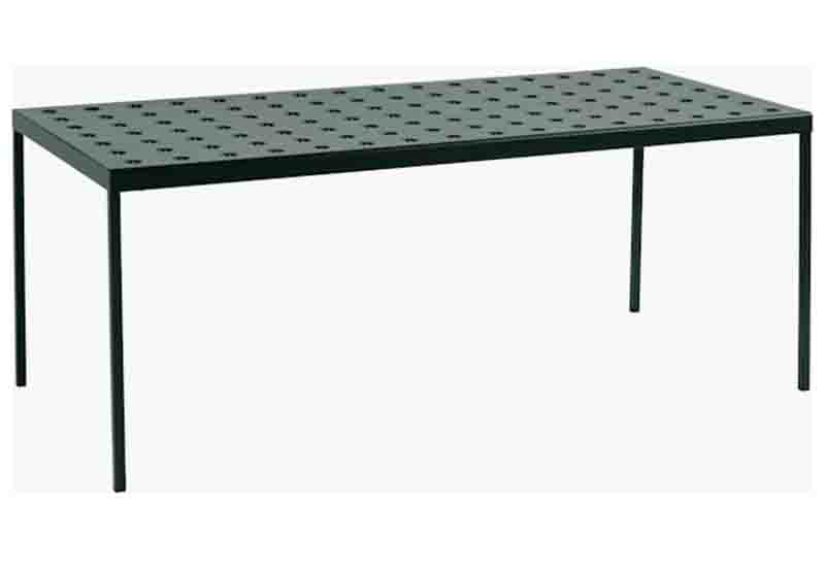
Outdoor furniture is one of the easiest categories to buy cheaply if you stop shopping for summer during peak summer. Demand is strongest when the weather is gorgeous and everyone suddenly believes they are one sectional away from becoming a backyard entertaining icon. That is exactly when prices are least charming.
Smart shoppers wait until late summer, early fall, or off-season clearance periods. Yes, the selection may be less perfect. No, the cushions may not speak to your soul. But if a patio set is deeply discounted and still sturdy, future-you sipping iced tea next spring will not care that you bought it while everyone else was shopping for pumpkins.
6. TVs
Televisions are one of the most predictable discount categories in retail. Big game season, Black Friday, Cyber Monday, and year-end electronics pushes often bring strong deals. That does not mean every “doorbuster” is amazing, but it does mean full price is usually optional.
Smart shoppers focus on model number, refresh rate, panel quality, and real review history instead of getting hypnotized by a giant sale tag. A cheaper TV is not a deal if it turns dark scenes into a murky cave of sadness. Price history tools help separate a real markdown from a fake markdown with excellent marketing skills.
7. Laptops, Tablets, and Branded Tech Devices
Consumer tech ages in dog years. That alone makes paying full price risky. New releases, back-to-school season, Black Friday, and brand-specific sales events can all bring lower prices on laptops, tablets, e-readers, earbuds, and smart-home devices.
Smart shoppers ask one important question: do I need the newest model, or do I need a good model at a better price? Those are not the same thing. Last year’s laptop is often still more than powerful enough for work, school, streaming, and the occasional dramatic tab overload. If you are buying ecosystem devices from a major platform brand, sale events are especially worth waiting for.
8. Cars
Cars are too expensive to buy emotionally. Full price, dealer add-ons, financing confusion, and “this deal is only good today” pressure can turn a manageable purchase into a very expensive memory. Smart shoppers know there are better moments to buy, including holiday events, month-end or quarter-end pressure periods, and times when dealers want older inventory gone.
This does not mean every sale weekend is magical. It means negotiation leverage improves when sellers have reasons to move units. Smart buyers also get preapproved financing, research fair market value, and reject unnecessary extras with the calm confidence of someone deleting a spam email. Window tint, nitrogen tires, and mystery protection packages are not personality traits.
9. Bedding and Towels
Sheets, comforters, pillows, and towels have one of the oldest discount traditions in retail: seasonal linen sales. In plain English, this means you almost never need to pay full price for a nice set of sheets unless you enjoy drama in your bank account.
Smart shoppers use these sale periods to replace basics, buy guest-room backups, or upgrade quality. This is also a good category for buying ahead. Towels do not expire. Sheets do not become emotionally obsolete. If you see a great price on quality bedding, that is not overbuying. That is future planning with softer consequences.
10. Clothing Basics and Outerwear
Fashion moves fast. Retail markdowns move faster. Everyday clothing, seasonal pieces, and outerwear usually become more affordable the moment stores start looking toward the next weather mood swing. Smart shoppers do not buy coats in the first cold snap or sandals the minute the sun appears like a motivational speaker.
Instead, they shop end-of-season clearance, post-holiday markdowns, or major department store events. The goal is not to chase every trend. The goal is to buy quality staples when retailers are bored with them. Jeans, sweaters, workout wear, and even premium basics often get much friendlier prices if you wait a little longer than your first impulse wanted.
11. Holiday Decor
This may be the easiest “never buy at full price” category on the entire list. Seasonal decor becomes dramatically less exciting to retailers the moment the holiday passes. That is your cue. Wreaths, ornaments, string lights, table accents, wrapping supplies, and themed decor often plunge in price during clearance.
Smart shoppers buy next year’s holiday stash right after the current celebration ends. Yes, it requires planning. Yes, it feels mildly ridiculous to buy Christmas ribbon while still digesting cookies. But paying a fraction of the original price for perfectly good decor is one of retail’s simplest wins.
12. Rugs and Home Decor Accents
Rugs, mirrors, lamps, side tables, decorative pillows, baskets, and wall art are deeply vulnerable to markdown culture. Stores rotate styles constantly, and home retailers love sales almost as much as they love calling beige things “oatmeal” and “sandstone.”
Smart shoppers treat this category like a hunt, not an emergency. They know that accent pieces are often discounted during long-weekend sales, end-of-year clearance, and large online home events. Since decor is where trend inflation really shines, paying full price often means paying extra for the privilege of being early.
13. Fitness Equipment
Treadmills, exercise bikes, weights, and workout accessories often get promoted when people are feeling especially ambitious, which is excellent news for anyone willing to buy strategically. New-year motivation season, holiday events, and clearance windows can bring better pricing on both big equipment and smaller gear.
Smart shoppers also ask the most dangerous question in fitness retail: “Will I actually use this?” Sometimes the best money-saving move is waiting for a sale. Sometimes it is realizing a full-price machine will become a very expensive coat rack by February. Both are valid forms of financial intelligence.
14. Vacuums and Floor-Care Gadgets
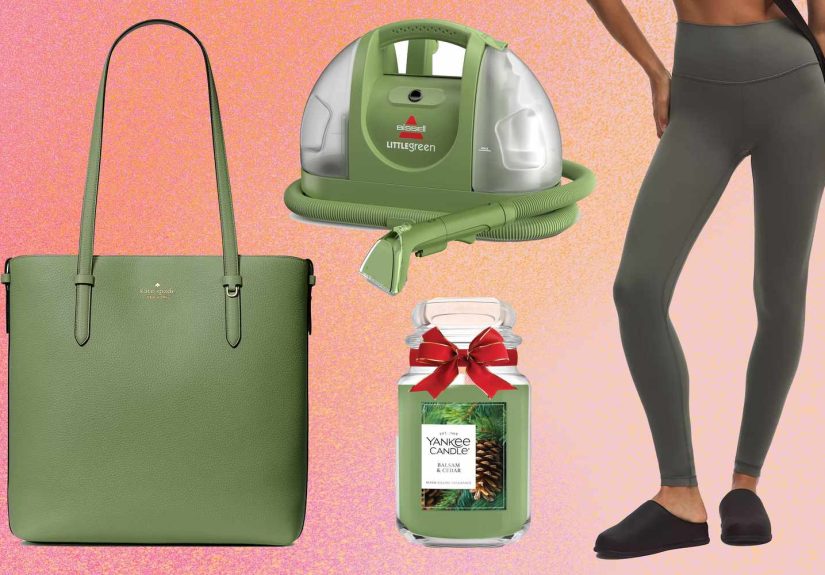
Robot vacuums, upright vacuums, cordless models, carpet cleaners, and wet-dry gadgets are heavily promoted during major online sale events and holiday periods. These products live in that sweet spot of being practical enough to justify and trendy enough to get marked up when demand spikes.
Smart shoppers compare performance first, then price. A vacuum is not a bargain if it cannot survive pet hair, cereal crumbs, and the mysterious dust that appears five minutes after you clean. But when a well-reviewed model goes on sale, it is usually worth waiting for the markdown rather than paying top dollar for the thrill of immediate crumb control.
15. Gifts, Gift Sets, and “Special Occasion” Merch
Retailers love packaging ordinary products as premium gifts, then charging more because the box has a ribbon and a vague air of occasion. Smart shoppers know many giftable categories, from beauty sets to gadgets to housewares, go on sale before big holidays, during major sale events, and especially after the holiday passes.
This is why seasoned buyers stock up early when discounts are strong instead of panic-buying at peak price the week before a birthday, wedding shower, or December gathering. Your gift can still look thoughtful if you bought it on sale. In fact, it may look even more thoughtful when you are not quietly resenting what it cost.
How Smart Shoppers Avoid Full Price Without Becoming Exhausting
The goal is not to turn every purchase into a research thesis. The goal is to build a few reliable habits. Keep a shortlist of items you genuinely need. Use price alerts. Check price history when shopping online. Compare final costs after delivery and fees. Learn the rough sale calendar for the categories you buy most. And perhaps most important, stop confusing urgency with necessity.
Retailers want shoppers to feel that waiting means missing out. Smart shoppers know that in many categories, waiting is exactly how you win. If the item is frequently discounted, full price is not the default; it is the penalty for impatience.
Shopping Experiences: What This Looks Like in Real Life
Most people do not become smart shoppers because they read one article and instantly ascend into bargain enlightenment. They become smart shoppers because they get burned a few times. Maybe it starts with a mattress bought during a “today only” sale that somehow returns, suspiciously, every other weekend. A month later, the same mattress comes bundled with free sheets and pillows, and now you are lying on it like a defeated financial philosopher.
Then there is the furniture lesson. Someone buys a couch at full price because the living room feels empty and guests are coming. Two weeks later, the store launches a holiday event, the couch is hundreds less, and the buyer spends an evening staring at the armrest like it personally betrayed them. The couch did nothing wrong, of course. The timing did.
Electronics are another classic teacher. A shopper pays full freight for a tablet in early June because it seems productive and exciting. By July, a major sale event rolls in, and that same device is discounted enough to cover a case, keyboard, and probably a coffee strong enough to process the mistake. That is when smart habits start forming. People begin using wishlists. They compare prices. They learn that “new obsession” is not a recognized budgeting category.
Holiday decor creates an especially funny transformation. One year, someone pays premium prices for festive throw pillows, ornaments, and lights in early December because the house needs more sparkle. By December 26, those same items are lounging in a clearance bin looking humbled and affordable. The shopper who once paid full price is now the person cheerfully buying next year’s garland at 70% off while everyone else is busy returning sweaters.
Even groceries and small household purchases teach useful lessons. Smart shoppers notice that convenience carries a premium. Precut fruit, single-use cleaners, tiny spice jars, and checkout-lane “treats” quietly inflate weekly totals. Over time, they learn that saving money is often less about one heroic coupon and more about repeated, boringly effective decisions. The boring decisions win. They almost always do.
The best part is that smart shopping eventually feels less like restriction and more like control. You stop feeling pushed around by price tags and promotional language. You start seeing patterns. You recognize when a store is creating urgency and when it is actually offering value. And once that mindset clicks, it applies everywhere, from buying towels to negotiating a car. Saving money stops being a stressful game and starts becoming a quiet skill.
Conclusion
Smart shoppers are not lucky. They are observant. They know that many products cycle through discounts so reliably that full price is more of a suggestion than a rule. Mattresses, appliances, furniture, TVs, cars, linens, clothing, decor, and fitness gear all tend to reward timing, comparison, and a little patience.
So the next time a retailer tells you to act now, pause for a second. Ask whether this is a rare opportunity or just a loudly marketed one. Because in the world of shopping, patience is not passive. Patience is profitable.