Table of Contents >> Show >> Hide
- Why Charcoal Gray Works So Well
- 24 Stylish Ways to Decorate With Charcoal Gray
- 1. Use charcoal gray as an accent wall, not a room-wide ambush
- 2. Pair it with crisp white for instant contrast
- 3. Warm it up with natural wood tones
- 4. Bring in brass or warm metals
- 5. Try a charcoal gray sofa instead of charcoal walls
- 6. Layer multiple shades of gray
- 7. Use it in a bedroom for a cocoon effect
- 8. Add colorful artwork to wake it up
- 9. Use charcoal tile for a sleeker bathroom
- 10. Paint lower cabinets charcoal gray
- 11. Make a home office look more focused
- 12. Use charcoal gray curtains for height and drama
- 13. Let marble and stone do the balancing act
- 14. Go bold in a powder room
- 15. Use patterns to lighten the mood
- 16. Mix it with leather for a rich, lived-in look
- 17. Highlight architectural details
- 18. Add plants for a fresh contrast
- 19. Use it in entryways to create a strong first impression
- 20. Try charcoal gray bedding for a low-risk update
- 21. Choose the right undertone for the room
- 22. Respect the lighting like your decor depends on it, because it does
- 23. Use texture to keep it from falling flat
- 24. Use charcoal gray selectively in open-concept spaces
- Common Mistakes to Avoid With Charcoal Gray
- Conclusion
- Experiences With Charcoal Gray: What It Really Feels Like to Live With It
Charcoal gray is what happens when black decides to get a little more approachable. It is dramatic without being theatrical, polished without being cold, and neutral without being boring. In other words, it is the kind of color that can make a room look expensive even when your budget is more “coupon and crossed fingers” than “custom millwork and imported marble.”
That said, charcoal gray is not a paint color or decor choice you toss around carelessly. This moody neutral can make a room feel tailored and cozy, but it can also turn a space into a dim cave if you ignore undertones, lighting, texture, and contrast. The secret is not simply using charcoal gray. The secret is using it well.
Below are 24 smart, stylish, and realistic ways to decorate with charcoal gray in living rooms, bedrooms, kitchens, bathrooms, home offices, and small spaces. Whether you want dark gray walls, a charcoal gray sofa, or just a few moody accents, these ideas will help you use the color with confidence and keep your home feeling layered, inviting, and very much alive.
Why Charcoal Gray Works So Well
Before diving into the decorating ideas, it helps to understand why charcoal gray keeps showing up in well-designed rooms. It plays nicely with both cool and warm palettes, works in modern and traditional homes, and gives white trim, brass hardware, light wood, marble, linen, and colorful art a stronger stage presence. It is also softer than black, which makes it easier to live with every day.
Still, charcoal gray has rules. It looks different depending on its undertones. Some shades lean blue, green, or violet, while others feel warmer and earthier. Natural light changes everything. A north-facing room may make charcoal feel cooler, while warm afternoon light can make it look richer and more grounded. That is why decorating with charcoal gray is less about picking “a dark gray” and more about building a full room around it.
24 Stylish Ways to Decorate With Charcoal Gray
1. Use charcoal gray as an accent wall, not a room-wide ambush
If you love dark gray walls but are not ready to dunk the whole room in drama, start with one accent wall. A charcoal gray focal wall behind a bed, sofa, fireplace, or dining banquette gives you depth without swallowing the room. This is especially helpful in smaller spaces, where too much dark paint can feel heavy.
2. Pair it with crisp white for instant contrast
Few combinations work harder than charcoal gray and bright white. White trim, white bedding, white tile, or white upholstery sharpens the edges of charcoal and keeps it from feeling muddy. Think of it as giving your moody neutral a ring light. The contrast looks clean, classic, and easy to style.
3. Warm it up with natural wood tones
Charcoal gray can feel sleek on its own, but wood gives it heart. Light oak, walnut, reclaimed wood, and warm stained furniture all soften the seriousness of dark gray. This pairing works beautifully in modern rustic, farmhouse, Scandinavian, and transitional homes. If a room feels a little too serious, wood is often the fix.
4. Bring in brass or warm metals
Brass, aged gold, and bronze add glow to charcoal gray. In kitchens, that might mean hardware and pendants. In bathrooms, it could be a mirror frame, faucet, or sconces. In living rooms, try a brass floor lamp or coffee table detail. Warm metals keep charcoal gray from feeling flat and add a bit of jewelry to the space.
5. Try a charcoal gray sofa instead of charcoal walls
If painting feels like a commitment issue waiting to happen, use charcoal gray in furniture first. A dark gray sofa anchors a living room beautifully and hides daily life better than a white one ever will. Pair it with cream pillows, textured throws, wood side tables, and one or two accent colors for a balanced look.
6. Layer multiple shades of gray
One gray can look nice. Several grays can look intentional. Combine charcoal with dove gray, greige, silver, or smoky taupe to create depth. The trick is variation. A charcoal accent chair next to a medium gray rug and soft gray curtains gives the room movement rather than a flat, monochrome feel.
7. Use it in a bedroom for a cocoon effect
Charcoal gray is excellent in bedrooms because it encourages rest and quiet. Use it on the wall behind the bed, in upholstered headboards, or in bedding. Then lighten things up with white sheets, natural linen, warm wood nightstands, and soft lighting. The room will feel moody, not gloomy.
8. Add colorful artwork to wake it up
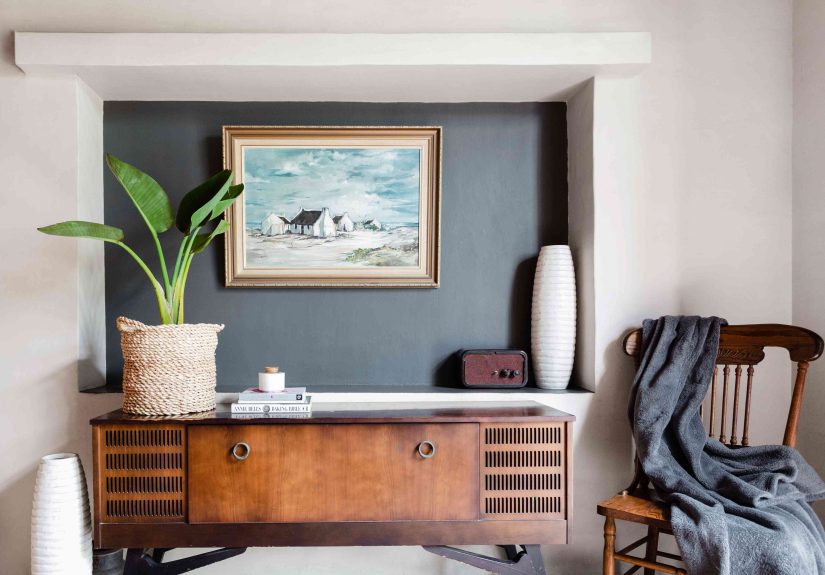
One of the best things about charcoal gray is how well it makes art pop. Bold abstract paintings, vintage posters, botanical prints, and family photography all stand out more against a dark gray backdrop. If you want a room to feel curated, charcoal gray gives your wall decor a strong supporting role.
9. Use charcoal tile for a sleeker bathroom
Bathrooms are a natural place to experiment with charcoal gray because stone, marble, porcelain, and metal already belong there. A charcoal floor tile, shower surround, or vanity wall can create a spa-like mood. Add white grout, warm lighting, and reflective surfaces so the room still feels fresh.
10. Paint lower cabinets charcoal gray
In kitchens, charcoal gray works especially well on lower cabinets or islands. It grounds the room while upper white cabinets or open shelving keep the overall look airy. Add a white backsplash, wood stools, and warm metal hardware, and the space feels current rather than cold.
11. Make a home office look more focused
Charcoal gray can make a home office feel polished and productive. A dark wall behind a desk reduces visual distraction and gives the room a more tailored feel. Mix it with natural wood shelving, task lighting, and lighter textiles so your workspace feels sharp, not stern.
12. Use charcoal gray curtains for height and drama
Full-length dark gray drapes add softness and architecture at the same time. In a mostly light room, charcoal curtains frame the windows and make the ceiling feel taller. Choose textured linen blends, velvet, or woven fabrics for extra richness. Thin, sad curtains are not the assignment here.
13. Let marble and stone do the balancing act
Charcoal gray loves natural stone. Marble countertops, limestone fireplaces, soapstone surfaces, and travertine accents all pair beautifully with dark gray because they bring movement and organic variation. This combination feels elevated and grounded at once, which is design-speak for “expensive in a good way.”
14. Go bold in a powder room
Powder rooms are small enough to handle high-drama choices. Charcoal gray wallpaper, paint, tile, or wainscoting can make a tiny room feel jewel-box chic. Add a statement mirror, good sconces, and a bit of metallic shine. Guests will suddenly take suspiciously long bathroom breaks, but in a flattering way.
15. Use patterns to lighten the mood
Charcoal gray does not have to be one big dark block. Stripes, checks, florals, geometrics, and textured wallpapers break up the color and make it feel more lively. A charcoal-and-white pattern can feel classic, while charcoal mixed with muted greens or dusty blues feels softer and more relaxed.
16. Mix it with leather for a rich, lived-in look
Cognac leather and charcoal gray are one of interior design’s best tag teams. A leather chair, ottoman, or bench brings warmth and patina to a room filled with cooler tones. It is especially effective in dens, offices, living rooms, and bedrooms that need a little more soul.
17. Highlight architectural details
Charcoal gray can make molding, built-ins, paneling, or a fireplace surround look more striking. Instead of disappearing into the wall, those details suddenly have presence. This is a great move in older homes with beautiful trim or in newer homes that need a bit more personality.
18. Add plants for a fresh contrast
Dark gray and greenery are an easy win. Fiddle-leaf figs, olive trees, pothos, snake plants, and even a humble grocery-store fern stand out beautifully against charcoal. The green adds life, and the charcoal makes the plant color look richer. It is one of the cheapest design upgrades you can make.
19. Use it in entryways to create a strong first impression
An entryway painted charcoal gray feels polished the second you walk in. It can also make a small foyer look more intentional, especially when paired with a light rug, warm wood console, mirror, and good lighting. This is the “my house has its act together” move, even if the shoe pile says otherwise.
20. Try charcoal gray bedding for a low-risk update
If you want the mood without the paint job, charcoal gray bedding is an easy way in. A duvet, quilt, or blanket in dark gray gives the bed instant presence. Layer with white sheets, oatmeal linen pillows, and maybe one soft blush, olive, or rust accent for warmth.
21. Choose the right undertone for the room
This is the detail that separates a smart charcoal gray room from one that always looks a little “off.” Blue-leaning charcoal can feel crisp and modern, but too cold in already cool light. Warmer charcoal with brown or taupe influence often feels cozier. Always look at flooring, countertops, tile, and hardware before committing.
22. Respect the lighting like your decor depends on it, because it does
Natural light, bulb temperature, and room orientation change how charcoal gray reads. In dark rooms, add layered lighting: overhead fixtures, table lamps, floor lamps, and sconces. Use warm, inviting light instead of harsh blue-white bulbs. Charcoal gray looks sophisticated when lit well and grumpy when lit badly.
23. Use texture to keep it from falling flat
A charcoal gray room without texture can look one-note. Mix matte paint, nubby upholstery, woven baskets, boucle pillows, velvet drapes, wood grain, ceramic lamps, and natural fiber rugs. Texture gives a dark neutral dimension and makes the space feel welcoming rather than showroom-stiff.
24. Use charcoal gray selectively in open-concept spaces
In large open layouts, charcoal gray works best when it defines zones. Maybe the island is charcoal, the dining chairs are charcoal, and the living room gets a dark media wall. Repeating the color in a few places feels cohesive. Painting everything charcoal can make the space feel overly uniform and a little too committed to its own brooding personality.
Common Mistakes to Avoid With Charcoal Gray
The biggest mistake is assuming all grays are the same. They are not. Another mistake is ignoring light. A charcoal gray sample that looks elegant in a bright showroom can look flat in a dim hallway. Using too many cool finishes at once can also make a room feel sterile. Finally, be careful not to lean so hard into the trend of dark neutrals that the room loses contrast. Charcoal gray is strongest when something lighter, warmer, shinier, softer, or more natural is nearby.
Conclusion
Charcoal gray is a powerful decorating color because it is flexible, grounded, and full of quiet drama. It can anchor a living room, cozy up a bedroom, sharpen a home office, and elevate a kitchen or bath. The key is balance. Pair it with crisp whites, warm woods, natural stone, layered textures, plants, metal accents, and the right undertones for your light. Used thoughtfully, charcoal gray does not make a room feel dark. It makes a room feel intentional.
So if you have been flirting with dark gray walls, eyeing a charcoal sofa, or wondering whether your bathroom could handle a little moody glamour, this is your sign. Start small or go bold, but do it with contrast, texture, and confidence. Charcoal gray can absolutely be the best-dressed neutral in your home.
Experiences With Charcoal Gray: What It Really Feels Like to Live With It
Living with charcoal gray is very different from merely admiring it in a photo. In real homes, the color changes mood throughout the day, and that is part of its charm. In the morning, a charcoal gray bedroom can feel calm and hushed, almost like the room is still stretching before coffee. In the evening, that same room can become deeply cozy, especially with warm lamps, layered bedding, and a soft rug underfoot. The color has a way of making ordinary routines feel more deliberate, which is probably why people keep coming back to it.
In living rooms, charcoal gray often creates a stronger sense of order. A dark gray sectional can make toys, books, remotes, and everyday clutter look a little less chaotic than they do against pale upholstery. Homeowners often discover that charcoal furniture feels practical as well as stylish. It hides wear better, stands up to pets and kids more gracefully, and still looks dressed up when company arrives. That is a rare combination.
Kitchens bring a different experience. Charcoal gray cabinetry or an island tends to make the room feel grounded and more architectural. White kitchens can sometimes feel bright but slightly anonymous. Add charcoal gray, and suddenly the kitchen has a point of view. The trade-off is that darker finishes may show dust, fingerprints, or flour a little faster, so the look rewards regular wipe-downs. Still, many people find that the visual depth is worth the extra two minutes with a cleaning cloth.
Bathrooms and powder rooms are where charcoal gray often surprises people the most. What seems like a risky choice on paper can end up feeling luxurious in person. A small bathroom wrapped in charcoal gray paint or tile can feel intimate instead of cramped, especially when there is good lighting and reflective surfaces. It is one of those colors that can make even a basic mirror and simple vanity look more refined than they really are.
The most important long-term lesson is this: charcoal gray performs best when it is not left alone. Homes that use it successfully almost always pair it with relief: white trim, warm wood, soft fabrics, greenery, stone, art, or metallic accents. When those balancing elements are present, charcoal gray feels smart, timeless, and deeply livable. Without them, it can feel heavy. With them, it feels like the room finally learned how to exhale.