Table of Contents >> Show >> Hide
- What Are Bunashimeji Mushrooms?
- Quick Prep: Clean, Trim, and Store Like a Pro
- Method 1: 10-Minute Garlic-Butter Sauté (Pan-Seared Bunashimeji)
- Method 2: High-Heat Roasted Bunashimeji (Sheet Pan or Air Fryer)
- Method 3: Cozy Miso Soup or Brothy Noodle Bowl (Bunashimeji’s Comfort-Food Era)
- Flavor Pairing Cheat Sheet (So You Can Improvise Confidently)
- Common Mistakes When Cooking Bunashimeji (And How to Fix Them)
- Nutrition Notes (Quick, Useful, Not a Lecture)
- Conclusion
- Real-Life Kitchen Experiences with Bunashimeji (About )
Bunashimeji mushrooms (also known as beech mushrooms) are the little “bouquets” of the mushroom world: cute, clustered, and suspiciously good at making plain food taste like it has a résumé. If you’ve ever brought home a package, stared at it, and thought, “Do I… just throw these into a pan and hope for the best?”you’re in the right kitchen.
This guide gives you three simple, weeknight-friendly ways to cook bunashimeji mushrooms: a fast garlic-butter sauté, a high-heat roast (sheet pan or air fryer), and a cozy miso soup/brothy bowl that tastes like a warm hug with better boundaries. Along the way, you’ll get prep tips, flavor pairings, and the kind of practical details that save you from serving your friends “mushrooms, but sad.”
What Are Bunashimeji Mushrooms?
Bunashimeji are a type of cultivated mushroom often sold in tight clusters with long stems and small caps. In many U.S. grocery stores you’ll see them labeled as beech mushrooms or shimeji mushrooms, typically in brown or white varieties. The flavor is gently nutty and savory once cooked, with a crisp-tender bite that stays pleasantly snappy instead of collapsing into mush.
One important note: bunashimeji are famous for being not their best selves when raw. Raw they can taste bitter and feel a bit tough. Cook them and they mellow into a buttery, umami-rich sidekick that plays well with everything from steak to ramen.
Quick Prep: Clean, Trim, and Store Like a Pro
How to Choose Bunashimeji Mushrooms
- Look for: firm stems, dry caps, and a fresh, mild smell.
- Avoid: slimy spots, dark bruising, or packages with lots of condensation (mushrooms don’t enjoy spa-level humidity).
How to Clean Bunashimeji (Without Turning Them Into Tiny Sponges)
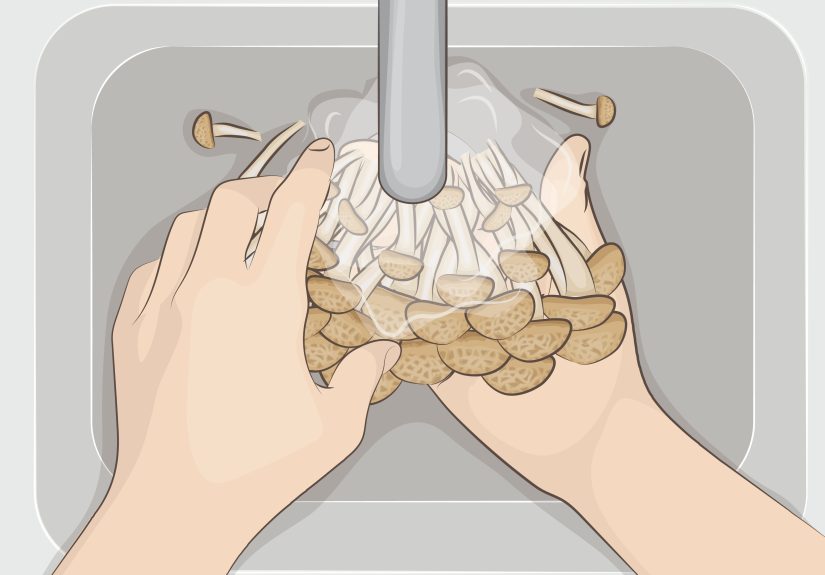
Mushrooms aren’t made of sugar, but they are great at holding onto water. The easiest approach: wipe gently with a damp paper towel or soft brush. If they’re gritty, do a very quick rinse right before cooking, then dry thoroughly.
How to Trim and Separate the Cluster
- Place the cluster on a cutting board like it’s about to get a haircut.
- Trim off the woody base (usually 1/4 to 1/2 inch).
- Use your fingers to separate the stems into individual mushrooms or small groups.
How to Store Beech Mushrooms
If you want your mushrooms to last longer than a day-and-a-half, give them airflow. The most reliable method is to store them in a paper bag on a refrigerator shelf (not the crisper), which helps prevent moisture buildup and slows spoilage. If they’re in plastic packaging, plan to use them soon and avoid letting condensation hang out in there like it pays rent.
Method 1: 10-Minute Garlic-Butter Sauté (Pan-Seared Bunashimeji)
This is the “I have a pan and a personality” method. You’re aiming for browning first, then flavor boosters. The trick is high-ish heat, space in the pan, and patience for 2 minutes while the mushrooms sear (don’t stir them into oblivion immediatelylet them earn their golden edges).
Ingredients (Serves 2–3 as a side)
- 6–8 oz bunashimeji (beech mushrooms), trimmed and separated
- 1–2 tbsp olive oil (or neutral oil)
- 1 tbsp butter
- 2 cloves garlic, minced
- Salt and black pepper
- Optional: 1–2 tsp soy sauce or tamari, a squeeze of lemon, chopped parsley or scallions
Steps
- Heat a large skillet over medium-high heat. Add oil.
- Add mushrooms in a single layer. Cook 2–3 minutes without moving much, until they begin to brown.
- Stir and cook 2–3 minutes more, until tender and lightly golden.
- Lower heat to medium. Add butter and garlic. Cook 30–60 seconds, just until fragrant.
- Season with salt and pepper. Finish with soy sauce (tiny splash!), lemon, and herbs if using.
Easy Variations (Because You Deserve Options)
- Soy-Butter Bunashimeji: add 1–2 tsp soy sauce at the end and toss.
- Chili Oil Glow-Up: drizzle chili oil and top with cilantro or scallions.
- Pan Sauce Energy: deglaze with a splash of broth, sake, or white wine, then reduce for 30 seconds.
How to Serve This Sauté
- Over rice with a jammy egg
- Tucked into tacos with avocado and lime (yes, really)
- On toast with ricotta and cracked pepper
- As a steak or salmon topper when you want to feel fancy on a Tuesday
Method 2: High-Heat Roasted Bunashimeji (Sheet Pan or Air Fryer)
Roasting bunashimeji gives you deep, savory flavor with lightly crisped edges. The secret is the same one that makes roasted vegetables taste like they went to finishing school: high heat and no overcrowding. If the mushrooms are piled up, they steam. If they have space, they brown.
Sheet Pan Version
Ingredients
- 8–10 oz bunashimeji, trimmed and separated
- 1–2 tbsp olive oil
- Salt and pepper
- Optional: garlic powder, smoked paprika, thyme, or a pinch of red pepper flakes
Steps
- Heat oven to 425°F.
- Toss mushrooms with oil, salt, pepper, and any dry seasonings.
- Spread on a sheet pan in a single layer (give them breathing room).
- Roast 12–18 minutes, tossing once halfway, until browned and tender.
- Finish with lemon zest, grated Parmesan, or a dab of butter if you want “restaurant vibes.”
Air Fryer Version
Air fryers are basically tiny convection ovens that judge you for not shaking the basket. (Shake it. You know you should.)
- Set air fryer to 375–400°F.
- Toss mushrooms with oil, salt, and pepper.
- Cook 8–12 minutes, shaking once or twice, until lightly crisped and browned.
Flavor Ideas for Roasted Shimeji
- Miso-maple glaze: toss with a teaspoon of miso + a teaspoon of maple syrup + oil before roasting.
- “Everything bagel” mushrooms: sprinkle seasoning blend after roasting (so it doesn’t burn).
- Garlic + rosemary: add minced garlic for the last 3 minutes to prevent bitterness.
Method 3: Cozy Miso Soup or Brothy Noodle Bowl (Bunashimeji’s Comfort-Food Era)
If sautéing is bunashimeji’s fun side, soup is their thoughtful side: warm, savory, and quietly impressive. In broth, they stay pleasantly crisp while soaking up flavor like tiny umami microphones.
Simple Bunashimeji Miso Soup
Ingredients (Serves 2–3)
- 4–6 oz bunashimeji, trimmed and separated
- 3 cups dashi or broth (vegetable or chicken)
- 2–3 tbsp miso paste (white for mild, red for bolder)
- Optional add-ins: tofu cubes, wakame, sliced scallions, spinach, cooked noodles
- Optional flavor boosters: a splash of soy sauce, a tiny knob of butter, a sprinkle of sesame seeds
Steps
- Bring broth to a gentle simmer.
- Add bunashimeji and cook 4–6 minutes until tender-crisp.
- Turn heat to low. In a small bowl, whisk miso with a ladle of hot broth until smooth.
- Stir miso mixture back into the pot. Do not boil after adding miso.
- Add tofu/wakame/spinach and warm through. Top with scallions and sesame.
Turn It Into a 15-Minute Noodle Bowl
Add cooked ramen, udon, or soba; toss in bok choy or baby spinach; finish with chili crisp and a soft-boiled egg. Suddenly it’s not “soup,” it’s “a lifestyle.”
Flavor Pairing Cheat Sheet (So You Can Improvise Confidently)
- Classic savory: butter, garlic, thyme, parsley, lemon
- Japanese-inspired: soy sauce, miso, mirin, sesame oil, scallions, dashi
- Spicy & bold: chili oil, gochujang, black vinegar, ginger
- Cozy & creamy: cream sauces, pasta, risotto, gratins
- Veggie friends: bok choy, green beans, snap peas, onions, peppers
Common Mistakes When Cooking Bunashimeji (And How to Fix Them)
1) Not cooking them enough
Under-cooked bunashimeji can be bitter and a bit tough. Give them enough heat time to mellow and develop flavor.
2) Overcrowding the pan
If the mushrooms are piled up, they steam instead of brown. Use a bigger pan or cook in batches. Browning = flavor.
3) Washing them like they owe you money
A quick rinse is fine, but soaking is not the move. Dry them well so they sear instead of simmer in their own bathwater.
4) Adding garlic too early
Garlic can burn fast at high heat. Sear mushrooms first, then add garlic toward the end for sweet, fragrant flavor.
Nutrition Notes (Quick, Useful, Not a Lecture)
Like most edible mushrooms, bunashimeji are low in calories and bring fiber and a mix of micronutrients to the party. They also contribute naturally savory umami, which can make plant-forward meals feel more satisfyingno magic tricks required. If you’re building healthier meals, mushrooms are an easy “add flavor without adding heaviness” ingredient.
Conclusion
If you remember only one thing, let it be this: bunashimeji mushrooms want heat and space. Sauté them fast for buttery weeknight glory, roast them hot for deep savory edges, or simmer them in miso soup when you need comfort in a bowl. Once you’ve cooked them a couple times, you’ll start tossing them into everythingbecause they make ordinary food taste like it paid attention in class.
Real-Life Kitchen Experiences with Bunashimeji (About )
The first time I bought bunashimeji mushrooms, I didn’t realize they came as a little cluster. I opened the package and thought, “Aw, it’s a mushroom bouquet.” Then I tried to pull one stem out and discovered it was basically a tiny fungal apartment building. The base is the front door. You’re going to evict it. Gently. With a knife.
My earliest mistake was treating bunashimeji like button mushrooms: I tossed them into a pan, immediately stirred like I was defusing a bomb, and wondered why nothing browned. Lesson learned: give them a chance to sit still. Mushrooms brown when they have direct contact with heat and enough time for moisture to cook off. If you keep stirring, you’re basically giving them a spa treatmentwarm, steamy, and tragically beige.
Another real-world discovery: bunashimeji are the rare mushroom that stays pleasantly crisp even after cooking. That crunch is a feature, not a bug. The first time you bite into one, your brain might go, “Are these done?” Yes. They’re done. They’re just confident. It’s the same joy you get from a perfectly cooked snap peatender but still lively.
My go-to weeknight move is the garlic-butter sauté, because it’s practically impossible to mess up once you learn the sequence: sear first, flavor later. If dinner is a bowl of noodles, I’ll splash in soy sauce and a squeeze of lemon at the end, then pile the mushrooms on top like I’m auditioning for a food commercial. If dinner is leftovers, the mushrooms still work. They are equal-opportunity delicious.
The “surprise hit” in my kitchen has been roasting them at high heat. I used to roast vegetables and ignore mushrooms, as if mushrooms didn’t deserve the sheet-pan lifestyle. Wrong. Roasted bunashimeji get these browned tips that taste deeper and almost nutty, and suddenly they’re not just a sidethey’re the thing you keep nibbling while you “set the table” (which is kitchen code for “eat standing up, directly off the pan, like a happy raccoon”).
Soup-wise, bunashimeji are the easiest upgrade for brothy bowls. When you add them to miso soup, they soak up flavor but keep their bite, so every spoonful feels interesting. One night I tossed them into a quick broth with noodles and whatever greens were about to wilt in the fridge. It tasted intentional. It was not. That’s bunashimeji magic: they make “I’m winging it” taste like “I planned this.”
Final practical tip: buy two packs when you see them. One pack becomes dinner. The other pack becomes “chef snacks” while you cook dinner. This is not a problem. This is a lifestyle.