Table of Contents >> Show >> Hide
- Before You Cover Carpet in a Rental, Check These Four Things
- Simple Way #1: Use Oversized Area Rugs With the Right Rug Pad
- Simple Way #2: Lay Carpet Tiles or Rug Tiles
- Simple Way #3: Add a Temporary Floating Floor or Interlocking Tile System
- Mistakes to Avoid When Covering Carpet in a Rental
- Which Option Is Best?
- Renter Experiences: What People Learn After Actually Living With These Solutions
- Conclusion
Rental carpet has a special talent for looking tired five minutes after you move in. Maybe it is dingy beige. Maybe it is the color of old oatmeal. Maybe it is technically “champagne,” which is real-estate language for “please do not look directly at the floor.” The good news is that you do not have to rip anything out, break your lease, or start a dramatic monologue about security deposits. There are smart, renter-friendly ways to cover carpet and make your space feel cleaner, more stylish, and more like your home.
If you are wondering how to cover carpet in a rental without causing damage, the trick is to work with the floor you have instead of fighting it. Some solutions are soft and decorative, like oversized area rugs. Some are practical and modular, like carpet tiles. And some create a more polished “real floor” look, like temporary floating floor panels or interlocking tiles. The best choice depends on your budget, the pile height of the carpet, how long you plan to stay, and whether your landlord is the chill type or the “please use the approved thumbtacks” type.
In this guide, we will walk through three simple ways to cover carpet in a rental, plus the mistakes to avoid, the rooms each option works best in, and the real-life lessons renters usually learn after buying the wrong thing once. Consider this your shortcut to a better floor and fewer regrets.
Before You Cover Carpet in a Rental, Check These Four Things
Before you buy anything large enough to require emotional support, do a quick reality check.
1. Read your lease
Some landlords do not care what sits on top of the carpet as long as you do not glue, staple, or permanently alter anything. Others want written approval for even temporary flooring. If your lease is vague, ask by email so you have a record. “Hi, I want to use removable rugs or temporary floor panels over the existing carpet without adhesives or permanent fasteners” sounds responsible and impressively adult.
2. Figure out your carpet type
Low-pile carpet is easier to cover than plush carpet. A dense, flatter carpet gives rugs, carpet tiles, and temporary floor systems a steadier base. Thick, fluffy carpet feels lovely under bare feet but acts like a trampoline for anything rigid placed on top. That matters a lot if you are thinking about temporary hard flooring.
3. Measure for door clearance
This is not glamorous, but it is necessary. Measure the height of your rug, pad, tile, or panel system before you commit. A beautiful floor upgrade is much less magical when the bedroom door suddenly refuses to open and begins a passive-aggressive relationship with the threshold.
4. Take photos of the original carpet
Photograph the carpet before covering it, especially if it already has stains, dents, or weird wear patterns. It protects you later if there is a dispute about the move-out condition. Keep a few photos in a folder with your lease and approval email.
Simple Way #1: Use Oversized Area Rugs With the Right Rug Pad
If you want the easiest and most renter-safe option, go with a large area rug. This is the simplest way to cover ugly carpet in a rental because it does not require special tools, permanent installation, or a weekend that ends with you crying in the hardware aisle.
A well-sized rug can visually replace the carpet instead of looking like a random rectangle floating in the middle of the room. That is the big secret. Tiny rugs do not “cover” carpet; they merely announce that carpet still exists. Go larger than you think.
How to make this method work
Start with room measurements. In many living rooms, an 8-by-10-foot rug works well, while larger rooms often look better with a 9-by-12-foot rug. In bedrooms, an 8-by-10 rug commonly works under a queen bed. In a studio, a single oversized rug can make the whole room feel intentionally designed instead of pieced together from whatever was on sale.
Then add a rug pad. This part matters more than people think. A rug pad helps reduce bunching, protects the rug, adds comfort, and helps prevent ripples and curling edges. It should be slightly smaller than the rug so it stays hidden and the edges can lie flatter.
Choose the right texture
When layering a rug over carpet, texture matters. If your rental has low-pile carpet, you can usually get away with a thicker, softer rug on top. If the existing carpet is plush or shaggy, choose a low-pile or flatweave rug so the room does not feel overly bulky. Contrast looks intentional. Too much fluff on top of fluff looks like your floor is wearing two winter coats indoors.
Best rooms for this option
- Living rooms with stained or dated carpet
- Bedrooms that need softness and color
- Home offices where you want a more polished backdrop
- Studios where one oversized rug can define the main zone
Pros
- Fastest and easiest solution
- Portable when you move
- Huge range of styles, materials, and price points
- Can help protect the original carpet from additional wear
Cons
- Poor sizing makes the room look awkward
- Edges can curl or bunch without proper anchoring
- May still leave perimeter carpet visible
Pro tip: Anchor the rug with furniture when possible. A sofa, bed, or desk can help keep the rug flat and stable. This is especially useful in high-traffic spots where the rug may shift.
Simple Way #2: Lay Carpet Tiles or Rug Tiles
If you want more coverage than a standard rug and more flexibility than wall-to-wall anything, carpet tiles are a clever middle ground. These modular squares are easy to carry, easy to replace, and easy to customize. If one section gets stained, you swap one tile instead of dealing with an entire rug or an existential crisis.
Carpet tiles are especially useful when only part of the rental carpet bothers you. Maybe the dining nook is gross, the entry area is worn, or the desk corner sees constant chair traffic. Instead of covering the whole room, you can create a clean, intentional zone exactly where you need it.
Why renters like carpet tiles
They are modular, which means you can arrange them in a simple grid, checkerboard, stripe, or mixed-tone pattern. They are also easier to transport than a giant rug and often easier to clean. Some versions use peel-and-stick backing, while others rely on tabs, tackifier systems, or simple weight and placement. For renters, the most important detail is choosing a system that is removable and compatible with your surface.
Where carpet tiles work best
- Under a desk chair or work area
- In a playroom corner
- At the foot of the bed
- In a walk-in closet or dressing area
- In a rental with only one bad patch of carpet you would prefer to never see again
How to use them well
Vacuum first. Then create a dry, clean base. Lay out the pattern without sticking anything down so you can see how the edges line up. If you are using removable adhesive tabs, test a small area first. If you are using peel-and-stick tiles, verify that the product is safe for your specific surface and lease conditions. Not every “temporary” product is equally renter-friendly in real life.
Also, be honest about seams. Carpet tiles are practical, but they rarely mimic one seamless broadloom carpet perfectly. That is not a dealbreaker. It just means this option works best when you embrace the modular look rather than pretending it is invisible.
Pros
- Great for covering targeted areas
- Damaged tiles can be replaced individually
- Easy to DIY
- Good for defining zones in open layouts
Cons
- Seams may be visible
- Some adhesive systems may not be ideal for every rental carpet
- Not always the best pick if you want a lush, seamless look
For many renters, carpet tiles work best as a functional design solution rather than a full-room disguise. Think “smart upgrade,” not “secret luxury hotel suite.”
Simple Way #3: Add a Temporary Floating Floor or Interlocking Tile System
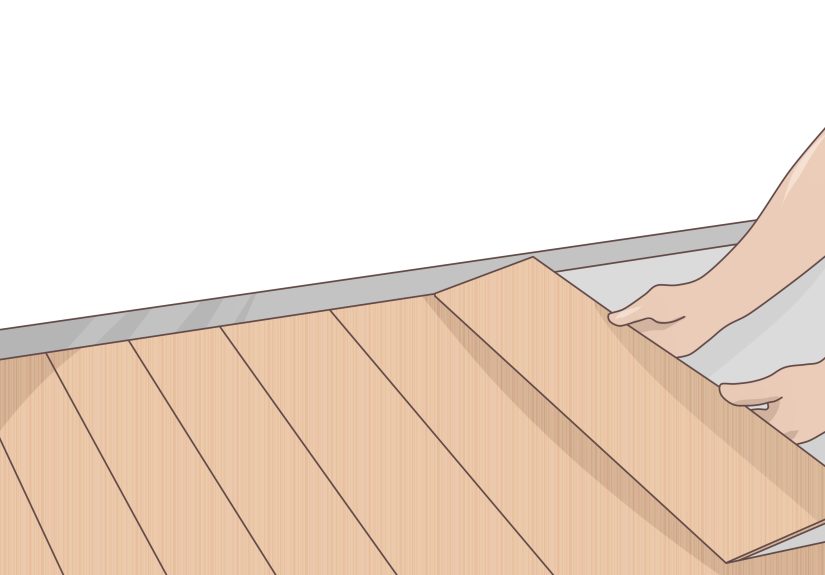
If your dream is to make the room look less carpeted and more like a clean hard floor, a temporary floating floor system may be your favorite option. This can include click-lock vinyl or laminate panels, portable floor panels, or interlocking tile systems designed to sit over an existing surface.
Now for the important caveat: this is not a universal fix for every rental carpet. It works best when the existing carpet is low-pile, dense, and relatively flat. It is much riskier over plush carpet, uneven surfaces, or areas with a lot of bounce. Think of this method as “possible with conditions,” not “slap it down and hope for the best.”
When this option makes sense
- You want a dining area that is easier to clean
- You need a firmer base under a desk chair
- You hate the look of carpet and want a stronger visual change
- Your rental has low-pile carpet and generous door clearance
What to watch for
First, check the product instructions. Many floating floor products want a solid and flat base. Some can go over pre-existing surfaces, but not all are suitable over soft carpet. If the carpet is too plush, the planks or tiles may separate, shift, or feel unstable underfoot.
Second, think about transitions. Hard flooring panels create height, and that can affect door swing, adjacent rooms, and the visual edge where the new surface ends. Reducer strips or transition pieces may be necessary for a cleaner finish.
Third, do not assume adhesive products are the answer. In rentals, glue-heavy or peel-and-stick solutions can be a gamble on top of carpet. A click-lock or interlocking system is usually the safer route when the goal is temporary coverage and cleaner removal.
Pros
- Most dramatic visual transformation
- Easier cleanup in dining or office areas
- Can create a more finished, hard-floor look
Cons
- Not suitable for every carpet type
- Requires the most planning
- Can affect doors, transitions, and furniture height
- Usually costs more than rugs or small carpet tile projects
If you go this route, think small before you think whole-room. A temporary floor in a dining nook, work zone, or craft corner is usually more realistic than trying to transform a plush-carpeted one-bedroom into a fake hardwood penthouse.
Mistakes to Avoid When Covering Carpet in a Rental
Choosing a rug that is too small
This is the most common mistake, and it makes the room feel choppy. In most cases, a larger rug looks better and covers more visual mess. If you are trying to disguise rental carpet, undersized is not your friend.
Ignoring moisture and airflow
Anything that sits on carpet for a long time should be checked now and then, especially in humid spaces. Moisture, spills, and trapped dust are not exciting topics, but they are very real. Lift rugs or tiles occasionally, vacuum underneath, and make sure everything is dry before putting it back.
Using too much adhesive
The more permanent the hold, the less renter-friendly the solution tends to be. Removable tabs, pads, or interlocking systems are usually safer than going wild with glue, staples, or aggressive tape.
Skipping the landlord conversation
If your flooring plan involves anything more complicated than laying down a rug, ask first. Five minutes of emailing can save you a very annoying deposit argument later.
Forgetting how you actually live
A cream shag rug sounds romantic until you have two kids, one dog, and a habit of drinking coffee while walking. Pick materials and textures that fit your real life, not your fantasy life.
Which Option Is Best?
If you want the easiest, safest, and most stylish option for most rentals, choose an oversized area rug with the right pad. If you need targeted coverage and easy replacement, choose carpet tiles. If you want the strongest visual change and have low-pile carpet plus landlord approval, a temporary floating floor or interlocking tile system can work beautifully.
In other words, there is no single best way to cover carpet in a rental. There is only the best way for your rental, budget, and tolerance for DIY chaos.
Renter Experiences: What People Learn After Actually Living With These Solutions
One of the most useful things about this topic is that renters almost always become experts the hard way. The first lesson usually arrives the moment someone buys a rug that looked massive online and then unrolls it in the living room only to discover it covers roughly the same area as a beach towel. The second lesson arrives when the rug bunches under the coffee table and tries to become a tripping hazard. By the third lesson, that renter owns a tape measure, a rug pad, and a stronger personality.
A common success story starts with the oversized area rug. A renter moves into a perfectly decent apartment except for one issue: the wall-to-wall carpet is dark, worn, and somehow makes every piece of furniture look sad. Instead of trying to out-decorate the carpet with small accent rugs, they choose one large flatweave rug for the seating area and a proper pad underneath. Suddenly the room feels intentional. The couch and chairs sit partly on the rug, the carpet stops being the first thing people notice, and the whole space feels brighter. The biggest surprise is often psychological. Covering most of the visual carpet changes the mood of the room as much as the look of it.
Another renter might take the modular route with carpet tiles. This often happens in work-from-home apartments where one corner gets destroyed by an office chair. A few carpet tiles create a dedicated workspace, soften sound, and cover the ugliest patch without forcing a full-room makeover. People like that they can replace one stained or worn square instead of cleaning an entire rug. They also like the control. If they move the desk, they can move the tile layout too. The trade-off is that carpet tiles look practical. They can look great, but they rarely disappear. The renters who love them are usually the ones who lean into the pattern instead of fighting it.
Then there is the renter who wants hard flooring over carpet because they are absolutely done pretending the dining area is a good place for plush fibers. This can work, especially over low-pile carpet, but the happiest outcomes usually come from keeping the project small and realistic. A compact click-together floor under a dining table or desk can feel life-changing when crumbs, chair legs, and rolling furniture are involved. The renters who regret it are usually the ones who skip the prep work. They ignore door clearance, assume every product can sit over any carpet, or buy something too flimsy for the surface below. Temporary floors reward planning and punish optimism.
The broad lesson from renter experiences is simple: the best carpet-covering idea is usually the one that matches your actual habits. People who want speed and style love oversized rugs. People who want flexibility love tiles. People who want a dramatic visual change love temporary floor systems, but only when they respect the limits. So if your rental carpet is making you miserable, do not panic and do not start peeling at corners. Start with your room, your daily life, and your lease. The right solution will feel less like a workaround and more like a genuinely smart upgrade.
Conclusion
Covering carpet in a rental does not have to be complicated, expensive, or risky. In most cases, you can dramatically improve the look of a room with one of three renter-friendly solutions: a generously sized area rug, modular carpet tiles, or a temporary floating floor system used carefully and strategically. The smartest choice depends on your carpet type, room function, budget, and how permanent you want the transformation to feel.
If you want the least stressful option, start with an oversized rug and a good pad. If you need flexibility, choose carpet tiles. If you want the biggest visual shift, explore temporary hard-floor systems for low-pile carpet and always verify the installation details first. That way, your rental can feel less like “someone else’s carpet problem” and more like home.