Table of Contents >> Show >> Hide
- Why Vertical Blinds Break in the First Place
- What to Check Before You Start
- Basic Tools and Supplies
- Way 1: Repair a Broken Vane Hole with a Vane Saver or Repair Tab
- Way 2: Replace a Damaged or Warped Vane
- Way 3: Repair the Headrail, Carrier Stem, or Alignment Problem
- Repair or Replace: How to Decide
- Mistakes to Avoid When Repairing Vertical Blinds
- How to Keep Vertical Blinds from Breaking Again
- Experiences and Lessons from Real-World Vertical Blind Repairs
- Final Thoughts
Vertical blinds are a little like that one friend who looks polished in public but becomes dramatically high-maintenance at home. One day they glide like a dream across your patio door. The next day, one vane is hanging sideways, another drops to the floor, and the whole track sounds like it is chewing gravel for breakfast.
The good news is that you usually do not need to replace the entire set. In many cases, a vertical blind repair is simple, affordable, and very doable with basic tools. If the damage is limited to the vane, the clip, or the carrier mechanism inside the headrail, you can often bring your window treatment back to life without turning it into a weekend-long home improvement saga.
In this guide, you will learn three practical ways to repair vertical blinds, how to figure out which part is actually broken, and when a repair makes more sense than a full replacement. Whether your blinds are covering a sliding glass door, a wide living room window, or that one awkward opening every house seems to have, these fixes can help restore smooth operation and save money.
Why Vertical Blinds Break in the First Place
Before you start repairing anything, it helps to know what usually goes wrong. Most vertical blind problems fall into one of three categories:
- The vane is damaged. The slat may crack, warp, tear at the top hole, or get bent out of shape.
- The connection point fails. The top hole where the vane hangs can rip, or the clip that holds it can become weak.
- The headrail mechanism wears out. The carrier stem, gear, track, or alignment system can stop turning properly.
Sun exposure, dust buildup, rough handling, and age all play a role. Plastic and vinyl vanes can become brittle. Fabric vanes can fray or pull away from their hanger. And when people yank the wand like they are starting a lawn mower, the internal parts tend to file a complaint.
What to Check Before You Start
Do not order parts just because one vane is acting weird. First, do a quick inspection:
- Open and close the blinds slowly.
- See whether the problem is one vane, several vanes, or the whole track.
- Look at the top of the damaged vane for a cracked or torn hole.
- Check whether the vane is simply twisted backward.
- Inspect the headrail for dirt, obstructions, or a loose bracket.
- Turn the wand and note whether the carriers rotate evenly.
That two-minute inspection can save you from fixing the wrong thing. A vane that keeps falling may not actually be “bad blinds.” It may just need a tiny repair tab. A vane that will not turn might not need replacing at all. It could be a carrier stem inside the headrail. Translation: do not blame the innocent slat before questioning the mechanism.
Basic Tools and Supplies
You will not need a full workshop for most vertical blind repair jobs. Usually, a small stash of supplies does the trick:
- Needle-nose pliers
- Flathead screwdriver
- Replacement vane or matching slat
- Vane saver or vertical blind repair tab
- Replacement carrier stem or gear
- Step stool
- Microfiber cloth
- Mild cleaner
- Optional: dry lubricant or silicone spray made for moving parts
Now let’s get to the three main repairs that solve most vertical blind problems.
Way 1: Repair a Broken Vane Hole with a Vane Saver or Repair Tab
This is one of the most common fixes, and thankfully, it is also one of the easiest. If your vertical blind vane keeps falling out, the top hole is often cracked or torn. The vane itself may still look fine, but the hanging point is no longer strong enough to stay attached.
Best for
- Plastic, vinyl, or PVC vanes with a broken top hole
- One or two vanes that keep dropping from the track
- Quick, low-cost repairs when the rest of the blind is in good shape
How to Do It
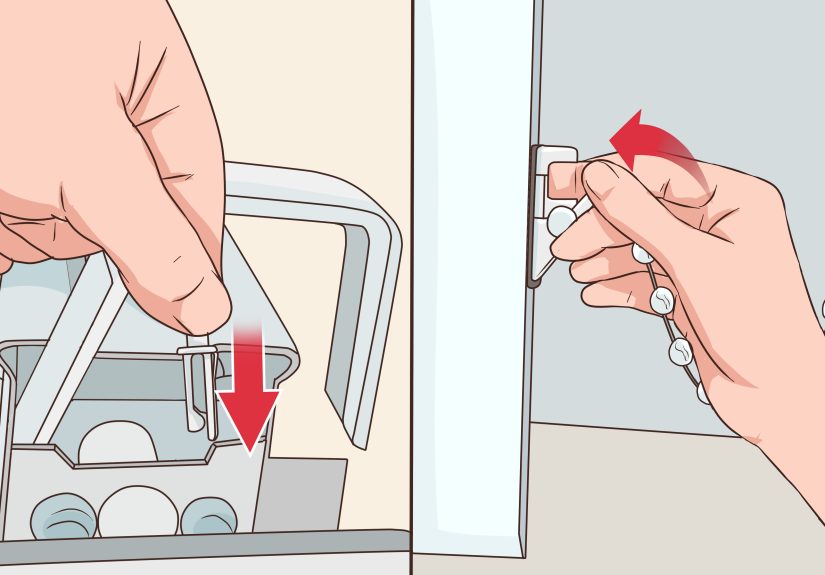
- Remove the damaged vane from the headrail clip.
- Clean the top area so the repair piece sits flat.
- Slide a vane saver or repair tab over the torn section at the top.
- Make sure the new opening lines up correctly with the clip.
- Rehang the vane and test the movement.
A vane saver is basically the tiny hero of the vertical blind world. It reinforces the hole and gives the slat a new place to hang. It is much cheaper than replacing all the vanes, and it works especially well when the rest of the vane is not cracked or warped.
When This Repair Makes Sense
Use this method when the vane looks mostly normal but the top connection point has failed. It is ideal for a rental, a quick refresh, or a set of patio door blinds that only has one or two troublemakers.
When It Does Not
If the vane is badly warped, deeply cracked, stained beyond redemption, or visibly faded compared with the rest, a repair tab may keep it hanging, but it will not make it look better. In that case, replacing the vane is the smarter move.
Way 2: Replace a Damaged or Warped Vane
Sometimes the vane is simply done. Maybe the dog thought it was a chew toy. Maybe the sun baked it until it curled like a potato chip. Maybe someone walked through the sliding door carrying laundry and declared war on the blinds without meaning to. It happens.
When a vane is bent, cracked, split, or heavily discolored, replacing it is often the cleanest repair.
Best for
- Broken vertical blind slats
- Warped or bent vanes
- Visible cosmetic damage
- Fabric vanes with torn hangers or severe wear
How to Replace a Vertical Blind Vane
- Rotate the blinds to the open position for easier access.
- Gently unhook the damaged vane from the carrier clip.
- Compare the replacement vane to the old one for width, length, color, and hole placement.
- Insert the new vane into the clip securely.
- Test the blinds by rotating and drawing them open and closed.
If you cannot find an exact replacement because the blinds are older, bring one vane with you when shopping or compare dimensions carefully online. A close match in size matters just as much as color. A beautiful new vane that hangs an inch too short will stand out like a tuxedo at a pool party.
Pro Tip for Better Results
If one damaged vane is noticeably more faded than the others, consider replacing a few adjacent vanes rather than just one. Sun exposure can change color over time, especially on vertical blinds used over sliding glass doors.
Can You Swap in a Vane from Another Spot?
Yes, sometimes. If one vane in a less visible area is in better condition, you can move it and place the new vane where the difference will be less obvious. This trick is especially useful if you are waiting for matching replacement parts or dealing with discontinued styles.
Way 3: Repair the Headrail, Carrier Stem, or Alignment Problem
This is the fix for vertical blinds that still look intact but refuse to behave. If the vanes do not rotate together, one vane faces backward, the wand turns but nothing happens, or the blinds drag and jam, the issue may be inside the headrail.
Common Signs of a Headrail Problem
- One vane will not turn with the others
- The wand rotates, but a carrier stays frozen
- Vanes look misaligned or reversed
- The track feels rough or sticky
- Several vanes fall even though the vane holes are fine
- The headrail sags or shifts because a bracket is loose
Step 1: Try the Simple Reset First
Before taking anything apart, try realigning the vanes. Close the blinds fully in one direction, then continue turning the wand or chain steadily until the mechanism stops. Reverse direction and rotate them fully the other way. Misaligned vanes sometimes snap back into proper position during this reset.
Also inspect for dust and debris in the track. Dirt can interfere with smooth movement, especially in high-traffic areas near patios and entry doors. Wipe the headrail with a dry cloth, remove visible obstructions, and make sure the vanes are not sticking together from dust or static.
Step 2: Inspect the Carrier Stem
If one vane still refuses to turn, remove that vane and inspect the carrier stem. This small plastic piece connects the vane to the rotating mechanism. If it is cracked, warped, or snapped, the vane may hang there like it is participating in the blinds but emotionally checked out.
To replace the stem:
- Remove the vane from the carrier.
- Grip the carrier body carefully.
- Use pliers or a screwdriver, depending on the design, to remove the damaged stem.
- Insert the matching replacement stem.
- Reattach the vane and test the rotation.
Step 3: Replace the Gear if Needed
If the stem is fine but the carrier still will not rotate, the internal gear may be worn or stripped. This repair is a little more involved, but it is still manageable if you work slowly and keep the parts organized. Remove the control end or access point, take out the old gear, install the replacement, and test before rehanging everything.
Step 4: Check the Brackets and Headrail Support
Loose mounting brackets can cause the track to sag, which leads to poor alignment and repeated vane problems. Tighten loose screws and make sure the headrail is fully seated. If the blind spans a wide opening, center support matters. A track that is unsupported in the middle may act like the whole system is failing when it really just needs better support.
Repair or Replace: How to Decide
Here is the honest answer: not every set of vertical blinds deserves a heroic comeback. Sometimes repair is absolutely worth it. Sometimes replacement is the better long-term move.
Repair Them If
- The damage is limited to one or two vanes
- The headrail is still in decent condition
- Replacement parts are easy to find
- The blinds still match your room and function well overall
Replace Them If
- Multiple carriers, clips, and vanes are failing at once
- The plastic is brittle throughout the set
- The track is bent, sagging badly, or missing parts
- You cannot source matching replacement vanes or hardware
- The blinds are old enough to remember a flip phone as cutting-edge technology
A smart rule of thumb: if one inexpensive repair restores the function, repair it. If every week reveals a new failure, replacement will likely save time and frustration.
Mistakes to Avoid When Repairing Vertical Blinds
- Forcing the wand: If the mechanism resists, stop and inspect. Forcing it can strip gears.
- Ignoring dirt in the track: Dust and debris can mimic bigger mechanical problems.
- Buying the wrong size vane: Measure carefully before ordering replacement parts.
- Skipping bracket checks: A loose headrail can make every other fix seem temporary.
- Using mismatched repair parts: Even small differences in stem or clip shape can affect performance.
How to Keep Vertical Blinds from Breaking Again
Once you have repaired the blinds, keep them working with a little basic maintenance:
- Dust the vanes regularly with a microfiber cloth or vacuum brush attachment.
- Wipe the headrail and track so debris does not build up.
- Open and close the blinds smoothly rather than yanking the wand or chain.
- Check screws and brackets every so often, especially on wide patio door blinds.
- Replace weak clips or stems early before they damage neighboring parts.
This is one of those rare situations where five minutes of maintenance can prevent a much more annoying repair later.
Experiences and Lessons from Real-World Vertical Blind Repairs
One of the most common homeowner experiences with vertical blinds starts with panic and ends with mild embarrassment. A vane falls to the floor, and the first assumption is that the entire blind is ruined. Then, after a closer look, it turns out the slat itself is fine and only the small top hole has torn. That is why so many people are surprised by how effective a simple vane saver can be. What feels like “I need new blinds immediately” often turns into “I fixed it before lunch and still had time for coffee.”
Another frequent scenario happens in homes with sliding glass doors. These blinds get used constantly, which means they collect more dust, absorb more sunlight, and deal with more accidental bumps than blinds on a standard window. People often notice that one side of the blind wears out faster than the rest because that section gets moved every day. In real life, that leads to mixed problems: one brittle vane, one loose clip, and a track that feels sticky. The repair lesson here is simple: do not assume there is only one issue. Check the whole system, especially the area that gets the most traffic.
There is also a very relatable rental-apartment experience. You move in, discover the vertical blinds are older than your favorite hoodie, and one vane is hanging at a dramatic angle. Because renters do not always want to replace window coverings out of pocket, they look for the fastest, least expensive fix. Repair tabs, replacement vanes, and clip repairs are especially helpful in this situation because they restore function without requiring a full upgrade. It is practical, budget-friendly, and less stressful than negotiating with a landlord over a slat that clearly lost a fight with gravity.
Families with children or pets tend to report a different kind of damage. The blinds are not failing from age alone; they are being tested by daily life. A dog noses through them to inspect the backyard. A child spins a vane like it is a game-show wheel. Someone rushes through the patio door carrying groceries and catches the edge of a slat with a shoulder. In these homes, blind repair becomes less about perfect appearance and more about restoring order. The most useful mindset is to keep a few matching spare vanes and repair tabs on hand. That way, when chaos strikes, the solution is a quick swap, not a full-blown home décor crisis.
Then there is the headrail repair experience, which usually begins with confusion. Everything looks fine, but the blinds do not rotate correctly. One vane stays backward. Another refuses to move. The wand turns, yet nothing seems to happen. Many people assume the vanes are defective, but the true problem is often hidden above them in the carrier stem or gear. Once they discover that, the repair becomes much less mysterious. The biggest lesson from these situations is to diagnose before replacing. A few minutes spent inspecting the track can prevent wasted money and frustration.
In the end, most experiences with repairing vertical blinds lead to the same conclusion: the job is usually more manageable than expected. With a little patience, the right replacement part, and a willingness to investigate what is actually broken, you can often make old blinds work well again without replacing the entire setup.
Final Thoughts
If your vertical blinds are falling, sticking, twisting, or refusing to cooperate, do not assume the whole set is finished. In many cases, the fix comes down to one of three repairs: reinforce the vane hole, replace the damaged vane, or repair the headrail mechanism. Those three solutions cover the majority of common problems and can help extend the life of your blinds without a big expense.
The secret is diagnosis. Check the vane, check the clip, check the track, and then choose the repair that matches the real problem. A careful repair can restore both function and appearance, which is a lot more satisfying than glaring at crooked blinds every day and pretending they add character.