Table of Contents >> Show >> Hide
- What Is a Skin Care Ampoule?
- Ampoule vs. Serum: What’s the Difference?
- Why People Use Skin Care Ampoules
- 3 Ways to Use Skin Care Ampoules
- How to Choose the Right Ampoule by Ingredient
- Common Mistakes to Avoid
- Sample Routines Using Ampoules
- Are Skin Care Ampoules Worth It?
- Experiences People Often Have When Using Skin Care Ampoules
- Conclusion
If serums are the overachievers of skin care, ampoules are the valedictorians who also brought color-coded flashcards. Tiny, concentrated, and often marketed like they were born in a lab wearing a white coat, skin care ampoules have earned a loyal following for one simple reason: they can deliver a targeted boost when your skin is looking dull, dry, stressed, or just plain dramatic.
But here’s the catch: even the fanciest ampoule will not do much if you use it at the wrong time, pair it with clashing products, or expect it to perform miracles after one sleepy Tuesday night. The real secret is knowing how to use skin care ampoules in a way that matches your routine, your ingredients, and your skin goals.
In this guide, we’ll break down what ampoules are, how they compare with serums, and the three smartest ways to use skin care ampoules. We’ll also cover common mistakes, ingredient tips, and realistic experiences people often have once ampoules join the lineup. In other words, this is your no-nonsense, glow-friendly roadmap.
What Is a Skin Care Ampoule?
A skin care ampoule is a concentrated treatment product designed to target a specific concern, such as dehydration, uneven tone, irritation, post-breakout marks, or loss of firmness. In many routines, ampoules function a lot like serums, but they are often positioned as a more intensive or short-term treatment.
Some come in single-use glass or plastic vials. Others are packaged in small bottles with droppers. You’ll usually see ingredient-forward formulas featuring hyaluronic acid, vitamin C, niacinamide, peptides, centella asiatica, or calming botanical extracts. Think of them as the “extra credit” step in a routine: not always essential, but very helpful when your skin needs support.
That said, ampoules are not magical fairy water. They work best when they’re matched to the right skin concern and layered correctly. Otherwise, they become just another cute bottle judging you from the bathroom shelf.
Ampoule vs. Serum: What’s the Difference?
The line between an ampoule and a serum is blurry, and brands are not always consistent. In practical terms, both are treatment products packed with active ingredients. An ampoule is usually marketed as one of the following:
- A more concentrated version of a serum
- A short-term “booster” used during flare-ups, travel, seasonal dryness, or stressful weeks
- A targeted formula meant to address one concern fast, such as dehydration or dullness
So if you’ve ever stared at an ampoule and thought, “This looks suspiciously like a serum wearing fancier shoes,” you’re not wrong. The difference is often less about category law and more about concentration, packaging, and intended use.
Why People Use Skin Care Ampoules
The appeal of ampoules is simple: they let you customize your routine without completely overhauling it. Instead of buying ten new products and accidentally building a chemistry experiment on your face, you can drop one focused treatment into the mix.
People commonly use ampoules to help with:
- Dryness and dehydration
- Dull or tired-looking skin
- Redness and barrier stress
- Dark spots and uneven tone
- Fine lines caused by dryness
- Extra support during weather changes, travel, or recovery after overdoing active ingredients
The right formula depends on the ingredient list, not the hype on the label. A hydrating ampoule behaves differently from a brightening ampoule, and a calming ampoule is not meant to do the same job as a retinol-based treatment.
3 Ways to Use Skin Care Ampoules
1. Use an Ampoule as Your Main Treatment Step
The most straightforward way to use a skin care ampoule is as your primary treatment product after cleansing and before moisturizer. This is the classic method, and for many people, it is the best one.
If your ampoule is designed to hydrate, brighten, soothe, or lightly refine the skin, apply it to clean skin after toner or essence, then follow with moisturizer. In the morning, finish with sunscreen. This is ideal when your routine is already simple and you want one focused step to do the heavy lifting.
Best for:
- Beginners who want a clear routine
- People replacing their usual serum with an ampoule
- Anyone targeting one main concern, like dehydration or dullness
How to do it:
- Cleanse your skin gently.
- Apply toner or essence if you use one.
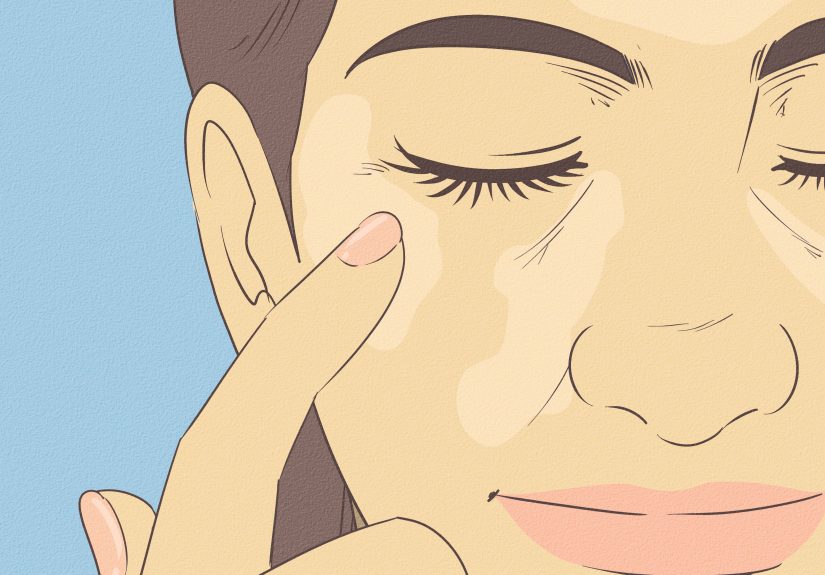
- Smooth on a few drops of ampoule.
- Press it in gently rather than rubbing aggressively.
- Seal with moisturizer.
- Use SPF in the morning.
This approach works especially well for hyaluronic acid ampoules, niacinamide ampoules, and many vitamin C ampoules. If the formula is hydrating, slightly damp skin can help it spread more comfortably. If the ampoule contains antioxidants like vitamin C, morning use often makes sense. If it contains retinol or exfoliating acids, evening is usually the safer lane.
In short: if your routine currently goes cleanser, moisturizer, sunscreen, an ampoule can slide neatly into the middle like it owns the place.
2. Use an Ampoule as a Short-Term Booster
This is where ampoules really shine. Instead of using one every single day forever, you can use an ampoule during moments when your skin needs extra support. Think winter dryness, post-travel dullness, stress breakouts, too much exfoliation, or that week when your face somehow looks both greasy and exhausted.
Booster-style use makes sense because many ampoules are designed as concentrated treatments rather than permanent routine staples. You might use one for a week, ten days, or a couple of weeks, depending on the product directions and your skin tolerance.
Best for:
- Seasonal dryness
- Skin that looks tired before a big event
- Barrier support after irritation
- Temporary concerns that do not require a yearlong commitment
How to do it:
Choose one goal. Maybe your skin feels tight and flaky, so you reach for a hydrating or barrier-support ampoule. Maybe your complexion looks uneven, so you try a brightening formula with vitamin C or niacinamide. Use it consistently for a short stretch, then scale back when your skin calms down.
This method is great because it prevents routine overload. Instead of layering five actives at once and hoping for enlightenment, you give your skin one concentrated nudge in the right direction.
Just remember that “booster” does not mean “pour the whole vial on your face like you’re watering a houseplant.” Use the amount directed on the package. More product does not automatically equal better results. Sometimes it just equals stickiness.
3. Use an Ampoule to Customize Another Step in Your Routine
The third smart way to use skin care ampoules is as a flexible support step. Depending on the product instructions, you can layer an ampoule under moisturizer, sandwich it between other hydrating steps, or use it before a sheet mask or before makeup prep when your skin needs extra bounce.
Some ampoules are even marketed to be used in place of serum, mixed with moisturizer, or layered between serum and cream. This makes them useful for people whose skin changes from day to day. On Monday your face may want calming hydration. By Thursday it wants brightness. Skin, like email, can be very needy.
Best for:
- Dry or combination skin
- Makeup prep on rough or dehydrated days
- People who like adaptable routines
Examples of this method:
- Under moisturizer: Apply ampoule first, then a cream to lock it in.
- With a sheet mask: Use a hydrating ampoule beforehand for an extra plump look.
- In place of your serum: Skip your usual serum and let the ampoule be the main treatment.
- As makeup prep: A soothing or hydrating ampoule can help flaky skin look smoother before foundation.
This method works best with gentle, hydrating, or calming ampoules. If your product contains strong exfoliants or retinoids, do not freestyle. Follow the label directions and avoid mixing it into every other step just because your skin is feeling ambitious.
How to Choose the Right Ampoule by Ingredient
Buying a skin care ampoule based on packaging alone is like picking a novel because the cover had a gold star. Charming, but risky. Start with your skin goal and look at the ingredient list.
Hyaluronic Acid
Best for dehydration, tightness, and temporary plumping. This is the ingredient people reach for when their skin feels like it has been personally offended by winter air or too much air conditioning.
Vitamin C
Best for dullness, uneven tone, and antioxidant support. A vitamin C ampoule can be a smart daytime option, especially under sunscreen.
Niacinamide
Best for calming, balancing, and improving the look of discoloration or post-breakout marks. Niacinamide is often easy to fit into both morning and evening routines.
Centella Asiatica or Barrier-Support Ingredients
Best for redness, sensitivity, and stressed skin. These are solid choices when your skin barrier feels cranky.
Peptides
Best for smoothness and supporting a firmer-looking complexion. Peptide formulas are often more flexible and easier to pair with other products.
Retinol or Exfoliating Acids
Best for texture, fine lines, or blemishes, but only if your skin tolerates them. Use these more carefully, preferably at night, and always pair your overall routine with daily sunscreen.
Common Mistakes to Avoid
- Using too many actives at once: An ampoule plus retinol plus acid plus scrub is not a flex. It is a fast track to irritation.
- Skipping patch testing: If you have sensitive skin, patch test before using a new ampoule all over your face.
- Ignoring ingredient timing: Vitamin C is often a daytime favorite. Retinol-based formulas usually belong at night.
- Forgetting moisturizer: Many ampoules work best when followed by a cream that seals in hydration.
- Skipping sunscreen: Especially important when your routine includes brightening or resurfacing ingredients.
- Treating single-use ampoules like long-term roommates: If a product is packaged as a single-use ampoule, use it as directed and do not keep leftovers hanging around forever.
Sample Routines Using Ampoules
Morning Routine for Dull, Dehydrated Skin
- Gentle cleanser
- Toner or essence
- Hydrating or vitamin C ampoule
- Moisturizer
- Broad-spectrum sunscreen
Evening Routine for Stressed, Dry Skin
- Gentle cleanser
- Calming ampoule with centella or niacinamide
- Moisturizer or barrier cream
Short-Term Recovery Routine After Overdoing Actives
- Gentle cleanser
- Hydrating or barrier ampoule
- Simple moisturizer
- Pause harsh exfoliants until skin settles down
Are Skin Care Ampoules Worth It?
They can be, especially if you like targeted treatments and your skin changes with the seasons, your schedule, or your stress level. A good ampoule can add precision to your routine without requiring a full cabinet makeover. But the value comes from smart use, not from the word “ampoule” itself.
If your skin is already happy with a simple cleanser, moisturizer, and sunscreen routine, you may not need one. But if you want a focused way to boost hydration, calm sensitivity, or brighten tired skin, ampoules can earn their keep.
Experiences People Often Have When Using Skin Care Ampoules
One reason skin care ampoules keep showing up in routines is that the experience of using them often feels immediate, even when the biggest benefits take longer. That does not always mean dramatic transformation by breakfast, but many people notice subtle changes in texture, hydration, or comfort fairly quickly depending on the formula.
A common first experience is surprise at how little product is needed. Someone who is used to slathering on moisturizer may instinctively reach for half a dropper, only to realize an ampoule spreads farther than expected. Because these formulas are often lightweight and concentrated, a few drops can cover the face and neck just fine. The result is often a moment of “Oh, so this tiny bottle is not playing around.”
People using hydrating ampoules often describe the first week as a texture upgrade. Their skin may not suddenly become “glass skin,” but it can start to feel softer, less tight, and more comfortable by the end of the day. Makeup may sit more smoothly over dry patches. That flaky area around the nose may stop acting like it has a personal vendetta. For combination skin, this can be especially noticeable because the face feels more balanced rather than oily in one area and papery in another.
Brightening ampoules tend to deliver a different type of experience. The first few uses may feel more about glow than true pigment change. Skin can look fresher, more awake, and slightly more even, especially in the morning. Over time, some people feel that dark marks from old breakouts look less obvious, but the early reward is often that “I slept well and drank water” look, even when neither statement is fully true.
Those with sensitive or stressed skin often report that calming ampoules become a comfort step. Instead of chasing radiance, they are chasing peace. The experience here is less glamorous but deeply appreciated: less stinging, less tightness, less visible irritation, and a routine that finally stops picking fights with the face. If your skin barrier has been through too much exfoliation, too much weather, or too much enthusiasm, a soothing ampoule can feel like an apology letter.
There are also less glamorous experiences, and they matter. Some people discover that an ampoule pills under sunscreen or makeup if they use too much. Others realize they chose an ingredient that sounded impressive but did not match their skin needs. A person with reactive skin may try a potent brightening ampoule and immediately decide their face would prefer a quieter lifestyle. This does not mean ampoules are bad. It means the formula, frequency, or pairing probably needs adjusting.
Another common experience is learning restraint. Skin care lovers often assume more layers mean better results, but ampoules teach the opposite. Many users eventually figure out that one focused ampoule used consistently is more helpful than stacking three trendy products and hoping for a miracle. In that sense, ampoules can make routines better not because they add complexity, but because they encourage intention.
And then there is the emotional side, which is real even if no one writes it on the packaging. A small, thoughtful step can make a routine feel more personal. Opening a single-use ampoule before a big event, after a long flight, or during a rough skin week can feel like a reset button. It is not just about the formula. It is about the ritual: cleanse, press in the product, slow down for one minute, and feel like you are at least attempting to have your life together.
That may be the most relatable ampoule experience of all. Not perfection. Not instant transformation. Just a smart little boost that helps your skin look a bit healthier, feel a bit happier, and behave a bit less like it is auditioning for chaos.
Conclusion
The best way to use skin care ampoules depends on what your skin needs right now. You can use an ampoule as your main treatment step, bring it in as a short-term booster, or use it strategically to customize hydration and support in the rest of your routine. The trick is not to overcomplicate things. Choose the right ingredient, apply it in the right order, and give it time to work.
When used thoughtfully, ampoules can be one of the most useful products in a routine. They are compact, targeted, and flexible. And unlike some skin care trends that arrive with fireworks and leave with regret, a good ampoule can quietly make your routine smarter. Which, in skin care, is often where the real glow begins.