Table of Contents >> Show >> Hide
- Why Nail Polish Sticks to Skin in the First Place
- Method 1: Use Nail Polish Remover and a Cotton Swab
- Method 2: Try Rubbing Alcohol or Hand Sanitizer
- Method 3: Start With Warm Soapy Water for Fresh Messes
- Method 4: Massage in Petroleum Jelly or Cuticle Oil, Then Wipe
- What Not to Do When Removing Nail Polish from Skin
- How to Prevent Nail Polish from Getting on Skin
- When to Be Cautious
- Which Method Is Best?
- Real-Life Experiences With Nail Polish on Skin
- Final Thoughts
- SEO Tags
Painting your nails at home is relaxing, creative, and occasionally a tiny crime scene. One minute you are going for “clean girl manicure,” and the next minute your fingers look like they lost a fight with a bottle of cherry-red polish. The good news is that getting nail polish off skin is usually much easier than getting it off your favorite white shirt. You just need the right method, a little patience, and the self-control not to attack your hands like you are sanding a deck.
In this guide, you will learn four practical ways to remove nail polish from skin, when to use each one, and how to avoid turning a small manicure mishap into dry, angry cuticles. We will also cover common mistakes, smart prevention tips, and real-life cleanup experiences that prove you are definitely not the only person who has ever painted three nails beautifully and the fourth one like it was done on a moving bus.
Why Nail Polish Sticks to Skin in the First Place
Nail polish is designed to cling, dry quickly, and resist everyday wear. That is great news for your nails and less exciting news for the skin around them. If you flood the cuticle line, use too much polish on the brush, or try to paint in a hurry, the polish can settle into the sides of the fingers and around the nail bed. Dark shades, glitter polish, and quick-dry formulas tend to make the mess more obvious.
Fresh smudges are usually easier to lift than fully dried polish. That is why timing matters. If you catch the spill early, a gentle method may be enough. If the polish has already dried and is clinging like it pays rent, you may need something stronger.
Method 1: Use Nail Polish Remover and a Cotton Swab
Best for: Dried polish, dark shades, and precise cleanup
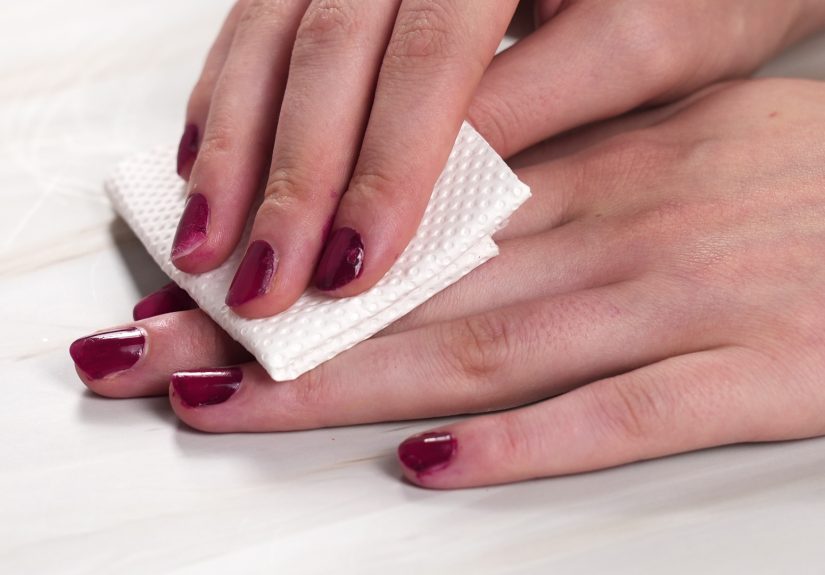
This is the classic fix for a reason. If you want the quickest and most reliable way to remove nail polish from skin, regular nail polish remover is usually your MVP. Both acetone and non-acetone remover can work. Acetone tends to work faster, while non-acetone formulas are often a little gentler but may take longer.
How to do it:
- Pour a small amount of remover onto a cotton swab or the tip of a cotton pad.
- Gently trace the polish line around the nail.
- Wipe away from the cuticle rather than rubbing in circles.
- Wash your hands with mild soap and lukewarm water once the polish is gone.
- Apply hand cream or cuticle oil right away.
The secret here is precision. You are not trying to soak your whole finger like it is starring in a chemistry experiment. You are targeting the skin with a light touch. A cotton swab gives you more control and helps keep the polish on your nail intact while cleaning up the edges.
Pros: Fast, effective, easy to find.
Cons: Can dry out skin, especially if you use acetone or keep rubbing the same spot.
Good to know: If your skin is already cracked, irritated, or freshly shaved, skip this method until the area calms down. Nail polish remover and broken skin are not a dream team.
Method 2: Try Rubbing Alcohol or Hand Sanitizer
Best for: Small smudges, stubborn edges, and when you are out of remover
If you have no nail polish remover at home, do not panic and start bargaining with the universe. Rubbing alcohol can help loosen polish, especially smaller spots around the fingers. Hand sanitizer can also work in a pinch because it is alcohol-based, though it is usually not as efficient.
How to do it:
- Put a small amount of rubbing alcohol on a cotton ball, cotton pad, or swab.
- Press it gently onto the stained skin for a few seconds.
- Rub lightly until the polish starts to lift.
- Rinse thoroughly and follow with moisturizer.
This is a smart option for tiny cleanup jobs, especially if you only have a little polish on the side of one finger. It can also help with gel residue on skin after an at-home nail session. Just keep the contact brief and the pressure gentle. Your goal is to lift the polish, not exfoliate your fingerprints into another dimension.
Pros: Helpful in a pinch, easy to use for spot cleaning, often already in the house.
Cons: Still drying, less effective than remover on thick or fully dried polish.
Extra tip: If you use hand sanitizer, let it sit on the polish for a few seconds before wiping. A little patience beats aggressive scrubbing every time.
Method 3: Start With Warm Soapy Water for Fresh Messes
Best for: Fresh smears, sensitive skin, and light polish transfer
Sometimes the gentlest method is enough. If you notice the polish on your skin while it is still fresh, warm water and soap may do more than you think. This approach is especially useful if you have sensitive skin, dry cuticles, or simply want to avoid harsher products when possible.
How to do it:
- Wash the area with warm, soapy water.
- Use a soft washcloth to gently rub the stained skin.
- Repeat once or twice if needed.
- Dry your hands and apply lotion afterward.
This method works best on polish that has not fully set. It is also great as a first step before you move on to remover or alcohol. Think of it as the “let’s not overreact” option. When the stain is light, this can save your skin from unnecessary dryness.
Pros: Gentle, simple, low irritation risk, perfect for quick cleanup.
Cons: Not strong enough for every formula, especially glitter or darker pigments.
Best use case: You finish painting your nails, notice polish on the skin, and deal with it before it fully dries. Congratulations, you have beaten the stain before it became emotionally attached.
Method 4: Massage in Petroleum Jelly or Cuticle Oil, Then Wipe
Best for: Light residue, dry skin, and post-cleanup softening
If your skin gets dry just looking at acetone, this method deserves a spot in your routine. Petroleum jelly, cuticle oil, or a rich hand cream can help soften light polish residue and make cleanup gentler. This is not always the fastest solution for heavy stains, but it can be useful for faint leftover color and for protecting the skin around nails before or after stronger cleanup.
How to do it:
- Rub a small amount of petroleum jelly or oil onto the stained skin.
- Massage gently in circular motions.
- Wipe with a tissue, cloth, or cotton pad.
- Wash with mild soap if needed.
This works best when the stain is minor or when you are following up after another method. It can also help loosen faint polish that remains in the dry skin around the nail. Bonus: your hands feel less like parchment afterward.
Pros: Gentle, moisturizing, useful for dry cuticles, doubles as prevention.
Cons: Slower, may not fully remove darker or thicker polish on its own.
Pro tip: Before painting your nails next time, apply a thin ring of petroleum jelly around each nail. If polish gets on your skin, cleanup becomes much easier. It is basically a tiny moat for your manicure.
What Not to Do When Removing Nail Polish from Skin
When you are trying to save a manicure, it is easy to go full chaos mode. Resist the urge. These mistakes can make a small problem worse:
- Do not scrub hard. Friction can irritate the skin faster than the polish disappears.
- Do not soak your whole hands in acetone. Target the stain instead of drying out all ten fingers.
- Do not use remover near the eyes, mouth, or other sensitive areas.
- Do not mix strong products. One method at a time is plenty.
- Do not skip moisturizer. Cleanup is easier when your skin barrier is happy.
How to Prevent Nail Polish from Getting on Skin
The easiest cleanup is the one you never need. Here are a few practical ways to keep polish where it belongs:
- Use less polish on the brush than you think you need.
- Paint in three strokes: center, left, right.
- Leave a tiny gap between the polish and your cuticle.
- Apply petroleum jelly around the nail before painting.
- Keep a cleanup brush or cotton swab nearby during the manicure.
- Let each coat settle before rushing into the next one.
If you tend to paint with your non-dominant hand and end up with abstract art on your knuckles, you are in very good company. Slowing down and using thinner coats can make a dramatic difference.
When to Be Cautious
Most nail polish on skin is a simple annoyance, not a crisis. Still, caution matters if your skin is already irritated. If the area starts burning, turning very red, peeling, or feeling cracked after cleanup, stop using products and wash with soap and water. If the rash lingers, especially around the nail folds, it may be time to check in with a healthcare professional. Sometimes it is not just the mess. It is the skin reacting to the product.
Which Method Is Best?
Here is the simple version:
- Fastest and most effective: Nail polish remover
- Best backup plan: Rubbing alcohol or hand sanitizer
- Gentlest first try: Warm soapy water
- Best for dry skin: Petroleum jelly or cuticle oil
If you are dealing with a fresh mistake, start gentle. If the stain has dried, go more targeted. If your skin is dry, always finish with moisturizer. That is the manicure cleanup trifecta.
Real-Life Experiences With Nail Polish on Skin
What actually happens when a manicure goes sideways
The most relatable part of at-home nail care is that almost nobody nails it perfectly every single time. One common experience is the “midnight manicure.” You paint your nails when you are tired, convinced it will be self-care. Twenty minutes later, your cuticles are red, one thumb has a blob of mauve polish on the side, and you are waving your hands around the room like you are directing air traffic. In that situation, a cotton swab with remover usually saves the day, but the bigger lesson is this: tired hands make messy art.
Another familiar scenario is the “dark polish disaster.” Pale pink is forgiving. Deep burgundy is not. A lot of people notice that bold shades seem to stain the skin faster and look much scarier than they really are. The upside is that dark polish often responds well to careful cleanup, especially if you do not panic and smear it around. Slow, precise swipes beat frantic wiping every time.
Then there is the “non-dominant hand struggle,” a classic in the home manicure universe. You do one hand and feel like a salon genius. You switch hands and suddenly your technique leaves the building. Polish hits the cuticle, the sidewall, maybe a mysterious part of the finger you did not know was involved. This is where a cleanup brush, patience, and a sense of humor become essential. Plenty of people find that doing the harder hand first actually helps because their patience budget is still full.
Dry skin can make the experience trickier, too. If the skin around your nails is flaky or cracked, polish clings to those little dry patches and makes the mess look worse than it is. In those cases, a gentle oil or petroleum jelly step can be surprisingly helpful. It softens the area, lifts some of the residue, and makes your fingers look less like they have been through a minor administrative crisis.
There is also the “I thought I could wait until morning” experience. Plenty of people leave a little polish on the skin, assuming it will somehow become less noticeable overnight. It does not. It just wakes up confident. If you catch polish early, cleanup is usually simpler, so dealing with it right away is worth the extra minute.
The most encouraging takeaway from real manicure mishaps is that technique improves fast. The more often you paint your nails, the more you learn how much polish to load on the brush, how close to get to the cuticle, and when to stop trying to “fix” a wet nail before it turns into a tiny enamel landslide. In other words, messy fingers are not proof that you are bad at doing your nails. They are proof that you are doing them at home like the rest of us.
Final Thoughts
If you get nail polish on your skin, the solution is usually simple: use the least aggressive method that gets the job done, clean up with a light hand, and moisturize afterward. Nail polish remover is still the quickest fix, but warm soapy water, rubbing alcohol, and petroleum jelly each have their place depending on the stain and your skin type.
So the next time your at-home manicure goes a little outside the lines, do not cancel your plans or announce that you are “just not a nail person.” You are probably one cotton swab away from a perfectly respectable finish.