Table of Contents >> Show >> Hide
- Why bathroom remodel regrets happen so often
- 1. Removing the only bathtub
- 2. Choosing trendy tile and permanent finishes that age badly
- 3. Installing style-first sinks and showers that are annoying to live with
- 4. Skimping on storage, outlets, and all the unsexy little conveniences
- 5. Ignoring comfort basics like ventilation, layered lighting, heated floors, and layout clearance
- How to renovate smarter and avoid bathroom remorse
- Designers’ real-life renovation experiences: where regret usually shows up
- Final thoughts
- SEO Tags
Bathroom remodels have a funny way of starting like a romance novel and ending like a plumbing invoice. At the beginning, everything feels dreamy: the inspiration photos, the spa-like mood boards, the seductive phrase frameless glass. Then real life barges in wearing wet socks and asking where the extra toilet paper is supposed to go.
That is exactly why bathroom regret is so common. Designers say homeowners rarely mess up because they have bad taste. They mess up because they make permanent decisions based on temporary excitement. A tile catches the eye. A tub gets cut to free up floor space. A sleek sink wins on looks but loses on daily cleanup. Six months later, the room still photographs beautifully, but living with it feels like being in a very expensive inconvenience.
If you are planning a remodel, the smartest move is not chasing what looks best for five seconds on social media. It is choosing what will still feel practical, comfortable, and attractive years from now. Below are the five bathroom upgrades designers say homeowners regret most, plus what to do instead if you want a bathroom that works as well as it looks.
Why bathroom remodel regrets happen so often
Bathrooms are tiny rooms with huge expectations. We want them to be relaxing, beautiful, bright, easy to clean, storage-friendly, resale-friendly, and somehow also built like a luxury hotel. That is a lot to ask from a room that may barely have enough space for two people to brush their teeth without elbow jousting.
The biggest mistake homeowners make is prioritizing style over function in areas that are expensive to redo. Permanent surfaces, plumbing locations, ventilation, and layout choices are not the place for impulsive decisions. Paint color can change. A cute tray can come and go. Replacing tile, moving a drain, or discovering your shower splashes half the bathroom every morning? Much less fun.
The good news is that most regrets follow predictable patterns. Designers hear the same complaints again and again, which means you can avoid them before your bathroom becomes a cautionary tale.
1. Removing the only bathtub
Why this upgrade backfires
Homeowners often remove the tub because they want a bigger shower, a more open layout, or a sleeker, more modern look. On paper, that sounds efficient. In real life, it can become one of the most regretted bathroom decisions in the house.
Designers point out that a bathroom with no tub can feel limiting fast. Families with small children notice it. Pet owners notice it. Guests notice it. And future buyers definitely notice it. Even if you personally never take a bath, the absence of any tub at all can make the home feel less flexible and less marketable.
There is also a comfort factor people underestimate. A tub is not just for bubble baths and pretending you live in a candle commercial. It is useful when someone is sick, sore, injured, or simply wants a different bathing option. Once the tub is gone, homeowners sometimes realize they traded long-term versatility for a short-term design win.
What to do instead
If your home has more than one bathroom, removing a tub in one of them may be perfectly reasonable. But if you are remodeling the only full bath, or the main family bath, think twice before sending the tub into retirement.
A smart compromise is choosing a more streamlined tub, such as a clean-lined alcove or thoughtfully placed freestanding model, while improving the shower elsewhere in the design. That way, you keep flexibility without making the room feel dated or bulky.
In other words: do not rip out the last bathtub unless you are truly sure your household, your lifestyle, and your future resale plans will never miss it. That is a bold assumption for a room with this much daily traffic.
2. Choosing trendy tile and permanent finishes that age badly
Why this upgrade backfires
Bathrooms are one of the easiest rooms to make look current and one of the hardest rooms to keep looking current. That is because so many design choices in a bathroom are fixed in place. Tile, slab surfaces, grout patterns, shower surrounds, and floor materials are not weekend swaps. If you pick something super trendy, you are committing to it with your wallet and your soul.
Designers say bold statement tile is one of the most common regrets. It can look incredible in a close-up photo, but living with a loud pattern every day is a different experience. Homeowners often discover that a once-exciting choice starts to feel bossy. The bathroom no longer feels relaxing. It feels like the tile is trying to have the last word.
Too much grout can become another headache. More grout lines often mean more maintenance, more discoloration, and more visual busyness. The same goes for overcommitting to cold gray palettes or combining too many trends at once. What was supposed to feel fresh can end up feeling flat, dated, or weirdly specific to one moment in internet design history.
What to do instead
Keep permanent materials calmer and more timeless. Think classic shapes, natural-looking finishes, and colors that still feel good when the trend cycle moves on. That does not mean your bathroom has to be boring. It means the expensive stuff should not scream for attention.
Bring personality in through elements that are easier to change later, such as sconces, mirrors, paint, hardware, artwork, or textiles. Let the bones of the room stay grounded, and let the styling have the fun. Your future self will appreciate not having to jackhammer out a mosaic impulse purchase just because 2026 had strong opinions.
3. Installing style-first sinks and showers that are annoying to live with
Why this upgrade backfires
Some bathroom features are the design equivalent of a glamorous but unreliable date. They show up looking incredible, charm everyone for a minute, and then immediately become high maintenance.
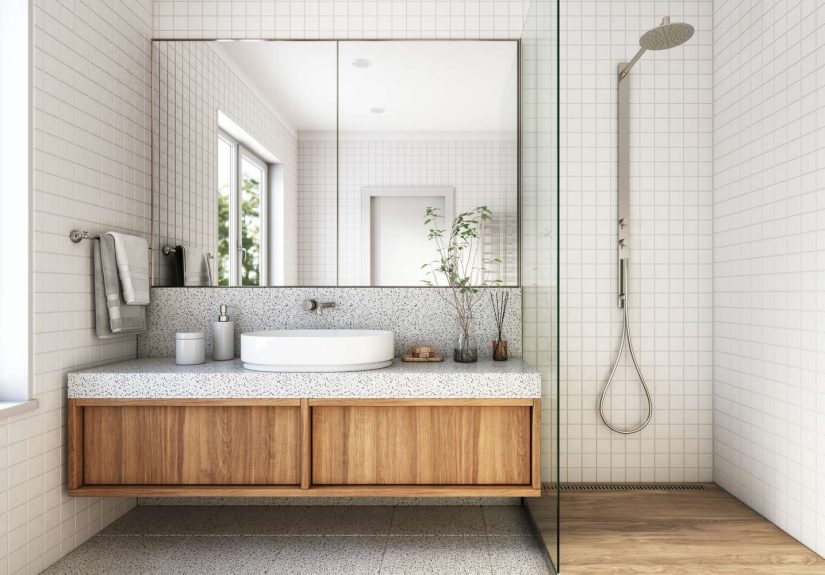
Vessel sinks are a classic example. Designers regularly call them out for stealing counter space, collecting grime around the base, and sitting at awkward heights if the vanity is not planned around them. They can look sculptural, yes. They can also make basic handwashing feel more dramatic than necessary.
Then there are partial-glass, half-door, and doorless showers. These setups photograph like luxury and perform like drafts. Homeowners often complain that they feel cold, splash water onto the floor, and create extra cleanup. Rain-only showerheads can also sound dreamy until someone realizes they do not enjoy getting their entire face and hair soaked every single time they rinse off.
Freestanding tubs can fall into this category too when they are chosen for aesthetics instead of actual use. If the tub is not deep enough, easy to access, or practical to clean around, it can become a very pretty object that mostly sits there looking expensive.
What to do instead
Choose fixtures that balance looks with everyday performance. An undermount sink with a solid surface top is easier to clean and more comfortable to use. A fully enclosed glass shower generally keeps warmth in and water where it belongs. A standard wall-mounted or adjustable showerhead paired with a handheld option is often more useful than a dramatic all-rain setup.
If you do love a style-forward feature, plan for the real-life details. Lower the vanity height if you insist on a vessel sink. Make sure a freestanding tub is the right size and that your hot water system can actually fill it. Add custom glass or drainage where needed. Beauty is great, but in a bathroom, function needs an equal vote.
4. Skimping on storage, outlets, and all the unsexy little conveniences
Why this upgrade backfires
Nothing makes a remodeled bathroom feel unfinished faster than having nowhere to put anything. Designers say storage regret shows up almost immediately after move-in. Homeowners realize too late that a vanity and one drawer are not enough for towels, skincare, medication, backup soap, hair tools, extra toilet paper, and the mysterious collection of products that multiplies under every sink in America.
Shower storage is a major pain point. Tiny niches look tidy in photos but are often too small for actual bottles. Then the shampoo, conditioner, body wash, razor, scrub, and face cleanser all end up balancing like circus performers on the ledge.
Bathroom outlets are another underplanned detail. A single outlet near the vanity may have worked years ago, but modern bathrooms now support toothbrush chargers, bidets, hair tools, electric razors, and nightlights. Without enough outlets in the right places, the room starts to feel cluttered and inconvenient fast.
What to do instead
Plan storage like a person who has actually met a towel. Add recessed medicine cabinets, deeper drawers, smart drawer dividers, built-in niches, shelving, and hidden storage where possible. Think beyond “where will the pretty hand soap go?” and into “where will the ugly refill pack live?”
Also plan outlets intentionally. Put them where people really use them, including near the vanity, inside select drawers or cabinets, and near the toilet if you may ever want a bidet seat. These are not flashy upgrades, but they are the ones that make a bathroom feel truly finished. Quiet competence is sexy too.
5. Ignoring comfort basics like ventilation, layered lighting, heated floors, and layout clearance
Why this upgrade backfires
This is the category homeowners overlook because it is less fun than choosing tile. No one gathers friends around a sample board and says, “Look at this thrilling exhaust fan strategy.” But designers and contractors consistently say these basics are where good bathrooms are won or lost.
Poor ventilation can shorten the life of your beautiful remodel. Lingering moisture can lead to peeling paint, tired grout, mildew, and bigger damage over time. Bad lighting is another common regret. One overhead light or a harsh vanity bar may technically illuminate the room, but it can also cast awkward shadows and make daily tasks harder.
Layout matters just as much. If fixtures are crammed together, doors collide, or the shower feels too tight, the bathroom becomes annoying every single day. Designers routinely recommend planning for comfortable clearance around fixtures, allowing room for movement, and making sure doors and drawers can fully open without starting a family argument.
Then there is heated flooring, the upgrade many homeowners skip because it seems optional. Later, especially in colder climates, it suddenly becomes the thing they wish they had approved. It is the bathroom equivalent of underestimating how much you would enjoy warm cookies until someone else has them and you do not.
What to do instead
Start with the invisible essentials: proper ventilation, good moisture control, safe flooring, and smart clearances. Then build layered lighting with ambient light, task lighting at the mirror, and maybe a decorative element to soften the room. If the budget allows, consider radiant heat floors in a primary bath or cold-climate home. That is the kind of luxury people tend to appreciate every day, not just when guests are over.
A successful bathroom is not the one with the most dramatic reveal. It is the one that still feels comfortable during a rushed Monday morning and a sleepy winter night.
How to renovate smarter and avoid bathroom remorse
If there is one theme designers repeat, it is this: make the permanent parts practical and the flexible parts pretty. Put your money into the layout, ventilation, lighting, storage, and durable surfaces first. Those decisions influence comfort, maintenance, and resale far more than trend-chasing ever will.
Before finalizing your plan, ask yourself a few brutally honest questions. Will this be easy to clean? Will it still look good when the trend cools off? Can multiple people use this room comfortably? Is there enough space around every fixture? Do we have enough storage for the way we actually live? If the answer to any of those is “sort of,” you are probably not done planning.
Also, do not make bathroom decisions based only on showroom displays or inspiration photos. Real bathrooms deal with steam, splashing, clutter, sleepy humans, wet floors, and rushed routines. Your remodel should be designed for that reality, not just for the camera angle.
Designers’ real-life renovation experiences: where regret usually shows up
Talk to enough designers and contractors, and a pattern emerges. The regret rarely arrives on day one. At first, homeowners are thrilled. The grout is clean, the faucet shines, and everyone stands in the doorway admiring the room like it just got accepted into a very exclusive design school. Then normal life begins.
The first kind of regret tends to be practical. Someone reaches for shampoo and realizes the niche only fits travel-size bottles unless they are arranged like a game of Tetris. Someone turns on the shower and discovers the half-glass panel does not block enough water, so the bath mat is now basically a sponge with ambitions. Someone bends under a too-low showerhead and starts wondering why the remodel cost so much if it still requires yoga.
The second wave of regret is maintenance-related. Homeowners who chose dramatic tile or lots of grout start noticing that “bold” can quickly become “busy,” especially when soap scum and daily mess enter the chat. Vessel sinks that once looked artistic become tiny monuments to splash marks. Freestanding tubs start gathering dust around the base in that impossible-to-reach zone that seems designed specifically to mock mops.
Then the storage regret kicks in, and this one arrives fast. A bathroom can look beautifully minimal when it is professionally styled with one folded towel, one candle, and a single branch in a vase. It looks less serene when real people move in with cotton swabs, skincare, backup toothpaste, a hair dryer, three hairbrushes, and enough random pharmacy items to start a tiny wellness boutique. Without adequate drawers, cabinets, niches, and countertop landing spots, the room loses its polished feel almost overnight.
Finally, there is the emotional kind of regret: homeowners realize they remodeled for an imaginary version of themselves instead of the one who actually lives there. They pictured spa rituals, but what they needed was better lighting for 6:45 a.m. They imagined a giant walk-in shower, but what they really wanted was warmth, privacy, and a place to shave without shivering. They thought heated floors were indulgent, until the first cold morning proved otherwise.
That is the real lesson from designer experience. The best bathroom upgrades are not always the flashiest ones. They are the ones that quietly improve daily life: better storage, better light, better airflow, better comfort, better proportions. A bathroom should not just impress you during the reveal. It should keep making sense long after the novelty wears off.
Final thoughts
The most regretted bathroom upgrades usually have one thing in common: they looked better in theory than they worked in practice. Removing the last tub, choosing high-drama permanent finishes, installing fussy sinks or showers, skipping storage, and overlooking comfort basics can all turn a fresh remodel into a daily irritation.
If you want a bathroom that ages gracefully, think like a designer and live like a realist. Prioritize function, invest in timeless materials, and add personality in ways you can change later. Your bathroom does not need to be boring. It just needs to be smart enough to survive steam, toothpaste, and real human behavior.
That may not be the sexiest design philosophy in the world, but it is a lot cheaper than remodeling the remodel.