Table of Contents >> Show >> Hide
- Why beets punch above their weight
- 1) Beets may help support healthy blood pressure
- 2) Beets can support exercise performance and stamina
- 3) Beets bring antioxidants that may help calm inflammation
- 4) Beets support digestion and steadier energy
- 5) Beets provide micronutrients that matter (especially folate and potassium)
- Easy ways to eat more beets (without suffering)
- Who should be careful with beets?
- Conclusion
- Real-World Beet Experiences
Beets are proof that nature has a sense of humor. They taste a little earthy (translation: “did I just lick a garden?”),
they stain everything they touch like a tiny vegetable crime scene, and they can make your pee turn pinkjust to keep life interesting.
But underneath that jewel-toned chaos is a legitimately impressive nutrition profile that’s earned beets a spot on the “quietly powerful foods” list.
In this article, we’ll break down five real, research-backed ways beets can support your health, why they work, who should be cautious,
and easy ways to eat more of them without feeling like you’re chewing on a houseplant.
Why beets punch above their weight
The main reason beets get so much attention is that they contain naturally occurring dietary nitrates. Your body can convert those nitrates into
nitric oxide, a molecule that helps relax and widen blood vessels. That’s a big deal for circulation, blood pressure, exercise performance,
and even brain blood flow.
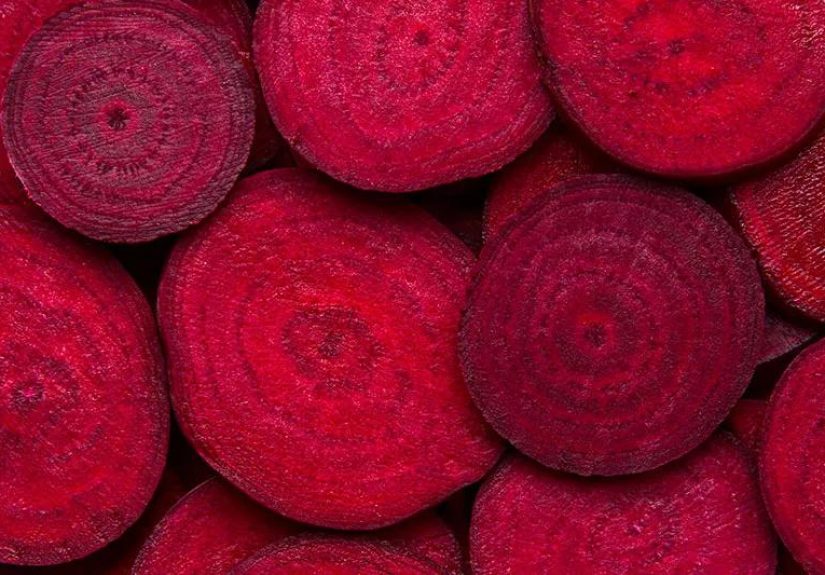
Beets also bring fiber, folate, potassium, vitamin C, and plant compounds like betalains (the pigments responsible for that dramatic red-purple color).
Translation: they’re not a “one-trick pony” vegetable. They’re more like a tiny marching band with a tuba section.
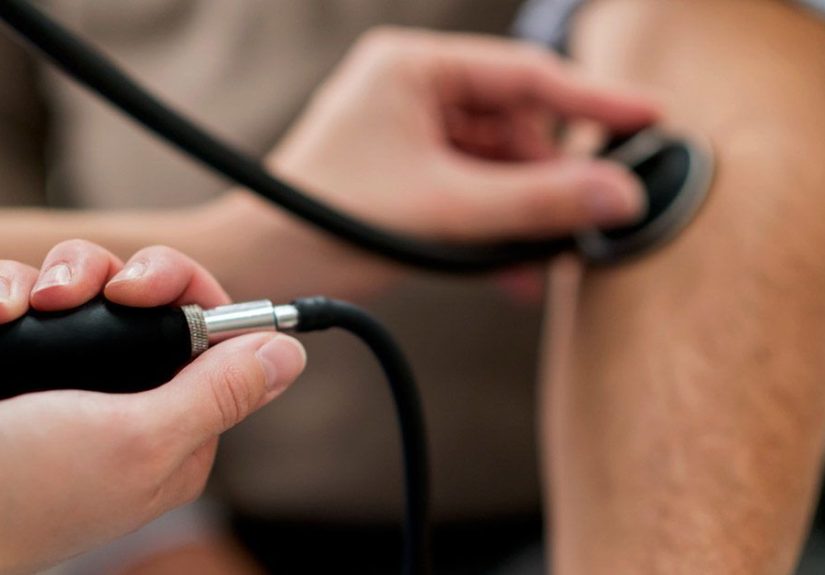
1) Beets may help support healthy blood pressure
If beets had a résumé, “supports blood flow” would be in bold at the top. Their dietary nitrates can be converted into nitric oxide,
which helps blood vessels relax. When vessels are more open, blood can move with less resistanceone reason beets are often discussed
in the context of heart health.
What this looks like in real life
For many people, the effectwhen it happenstends to be modest, not magical. Think: “helpful nudge,” not “instant superhero cape.”
That said, research on nitrate-rich foods (including beetroot and beet juice) has repeatedly explored their potential to lower blood pressure,
especially systolic blood pressure (the top number).
Practical example: If you’re trying to build a heart-healthy eating pattern, adding beets a few times a week can be one more tool in the toolbox
alongside things that matter even more, like limiting excess sodium, eating more fruits and vegetables overall, staying active, sleeping well,
and following your clinician’s plan if you’ve been diagnosed with high blood pressure.
Important note (because safety is cool)
Beets are not a replacement for blood pressure medication. If you take blood pressure meds, talk with a healthcare professional before going hard
on beet juice or high-dose beet supplements, since the combination could potentially push blood pressure too low for some people.
2) Beets can support exercise performance and stamina
Beets aren’t only “heart health food.” They’re also a favorite of endurance athletes and weekend warriors, largely for the same reason:
nitric oxide can support circulation and oxygen delivery during exercise.
The research is strongest for endurance-style effortsthink running, cycling, rowing, hiking, long gym sessionswhere efficiency matters.
Some people report they feel like they can hold a pace a little longer or recover a little faster. It’s not guaranteed, and it’s not equally strong
across all athletes or all sports, but it’s one of the more plausible “food-meets-performance” stories out there.
Whole beets vs. juice vs. powder
You can get these benefits from whole beets, but beet juice and beetroot powder are popular because they’re concentrated and easier to take
around workouts. If you go the “pre-workout beet” route, many people time it 60–90 minutes before training. (Also: try it in practice first,
not the day of your big event. Your stomach deserves a heads-up.)
Real-world example: A recreational runner training for a 10K might add beetroot powder to a smoothie a few days per week, while still prioritizing
consistent training, hydration, and adequate carbs and protein. Beets can be an “edge,” but the basics are still the main event.
3) Beets bring antioxidants that may help calm inflammation
That intense beet color isn’t just for Instagram. Beets contain betalainsplant pigments associated with antioxidant and anti-inflammatory activity.
In the body, antioxidants help neutralize oxidative stress (an imbalance that can contribute to inflammation and cellular wear-and-tear over time).
This doesn’t mean beets “erase inflammation” overnight. But regularly eating a variety of colorful plantsbeets includedsupports a dietary pattern
that’s linked with better long-term health outcomes.
A quick “don’t overhype it” reality check
Antioxidants are helpful, but they don’t work like a superhero movie where one food defeats the villain. They’re more like routine maintenance:
consistent, boring, and extremely effective when you actually keep doing it.
4) Beets support digestion and steadier energy
Beets contain dietary fiber, which supports healthy digestion and helps keep you feeling full. Fiber also helps regulate how quickly sugars are absorbed,
which can support more stable energyespecially when beets are eaten as part of a balanced meal with protein and healthy fat.
Practical example: Pair roasted beets with a protein (like chicken, lentils, tofu, or salmon) and a fat source (like olive oil, avocado, or nuts).
You’ll get a meal that’s more satisfying than “beets alone,” whichno offense to beetscan feel like lunch is playing a prank on you.
Pickled beets count, but read the label
Pickled beets are convenient and tasty, but some varieties are high in added sugar and sodium. If you’re eating them often, check the nutrition label,
or make your own quick-pickle version so you can control what goes in.
5) Beets provide micronutrients that matter (especially folate and potassium)
Beyond nitrates and pigments, beets are simply nutrient-dense. Two standouts are folate (vitamin B9) and potassium.
Folate supports cell growth and DNA formationimportant at every ageand potassium helps support normal muscle and nerve function
and plays a role in blood pressure regulation.
Beets also contain vitamin C and other plant compounds, and they fit nicely into a heart-smart eating patternespecially when prepared in ways
that don’t add a ton of extra sodium or sugar.
Quick nutrition snapshot (approximate)
- Calories: about 60 per cup of raw beets
- Carbs: about 13 grams per cup
- Fiber: roughly 3–4 grams per cup
- Potassium: roughly 400+ mg per cup
- Folate: a meaningful amount, especially for a vegetable side
Easy ways to eat more beets (without suffering)
Cooking ideas that actually taste good
- Roast them: Cube, toss with olive oil, roast until caramelized. Earthy turns sweet real fast.
- Blend them: Add to smoothies with berries, banana, yogurt, and a squeeze of lemon.
- Grate them raw: Mix into slaw with apples, carrots, and a citrusy dressing.
- Stir into hummus: Beet hummus is a crowd-pleaser and looks like it belongs in an art museum.
- Try them in salads: Goat cheese + walnuts + beets + arugula is a classic for a reason.
- Use canned beets: Convenient, budget-friendly, and still nutritiousjust rinse if they’re salted.
A simple serving can be around a quarter to a half cup as a side, then adjust based on your needs and preferences.
If you’re new to beets, start smaller and see how your digestion responds.
Who should be careful with beets?
Beets are generally safe as a food, but there are a few situations where extra caution is smart:
- Kidney stones (especially calcium oxalate stones): Beets are higher in oxalates, which can matter for people prone to certain stones.
If that’s you, ask your clinician or dietitian what amount fits your plan. - Low blood pressure or blood pressure medication: Concentrated beet products (like juice or supplements) may amplify blood-pressure-lowering effects.
- Beeturia (pink/red urine) or red stool: Usually harmlessjust alarming if you weren’t expecting it. (Welcome to the Beet Club.)
- Sensitive stomach: Some people experience bloating or GI discomfort, especially with beet juice. Start small.
Conclusion
Beets are one of those foods that feel a little “extra” (mostly because they dye your cutting board like a tie-dye project),
but their benefits are genuinely worth considering. Thanks to dietary nitrates, betalain antioxidants, fiber, and key micronutrients,
beets may support healthier blood pressure, exercise performance, inflammation balance, digestion, and overall nutrient intake.
The best way to use beets isn’t as a miracle cureit’s as a consistent, tasty part of an overall healthy pattern.
Roast them, blend them, pickle them, toss them into salads, and let them quietly do their thing.
Real-World Beet Experiences
People’s “beet experiences” tend to fall into a few hilarious and surprisingly consistent categories.
First: the color shock. Many folks try beets (or beet juice) for the first time and later have a moment of panic in the bathroom.
The good news is that pink or reddish urine and stool can happen after eating beets, and it’s often harmless. The even better news?
Once you know, you knowand you’ll never be caught off guard again. (You will, however, become the person who warns others at brunch.
This is your new destiny.)
Second: the “I’m not sure if it’s working, but I feel kind of… ready?” effect before workouts. Some runners and cyclists add beet juice
or beet powder during training blocks, especially before longer sessions. The most common story isn’t “I turned into a rocket ship.”
It’s more like: “I felt a little smoother,” “my legs didn’t feel as heavy,” or “the last part of my workout felt less dramatic.”
It’s subtlelike swapping a slightly sticky bike chain for a clean one. You can still ride either way, but one feels nicer.
Third: the taste negotiation. Beets can taste sweet and rich when roasted, but “earthy” when raw. That’s why so many people learn to pair them
with bright flavors. Lemon juice, vinegar, citrus, fresh herbs, and salty/fatty companions (hello, feta or goat cheese) make beets taste less like
“garden vibes” and more like “restaurant salad I can’t stop eating.” A common trick is to roast beets and then toss them with a quick dressing:
olive oil + balsamic + orange zest. Suddenly, beets stop being a chore and start being a craving.
Fourth: the “my kitchen looks like a crime scene” learning curve. Beets stain hands, towels, cutting boards, and sometimes the soul.
People who cook them often end up with a routine: use gloves, line the cutting board with parchment, or wash everything immediately.
The funny part is that many beet fans swear the mess becomes “worth it” once you find your go-to recipe. Beet hummus, beet-and-berry smoothies,
and roasted beet salads are frequent gateway dishes because they’re easy and the flavor payoff is high.
Finally: the consistency effect. When people eat beets regularly (not just once a year as a culinary dare), the benefits feel more believable.
They’re not always measurable day-to-day, but they stack into something meaningful: more vegetables overall, more fiber, more color, and more variety.
And that’s the sneaky secretbeets often improve health simply because they help you eat like a person who cares about their body.
Even if you’re mostly here because magenta food is fun.