Table of Contents >> Show >> Hide
Note: This article uses “avoid” in a practical sense. MSG is generally considered safe for most people, but many readers want to limit foods that are high in added MSG, high in sodium, or heavily processed. That is the lane we’re driving in today, preferably without taking a hard left into a cup of instant noodles.
If you have ever stared at a food label wondering whether monosodium glutamate is secretly plotting against your afternoon, you are not alone. MSG has had a wildly dramatic public reputation for decades. In reality, the ingredient itself is not the cartoon villain it is often made out to be. But here is the catch: foods that are high in MSG are often the same foods that are high in sodium, deeply processed, and easy to overeat. So even if MSG is not the main problem, the overall food package sometimes is.
That is why this guide to high MSG foods to avoid is less about fear and more about smart filtering. We are not here to accuse tomatoes, mushrooms, or Parmesan cheese of crimes against dinner. Those foods naturally contain glutamate and can absolutely live their best lives on your plate. We are talking about the ultra-convenient, flavor-blasted, “how is this so savory at 2 a.m.?” foods that often rely on added MSG or related flavor enhancers.
Below, we will break down the five biggest categories of high MSG foods to limit, how to spot them on labels, and what to eat instead when you want the savory punch without the nutrition hangover.
What Is MSG, Really?
MSG stands for monosodium glutamate, a flavor enhancer used to boost umami, the savory taste people love in broths, meats, sauces, and snack foods. Glutamate also occurs naturally in many foods, which is why cheese, tomatoes, mushrooms, and anchovies can taste so deeply satisfying. In other words, glutamate itself is not some bizarre lab goblin. It is part of normal food chemistry.
The more useful question is not, “Is every molecule of MSG evil?” It is, “What kinds of foods tend to contain a lot of added MSG, and are those foods worth eating often?” Usually, the answer depends on your personal sensitivity, your sodium goals, and how much processed food is showing up in your weekly routine.
For some people, foods with added MSG seem to trigger mild, short-lived symptoms such as headache, flushing, tingling, nausea, or a racing heartbeat. For others, there is no obvious problem at all. But even if MSG does not bother you directly, many high-MSG foods are also loaded with sodium, refined starches, preservatives, and cheap fats. So cutting back can still be a smart move.
Why High MSG Foods Are Worth Limiting
There are two main reasons to watch high MSG foods.
First, some people appear to be sensitive to them, especially in larger amounts or when the MSG is consumed in a low-quality processed meal. Second, these foods are often part of the broader “packaged and prepared food” category that contributes a large share of sodium in the American diet. High sodium intake is linked with high blood pressure, and that is where the conversation gets much more serious than a random internet comment blaming Chinese takeout for everything that has ever gone wrong.
So the practical strategy is simple: do not panic about every trace of glutamate. Instead, limit the foods where added MSG is bundled with lots of sodium and low nutritional value.
5 High MSG Foods to Avoid
1. Instant Noodles, Cup Soups, and Ramen Seasoning Packets
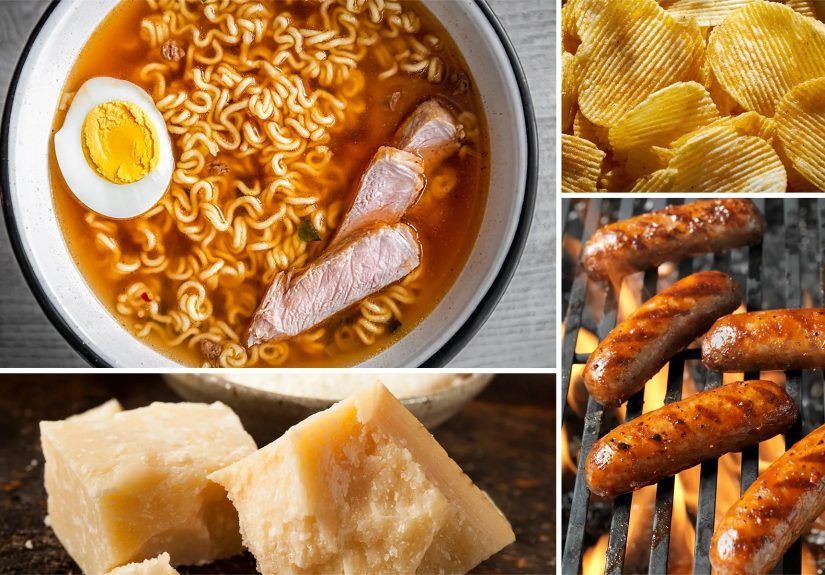
If there were a Hall of Fame for foods high in MSG, instant noodles would at least get an honorable mention and probably a commemorative plaque. The noodles themselves are not always the main issue. The real action happens in the seasoning packet, where MSG, sodium, yeast extract, hydrolyzed proteins, and other flavor boosters can team up like a very salty superhero squad.
These products are designed to deliver maximum savory impact with minimum effort. That is exactly why they are so popular and exactly why they are easy to overdo. One packet can turn a plain bowl of noodles into a sodium-heavy meal that tastes much richer than its ingredient quality would suggest.
If you are trying to avoid high MSG foods, instant ramen is a prime place to start. It is cheap, convenient, shelf-stable, and often nutritionally unimpressive. That combo is powerful, but not always in a good way.
Smarter swap: Use plain noodles or rice noodles and build your own broth with low-sodium stock, garlic, ginger, mushrooms, scallions, and a small splash of reduced-sodium soy sauce. You still get the cozy vibe, but the soup no longer tastes like it was seasoned by a megaphone.
2. Flavored Chips, Crackers, and Savory Snack Mixes
Snack foods are some of the sneakiest high MSG foods to avoid because they do not look like a “meal problem.” They look like a “just one handful” problem. Then suddenly your hand has developed free will and the bag is making eye contact from the bottom.
Cheese-flavored chips, barbecue chips, ranch crackers, spicy corn snacks, and party mixes often rely on added MSG or glutamate-containing ingredients to push that craveable, savory flavor higher and higher. The result is a snack that tastes louder than it has any right to.
These foods can be especially tricky because the front of the package may emphasize flavor, not processing. But flip the bag over and you may see ingredients like monosodium glutamate, yeast extract, hydrolyzed vegetable protein, autolyzed yeast, disodium inosinate, or disodium guanylate. Translation: somebody really wanted this snack to slap.
Smarter swap: Choose plain popcorn, lightly salted nuts, roasted chickpeas, or simple crackers with hummus. If you want stronger flavor, season snacks at home with smoked paprika, nutritional yeast, black pepper, chili powder, or grated Parmesan.
3. Processed Meats Like Hot Dogs, Bacon, Sausage, and Deli Slices
Processed meat is one of the most common categories where MSG in food overlaps with bigger nutrition concerns. Deli turkey, ham, hot dogs, sausage, pepperoni, and similar products are often high in sodium even before flavor enhancers enter the chat. In some products, added MSG or glutamate-rich ingredients are used to deepen the savory profile and make lower-quality cuts taste more robust.
This matters because processed meats are easy to eat frequently. A breakfast sandwich here, a deli wrap there, pizza night on Friday, and suddenly your weekly sodium intake is doing gymnastics. If you are sensitive to MSG, these meats can be irritating. If you are not sensitive, they can still be a major source of sodium and additives.
And let us be honest: many deli meats have a way of pretending to be health food because they are “protein.” Protein is nice. A mile-long ingredient list is less romantic.
Smarter swap: Use freshly cooked chicken, turkey, tuna, eggs, beans, or low-sodium roasted meat you slice yourself. For sandwiches, add mustard, cucumber, tomato, herbs, and avocado for flavor instead of relying on aggressively seasoned lunch meat to do all the work.
4. Frozen Meals, Canned Soups, and Boxed Convenience Dinners
If a meal can be microwaved, stirred, and eaten in under six minutes while you answer three emails and argue with your dog about personal space, it may also be one of the foods with MSG worth limiting. Frozen dinners, canned soups, noodle mixes, boxed rice sides, and helper-style dinners often use MSG or related flavor ingredients to create depth fast.
This category is especially important because it is not just about added MSG. It is about the overall convenience-food formula: high sodium, refined carbs, processed fats, and flavor enhancers working together to make a mediocre ingredient lineup taste surprisingly satisfying.
Canned soups deserve a special mention because they are often marketed as wholesome. Soup sounds innocent. Soup sounds like something your grandmother would approve of. But many shelf-stable soups and broths are loaded with sodium, and some use MSG or glutamate-containing ingredients to boost flavor.
Smarter swap: Choose low-sodium soups, frozen meals with short ingredient lists, or batch-cook your own soup and freeze portions. A pot of chicken-and-vegetable soup or lentil soup will not give you flashy packaging, but it also will not ambush your sodium budget.
5. Condiments, Sauces, and Restaurant Flavor Bombs
This category is where a lot of people get surprised. They think they are avoiding high MSG foods because they are not eating chips or ramen, but then they drown a meal in soy sauce, teriyaki sauce, barbecue sauce, seasoned dressing, gravy mix, or a fast-food dipping sauce that tastes like it graduated from Flavor University with honors.
Condiments and restaurant sauces can contain MSG directly or use ingredients such as yeast extract and hydrolyzed proteins that contribute similar savory intensity. Restaurant foods are also tricky because you do not always get a full ingredient panel, which makes it harder to know how much added MSG or sodium is involved.
Even when a dish is not obviously “junk food,” the sauce can carry the load. Stir-fry sauce, takeout seasoning blends, fried chicken coatings, burger sauces, salad dressings, and bouillon-based gravies can all push your intake higher without much warning.
Smarter swap: Use homemade vinaigrettes, plain Greek yogurt sauces, salsa, lemon juice, tahini, fresh herbs, or reduced-sodium condiments in smaller amounts. When eating out, ask whether a dish can be prepared with less sauce or without seasoning packets.
How to Spot MSG on a Food Label
If added MSG is used directly, it should appear on the ingredient list as monosodium glutamate. Easy enough. The harder part is that some ingredients naturally contain free glutamate and can still contribute to that savory, boosted flavor profile.
Here are common label clues that should make you pause:
Monosodium glutamate
Yeast extract
Autolyzed yeast
Hydrolyzed yeast
Hydrolyzed vegetable protein
Soy protein isolate
Protein isolate
Disodium inosinate
Disodium guanylate
That does not mean every product with one of these ingredients must be banished from your kitchen forever. It means you should read the whole label. If the food is also high in sodium, low in fiber, and mostly built from processed ingredients, it is probably not earning its place in your regular rotation.
What to Eat Instead
Cutting back on high MSG foods does not mean resigning yourself to bland meals that taste like steamed disappointment. It means getting smarter about where flavor comes from.
Great low-MSG flavor builders include mushrooms, tomatoes, garlic, onion, herbs, citrus, vinegar, Parmesan, roasted vegetables, unsalted nuts, ginger, sesame oil, and homemade broths. Notice the theme: real ingredients, layered well. You can build deep flavor without leaning so hard on packaged flavor enhancers.
A simple rule of thumb helps: the more a food depends on a powder packet, the more closely you should read the label.
Who Should Be Most Careful?
You may want to be more cautious with MSG-heavy foods if you notice symptoms after eating them, if you are trying to reduce sodium, or if you rely heavily on processed convenience foods. People with high blood pressure, people prone to headaches or migraines, and anyone trying to improve their overall diet quality may benefit from cutting back on the high-MSG, high-sodium categories listed above.
That said, there is no reason for most healthy adults to fear every food that contains glutamate. The goal is not perfection. The goal is awareness.
Everyday Experiences With High MSG Foods: What People Often Notice
In real life, the experience of trying to avoid foods with MSG is usually less dramatic than online headlines and more annoying than expected. Many people do not set out to avoid MSG because they read a scientific paper on a Tuesday night. They start because they notice a pattern. Maybe it is the pounding headache after instant noodles and chips. Maybe it is feeling bloated and thirsty after takeout. Maybe it is the odd realization that the foods they crave most during a chaotic workweek all come from a freezer box, a drive-thru bag, or a seasoning packet that could probably survive a small apocalypse.
One of the most common experiences is label fatigue. At first, people think the solution is simple: just avoid packages that say “MSG.” Then they start reading ingredient lists and discover that flavor can show up wearing a fake mustache. Suddenly they are meeting yeast extract, hydrolyzed vegetable protein, protein isolate, and autolyzed yeast. Grocery shopping turns into a scavenger hunt where the prize is a soup that does not contain six different ways to say “savory powder.”
Another common experience is noticing that restaurant meals are harder to decode than grocery items. A frozen dinner at least comes with a label. Restaurant food comes with mystery, confidence, and an impressive amount of sauce. People who suspect they are sensitive to MSG often say the biggest challenge is not cooking at home. It is social eating: office lunches, road trips, takeout nights, family parties, and those “let’s just order something quick” evenings that somehow end with a salty meal and a gallon of water before bed.
Some people also find that once they cut back on ultra-processed savory foods, their taste buds recalibrate. A heavily seasoned chip or instant noodle bowl can start to taste overly intense rather than irresistible. This is a surprisingly encouraging part of the experience. What used to taste normal begins to taste excessive, and simpler foods start to feel more satisfying. A homemade sandwich with roast chicken, crunchy lettuce, tomato, and a little mustard suddenly tastes like actual lunch instead of a backup plan.
There is also the emotional side. Convenience foods are convenient for a reason. They are fast, cheap, familiar, and comforting. Avoiding them is not always about discipline. Sometimes it is about time, money, stress, or energy. Many people end up doing better not by banning every suspect ingredient, but by creating easier upgrades. They keep low-sodium broth in the pantry, pre-cooked rice in the fridge, chopped vegetables ready to go, or a few reliable sauces they can make at home. The experience becomes less about restriction and more about reducing friction.
In the end, the most realistic experience is this: people usually feel better when they do not build their diet around flavor-enhanced convenience foods. Whether the improvement comes from less MSG, less sodium, fewer processed foods, or a combination of all three, the result is often the same. Fewer mystery ingredients. Better label awareness. More control over what is actually in dinner. And that is a pretty satisfying plot twist for something that started with a suspicious ramen packet.
Conclusion
When it comes to 5 high MSG foods to avoid, the smartest approach is not paranoia. It is pattern recognition. Instant noodles, savory snack foods, processed meats, convenience meals, and sauce-heavy condiments are worth limiting because they often combine added MSG with a much bigger issue: lots of sodium and lots of processing.
So no, you do not need to panic over a tomato or interrogate a mushroom. But it is absolutely worth paying attention to foods that use flavor enhancers to make heavily processed ingredients taste more appealing than they really are. Read labels, cook more often when you can, and save the loudest savory foods for occasional cameos instead of daily starring roles.