Table of Contents >> Show >> Hide
- Way 1: Add Music From a Streaming Catalog (The “Plus Button” Lifestyle)
- Way 2: Buy and Download Digital Music You Actually Own (Yes, Ownership Still Exists)
- Way 3: Rip CDs Into Your Library (Because Physical Media Is the Original “Offline Mode”)
- Way 4: Upload Your Personal Music Collection to a Cloud Library (Stream Your Own Stuff Anywhere)
- Way 5: Import Local Files (and Keep Them Organized Like You’re Running a Tiny Record Label)
- Quick Troubleshooting: When Your “Added” Music Doesn’t Show Up
- Conclusion: Build a Library You’ll Actually Use
- Extra: of Real-World “Experiences” (a.k.a. How People Actually End Up Using These 5 Methods)
- SEO Tags
A “music library” used to be a shelf. Then it became a hard drive. Now it’s a mix of streaming favorites, downloaded files, ripped CDs, and that one mysterious MP3 called Track_07_FINAL_FINAL_v3.mp3 that somehow follows you from laptop to laptop like a loyal (and slightly cursed) pet.
The good news: building a clean, searchable, actually-useful music library is easier than ever. The tricky part is that “Add to Library” can mean different things depending on the appsometimes you’re saving a song for quick access, sometimes you’re downloading it for offline play, and sometimes you’re importing files you truly own (and can back up like a responsible adult).
Below are five practical, real-world ways to add music to your music librarywhether your library lives in Apple Music, Spotify, YouTube Music, Windows Media Player, or a carefully curated folder system that would make an archivist weep tears of joy.
Way 1: Add Music From a Streaming Catalog (The “Plus Button” Lifestyle)
If you use a streaming service, the fastest way to grow your music library is also the most dangerously fun: you tap a plus sign, a heart, or a “Save” button… and suddenly you’ve adopted 300 songs you heard once at the gym.
How it works (in plain English)
- “Add to Library” usually means: “Put this in my collection so I can find it quickly later.”
- “Download” usually means: “Store a copy on this device so I can play it offline.”
- Playlists are your “mixtapes.” Your library is your “archive.” (Both matter, but they’re not the same job.)
Examples you’ll actually use
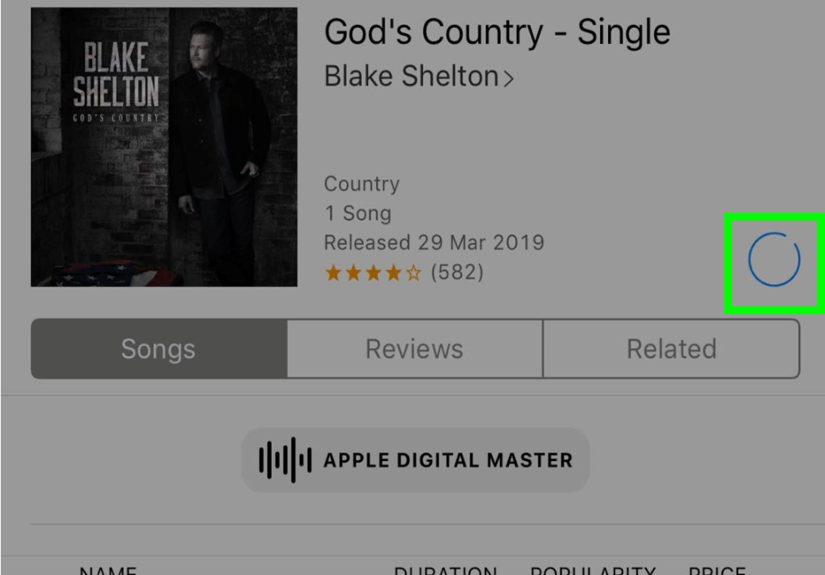
- Apple Music: You can add songs, albums, and playlists to your library from the Apple Music catalog, and download them after they’re added. This helps your library feel consistent across devices when syncing is enabled.
- Spotify: “Your Library” is where you save items for quick accessliked songs, saved albums, followed artists, and playlists. Saving an artist doesn’t automatically save all the songs, and saving a song doesn’t automatically save the album. (Yes, it’s a little like adopting a cat but not the cat’s entire family tree.)
Pro tips for a library that doesn’t turn into a junk drawer
- Use “Liked Songs” sparingly and make playlists for moods. Your future self will thank you.
- Save albums you truly loveit’s the cleanest way to revisit an artist’s “full story,” not just the singles.
- Make a monthly “Inbox” playlist for new finds. At the end of the month, either file them into real playlists or let them go.
If your streaming library feels chaotic, that’s not a character flawit’s the default setting. The fix is a tiny bit of structure, not a total personality overhaul.
Way 2: Buy and Download Digital Music You Actually Own (Yes, Ownership Still Exists)
Streaming is convenient. Owning music is comforting. It’s the difference between “I can listen to this anytime” and “I can listen to this anytime… unless licensing changes, the app glitches, or I move to a place where that track isn’t available.”
Buying digital music is also one of the best ways to support artists directlyespecially on platforms that let creators set prices, bundle extras, or offer high-quality formats.
Where people commonly buy music (and what happens next)
- iTunes Store (Apple): You can purchase tracks and albums and download them to authorized devices, and you can enable automatic downloads so purchases appear across your Apple devices.
- Amazon Music (purchases): Purchased music can be downloaded via web browser or through the Amazon Music desktop app, then added into other players if you want your music in a non-Amazon library.
- Bandcamp: After checkout, you can download your purchase in your preferred format (often including higher-quality options), and you can access downloads through receipts or your collection.
How to add purchased files to your library (without losing your mind)
- Download the audio files to a known folder on your computer (not your Downloads folder’s chaos dimension).
- Pick a “home base” player/library (Apple Music app, Windows Media Player, or a folder-based library plus a player).
- Import the files so your library can index them and show album art/metadata (more on that in Way 5).
- Back them up to an external drive or cloud storage. Purchased files are still files, and files still disappear when laptops die.
This method is especially powerful for music that streaming services don’t carryindependent releases, deluxe editions, niche genres, live bootlegs that are “officially unofficial,” and that one ambient album that only exists on an artist’s website.
Way 3: Rip CDs Into Your Library (Because Physical Media Is the Original “Offline Mode”)
If you have CDs (or can borrow them from a relative who still has a bookshelf), ripping is a fantastic way to build a permanent library. You get full albums, consistent playback, and the smug satisfaction of knowing your music doesn’t depend on Wi-Fi.
Ripping on Windows
Microsoft’s basic workflow is straightforward: open Windows Media Player, insert the CD, and choose the option to rip the CD. You can often adjust rip settings (like format/quality) depending on your setup.
One big heads-up: modern Windows CD ripping metadata can be less automatic than it used to be. Recent reporting indicates Microsoft removed certain “find album information” capabilities in Windows players, which means you may need to manually fix track names and album art (or use alternative software that handles metadata better).
Ripping on Mac
Apple’s Music app can import songs from audio CDs and includes options like error correction, which can help if you’re ripping older or scratched discs. You can also set what happens automatically when a CD is inserted.
Best practices: how to rip once and enjoy forever
- Choose a smart format: If you care about quality and archiving, consider lossless formats (where supported). If you care about compatibility and space, high-bitrate MP3/AAC is a practical middle ground.
- Turn on error correction when ripping damaged CDs. It can take longer, but it reduces clicks/pops.
- Fix metadata immediately: Artist name, album name, track numbers, and album art. Do it once now or suffer forever later.
Ripping CDs is like meal-prepping: mildly annoying on a Saturday afternoon, incredibly satisfying on a Tuesday night when everything just works.
Way 4: Upload Your Personal Music Collection to a Cloud Library (Stream Your Own Stuff Anywhere)
Uploading is the secret weapon for people who have music filespurchases, rips, demos, rare remixesbut still want the convenience of streaming across devices. Instead of dragging files from phone to laptop like it’s 2009, you upload once and access them anywhere you’re signed in.
YouTube Music uploads: a surprisingly strong option
YouTube Music lets you upload your own music through the web experience (drag-and-drop is supported), and it accepts common formats like FLAC, M4A, MP3, OGG, and WMA. Uploads can’t be completed in the mobile app, and there’s a stated upload limit of up to 100,000 songs.
Also worth knowing: your uploaded music is personalother users can’t access it, and uploads don’t directly shape recommendations the way your listening history does. That’s great for privacy and organization, but it means uploading your obscure jazz bootlegs won’t automatically train the algorithm to become your jazz bestie.
Apple ecosystem: Sync Library for “my library everywhere”
Apple’s Sync Library feature (available with Apple Music subscriptions and certain setups like iTunes Match) is designed to make your music library accessible across devices signed in to the same Apple Account. Apple also explicitly notes that Sync Library is not a backup service, which is your reminder to keep a real backup before you reorganize, merge, or go on a deleting spree.
When uploading is the best choice
- You want your own files available on multiple devices without manual transfers.
- You have rare/independent music that isn’t reliably available in streaming catalogs.
- You want one searchable library instead of a “files on this phone, other files on that laptop” situation.
Uploading turns your personal collection into a modern, cross-device library. It’s like giving your music a passport.
Way 5: Import Local Files (and Keep Them Organized Like You’re Running a Tiny Record Label)
Sometimes you don’t need uploads. Sometimes you just want your filesright thereinside the app you already use. This is where local file importing shines.
Apple Music app: import files into your library
On Mac, you can add music files to your library using built-in import options (for example, adding files to the library and optionally copying them into the app’s media folder). This is ideal if you’re consolidating music from old drives, downloads, or folders you’ve been dragging around for years.
Spotify: local files (yes, Spotify can play your MP3s)
Spotify supports local files in its appsonce enabled, your stored music appears under Local Files, and you can play it alongside streaming content. The exact steps differ by device, but generally you toggle local audio files on in settings, then point Spotify to your file sources.
Bonus: moving libraries and playlists between services
If you’re switching services (or using multiple), importing can also mean transferring your existing library structureespecially playlists. Spotify has tested and introduced features aimed at helping users import music from other platforms using built-in tools powered by third-party migration services. Translation: fewer “rebuild everything from memory” meltdowns.
A simple organization system that works for most humans
- Folder structure: Artist → Year – Album → Track files (with track numbers).
- Consistent naming: “01 – Track Name.ext” beats “finalmix2(1).mp3” every day of the week.
- One master library location: Keep the source of truth on a computer or external drive, then sync/import outward.
- Tag cleanup: Fix artist/album/track numbers so everything sorts correctly in every app.
Local importing is the difference between “I own these files” and “I can actually find these files.” It’s not glamorous, but it’s how you make your library feel intentional instead of accidental.
Quick Troubleshooting: When Your “Added” Music Doesn’t Show Up
- Sync settings: If you expect your library across devices, confirm syncing is enabled and you’re signed into the same account everywhere.
- Availability: Streaming tracks can disappear or be unavailable in certain markets.
- Downloads: Offline downloads may require periodic online check-ins and can have device limits depending on the service.
- Metadata: If ripped/imported music looks wrong, it’s almost always tagsartist/album/track numbersrather than “the file is broken.”
Conclusion: Build a Library You’ll Actually Use
The best music library isn’t the biggest. It’s the one that makes listening effortlesswhere favorites are easy to find, offline playback works when you need it, and your personal collection doesn’t vanish because an app changed its mind.
Use streaming saves for discovery, purchases for ownership, CD ripping for full-album depth, uploads for anywhere access, and local importing for control. Mix these five methods and you’ll end up with a library that feels less like a pile and more like a collection.
Extra: of Real-World “Experiences” (a.k.a. How People Actually End Up Using These 5 Methods)
Most music libraries don’t get built in a neat, intentional afternoon with a color-coded spreadsheet and a peaceful cup of tea. They get built the way real life happens: in fragments, under mild time pressure, and usually because something broke.
One common experience is the “streaming honeymoon.” Someone signs up for a service, discovers curated playlists, and starts tapping “Add to Library” like they’re handing out Halloween candy. For a week, it feels amazinginstant access, instant collection, instant personality. Then reality shows up: the library is now 4,000 songs deep, and finding that one track from Tuesday’s commute requires detective work. That’s when method #1 becomes smarter: people start saving full albums they truly love, and using playlists as “folders” for moods like “Cooking,” “Focus,” “Angry Cleaning,” and “Songs That Make Me Feel Like the Main Character in a 2000s Movie.”
Another classic scenario is the “vanishing favorite.” A song disappears from streaming (licensing changes happen), or it’s suddenly unavailable on a road trip, and the listener has that moment of betrayal: “I thought we had something.” That’s when method #2 kicks in. People start buying the music they refuse to lose a few key albums, a sentimental EP, a live recording that always hits. The purchase becomes a safety net, and importing those files into a local library feels like taking back control. It’s not about rejecting streaming; it’s about protecting the stuff that matters most.
Then there’s the “found treasure” experience: someone rediscovers a box of CDsmaybe from high school, maybe from a parent’s collectionand realizes half of it isn’t easily available online. That’s method #3 territory. Ripping becomes a weekend project with real emotional payoff: full albums, deep cuts, and liner-note nostalgia (even if the liner notes are now just a JPG you found online for album art). The most surprising part is how satisfying it feels to hear a full album in order again, not just the one track the algorithm keeps resurfacing.
Method #4 often comes from the “multiple devices” problem. Someone has music on a laptop, a phone, and an old external drive, and they’re tired of transferring files manually. Uploading to a cloud library becomes the clean reset: upload once, search anywhere. It’s especially popular for independent releases, DJ edits, or personal recordings that streaming catalogs don’t reliably carry.
Finally, method #5 shows up when people want their music life to feel unified. They want their MP3s to sit next to streaming tracks. They want local files playable in the same app they already use daily. They want playlists transferred when switching services. The “experience” here is less emotional and more practical: a calm sense of order. The library stops feeling like a messy attic and starts feeling like a well-run collectionstill personal, still fun, but no longer one app crash away from chaos.