Table of Contents >> Show >> Hide
- What Is Angina, Exactly?
- Before You Try Any Home Remedy
- 1. Use Your Nitroglycerin and Angina Action Plan Correctly
- 2. Rest Smartly When Symptoms Start
- 3. Build a Heart-Healthy Plate (Without Going Miserable)
- 4. Move Your Body But Do It Safely
- 5. Tame Stress and Strong Emotions
- 6. Quit Smoking, Limit Stimulants, and Track Your Symptoms
- When Home Remedies Are Not Enough
- Real-Life Experiences: Living with Angina Day to Day
Quick but important note: Angina is not “just” heartburn or a pulled muscle. It’s a warning sign that your heart muscle is not getting enough oxygen. Any new, severe, or changing chest pain is a medical emergency call 911 right away. The tips below are home care and lifestyle strategies to use only after a doctor has diagnosed angina and given you a treatment plan. They’re helpers, not replacements, for professional care.
What Is Angina, Exactly?
Angina (also called angina pectoris) is a type of chest pain or discomfort caused by reduced blood flow to the heart. Many people describe it as pressure, squeezing, tightness, or a heavy weight sitting on the chest. It may spread to the shoulders, arms, neck, jaw, or back and sometimes comes with shortness of breath, nausea, or sweating.
Most often, angina is a symptom of coronary artery disease plaque in the arteries that supply your heart. That’s why cardiologists treat angina very seriously. Your provider may prescribe medications (like nitroglycerin, beta-blockers, calcium channel blockers, or statins) and sometimes recommend procedures to open blocked arteries. Home strategies fit in as the “supporting cast” that makes those treatments work better over time.
Before You Try Any Home Remedy
- If your chest pain is new, more frequent, more intense, or happening at rest, treat it as an emergency and call 911.
- Follow your specific angina action plan from your cardiologist or primary care provider.
- Keep all heart medicines with you and use them exactly as prescribed.
- Ask your provider which activities are safe and which “natural” supplements or remedies you should avoid.
With those safety rules in mind, let’s look at six practical ways to manage angina symptoms at home.
1. Use Your Nitroglycerin and Angina Action Plan Correctly
This might not sound like a “home remedy,” but it’s the single most important step you can take at home when angina hits.
Follow the “stop–sit–nitro” routine
At the first sign of chest discomfort your doctor has told you is angina:
- Stop what you’re doing. Don’t try to “push through” chest pain.
- Sit or lie down in a comfortable position. Relax your neck, shoulders, and jaw as much as you can.
- Take nitroglycerin exactly as prescribed. Most people use one tablet or spray under the tongue. Don’t chew or swallow tablets; let them dissolve.
Your provider may tell you to repeat nitroglycerin up to a certain number of times if pain isn’t relieved, with specific time intervals between doses. If your pain doesn’t improve within a few minutes, or it’s getting worse, emergency care is much more important than “just one more home trick.”
Make nitroglycerin easy to reach
- Keep it in a small pouch or pocket you use every day (not buried in a bathroom cabinet).
- Know the expiration date and get refills before you run out.
- Don’t store it in hot places like a car glovebox; heat can make it less effective.
Think of nitroglycerin as your heart’s “emergency break glass” tool. Using it fast and knowing when to call 911 is a key part of safe home management for angina.
2. Rest Smartly When Symptoms Start
For many people with stable angina, chest pain shows up during predictable triggers: brisk walking uphill, rushing up the stairs, lifting something heavy, or strong emotions. When it happens, resting properly can reduce the heart’s workload and help symptoms calm down more quickly.
Practice “heart-friendly” rest
- Sit upright in a chair with your feet flat on the floor, rather than lying flat, which can sometimes make breathing harder.
- Loosen tight clothing around your chest, neck, or waist.
- Take slow, gentle breaths: in through your nose for about 4 seconds, out through your mouth for about 6 seconds. You’re not trying to do a fancy breathing technique just avoid shallow, panicky breaths.
Use this rest period to pay attention to what your body is telling you. If the pain eases with rest and nitroglycerin the same way it usually does, that’s a good sign but still something to tell your doctor about. If it’s more intense, lasts longer, or feels different than usual, that’s emergency territory.
Adjust your daily rhythm
Managing angina at home also means spacing out activities to avoid sudden bursts of effort.
- Break chores into shorter segments instead of doing everything in one long sprint.
- Avoid going from total rest to intense activity in seconds; warm up gradually.
- Schedule your most demanding tasks at times of day when you’ve historically had fewer symptoms.
This isn’t “giving up” it’s giving your heart a realistic workload.
3. Build a Heart-Healthy Plate (Without Going Miserable)
Food isn’t a magic cure for angina, but long-term, your plate is one of the most powerful tools you have to support your arteries. Diet changes help manage high cholesterol, high blood pressure, diabetes, and weight all major drivers of angina.
Focus on what to add, not just what to avoid
Think in terms of a heart-healthy pattern rather than a rigid “diet.” Many cardiologists recommend a Mediterranean-style eating plan:
- Lots of vegetables and fruits (aim for a colorful variety).
- Whole grains like oats, brown rice, quinoa, and whole-wheat bread.
- Lean proteins: fish (especially fatty fish like salmon or trout), beans, lentils, and skinless poultry.
- Healthy fats from olive oil, nuts, seeds, and avocado.
On the “go easy” side, try to limit:
- Foods high in saturated and trans fats (fatty red meats, processed meats, many packaged snacks).
- Excess salt (especially in canned soups, frozen meals, and fast food).
- Sugary drinks and dessert overload.
Watch out for “stealth” angina triggers
Some people notice chest discomfort after very heavy meals or big holiday feasts. Large portions make your heart work harder to pump blood to your digestive system, which can trigger angina. A few small changes can help:
- Eat smaller, more frequent meals instead of two huge ones.
- Give your body time to digest before you do anything physically demanding.
- Limit alcohol to the amount your doctor recommends or avoid it entirely if advised.
None of this replaces medication or procedures, but over months and years, a heart-healthy eating style can make a real difference in angina frequency and overall heart health.
4. Move Your Body But Do It Safely
Exercise can feel scary when your chest sometimes hurts totally understandable. Yet regular physical activity, done within guidelines from your provider, is one of the most effective ways to improve blood flow, lower blood pressure, manage weight, and reduce angina episodes over time.
Get the all-clear first
Before you start (or change) any exercise routine, talk with your cardiologist. You may be referred to cardiac rehabilitation, a supervised program where professionals monitor your heart, teach you safe exercises, and guide you on lifestyle changes. Think of it as “physical therapy for your heart.”
Gentle, consistent movement beats rare intense workouts
Once your provider gives you the green light, aim for:
- Frequent, low- to moderate-intensity activities like walking, leisurely cycling, or water aerobics.
- Short sessions (even 5–10 minutes) spread throughout the day, gradually building up as tolerated.
- Avoiding sudden sprints, heavy lifting, or “no pain, no gain” workouts.
If you know that certain activities trigger angina, your doctor may advise taking nitroglycerin beforehand. Always follow their instructions, and stop exercising immediately if you feel chest pain, severe shortness of breath, dizziness, or unusual fatigue.
5. Tame Stress and Strong Emotions
Stress isn’t just “in your head” it affects your heart, too. Adrenaline and other stress hormones can raise heart rate and blood pressure, tightening blood vessels and making angina more likely. Many people find that arguments, work deadlines, or bad news trigger chest pain just as surely as climbing stairs.
Create small “pressure valves” in your day
You can’t eliminate stress entirely, but you can give your body more tools to handle it:
- Practice simple relaxation techniques. Try 5 minutes of slow breathing, listening to calming music, or progressive muscle relaxation (tensing and then relaxing muscle groups from head to toe).
- Build a “calm routine” before bed. A consistent wind-down dim lights, no news or heavy emails, gentle stretching can improve sleep, which in turn supports heart health.
- Talk it out. A therapist, support group, or trusted friend can help you process fear and frustration about living with a heart condition.
If you notice that panic or anxiety makes you unsure whether your symptoms are “just stress” or true angina, that’s a big sign to talk with your doctor. They can help you recognize patterns and may suggest both heart and mental health support.
6. Quit Smoking, Limit Stimulants, and Track Your Symptoms
Cigarette smoke is like a multipack of heart insults: it damages blood vessels, raises blood pressure, lowers good cholesterol, and increases the risk of blood clots. If you have angina, smoking is one of the most important things to address.
Get real help to quit
Quitting on willpower alone is tough, and you don’t have to do it that way. Ask your healthcare team about:
- Nicotine replacement therapies (patches, gum, lozenges) if appropriate.
- Prescription medicines that reduce nicotine cravings.
- Local or online quit-smoking programs and counseling.
Every cigarette you don’t smoke is a win for your arteries and your angina risk.
Be cautious with caffeine and other stimulants
Moderate caffeine intake is generally safe for many people with heart disease, but large amounts of coffee, energy drinks, or certain decongestants can raise heart rate and blood pressure. Ask your provider what level is safe for you, and read labels on over-the-counter medicines carefully.
Keep an angina diary
A simple notebook or phone app can be surprisingly powerful:
- Write down what you were doing when symptoms started.
- Note how long they lasted and what helped (rest, nitroglycerin, etc.).
- Record any new patterns pain at rest, at night, or with lighter activity than usual.
Bring this log to your appointments. It helps your healthcare team spot changes that might mean you need an adjustment in medication or further testing.
When Home Remedies Are Not Enough
It bears repeating: angina is always a sign that you have an underlying heart problem. Home care is about supporting medical treatment, not working around it. Call 911 or your local emergency number if you have:
- Chest pain that is severe, new, or feels different from your usual angina.
- Pain that doesn’t improve after a few minutes of rest and nitroglycerin (if prescribed).
- Chest discomfort plus shortness of breath, cold sweats, nausea, lightheadedness, or fainting.
If you’re ever in doubt, it’s better to get checked and be told “you’re okay” than to wait at home during a heart attack. Hospitals and cardiologists would always rather see you early than too late.
Real-Life Experiences: Living with Angina Day to Day
Medical guidelines are important, but so are the small, lived details of getting through everyday life with angina. Here are a few “composite” experiences based on how many people describe their journey details changed to protect privacy, but the emotions are very real.
Learning that “toughing it out” doesn’t help
John was a lifelong “power through it” person. At first, he called his chest pain “indigestion” and tried to ignore it. After one scary night in the ER and a diagnosis of coronary artery disease, his cardiologist was very clear: ignoring symptoms was no longer an option. At home, the hardest part for John wasn’t taking pills it was changing his mindset.
He started keeping nitroglycerin in his pocket and on his nightstand. The first few times he stopped mowing the lawn mid-row to sit down and rest, he felt embarrassed. But he noticed something big: the pain would ease faster when he respected his limits. Over time, he stopped viewing rest as “weakness” and started seeing it as a smart tool that let him keep doing the things he loved, just at a different pace.
Turning the kitchen into a “cardiac rehab station”
Maria loved cooking, but her family’s meals were heavy on fried foods, red meat, and big portions. After her angina diagnosis, her doctor gently suggested a Mediterranean-style approach. At first, Maria felt like she was being asked to give up everything tasty. But she decided to treat the change like a cooking challenge instead of a punishment.
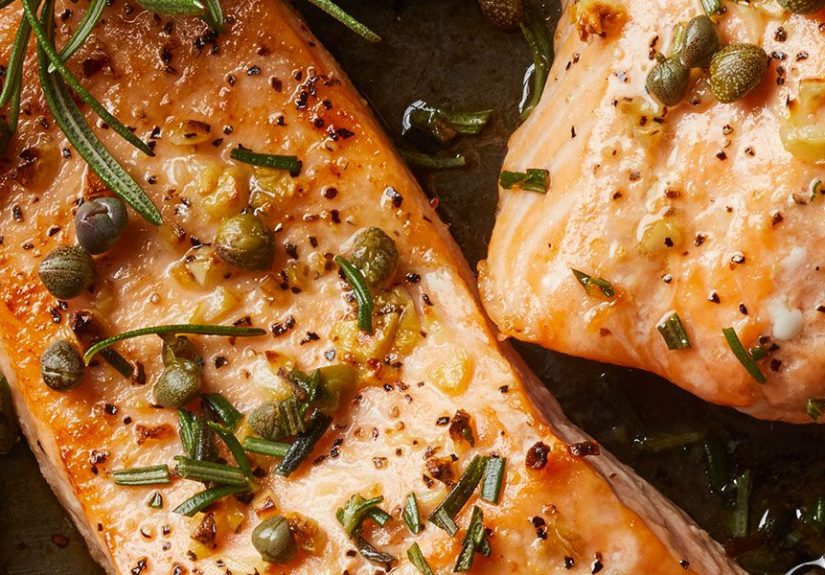
She started experimenting with olive oil instead of butter, grilled salmon instead of fried chicken, and colorful roasted vegetables. Her secret weapon was seasoning: garlic, herbs, citrus, and spices. Her family complained for about a week and then stopped when they realized dinner still tasted good. A few months later, Maria noticed that climbing the stairs wasn’t as breathless as before, and her cholesterol numbers looked better at follow-up visits.
Using stress tools instead of only stress snacks
For years, whenever work stress piled up, Sam reached for cigarettes and sugary snacks. After a scare with chest pain at his desk, he was told he had stable angina. His care team helped him set up a quit-smoking plan and suggested some alternative stress strategies. Sam was skeptical; breathing exercises sounded silly compared with the “instant relief” of a smoke break.
But he promised to try. He set a reminder on his phone for brief breaks where he stepped away from his screen, walked a short lap around the office, and took a few slow breaths. He downloaded a relaxation app and used it before bed. It didn’t magically erase stress, but over a few weeks he realized he’d gone whole days without lighting up and his chest felt less tight during tense meetings.
Discovering that asking for help is part of self-care
Many people with angina talk about a mix of fear and guilt: fear of having another episode, and guilt about changing family routines or needing more help. One of the biggest turning points often comes when they start sharing more honestly with loved ones.
That might look like saying, “I can go to the mall with you, but I’ll need to use the elevator and take breaks,” or “I want to help with the yard, but I’ll do the lighter tasks while you handle the heavy lifting.” Instead of being annoyed, most family members feel relieved to have clear instructions. It turns angina from a silent, mysterious threat into a shared project where everyone can help protect the person they love.
There’s no perfect, one-size-fits-all way to manage angina at home. But combining medical treatment with practical day-to-day changes pacing your activities, following your medication plan, eating in a heart-friendly way, managing stress, and quitting smoking can tilt the odds in your favor. Over time, those small decisions add up to fewer episodes, more confidence, and a better quality of life.