Table of Contents >> Show >> Hide
You know that feeling when you swear you’re looking at a leaf… and then the leaf blinks? Welcome to the wonderfully sneaky world of animal camouflage, where evolution has basically been playing hide-and-seek for millions of yearsand it’s winning.
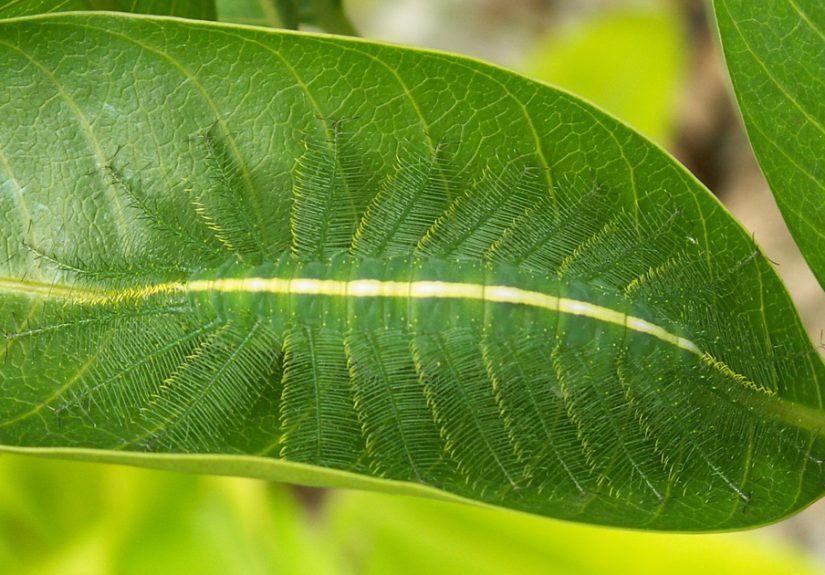
In this guide, we’re diving into 65 animal camouflage examples so good they deserve their own magic show. You’ll meet creatures that look like dead leaves, seaweed, sand, bark, snowdrifts, andon a bad dayyour own nightmares. Along the way, we’ll break down the major camouflage strategies (cryptic coloration, masquerade, mimicry, disruptive patterns, countershading, and color-changing wizardry) in a way that won’t make your brain melt.
How Animal Camouflage Works (Without Needing a Cloak of Invisibility)
“Camouflage in nature” isn’t one trickit’s a whole toolbox. Some animals blend in to avoid predators. Others blend in to become predators. And a few do both, because multitasking is the real survival skill.
Six common camouflage strategies you’ll spot in this list
- Background matching: Colors and patterns echo the environment (sand, bark, snow, coral).
- Disruptive coloration: Bold shapes break up an outlineyour brain can’t “complete the animal.”
- Masquerade: The animal doesn’t just hideit pretends to be something else (leaf, stick, twig).
- Aggressive mimicry: Camouflage used to lure prey (yes, nature can be rude).
- Countershading: Darker on top, lighter belowflattening the 3D look under sunlight.
- Dynamic camouflage: Real-time costume changes, especially in cephalopods with chromatophores.
If you remember nothing else: camouflage is a conversation between the animal, its habitat, and the viewer’s eyes. The animal’s job is to make your brain say, “Nothing to see here.” The brain usually listens.
65 Unbelievable Animal Camouflage Examples (Ranked by “Wait… WHAT?!”)
Forest & Leaf-Litter Houdinis
- Phantastic leaf-tailed gecko: It doesn’t just resemble a leafit looks like a leaf that’s been through a breakup, complete with “missing chunks.”
- Mossy leaf-tailed gecko: A living patch of bark and lichen. If you “spot” one, congratsyou have unlocked expert-level eyeballs.
- Leaf insect (walking leaf): Leaf shape, leaf veins, leaf vibes. Some even “sway” like a leaf in the breeze, because overachievers exist.
- Walking stick insect: A branch cosplay so convincing it dates back incredibly far in deep time nature has been doing “stick” humor forever.
- Dead leaf mantis: Looks like a crisp, brown leafuntil it grabs prey with the kind of speed that should require a warning label.
- Orchid mantis: Gorgeous, petal-like legs… and a mean streak. It uses “flower energy” to attract pollinators, then turns them into lunch.
- Crab spider (flower ambusher): Perches on blooms and can shift color toward white or yellow, turning your favorite flower into a surprise crime scene.
- Peppered moth: A classic case of camouflage meeting changing environmentswhen backgrounds shift, visibility (and survival odds) shift too.
- Gray treefrog: It can match gray bark or green leaves, blending in so well you’ll only notice it once it starts its loud, confident singing.
- Vietnamese mossy frog: A bumpy, moss-textured masterpiece that looks like wet rock and algaeideal for disappearing in rainforest streams.
- Eastern screech-owl: A “tree knot” with opinions. Its mottled feathers mimic bark patterns so well you can stare straight at it and still miss.
- Great potoo: A bird that becomes a broken branch. It stretches upright, narrows its profile, and basically files paperwork as “wood.”
- Tawny frogmouth: Another branch impersonatorplumage, posture, and stillness combine into a disguise that makes photographers doubt reality.
- American bittern: A marsh bird that “freezes” with bill pointed skyward, blending into reeds like it’s playing statue championship finals.
- Gaboon viper: Leaf-litter patterns plus a thick body outline that breaks apart visuallylike someone dropped a designer rug into the forest.
- Copperhead snake: Its hourglass bands match fallen leaves so well that hikers learn a new hobby: looking down.
- Leaf-tailed spider: Some spiders decorate their silhouettes to resemble debris, making the web scene look like “just more forest clutter.”
Desert & Sand-Surface Ninjas
- Horned lizard: Spiky, sandy, and perfectly patterned for desert soilslike a living handful of gravel with attitude.
- Sidewinder rattlesnake: Pale tones and subtle markings help it vanish on dunes. You’re not afraid of the snakeyou’re afraid of your eyesight.
- Sandfish skink: A lizard that “swims” through sand and blends in above it. It’s basically a desert submarine with legs.
- Fennec fox: That sandy coat isn’t just cute; it helps the fox blend into desert terrain, especially in low light.
- Sand cat: Compact, pale, and ghostlikeits coloration fits arid landscapes so well it can feel like the desert itself is watching you.
- Desert toad (sand-colored species): Many desert toads match the soil tones and rely on stillness to avoid detection during the day.
- Stone-curlew (cryptic ground bird): Ground-nesting birds often wear “pebbles and shadows” as fashion, turning open ground into a stealth zone.
- Camouflaged eggs (shorebirds/plovers): Speckled eggs on sand look like someone spilled pepper on the beach and called it “nest décor.”
Ocean Shape-Shifters & Reef Illusionists
- Common cuttlefish: Uses chromatophores to paint patterns for stalking prey, hiding, and communicatingbecause why choose one talent?
- Flamboyant cuttlefish: Can camouflage, then suddenly switch to flashy warning displays. It’s like toggling between “stealth mode” and “party mode.”
- Color-changing squid: Pigmented cells called chromatophores expand and contract, letting the animal shift color fastlike living pixels.
- Octopus (general): Masters of texture and color change. When an octopus decides to be a rock, your best option is to politely believe it.
- Giant Pacific octopus: Big, brainy, and excellent at blending into kelp forests and rocky seafloorsbasically a stealthy, muscular philosopher.
- Mimic octopus: Discovered in 1998, it can imitate other animals’ shapes and movements. It’s not just hidingit’s doing impressions.
- Peacock flounder: Lies on the seafloor and shifts color to match sand and patterns, becoming a living “doormat” with teeth.
- Stonefish (and false stonefish): Textured, mottled, and often partially buried. It looks like a harmless rock until it… absolutely isn’t.
- Leafy scorpionfish: Frilly appendages mimic algae and coral bits, turning a predator into a floating piece of reef debris.
- Hairy frogfish: Looks like a sponge or chunk of coraland uses a lure. Imagine hide-and-seek where “it” also brings snacks.
- Decorator crab: Literally wears camouflage by attaching algae, sponges, and anemones to its shell. Nature said “DIY,” and the crab listened.
- Kelp crab: Matches seaweed color and shape, blending into kelp forests like it pays rent there.
- Sargassum fish: Lives in floating sargassum and resembles it. In a sea of weeds, it becomes a weed with a mouth.
- Pygmy seahorse: Tiny and textured to match specific corals or sea fansproof that “small” doesn’t mean “easy to find.”
- Leafy seadragon: Leaf-like appendages blend into seaweed. It doesn’t swim so much as it “drifts convincingly.”
- Weedy seadragon: A close cousin with a seaweed lookless “leaf bouquet,” more “underwater garden garnish.”
- Seahorse (general): Often matches seagrass and coral colors. It’s basically a horse that chose “hide” instead of “gallop.”
- Flathead fish: Many lie on sand with mottled patterns, eyes up, waitinglike the ocean’s sneakiest rug.
- Pipefish: Slender bodies mimic eelgrass blades. When they hover among plants, your brain files them as “just more grass.”
- Ghost pipefish: Looks like drifting debris or algae. It moves like a floating leaf, because realism matters.
Snow & Ice Disappearing Acts
- Snowshoe hare: Shifts from brown to white with seasonal day-length cuesexcellent camouflage, unless winter forgets to show up on time.
- Arctic fox: Famous for a white winter coat (and darker summer tones). Some populations even have different color “phases.”
- Arctic hare: Built for cold with pale coloring that blends into tundra snowfields, especially when it freezes in place.
- Stoat/ermine: Small mustelid, huge style changebrown in summer, white in winter. A tiny fashion icon with predator problems.
- Willow ptarmigan: A bird that turns white for winter camouflage and shifts toward browns in snowless seasonslike a living seasonal wallpaper swap.
- Rock ptarmigan: Another ptarmigan with seasonal disguise, blending into rocky tundra and snow depending on the calendar.
- Polar bear: Its pale appearance blends into Arctic landscapes while stalking sealsproof that “white” is a very serious hunting strategy.
- Snowy owl: White plumage (especially in males) helps it vanish against snowy fieldsuntil it decides to rotate its head like a creepy snow sculpture.
- Arctic weasel relatives: Several northern mammals use seasonal whitening to reduce contrast against snow, boosting both hunting and hiding.
- Mountain camouflage (alpine mammals): Many species match pale rocks and snow patchescamouflage isn’t always “white,” it’s “low contrast.”
Grassland, Savannah & “Wait, That’s a Predator” Patterns
- Tiger: Stripes break up the body outline in tall grass and dappled forest light. “Orange” can be surprisingly stealthy in green shadows.
- Leopard: Rosettes mimic shifting patches of light and shademaking the cat look less like a cat and more like “forest texture.”
- Jaguar: Similar rosettes, often in dense habitats where dappled lighting makes pattern-based camouflage extremely effective.
- Giraffe: Those blocks and patches can visually disrupt the outline among trees and brush, especially at distance.
- Zebra: Stripes may confuse perception in groups (dazzle effects) and disrupt outlines; it’s camouflage that leans into optical chaos.
- Fawn (white-tailed deer): White spots mimic sun-dappled forest floors, helping a motionless fawn melt into the background.
- Grasshopper (green/brown morphs): Many shift between green and brown forms to match vegetation or dry grass, turning “lawn” into “invisible.”
- Katydid (leaf-mimic): Leaf-shaped wings, leaf veins, and leaf-green color. The only thing that gives it away is… moving.
- Praying mantis (green ambusher types): Classic stalk-and-wait predators that look like plant parts. They don’t chase dinner; they become the décor.
Bonus “How Is That Even Real?” Camouflage Moments
- Countershaded animals everywhere: From sharks to deer, many species use darker backs and lighter bellies to erase shadowssimple, widespread, and wildly effective.
That’s 65, and yesyour eyes are allowed to feel personally attacked by how easily nature can fool them. These aren’t just cool patterns; they’re survival strategies shaped by predators, prey, habitat, and time.
What These Masters of Disguise Teach Us
The wild thing about animal camouflage is that it’s never “perfect” in a vacuum. It’s perfect relative to a habitat, season, lighting, and who’s doing the looking. A snowshoe hare’s white coat is brilliant when the world is whiteand suddenly risky when winters shorten or snow arrives late. A cuttlefish’s skin can shift in seconds, but it still needs the right cues and background to sell the illusion.
Camouflage is also a reminder that nature rewards good enough. Many of these animals don’t need to be invisible. They just need to be missed for one extra secondlong enough to escape, or long enough to strike.
of “Camouflage Experiences” You Can Actually Try (No Safari Required)
Want the full “make you look twice” experience without booking a flight or accidentally challenging a stonefish to a staring contest? You can train your eyes to notice camouflage almost anywhereon hikes, at the beach, in a backyard, or even at an aquarium.
Experience #1: The “outline hunt” on a walk. Next time you’re on a trail, stop and scan for outlines instead of colors. Your brain is obsessed with edges: a bird shape, a frog silhouette, a straight line that shouldn’t be straight. Camouflage often defeats color detection but struggles to hide a crisp outlineso look for curves, eyeshine, or symmetry that doesn’t belong on a tree.
Experience #2: The “freeze-frame game” for birding. Many cryptic birds (like bitterns and frogmouths) rely on stillness. So do you. Stand still for 30 seconds and re-scan the same patch of reeds or branches. It’s shocking how many “sticks” turn into animals when your eyes stop darting around.
Experience #3: Beach spotting with a low angle. At the shoreline, crouch down and look across the sandnot straight down. This angle makes subtle bumps and textures pop. Ghost crabs and flat fish camouflage are all about being the same shade as the sand. Your best clue is often the slightest shadow or the glint of an eye.
Experience #4: Aquarium slow-scan challenge. If you visit an aquarium, don’t rush. Give yourself a mission: find the animal that looks like “not an animal.” Look for frogfish that resemble sponges, seahorses that mimic seagrass, and octopuses that turn into rocks. The real lesson is how camouflage is behavior as much as colorhow an animal chooses a background and holds a pose.
Experience #5: Backyard micro-safari. Pick a single plant (one shrub, one patch of grass) and watch it for five minutes. You’ll start seeing katydids, moths, and tiny spiders that were “invisible” a moment ago. Many insects win at camouflage not because they’re rare, but because we don’t slow down enough to notice.
If you do these a few times, something clicks: you stop “looking for animals” and start looking for clues. The slight mismatch in texture. The odd shadow. The too-perfect leaf vein. And once your eyes learn the trick, you’ll never walk past “just a stick” the same way again.
Conclusion
Camouflage isn’t just a cool nature party trickit’s a survival language. From leaf-tailed geckos playing “dead leaf” to octopuses rewriting their skin pattern in real time, these animals show how evolution shapes form, color, behavior, and timing into one goal: don’t get seen (or, occasionally, get seen too late).
So the next time you’re outdoors, assume the landscape is aliveand that it’s laughing quietly while you miss it. Look twice. Then look again. Nature loves an encore.