Table of Contents >> Show >> Hide
- First: A 60-Second Diagnosis (Before You Change Everything)
- 1) It’s Normal: The Seed Leaves Are Retiring
- 2) Overwatering (or Soil That Holds Water Like a Sponge)
- 3) Underwatering + Heat Stress (The Midday Zucchini Meltdown)
- 4) Nutrient Imbalance (Especially Nitrogen), Plus the Classic “Oops” of Fertilizer Burn
- 5) Soil pH Lockout (When Nutrients Are There… But the Plant Can’t Use Them)
- 6) Stress Shock: Cold Nights, Wind, or Transplant “Drama”
- 7) Pests and Diseases (Tiny Thieves, Fungal Freeloaders, and Virus Trouble)
- What to Do Today: A Simple, High-Impact Action Plan
- Conclusion: Yellow Leaves Are a MessageNot a Life Sentence
- Grower Experiences: What Yellow Zucchini Leaves Look Like in Real Life (and What Actually Works)
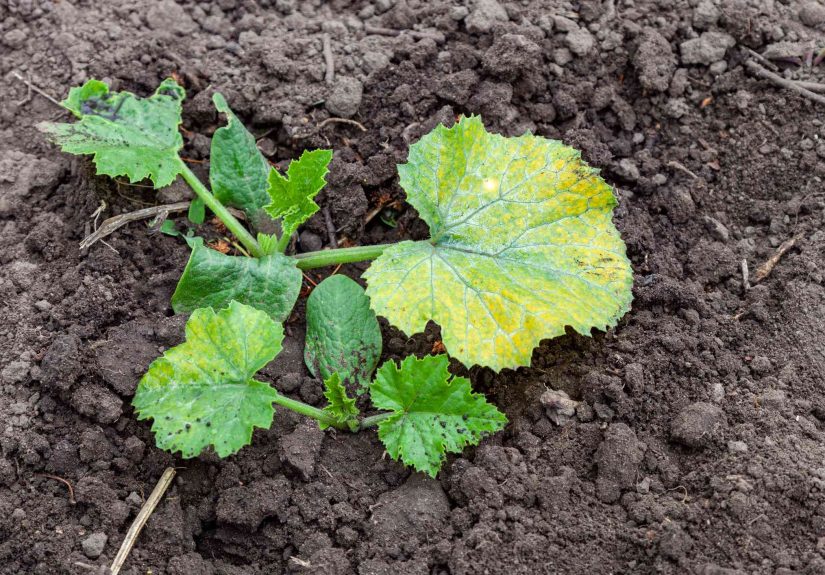
Zucchini plants are basically the golden retrievers of the vegetable garden: enthusiastic, fast-growing, and occasionally
a little dramatic. So when a young zucchini plant shows up with yellow leaves, it can feel like you’ve done something
unforgivablelike serving it a salad without dressing.
The good news: yellow leaves on zucchini are usually a fixable “care issue” (water, nutrients, stress) or a clue that
something is munching, spreading, or slowly sabotaging your plant. The trick is reading the pattern. Is it just the
oldest leaves? New growth? Yellow between green veins? Are leaves soft and limp, or crispy and cranky?
Below are the most common reasons young zucchini leaves turn yellow, plus what to doquickly, practically, and without
panic-repotting your entire backyard.
First: A 60-Second Diagnosis (Before You Change Everything)
- Only the two seed leaves (cotyledons) are yellow? Probably normal. (Reason #1)
- Soil stays wet, leaves look pale and a little droopy? Overwatering or poor drainage. (Reason #2)
- Soil is dry, plant droops mid-day, leaf edges may scorch? Underwatering or heat stress. (Reason #3)
- Older leaves are yellowing first, plant looks hungry? Often nitrogen deficiency. (Reason #4)
- New leaves yellow between veins, veins stay greener? Micronutrient/pH lockout. (Reason #5)
- Yellowing started after a cold snap or transplant? Stress response. (Reason #6)
- Spots, powdery coating, stippling, sticky residue, insects? Pest/disease pressure. (Reason #7)
1) It’s Normal: The Seed Leaves Are Retiring
If your zucchini is young, it likely has two “starter” leaves called cotyledons. These aren’t true leaves
they’re the plant’s built-in lunchbox for the seedling stage. Once the first true leaves are up and working, those seed
leaves often turn pale yellow and fade out.
What it looks like
- Only the lowest two leaves (the original pair) are yellowing.
- Newer true leaves look green and healthy.
- The plant is still growing normally.
What to do
Do nothing dramatic. Let the cotyledons wither naturally. If they’re fully yellow and floppy, you can snip them off
with clean scissorsjust don’t remove healthy green true leaves on a small plant. Young zucchini needs every solar panel
it can keep.
2) Overwatering (or Soil That Holds Water Like a Sponge)
Zucchini likes consistent moisture, but it hates soggy feet. When the root zone stays waterlogged, roots can’t breathe.
The plant responds by yellowingoften in a way that resembles nutrient deficiencybecause stressed roots can’t take up
nutrients properly even if they’re present.
Clues you’re overwatering
- Soil feels wet a day or two after watering.
- Leaves look yellow and slightly limp (not crispy).
- Growth slows, and the plant seems “stuck.”
- In containers: water sits in the saucer or the mix feels swampy.
How to fix it (fast, not frantic)
- Stop watering on a schedule. Water based on soil feel. If the top 1–2 inches are still moist, wait.
- Improve drainage. In-ground: amend heavy clay with compost and consider a raised bed or mound.
- Containers: make sure there are real drainage holes and a chunky, well-draining potting mix.
- Water deeply, less often. Aim for a thorough soak that encourages deeper roots.
Specific example: If you’re watering every day because it’s summerbut your zucchini is in dense clayyour “helpful”
watering is actually turning the root zone into a low-oxygen zone. Back off, and you’ll often see improved color in new
growth within a week.
3) Underwatering + Heat Stress (The Midday Zucchini Meltdown)
Zucchini leaves are big, soft, and built for rapid growthtranslation: they lose water quickly. In hot weather, a young
plant with shallow roots can flip from “fine” to “why have you forsaken me” in a single afternoon. Yellowing can show up
alongside wilting, especially if drought stress is repeated.
Clues it’s too dry
- Plant droops in afternoon sun, then partially recovers in the evening.
- Soil is dry several inches down.
- Leaf edges may look scorched or papery.
- In containers, the mix pulls away from the pot sides.
What to do
- Deep water early. Morning watering reduces stress and helps prevent disease compared to wet leaves overnight.
- Mulch. A 2–3 inch layer of straw or shredded leaves keeps moisture steady (keep it off the stem).
- Give young plants a break. Temporary shade cloth during extreme heat can help seedlings establish.
- Containers may need daily watering in heat. Not tiny sipsreal soak-through watering until it drains out.
The goal is consistency. Zucchini does best when moisture swings are smallerthink “evenly damp sponge,” not “desert”
then “floodplain.”
4) Nutrient Imbalance (Especially Nitrogen), Plus the Classic “Oops” of Fertilizer Burn
Zucchini is a heavy feeder. It grows fast, builds huge leaves, and expects the soil to keep up. When nutrientsespecially
nitrogenare low, older leaves often yellow first because the plant moves nitrogen to newer growth.
On the flip side, too much fertilizer can also cause yellowingoften with leaf edge damage or a “burned” lookbecause high
salt concentrations stress roots and foliage. So yes, you can both starve and overfeed a zucchini. Gardening is humbling
like that.
How nitrogen deficiency often shows up
- Older, lower leaves turn uniformly yellow.
- New leaves may be smaller or paler than expected.
- Overall growth looks slow for zucchini standards (which are normally “blink and it doubled”).
How fertilizer burn often shows up
- Yellowing or browning starts at tips/edges.
- Leaves may look scorched.
- The problem appears soon after fertilizing, especially with strong synthetic products or over-application.
What to do
- Feed gently, not aggressively. Use a balanced vegetable fertilizer or compost top-dressing.
- For quick support: a light application of fish emulsion or a diluted nitrogen-forward feed can help.
- If you suspect burn: stop fertilizing, water deeply to help leach salts (containers especially), and let new growth tell the story.
- Don’t chase perfection on damaged leaves. Focus on whether new leaves come in greener.
Practical rule: if your zucchini is pale and slow, it probably needs food. If you just fed it “extra” and now it looks worse,
it might need mercy.
5) Soil pH Lockout (When Nutrients Are There… But the Plant Can’t Use Them)
Sometimes yellow leaves aren’t a lack of nutrientsthey’re a nutrient access problem. Soil pH that’s too high
or too low can lock up key elements. Micronutrients like iron and manganese are famous for this.
The result is often chlorosis: yellow tissue with greener veins, especially in newer leaves.
Clues pH/micronutrients are involved
- New leaves turn yellow between veins while veins stay relatively green.
- Growth looks stunted even though you’ve fertilized.
- You garden in very alkaline soil areas (common in some regions) or use lots of lime/wood ash.
What to do (without turning your garden into a chemistry lab)
- Test your soil. A basic soil test is the smartest move before adding random “fixes.”
- Use compost regularly. It improves nutrient availability and buffers pH swings over time.
- If iron chlorosis is likely: chelated iron can help as a targeted correction (follow label directions).
- Avoid over-liming. If you’ve been adding lime “just because,” pause until a test says you need it.
Specific example: Two gardeners can use the same fertilizer, but only one gets green leavesbecause their soil pH differs.
That’s not bad luck; that’s chemistry with a shovel.
6) Stress Shock: Cold Nights, Wind, or Transplant “Drama”
Young zucchini plants are warm-season crops. When they get hit with cold nights, chilly soil, harsh wind, or a sudden
transition from indoor life to full sun, they can yellow as a stress response. Transplant shock can also show up as
yellowing and slowed growth while the roots re-establish.
Common stress triggers
- Temperatures drop unexpectedly (especially cool nights).
- You transplanted recently, and the plant hasn’t “taken off” yet.
- Seedlings went from indoor light to full sun without hardening off.
- Roots were disturbed or the plant was rootbound in its pot.
How to help your zucchini recover
- Warmth matters. Use row covers on cold nights early in the season.
- Harden off seedlings. Increase outdoor time and sun exposure gradually over 7–10 days.
- Water properly after transplanting. Keep soil evenly moist (not soggy) for the first week or two.
- Don’t over-fertilize a stressed plant. Let it root in first; then feed lightly.
Stress-yellow leaves may not “re-green,” but the plant can rebound. Watch the newest leaves. If new growth looks healthier,
you’re on the right track.
7) Pests and Diseases (Tiny Thieves, Fungal Freeloaders, and Virus Trouble)
If you’ve ruled out the basicswatering, feeding, and stressstart looking for signs of pests or disease. Many common
cucurbit pests feed by sucking sap or chewing tissue, which can cause yellowing, stippling, distortion, and general
decline. Diseases can begin as yellow spots, progress to powdery coatings, or create mosaic-like patterns.
Pest signs to check (especially under leaves)
- Aphids: clusters of small insects + sticky residue (honeydew).
- Spider mites: fine stippling and faint webbing, leaves look dusty or speckled.
- Squash bugs: yellow spots that later turn brown; bugs and bronze egg clusters on leaf undersides.
- Cucumber beetles: chewing damage; they can also spread serious diseases in cucurbits.
Disease clues
- Powdery mildew: pale yellow spots on older leaves that develop into white powdery patches.
- Wilts and root diseases: yellowing plus sudden collapse, especially if the base/stem looks compromised.
- Viruses (mosaic): mottled green-yellow patterns, distorted leaves, stunted growth.
What to do
- Start with gentle control. Blast aphids off with water; use insecticidal soap if needed.
- Remove badly infected leaves. This helps slow spread and improves airflow.
- Water at the soil line. Wet foliage encourages disease problems.
- Use row covers early. Especially helpful for keeping beetles off young plants (remove at flowering for pollination).
- If viral symptoms appear: removal is often the best option to protect other plants.
Quick note: don’t play whack-a-mole with sprays if you haven’t identified the problem. A flashlight and two minutes
flipping leaves often solves the mystery faster than a shopping trip.
What to Do Today: A Simple, High-Impact Action Plan
- Identify which leaves are yellowing. Seed leaves only? Old leaves first? New leaves first?
- Check soil moisture at 2 inches deep. Adjust watering based on reality, not routine.
- Inspect leaf undersides. Look for insects, eggs, webbing, sticky residue, or spotting.
- Feed lightly if growth is pale/slow. Compost or a gentle vegetable fertilizer beats “fertilizer panic.”
- Protect from stress. Mulch, shade in extreme heat, cover during cold snaps, and avoid rough handling.
Conclusion: Yellow Leaves Are a MessageNot a Life Sentence
A young zucchini plant with yellow leaves is usually asking for one of three things: better watering habits, better nutrition,
or a break from stress (plus the occasional request for you to evict pests). Focus on patterns, correct one variable at a time,
and judge success by new growth. If the newest leaves come in greener, your zucchini is back on speaking terms with you.
Grower Experiences: What Yellow Zucchini Leaves Look Like in Real Life (and What Actually Works)
Garden advice sounds clean and logicaluntil it meets real dirt. Here are a few “this is how it usually goes” experiences that
gardeners run into with young zucchini, and how the situation typically plays out.
Experience #1: The Overachiever Watering Schedule.
A gardener plants zucchini in early summer and decides to be “consistent,” watering every morning like it’s a sacred ritual.
Within a week or two, the plant looks oddly pale, and a couple of leaves start yellowing. The gardener responds with more care:
extra water, maybe a bonus fertilizer dose. That’s when things get worsebecause the real issue wasn’t effort, it was oxygen.
In heavier soil, daily watering can keep the root zone too wet, and the plant can’t breathe. What works is boring but powerful:
pause watering, check moisture 2 inches down, and only water when the top layer starts drying. If the plant is in a low spot,
creating a small mound or raising the bed makes a surprising difference. The leaves that already turned yellow rarely go back to green,
but the next set of leaves usually comes in healthier once the roots stop living in a swamp.
Experience #2: The Container Zucchini That’s Always Thirsty.
Another gardener grows zucchini in a pot because space is tight. It looks fine… until a hot week hits. The plant droops midday,
perks up at night, and then leaf color starts fading. In containers, heat and wind pull moisture fast, and potting mix can dry out
unevenly. The “fix” that works most often is a deeper watering routinewater until it drains out the bottom, then check again later
the same day during extreme heat. Mulch on top of the potting mix helps more than people expect, and a slightly larger container keeps
moisture steadier. In other words: the plant wasn’t being dramaticit was actually thirsty.
Experience #3: The “My Soil Is Good!” Nutrient Surprise.
Plenty of gardeners assume yellow leaves can’t be nutrients because they used “good soil” or added compost. But zucchini grows so fast
that it can outrun what the soil can provideespecially once the plant is pushing lots of leaf growth. The classic sign is older leaves
turning uniformly yellow while the plant looks slower than expected. A gentle nitrogen boost (fish emulsion, a balanced vegetable fertilizer,
or a compost top-dress) often turns things around. The key is “gentle.” Overcorrecting with a heavy hand can lead to burnthen you’re solving
a new problem you didn’t need.
Experience #4: The Post-Transplant Sulk.
After transplanting, the zucchini just sits there like it’s considering a career change. A few leaves yellow. The gardener starts changing
everythingmore water, more food, more fuss. But young zucchini often needs time to settle in. If the weather turned cool right after
transplanting, that slowdown can be even more obvious. What usually helps is protecting the plant from extremes (row cover on cool nights,
mulch to stabilize soil moisture, and no harsh fertilizer right away). Once roots establish, zucchini typically shifts from “sad statue”
to “leaf factory” in a hurry.
Experience #5: The Undercover Pest Problem.
Yellowing that doesn’t match watering or feeding patterns often ends up being pests. Aphids and mites love hiding on the undersides of leaves,
and the first visible sign can be a slightly yellow, tired looklike your plant didn’t sleep well. Gardeners who fix this fastest usually do two
things: they check under leaves (every time) and they act early. A strong spray of water knocks down aphids quickly; insecticidal soap can help
if populations build. For squash bugs and beetles, catching them early is everything. The longer they hang around, the more they stress young plants,
and stress makes every other problem feel worse.
The big theme from real gardens is simple: most yellow-leaf zucchini plants aren’t doomedthey’re just sending a message. Read it, respond once,
and give the plant a few days to show you if it’s happier.