Table of Contents >> Show >> Hide
- What Is the 75 Soft Challenge?
- Why the 75 Soft Challenge Appeals to So Many People
- 75 Soft Challenge vs. 75 Hard
- Potential Benefits of the 75 Soft Challenge
- Where the 75 Soft Challenge Can Go Wrong
- How to Do the 75 Soft Challenge in a Healthy, Realistic Way
- A Sample 75 Soft Challenge Day
- Does the 75 Soft Challenge Help With Weight Loss?
- Who Should Try the 75 Soft Challenge?
- Tips to Make the 75 Soft Challenge Stick
- Common Experiences People Report During the 75 Soft Challenge
- Final Thoughts on the 75 Soft Challenge
If the internet had a favorite hobby, it would be turning self-improvement into a full-contact sport. That is exactly why the 75 Soft Challenge the drama, consistency without the “all-or-nothing” spiral, and healthier daily habits without requiring you to behave like a superhero with a gallon jug and a stopwatch.
In simple terms, the 75 Soft Challenge is a gentler, more flexible spin on the ultra-strict 75 Hard trend. Instead of demanding perfection, it encourages doable routines: move your body, drink enough water, eat reasonably well, and read something useful every day. That softer approach is a big reason people keep searching for it. For many beginners, busy parents, students, and regular adults with regular-adult schedules, “sustainable” sounds much better than “punishing.” Revolutionary, I know.
This guide breaks down what the 75 Soft Challenge is, how the rules usually work, what benefits it may offer, where it can go off the rails, and how to make it fit real life. If you are curious about building healthier habits without turning your calendar into a boot camp, you are in the right place.
What Is the 75 Soft Challenge?
The 75 Soft Challenge is a 75-day wellness challenge built around consistency, not perfection. Unlike stricter challenge formats, 75 Soft is generally treated as a lifestyle reset rather than a test of suffering. It is designed to help people practice healthier routines long enough that they start to feel normal instead of forced.
One important thing to know: there is no single official medical rulebook for 75 Soft. Social media versions vary. Still, the most commonly repeated framework usually includes these ideas:
Common 75 Soft Challenge Rules
- Eat well most of the time.
- Exercise for about 45 minutes a day, with room for active recovery.
- Drink around 3 liters of water daily.
- Read 10 pages of a book each day.
- In some versions, alcohol is limited to social occasions.
You may also see alternate versions online that include meditation, progress photos, or fewer weekly workouts. That flexibility is both the charm and the chaos of the challenge. The upside is that it is adaptable. The downside is that people sometimes treat made-up rules like federal law. They are not.
Why the 75 Soft Challenge Appeals to So Many People
The biggest selling point of the 75 Soft Challenge is that it feels possible. And when a habit feels possible, you are far more likely to keep doing it.
Many wellness trends burn bright for about three days and then die next to an unused yoga mat. The 75 Soft Challenge works differently because it focuses on behaviors that are widely associated with better health anyway: regular movement, better hydration, more intentional eating, reading, and daily structure.
It also speaks to people who are tired of extremes. Not everyone wants a challenge that punishes them for missing one workout, eating birthday cake, or failing to become a motivational quote by sunrise. A softer format gives people room to be human while still moving in a healthier direction.
75 Soft Challenge vs. 75 Hard
The comparison comes up every time, so let’s put it on the table. 75 Hard is known for rigid rules, zero wiggle room, and a restart if you miss a single task. 75 Soft is more flexible and more realistic for many people.
How 75 Soft Differs
- Exercise: 75 Soft usually calls for one workout a day instead of two.
- Recovery: Soft versions often allow an active recovery day each week.
- Diet: The approach is usually “eat well” rather than follow a highly restrictive plan.
- Alcohol: Some versions allow social drinking in moderation.
- Mindset: It emphasizes sustainable habits more than brute-force discipline.
That does not mean 75 Soft is lazy. It still asks for effort every day. What it avoids is the trap of making health feel like punishment. For many people, that is not “taking the easy way out.” It is simply taking the sane way in.
Potential Benefits of the 75 Soft Challenge
While the 75 Soft Challenge itself is not a formally researched program, many of its core habits line up with established health recommendations. That is where its real value lives.
1. More Regular Physical Activity
If you move your body for roughly 30 to 45 minutes most days, you can easily reach or exceed the weekly activity targets commonly recommended for adults. That matters because regular physical activity supports heart health, mood, sleep, weight management, and long-term disease prevention. You do not need perfect workouts to benefit. You need regular ones.
2. Better Hydration Habits
Many people walk around mildly dehydrated and call it “being tired for no reason.” Building a steady hydration habit can support energy, exercise performance, and overall body function. The challenge’s common 3-liter water goal may work for some adults, but individual needs vary based on body size, climate, medications, and activity level. In other words, water is helpful, but turning hydration into a math competition is unnecessary.
3. More Intentional Eating
The phrase “eat well” is broad, but that can be useful. It pushes people toward a more balanced pattern instead of crash dieting. In practice, eating well usually means emphasizing fruits, vegetables, whole grains, lean proteins, healthy fats, and fewer heavily processed foods. That pattern is easier to live with than a plan built entirely on restriction and sadness.
4. Improved Routine and Accountability
A 75-day time frame is long enough to make people notice their patterns. You begin to see when you skip movement, when you snack because you are bored, and when you stay up too late scrolling through other people’s lives instead of living your own. That awareness can be surprisingly powerful.
5. Mental Reset
Reading every day, moving more, and being more intentional with food and water can create a sense of control that many people find calming. The challenge may not fix your entire life, organize your closet, or answer your emails, but it can help you feel more grounded and less chaotic.
Where the 75 Soft Challenge Can Go Wrong
Even a “soft” challenge can become weirdly intense if you approach it with a perfectionist mindset. That is the irony of wellness trends: sometimes people turn gentle structure into another way to criticize themselves.
Common Mistakes
- Doing too much too soon: Starting with daily high-intensity workouts when you have been sedentary is a great way to meet soreness, burnout, and possibly an ice pack.
- Ignoring recovery: Your body improves when it is challenged and allowed to recover.
- Overdrinking water: More is not always better. Pushing fluids far past what your body needs can be unsafe.
- Making food rules too strict: If “eat well” turns into fear of normal meals, the challenge stops being healthy.
- Treating one off day like total failure: Progress is not ruined by one imperfect day.
If you have a chronic condition, are pregnant, are recovering from an eating disorder, or are managing injuries, it is smart to adjust the challenge with professional guidance. Health habits should support your life, not bulldoze it.
How to Do the 75 Soft Challenge in a Healthy, Realistic Way
Start With Your Actual Life
Not your fantasy life. Not the version of you who wakes up at 5 a.m., journals in candlelight, and somehow enjoys burpees. Build the challenge around your current schedule, energy, and fitness level.
Pick a Smarter Exercise Mix
A good plan usually includes walking, strength training, mobility work, cycling, swimming, yoga, or low-impact cardio. If you are new to exercise, brisk walks and beginner strength sessions count. A 45-minute workout does not need to leave you face-down on the floor to be effective.
Make “Eat Well” More Specific
Try a simple standard: include a protein source, a fiber-rich carb, and produce in most meals. That one move alone can make your diet more balanced. For example:
- Greek yogurt, berries, and oats for breakfast
- Turkey sandwich, fruit, and carrots for lunch
- Salmon, rice, and roasted vegetables for dinner
Use Hydration Like a Tool, Not a Personality Trait
Spread fluids through the day instead of chugging everything at night like you are preparing for a camel audition. Pay attention to thirst, sweat loss, urine color, and how you feel. Water is great. Common sense is greater.
Read Something You Will Actually Finish
The reading habit works best when it feels rewarding, not punishing. Self-development books are fine, but they are not the only option. Read nonfiction, memoir, psychology, history, or even fiction if that helps you stay consistent. The best reading plan is the one you do tomorrow too.
A Sample 75 Soft Challenge Day
Here is what a balanced weekday might look like:
- Morning: Drink water, eat eggs with whole-grain toast and fruit, read 10 pages.
- Lunch break: Take a 20-minute walk outside.
- Evening: Do a 25-minute strength workout at home.
- Meals: Focus on protein, vegetables, fiber, and satisfying portions.
- Hydration: Sip water throughout the day instead of forcing it all at once.
- Night: Wind down early enough to protect sleep.
That may not look flashy on social media, but it looks a lot like what sustainable wellness actually is.
Does the 75 Soft Challenge Help With Weight Loss?
It can, but that should not be treated as guaranteed. Weight loss depends on many factors, including nutrition, activity level, sleep, stress, medications, hormones, and consistency over time. The challenge is better viewed as a habit-building framework than a magic body-transformation plan.
That said, many people may notice changes in energy, appetite awareness, daily movement, and food choices during 75 days. Those shifts can support weight management, but they also improve health even when the scale moves slowly. A better mood, stronger routine, and more stable energy are not consolation prizes. They are wins.
Who Should Try the 75 Soft Challenge?
The challenge can work well for:
- People who want a structured wellness reset
- Beginners who find extreme challenges overwhelming
- Busy adults who need flexibility
- Anyone trying to build consistency with movement, hydration, and reading
It may be less appropriate for people who tend to become obsessive about food, exercise, or daily tracking. If you notice that “healthy habits” quickly turn into guilt, fear, or compulsive behavior, a looser and more personalized approach may be healthier.
Tips to Make the 75 Soft Challenge Stick
Keep Score Simply
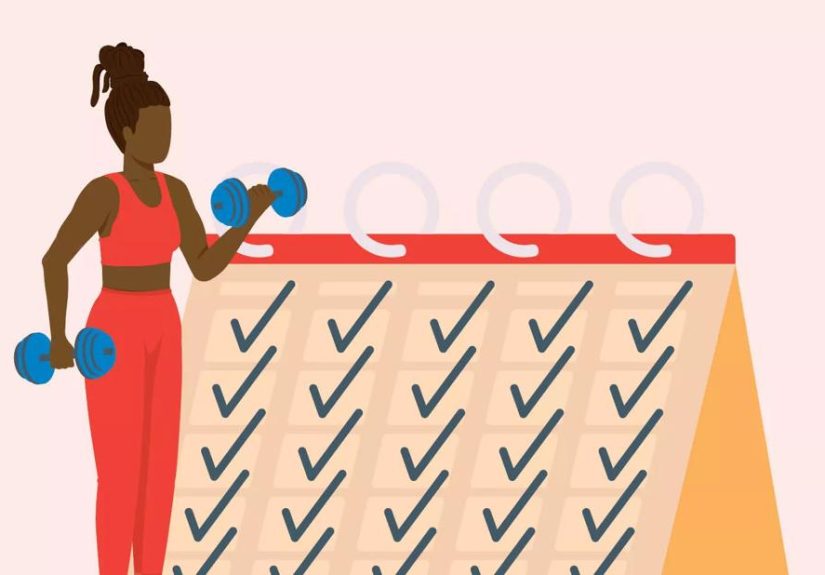
Use a checklist, notes app, or paper calendar. Do not build a NASA dashboard for a walking routine.
Plan for Busy Days
Have backup workouts, easy meal ideas, and a water bottle you actually like using. Convenience matters more than motivation on hard days.
Protect Your Sleep
Many people obsess over workouts and forget that sleep is where recovery happens. If the challenge makes you stay up later just to finish tasks, your “healthy reset” may need a reset of its own.
Think Identity, Not Just Tasks
Instead of saying, “I have to complete my challenge today,” try thinking, “I am becoming someone who takes care of myself consistently.” It sounds subtle, but it can change everything.
Common Experiences People Report During the 75 Soft Challenge
One of the most interesting parts of the 75 Soft Challenge is how ordinary the experience looks from the outside and how meaningful it can feel from the inside. The first week is usually the most awkward. People often start out energized, color-code a tracker, buy a dramatic water bottle, and act like this is the beginning of their wellness documentary. Then day four arrives. Suddenly, the reading feels easy, but the workout is inconvenient, the water feels endless, and dinner plans collide with the whole “eat well” idea. This is where the real experience begins.
By the second or third week, many people report that the challenge becomes less about motivation and more about rhythm. The daily walk starts feeling normal. Reading ten pages no longer seems like a chore. Drinking water becomes easier when it is tied to regular routines, like finishing one bottle by lunch and another by dinner. Instead of chasing a perfect day, people begin noticing that a decent day repeated often is surprisingly effective.
Another common experience is improved body awareness. Participants often say they become more aware of how different foods affect their energy, how movement changes their mood, and how sleep can make or break the next day. Some discover that their “afternoon slump” is really dehydration. Others realize they are not actually hungry at night; they are tired, stressed, or just professionally talented at standing near the pantry.
Emotionally, the challenge can be revealing. For some, it creates confidence because they are finally keeping promises to themselves. For others, it exposes perfectionism. Missing a workout or having a less-balanced meal may bring up frustration that feels bigger than the moment itself. That is not failure. That is information. It shows how easy it is to tie self-worth to performance, even in a wellness challenge that is supposed to be gentle.
Many people also describe a shift in what they count as success. At the beginning, they may focus on visible changes like weight, muscle tone, or bloating. By the middle or end, the wins often sound different: steadier energy, less mindless snacking, better mornings, fewer skipped workouts, more reading, and a stronger sense of control over daily choices. Those results may not be flashy, but they are the kind that tend to last.
Perhaps the most relatable experience is learning that healthy living is usually not glamorous. It is repeating simple things when nobody is clapping. It is going for a walk when the couch is making a very strong emotional argument. It is choosing a balanced lunch before a meeting. It is filling up the water bottle again. Over 75 days, those small decisions can add up to something bigger than a challenge: proof that consistency is often more powerful than intensity.
Final Thoughts on the 75 Soft Challenge
The 75 Soft Challenge is not magic, and that is actually its best feature. It does not rely on extremes. It works by nudging people toward habits that already make sense: move regularly, eat more intentionally, stay hydrated, read daily, and show up with more consistency than perfection.
If you use it as a flexible framework instead of a rigid performance test, it can be a genuinely useful reset. The goal is not to become flawless for 75 days. The goal is to practice a healthier lifestyle long enough that it starts to feel like yours.