Table of Contents >> Show >> Hide
- How to Decorate a Kitchen Island Without Creating Clutter
- 1. Create a Centerpiece With Fresh Flowers or Branches
- 2. Style a Decorative Tray With Everyday Essentials
- 3. Display Seasonal Fruit in a Statement Bowl
- 4. Grow a Small Kitchen Island Herb Garden
- 5. Turn Pendant Lighting Into Island Decor
- 6. Add Personality With Stylish Counter Stools
- 7. Showcase Attractive Kitchenware
- 8. Refresh the Island With Seasonal Accents
- Common Kitchen Island Decorating Mistakes to Avoid
- What Experience Taught Me About Styling a Kitchen Island
- Conclusion
- SEO Metadata
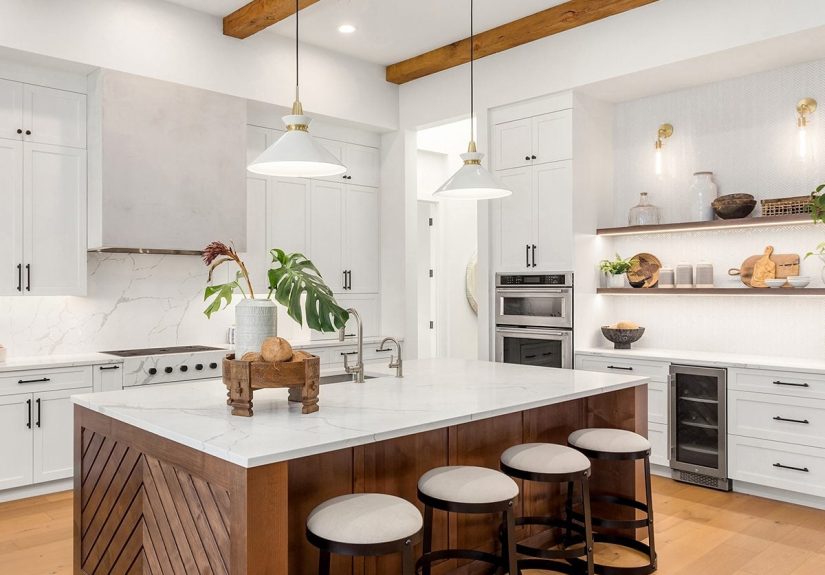
A kitchen island is more than a landing pad for grocery bags, unopened mail, and the one travel mug nobody remembers buying. In many homes, it is the visual center of the kitchena place where meals are prepared, coffee is served, homework is completed, and guests gather despite being politely invited to sit somewhere else.
The best kitchen island decor makes this hardworking surface feel warm and intentional without interfering with daily life. That means choosing attractive pieces that are appropriately scaled, easy to move, and preferably useful. A beautiful fruit bowl earns its countertop space. Seven tiny ceramic birds holding a permanent meeting beside the sink may not.
Whether your kitchen is modern, farmhouse-inspired, coastal, traditional, or cheerfully difficult to categorize, the following kitchen island decor ideas can help you create a stylish focal point while preserving valuable prep space.
How to Decorate a Kitchen Island Without Creating Clutter
Before shopping for vases, trays, or enough lemons to alarm the produce manager, consider how you actually use the island. A family that prepares dinner there every evening needs a different arrangement from someone whose island primarily functions as a breakfast bar.
Divide the surface into activity zones. Reserve one section for food preparation, another for seating, and a smaller central or end zone for decor. An island with a sink or cooktop usually benefits from a compact arrangement placed safely away from splashes, heat, and cooking utensils.
Use scale as your guide
A large island can support a substantial vase, sculptural bowl, or grouped display. On a small island, one low-profile piece may be enough. Decorations should look connected to the surface rather than stranded in the middle of it like passengers who missed their flight.
Keep important sightlines open
Low arrangements work well when people sit across from one another. Taller branches can create drama on an island used mainly for preparation, but they should not block conversation, pendant lighting, or the view into an adjoining room.
1. Create a Centerpiece With Fresh Flowers or Branches
Fresh flowers are among the easiest ways to introduce color, movement, and seasonal personality. A simple bouquet can soften stone countertops, stainless-steel appliances, and straight cabinet lines without requiring a kitchen makeover.
Match the arrangement to the scale of the island. A compact vase of tulips or garden roses suits a smaller surface. On a long island, try an oversized ceramic vessel filled with olive branches, magnolia leaves, or eucalyptus. Tall branches attract the eye upward and can help connect the island visually with pendant lights or a high ceiling.
Choose the right vessel
Clear glass feels light and contemporary, while stoneware, terracotta, or an aged metal pitcher brings warmth to a rustic kitchen. A sculptural white vase is especially effective in a colorful room because it gives the eye a quiet place to rest.
Keep fragrant flowers away from uncovered food, and choose arrangements that do not shed excessively. Flowers should make breakfast prettier, not add mysterious petals to the scrambled eggs.
2. Style a Decorative Tray With Everyday Essentials
A tray is the peace treaty between decoration and practicality. It gathers several small objects into one organized composition and allows the entire arrangement to be moved when you need additional workspace.
Build a useful kitchen island vignette with a small plant, salt and pepper mills, a bottle of olive oil, and a ceramic container for frequently used utensils. Vary the heights and materials: pair warm wood with glass, glossy ceramic with woven fiber, or dark metal with pale stone.
Follow a simple grouping formula
Start with one tall item, one medium item, and one low item. For example, combine a vase of herbs, a lidded jar, and a shallow bowl. Odd-numbered groups often look relaxed and balanced, but the rule is a helpful starting point rather than a decorating law enforced by countertop police.
Round trays soften rectangular islands, while long trays complement narrow surfaces. Leave open space around the tray so the arrangement appears deliberate and the countertop remains easy to clean.
3. Display Seasonal Fruit in a Statement Bowl
A fruit display offers color, texture, and function in one pleasantly edible package. A wide wooden bowl filled with green apples feels fresh and organic. A footed ceramic bowl of lemons adds sunny color to a white or blue kitchen, while pears, figs, or pomegranates create a richer fall palette.
For a polished look, limit the display to one or two types of produce. A controlled color story reads as decor; a crowded mixture can resemble the aftermath of unloading groceries. Choose fruit that can safely remain at room temperature, check it regularly, and avoid overfilling the bowl.
Let the bowl contribute to the design
The container should be attractive even when nearly empty. Consider carved wood for warmth, black metal for contrast, hand-thrown pottery for character, or clear glass for a lighter effect. A vintage dough bowl can make an especially striking centerpiece on a farmhouse kitchen island.
You can also layer the display on a cutting board with a small vase or herb pot. This creates a cohesive arrangement and adds another material without using much additional space.
4. Grow a Small Kitchen Island Herb Garden
Potted herbs bring living color into the kitchen and keep useful ingredients within reach. Basil, parsley, thyme, rosemary, mint, and chives can form an attractive miniature garden, provided the island receives sufficient natural light.
Use matching pots for a tailored appearance or mix compatible vintage containers for a collected look. Place the pots in a shallow waterproof tray to protect the countertop from moisture and soil. If sunlight is limited, rotate the plants to a brighter window or use realistic artificial greenery when maintaining another living thing feels overly ambitious.
Keep the arrangement compact
Three small pots usually create more impact than a scattered collection of tiny containers. Select herbs with different leaf shapes and heights, and label them with simple wooden or metal markers. The display will feel intentional while making it easier to distinguish parsley from cilantro before dinner takes an unexpected turn.
Keep plants away from cooktop flames and areas where raw meat is prepared. Healthy greenery is lovely; compromising food safety for a photogenic basil plant is less charming.
5. Turn Pendant Lighting Into Island Decor
Kitchen island lighting performs two jobs: it illuminates the work surface and decorates the room from above. Because pendants do not consume countertop space, they are particularly valuable in smaller kitchens.
Choose fixtures that complement the kitchen without copying every finish exactly. Woven rattan shades introduce warmth to a white kitchen. Clear glass pendants maintain an open feeling, while aged brass, matte black, or sculptural plaster fixtures can provide stronger contrast.
Match lighting to the island’s proportions
Two or three medium pendants often suit a long rectangular island, while one linear chandelier can create a streamlined focal point. Fixtures should be large enough to hold their own visually but not so oversized that the kitchen begins to resemble a lighting showroom with a refrigerator.
Install dimmers when possible. Bright task lighting helps with chopping and cleanup, while softer light creates a relaxed atmosphere for dinner, drinks, or late-night conversations. Ensure fixtures are positioned high enough to preserve sightlines and prevent accidental head bumps.
6. Add Personality With Stylish Counter Stools
Counter stools are part furniture and part kitchen island decor. Their shape, color, and material can change the mood of the room even when the countertop remains completely clear.
Leather stools add warmth and age gracefully. Woven seats provide casual texture, upholstered stools make longer meals more comfortable, and slim metal designs work well in modern or industrial kitchens. In an otherwise neutral room, painted stools offer an easy opportunity to introduce blue, green, rust, or another accent color.
Balance comfort, clearance, and cleanup
Select stools designed for the height of your counter and leave enough space for knees and movement. Backless styles can tuck neatly beneath the overhang, which helps maintain an open walkway. Stools with backs offer more support but remain visually prominent even when not in use.
For homes with young children or enthusiastic spaghetti eaters, prioritize wipeable surfaces and stable frames. Beautiful cream upholstery has confidence, certainly, but it may not understand tomato sauce.
7. Showcase Attractive Kitchenware
Instead of buying objects that merely occupy space, decorate with kitchenware you already use. A stack of hand-glazed bowls, a sculptural cutting board, an enameled Dutch oven, or a handsome pitcher can make an island feel personal and practical.
Lean one or two wooden cutting boards against a raised ledge or arrange them flat beneath a fruit bowl. Place a frequently used cookbook on a wooden stand, provided it is safely away from splashes. A ceramic pitcher can hold flowers today and serve lemonade tomorrow.
Create a focused collection
Choose pieces that share a color, material, or purpose. A collection of blue-and-white pottery creates classic contrast, while earthy ceramics bring warmth to modern cabinetry. Copper cookware can introduce a subtle glow, especially when echoed by cabinet hardware or lighting.
Avoid displaying every attractive item at once. Rotating a few favorites keeps the island interesting and prevents it from becoming an open-air storage unit. Negative space is part of the arrangementit gives special pieces room to be noticed.
8. Refresh the Island With Seasonal Accents
Seasonal kitchen island decor keeps the room feeling current without requiring permanent changes. The most successful displays suggest the season through color and natural materials rather than surrounding the sink with an army of novelty figurines.
In spring, try tulips, budding branches, or a bowl of citrus. Summer arrangements can feature garden herbs, sunflowers, or colorful produce. For fall, use pears, pomegranates, small gourds, wheat, or dried foliage in warm earth tones. During winter, evergreen clippings, pinecones, and a simple bowl of oranges create a festive look that can last beyond the holidays.
Build a reusable seasonal system
Keep the foundational pieces neutral: one versatile tray, one attractive bowl, and one vase. Change only the contents as the seasons shift. This approach reduces storage needs, saves money, and produces a more consistent look.
Natural decorations generally feel more sophisticated than heavily themed accessories. They are also easier to remove when the season ends, unlike the decorative turkey that somehow remains on display until Valentine’s Day.
Common Kitchen Island Decorating Mistakes to Avoid
Covering too much of the work surface
Decor should support the way the kitchen functions. If everything must be relocated before you can make a sandwich, the arrangement is too large. Keep frequently used preparation areas open and place decorative pieces toward the center or at one end.
Using too many small objects
Numerous miniature accessories create visual noise and collect grease and dust. One substantial centerpiece or a tight group of two or three items generally looks more confident and is easier to maintain.
Ignoring the surrounding room
Island decor should connect with nearby finishes, lighting, stools, and cabinetry. Repeat one or two colors or materials, but avoid matching every element. A mix of coordinated finishes feels layered; perfect repetition can make the room look as though it arrived in one enormous box.
Forgetting cleaning and food preparation
Kitchen decorations must tolerate real life. Avoid delicate textiles beside a sink, open candles near cooking areas, and porous objects where spills frequently occur. Select washable, stable pieces and leave enough room to wipe the countertop properly.
What Experience Taught Me About Styling a Kitchen Island
My first attempt at decorating a kitchen island followed the familiar theory that if one attractive object was good, nine must be magnificent. I arranged cookbooks, candles, a plant, a fruit bowl, a wooden sign, and several jars across the counter. The display looked impressive for approximately eleven minutes. Then someone needed to prepare dinner.
Every object was moved to the dining table, where it remained until breakfast. At breakfast, the collection migrated to a chair. Within two days, my carefully styled island had become a traveling exhibition nobody wanted to host. That experience established the most valuable rule of kitchen island decor: the arrangement must be easier to live with than to admire.
I replaced the collection with a round wooden tray holding a small vase, a salt cellar, and a bottle of olive oil. The three pieces differed in height but shared warm, natural colors. More importantly, the entire arrangement could be lifted with one hand. The kitchen immediately felt calmer, and cleaning the counter stopped requiring a minor relocation project.
Scale was the second lesson. A tiny vase placed alone on a large island looked nervous and accidental. Replacing it with a wider ceramic vessel gave the room a stronger focal point. On a smaller island I helped style later, the opposite was true: a dramatic branch arrangement blocked conversation and competed with the pendant lights. A low bowl of green apples produced color without turning breakfast into a game of peekaboo.
I also learned that functional objects often create the most convincing decor. A beautiful cutting board develops character through use. A fruit bowl changes naturally throughout the week. Potted herbs add texture, fragrance, and dinner ingredients. These pieces belong in a kitchen, so the room feels personal rather than staged.
Seasonal decorating became easier once I stopped buying season-specific containers. A neutral stoneware vase can hold tulips in spring, leafy branches in summer, dried grasses in fall, and evergreen stems in winter. The same wooden bowl can display lemons, peaches, pears, or holiday ornaments. Changing the contents instead of the entire display saves storage space and prevents decorating fatigue.
Finally, I began evaluating the island from several viewpoints. An arrangement that looks balanced from the sink may appear awkward from the living room. I now walk around the island, sit on a stool, and check whether the display interrupts a sightline or crowds a place setting. This takes two minutes and catches most problems.
The best result rarely comes from adding one more accessory. It usually comes from removing the least useful one, adjusting the height of another, and leaving a generous section of countertop empty. A kitchen island should look inviting even while it is working. If it survives meal preparation, coffee spills, grocery unloading, and an unexpected pizza box, the decor has truly earned its place.
Conclusion
Successful kitchen island decor combines visual appeal with everyday usefulness. Fresh flowers, seasonal fruit, compact herb gardens, attractive trays, statement lighting, comfortable stools, and beautiful kitchenware can all transform the island without sacrificing valuable workspace.
Begin with one idea, adjust it to the size and function of your island, and resist the temptation to fill every empty inch. The goal is not to create a museum exhibit in the middle of the kitchen. It is to make the hardest-working surface in the room feel welcoming, organized, and unmistakably yours.