Table of Contents >> Show >> Hide
- Why Breakouts Love the Mouth Area
- Common Causes of Acne Around the Mouth
- 1) Hormones (AKA: the chin’s favorite hobby)
- 2) Friction + occlusion (maskne, chin straps, instruments)
- 3) Lip products, heavy moisturizers, and makeup
- 4) Toothpaste and dental products (irritation matters)
- 5) Shaving, waxing, and ingrown hairs
- 6) Topical steroids (the “it helped… then it got worse” trap)
- 7) Diet and lifestyle factors (helpful, but not magical)
- Is It Acne or Perioral Dermatitis? (They’re Cousins, Not Twins)
- How to Treat Acne Around the Mouth (Without Starting a Skin War)
- Prevention: Keep the Mouth Area Clear (Without Living Like a Monk)
- When to See a Dermatologist
- Quick FAQs
- Conclusion
- Real-World Experiences: What People Learn the Hard Way (So You Don’t Have To)
Acne around the mouth is the skincare equivalent of a pop quiz: it shows up with zero notice, right when you have plans, and it always feels personal. The good news? Most mouth-area breakouts are explainable (and treatable) once you know what’s actually triggering themfriction, hormones, products, irritation, or sometimes a sneaky look-alike rash that isn’t “classic acne” at all.
This guide breaks down what causes chin and mouth acne, how to treat it safely (without nuking your skin barrier), and how to prevent it from coming back like an uninvited party guest. Quick note: This is general education, not personalized medical adviceif your skin is painful, scarring, or not improving, a dermatologist is your best teammate.
Why Breakouts Love the Mouth Area
The skin around your mouth lives in a busy neighborhood. It deals with saliva, food oils, constant movement (talking, chewing, laughingrude), and a parade of products like toothpaste, lip balm, makeup, sunscreen, and masks. Add friction and occlusion (things rubbing + trapping heat and sweat), and your pores can clog fast.
Also, the lower faceespecially the chin and jawlinetends to be a hotspot for deeper, more hormonal-leaning breakouts in adults. That’s why the “why here?” question often has more than one right answer.
Common Causes of Acne Around the Mouth
1) Hormones (AKA: the chin’s favorite hobby)
Hormonal shifts can increase oil production and inflammation, setting the stage for clogged pores and tender pimplesoften along the chin, jawline, and mouth area. This pattern is common in adult acne, especially for women, where treatments may include options like certain birth control pills or spironolactone when appropriate and prescribed.
Clue it’s hormonal-ish: breakouts that flare before your period, form deeper “under-the-skin” bumps, or keep returning in the exact same lower-face zones.
2) Friction + occlusion (maskne, chin straps, instruments)
If something regularly rubs your lower facemasks, helmet straps, musical instruments, sports gearyour hair follicles can get irritated and inflamed. This is often called acne mechanica, and it can look like clusters of bumps exactly where the friction happens.
Clue it’s friction-related: the breakout maps perfectly to where the mask edge sits, or you notice it after long wear days, workouts, or hot/humid conditions.
3) Lip products, heavy moisturizers, and makeup
Some balms, oils, thick creams, and long-wear makeup can be too occlusive for the mouth areaespecially if they migrate outside the lip line (they do; gravity is undefeated). If pores clog easily, products labeled non-comedogenic can be a safer bet.
Clue it’s product-related: breakouts started after a “new holy grail balm,” a heavier night cream, or a new foundation that somehow “only breaks me out… right here.”
4) Toothpaste and dental products (irritation matters)
For some people, toothpaste ingredientsflavorings, foaming agents, or other irritantscan inflame the skin around the mouth. This can worsen true acne in sensitive skin, and it’s also commonly discussed in relation to perioral dermatitis (a rash that can mimic acne). If you suspect toothpaste, a simple experiment is switching to a gentler formula and rinsing thoroughly after brushing.
5) Shaving, waxing, and ingrown hairs
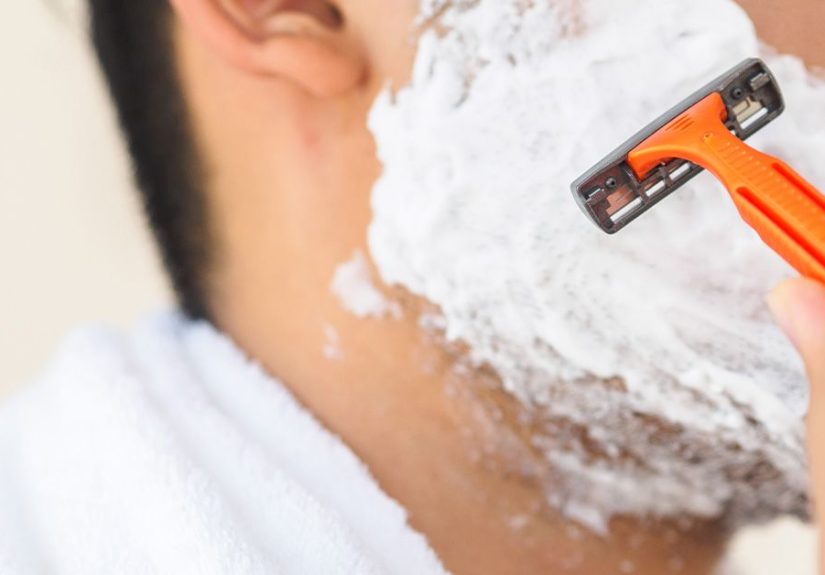
Beard-area bumps may be acne, folliculitis, or ingrown hairssometimes all three in a messy little group project. Shaving too closely, dull blades, and heavy aftershaves can inflame follicles around the mouth and chin.
6) Topical steroids (the “it helped… then it got worse” trap)
Using steroid creams on the faceespecially around the mouthcan trigger or worsen a rash that looks like acne. Even if it reduces redness short-term, rebound flares can happen when you stop. If you’ve been using steroid creams near your mouth and now have clusters of tiny bumps and irritation, keep readingthe next section matters.
7) Diet and lifestyle factors (helpful, but not magical)
Diet isn’t the sole cause of acne, but research suggests high-glycemic patterns (lots of rapidly absorbed carbs) may modestly worsen acne for some people. Dairy may also be a trigger in certain groups. Translation: you don’t need to live on kale and regretbut if you notice consistent flares after specific foods, it’s reasonable to test small changes for a few weeks.
Stress and sleep don’t “cause” acne in a single dramatic moment, but they can influence inflammation and habits (touching/picking), which absolutely can worsen breakouts.
Is It Acne or Perioral Dermatitis? (They’re Cousins, Not Twins)
Here’s the plot twist: not every bump around the mouth is acne. A common acne look-alike is perioral dermatitisan inflammatory rash that often appears as small red bumps (sometimes with mild scaling) around the mouth, and sometimes around the nose or eyes.
How they usually differ
- Acne often includes blackheads/whiteheads (comedones), pimples, or deeper nodules; may be oily; may scar if severe.
- Perioral dermatitis often looks like clusters of tiny bumps with redness, burning, or itch; may spare the lip border; often worsens with topical steroids and heavy creams.
Why it matters: acne treatments like strong acids and aggressive spot treatments can irritate perioral dermatitis, while steroid creams can make perioral dermatitis worse long-term. If you suspect perioral dermatitis, a clinician can confirm and guide treatment safely.
How to Treat Acne Around the Mouth (Without Starting a Skin War)
Step 1: Do a “gentle reset” for 10–14 days
Before you add five new actives and declare battle, simplify. The mouth area gets irritated easily, and irritation can look like “more acne.” For two weeks, aim for:
- A mild, fragrance-free cleanser
- A light, non-comedogenic moisturizer (yes, even if you’re oily)
- Daily sunscreen (mouth-area irritation is not improved by sun damage)
- Stop harsh scrubs and alcohol-heavy toners
During the reset, stop any new lip products or heavy creams that might be creeping off your lips.
Step 2: Choose OTC ingredients that actually work
Benzoyl peroxide (BP)
Benzoyl peroxide fights acne-causing bacteria and helps reduce inflammation. If you’re new to it, starting lower (like 2.5%) can reduce irritation while still being effective. Use it as a thin layer or targeted spot treatmentcarefully avoiding the lips and corners of the mouth (those areas get cranky fast).
Pro tips: BP can bleach fabric, so your favorite towel may become “vintage” overnight. Also, store BP products as directed and check expiration dates; FDA testing has led to voluntary recalls of a small number of products due to benzene findings, so it’s smart to avoid storing them in high heat (like a hot car).
Adapalene (a topical retinoid)
Topical retinoids help prevent clogged pores and can improve acne over time. Over-the-counter adapalene is a common entry point. Start slow: 2–3 nights a week, a pea-sized amount for the whole face (or lower face), then increase as tolerated. Moisturizer can help buffer irritation.
Reality check: retinoids are not overnight magic. Many people see meaningful improvement in 8–12 weeks. Consistency beats drama.
Salicylic acid
Salicylic acid helps unclog pores and can be useful for blackheads and small bumps. It’s often found in cleansers or leave-on products. If your mouth area is sensitive, consider using it a few times per week rather than daily.
Azelaic acid (a sensitive-skin favorite)
Azelaic acid can help with acne and post-acne marks and is often better tolerated than stronger acids for some skin types. It can be a good option if you’re prone to redness or irritation.
Step 3: If OTC isn’t enough, prescription options can level up results
If you’ve been consistent for 8–12 weeks and you’re still breaking out around the mouth, a clinician may suggest:
- Prescription retinoids (like tretinoin or tazarotene) for stronger pore-unclogging power
- Topical antibiotics (often paired with benzoyl peroxide to reduce resistance)
- Oral antibiotics (short-term) for more inflammatory acne
- Hormonal therapy (e.g., certain birth control pills or spironolactone) for hormonally driven acne in women
- Other options like clascoterone or isotretinoin for select cases, depending on severity
Important: if you’re pregnant, trying to become pregnant, or breastfeeding, ask your clinician before using retinoids or certain oral medications. Safety varies a lot by ingredient.
Step 4: If it’s perioral dermatitis, treat it differently
If your “acne” around the mouth is actually perioral dermatitis, a typical plan often includes:
- Stopping topical steroids on the face (with medical guidance if needed)
- Cutting back to gentle, fragrance-free skincare
- Avoiding heavy face creams and potential irritants
- Prescription topicals (often antibiotic or anti-inflammatory options) and sometimes oral antibiotics for several weeks
Because perioral dermatitis can worsen when you “throw everything at it,” getting a clear diagnosis is worth it.
Prevention: Keep the Mouth Area Clear (Without Living Like a Monk)
Upgrade your product habits
- Use non-comedogenic makeup and moisturizer when possible
- Keep lip balm mostly on the lipswipe the skin just outside the lip line if products migrate
- Remove makeup fully at night (mouth corners love leftover foundation)
Maskne prevention (if masks are part of your life)
- Wear clean masks; wash reusable ones with gentle, fragrance-free detergent
- Use a light moisturizer to reduce friction (think: slip, not grease)
- Avoid heavy makeup under the mask
- Take mask breaks when safe and appropriate
Toothpaste strategy
- Rinse thoroughly after brushing and wash residue off the skin around your mouth
- If you suspect irritation, trial a gentler toothpaste for a few weeks
Hands off, phone off (your face)
- Try not to rest your chin in your hand
- Clean your phone screen regularly
- Change pillowcases often if you’re acne-prone
When to See a Dermatologist
Consider professional help if:
- You have painful cysts, nodules, or signs of scarring
- Your breakout doesn’t improve after 8–12 weeks of consistent treatment
- You suspect perioral dermatitis (burning/itching, tiny clustered bumps, steroid history)
- You’re pregnant/trying to conceive and need a safe plan
- Your acne is affecting your confidence or mental well-being (that counts)
Quick FAQs
Does toothpaste cause acne around the mouth?
It can irritate the skin in some people and may worsen breakouts or trigger perioral dermatitis-like flares. If you notice a pattern, switching toothpaste and rinsing thoroughly is a reasonable experiment.
What’s the best spot treatment for mouth-area pimples?
Often, a low-strength benzoyl peroxide spot treatment used carefully (not on the lips) is a solid option. If you’re very sensitive, azelaic acid may be gentler.
Should I pop it?
If you enjoy inflammation, slow healing, and surprise dark marks, yes. Otherwise: no. A hydrocolloid patch can help protect the area and reduce picking temptation.
How long until treatments work?
OTC acne treatments typically need consistency for weeks. Retinoids often take 8–12 weeks for noticeable improvement. If you’re seeing zero progress after that window, it’s time to adjust the plan.
Conclusion
Acne around the mouth is usually a mix of predictable culprits: hormones, friction (hello, maskne), pore-clogging products, shaving irritation, or an acne look-alike like perioral dermatitis. The winning approach is rarely “more products, faster.” It’s usually: simplify, treat steadily with proven ingredients, protect your skin barrier, and identify triggers that keep re-starting the cycle.
And remember: your skin is not a moral scoreboard. If your chin breaks out before a big event, it’s not a sign from the universe. It’s just biology… with terrible timing.
Real-World Experiences: What People Learn the Hard Way (So You Don’t Have To)
Experience #1: “It’s always my toothpaste… until it isn’t.”
A common story: someone gets small bumps around the mouth and immediately suspects toothpaste. They switch brands andsurpriseit improves. But then it comes back a month later. What happened? Often, toothpaste was one irritant, but not the whole plot. The real trigger was a combo: toothpaste residue + heavy night cream that migrated off the lips + a habit of wiping their mouth with a sleeve after lunch (friction + bacteria transfer). The takeaway: if switching toothpaste helps, keep the winbut also look at what else touches the area daily.
Experience #2: “I spot-treated so hard I invented a new continent of dryness.”
Mouth-area skin can be sensitive, and a lot of people learn this after going full action-hero with strong acids or multiple spot treatments layered at once. The result isn’t “faster clearing.” It’s irritation: peeling at the corners of the mouth, redness, and bumps that look like more acne. The fix is almost always boring (and therefore effective): pause the actives for a week, moisturize, then restart with one active at a lower frequency. If you want to be extra strategic, apply petroleum jelly to the corners of the mouth before actives to protect themlike setting up tiny “do not enter” signs for irritation.
Experience #3: “Maskne didn’t care that my skincare was expensive.”
People who never struggled with acne sometimes get mouth-and-chin breakouts during long stretches of mask wearing. They try to “clean it harder,” which can backfire. The routine that tends to work better is friction management: clean mask, gentle cleanser, light moisturizer, and a single acne active (like benzoyl peroxide or adapalene) used consistently. Another real-world trick: if you wear makeup, keep it minimal under the mask. Long-wear foundation plus heat and humidity is basically a spa day for clogged pores (sadly, your pores are the guests of honor).
Experience #4: “It wasn’t acne. It was perioral dermatitis… and steroid cream made it worse.”
This one is incredibly common: someone sees redness and bumps around the mouth and uses a steroid cream to calm it. The rash improvesbrieflythen returns worse, and the cycle repeats. When they finally stop the steroid, it can flare again (rebound), which feels like proof they “need” it. But perioral dermatitis often requires a different plan entirely: gentle skincare, removing triggers, and sometimes prescription treatment. If your mouth-area bumps burn, itch, or form tight clusters with redness, especially with a history of steroid use, consider getting it checked. Getting the diagnosis right can save months of frustration.
Experience #5: “My chin acne was hormonal, so my routine needed a hormonal teammate.”
Plenty of adults do everything “right” topicallygentle cleanser, retinoid, benzoyl peroxide, sunscreenand still get deep chin breakouts on a schedule. In those cases, topical care helps, but it may not fully address the internal driver. Under medical supervision, hormonal approaches (like certain birth control pills or spironolactone for women) can be the missing piece. The real-life lesson here is empowering: stubborn chin acne isn’t a character flaw or proof you’re “bad at skincare.” Sometimes it’s simply a signal that the treatment plan needs to match the cause.
Experience #6: “The best prevention was the least dramatic habit change.”
The most consistent prevention wins people report are boring: rinsing well after brushing, keeping lip balm on the lips (not the surrounding skin), washing reusable masks, cleaning the phone screen, and not picking. None of these are glamorous. All of them add up. If you want a simple starting point, pick one prevention habit you can actually stick to for 30 days. Skincare rewards consistency more than intensitykind of like going to the gym, except your face can’t pretend it “likes leg day.”