Table of Contents >> Show >> Hide
- What Diabetes Stigma Looks Like (Spoiler: It’s Everywhere)
- Why Stigma Sticks Around (Even When We Know Better)
- The Hidden Cost: Stigma Can Hurt Health
- How Advocates Are Fighting Back
- 1) “Language matters” (because words steer the whole conversation)
- 2) Public myth-busting (with facts, humor, and real-life faces)
- 3) Changing healthcare culture (starting in the exam room)
- 4) Policy and legal advocacy (because respect should be enforceable)
- 5) Community support (the antidote to isolation)
- What You Can Do Today to Reduce Diabetes Stigma
- Why This Movement Matters Right Now
- Experiences From the Front Lines of Stigma (and How Advocates Flip the Script)
- Conclusion
Diabetes already asks a lot: numbers, needles, sensors, snacks you pack “just in case,” and a mental math problem you never assigned yourself.
The last thing anyone needs is the added burden of judgmentthe side-eye at a restaurant, the office “wellness expert” who thinks cinnamon is a cure,
or the casual comment that turns a medical condition into a moral failing.
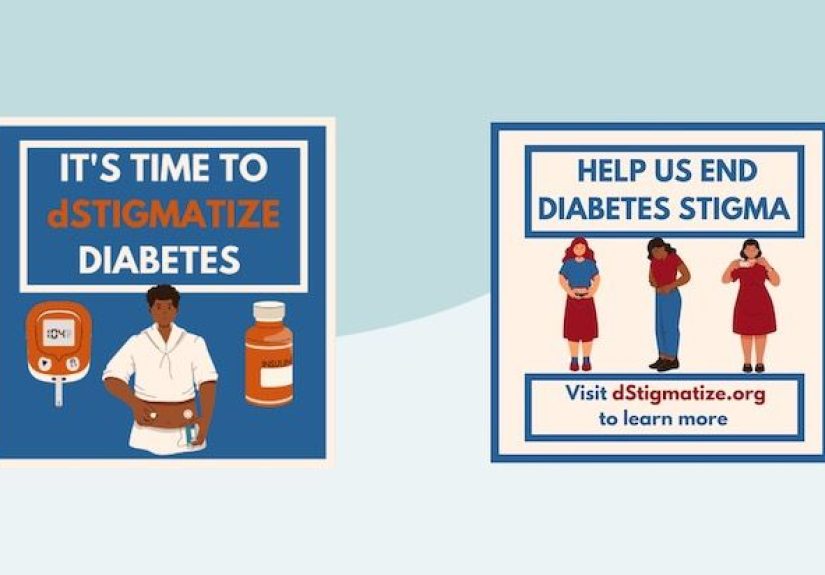
That pile-on has a name: diabetes stigma. And across the U.S., advocatespeople living with diabetes, clinicians, educators, researchers,
and community organizationsare pushing back hard. They’re changing language, correcting myths, calling out discrimination, and building a culture that treats
diabetes like what it is: a health condition, not a personality flaw.
What Diabetes Stigma Looks Like (Spoiler: It’s Everywhere)
Diabetes stigma is the negative social judgment that can show up as blame (“You did this to yourself”), stereotypes (“All you can eat is salad, right?”),
or straight-up discrimination (being denied accommodations at school or treated unfairly at work).
It can happen in families, classrooms, workplaces, doctor’s offices, and even online comment sectionswhere medical degrees are apparently earned in the time it takes to type,
“Just stop eating sugar.”
Two kinds of stigma: outside and inside
- External stigma: Comments, jokes, assumptions, exclusion, or unfair treatment from other people or institutions.
- Internalized stigma: When repeated judgment gets under your skin and turns into shame, self-blame, or hiding your condition.
Advocates emphasize that stigma isn’t just “hurt feelings.” It can change behaviorlike skipping glucose checks in public, hiding devices, avoiding medical appointments,
or not asking for support. In other words, stigma can push people away from the very tools that help them stay healthy.
Why Stigma Sticks Around (Even When We Know Better)
Stigma survives because diabetes is often misunderstood. Many people still treat “diabetes” as one simple thing instead of a family of conditions with different causes and treatments.
Type 1 diabetes is an autoimmune condition where the body makes little or no insulin. Type 2 diabetes involves insulin resistance and multiple contributing factors, including genetics,
environment, and social determinants of healthnot a single “bad choice.” Gestational diabetes happens during pregnancy and carries risks that deserve support, not commentary.
The myth machine: how misinformation fuels blame
A few common myths do a lot of damage:
- “Only people who eat sugar get diabetes.” (Nope. Diet can play a role in type 2 risk, but it’s not a one-food villain story.)
- “Type 1 is the ‘bad’ kind and type 2 is the ‘easy’ kind.” (Both can be serious. Comparing suffering isn’t a sport.)
- “If you need insulin, you failed.” (Insulin is a treatmentusing it is healthcare, not defeat.)
- “Diabetes devices are ‘for attention.’” (A continuous glucose monitor or pump is medical tech, not a fashion statement.)
Advocates point out another layer: diabetes stigma often overlaps with weight stigma. People with type 2 diabetes in particular can face extra blame,
as if a complex metabolic condition is a courtroom trial and everyone else is the jury.
The Hidden Cost: Stigma Can Hurt Health
When someone is judged for their condition, it can increase stress, reduce trust in healthcare, and make daily management harder.
Research increasingly links diabetes stigma with poorer psychosocial well-being and barriers to self-care.
Stigma can also show up in clinical settings through rushed assumptions, shaming language, or labels like “noncompliant”a word that basically translates to:
“You didn’t do what I wanted, so I’m done being curious.”
Why “just try harder” isn’t a treatment plan
Diabetes management is demanding. Blood glucose is influenced by food, activity, sleep, stress, hormones, illness, medications, and sometimes the mysterious forces of the universe
(okay, it just feels that way). When care conversations are reduced to blame, people are less likely to feel safe enough to ask questions,
admit struggles, or show up consistently.
That’s why stigma is now being treated as a genuine barrier to good outcomessomething advocates want addressed as seriously as any other obstacle to care.
How Advocates Are Fighting Back
The anti-stigma movement isn’t a single campaignit’s a toolbox. Advocates use education, media accountability, health-system change, peer support,
and policy action. The goal is simple: fewer misconceptions, more respect, better health.
1) “Language matters” (because words steer the whole conversation)
One of the most practicaland surprisingly powerfulfronts is language. National diabetes organizations and professional groups have urged a shift toward
person-first, strengths-based communication. That means:
- Say “person with diabetes” instead of “a diabetic”.
- Avoid labels like “noncompliant” and try “having trouble with…” or “barriers include…”.
- Swap shamey talk (“poor control,” “cheating,” “bad numbers”) for neutral language (“out of range,” “higher than target,” “let’s problem-solve”).
- Use curiosity: “What’s making this hard right now?” beats “Why aren’t you doing it?” every time.
Advocates like this approach because it’s not about being “politically correct.” It’s about being clinically effective.
Respect builds trust. Trust improves communication. Better communication improves decisions and follow-through.
2) Public myth-busting (with facts, humor, and real-life faces)
Diabetes advocates have also leaned into public educationsometimes with a serious tone, sometimes with humor, because humor can disarm a stubborn myth faster than a thousand lectures.
Campaigns and storytelling projects highlight what living with diabetes actually looks like: counting carbs, treating lows, navigating devices,
or explaining (again) that you can’t “catch diabetes” like a cold.
Recently, advocates have teamed up with well-known public figures living with diabetes to challenge misconceptions in pop culture.
The message is consistent: diabetes doesn’t cancel someone’s talent, ambition, or joy. It just adds a few extra stepslike being your own pancreas’s supervisor.
3) Changing healthcare culture (starting in the exam room)
Many advocates focus on healthcare settings because clinical interactions carry extra weight.
Providers often don’t intend to stigmatizebut pressure, time limits, and outdated habits can lead to language that feels judgmental.
Training initiatives encourage clinicians to:
- Ask permission before offering advice (“Would it be okay if we talked about…”).
- Focus on collaborative goals rather than “perfect” numbers.
- Recognize diabetes distress and burnout as commonand treatableparts of living with diabetes.
- Address social realities (food access, cost of supplies, work schedules) instead of assuming motivation is the issue.
Advocates also push health systems to improve signage, intake forms, and electronic health record language so that stigma doesn’t become “official paperwork.”
(Because nothing says “support” like a chart note that reads: “Patient failed.”)
4) Policy and legal advocacy (because respect should be enforceable)
Stigma can become discrimination when people are denied fair access to school, work, or public life.
U.S. advocacy groups have long worked on “know your rights” education, helping families and employees understand reasonable accommodations,
protections in schools, and steps to take when diabetes leads to unfair treatment.
The point isn’t to make everything a fight. It’s to make sure no one’s health needs become a reason they’re excludedor forced to choose between safety and staying employed.
5) Community support (the antidote to isolation)
Peer support is one of the strongest anti-stigma tools available. Online groups, local meetups, mentorship programs, and diabetes camps create spaces
where people don’t have to explain themselves from scratch. They can just… be.
These communities help normalize the everyday realities of diabetes management: carrying supplies, wearing devices, taking medication, treating lows,
and feeling frustrated sometimes. Advocates emphasize that normalizing is not minimizingit’s making life livable.
What You Can Do Today to Reduce Diabetes Stigma
You don’t need a megaphone or a nonprofit to help. Here are practical moves that matter:
For friends, family, coworkers, and the general public
- Drop the blame language. Replace “should” with “how can I support you?”
- Don’t comment on someone’s plate. Food is not a public performance review.
- Ask before giving advice. If your tip begins with “my cousin’s neighbor,” maybe pause.
- Learn the basics. Knowing the difference between type 1 and type 2 prevents a lot of accidental harm.
- Back people up. If someone makes a joke, you can be the person who says, “Not cool.”
For healthcare professionals and caregivers
- Use person-first language. It signals respect before the conversation even starts.
- Look for barriers, not “bad behavior.” Cost, stress, work hours, and access often drive outcomes.
- Screen for distress and burnout. Emotional health is part of diabetes care, not an optional bonus level.
- Celebrate effort. Reinforcing strengths builds momentum.
Why This Movement Matters Right Now
Diabetes affects millions of people in the United States, and the numbers continue to shape public health conversations.
But advocates argue the conversation can’t be only about prevalence, costs, or riskbecause diabetes is lived one day at a time.
If stigma makes people hide, delay care, or feel unsupported, we’re adding an unnecessary obstacle to an already demanding condition.
The anti-stigma movement is essentially a push for better problem-solving: better information, better communication, better systems,
and better empathy. The goal is not to pretend diabetes is easy. The goal is to stop making it harder with judgment.
Experiences From the Front Lines of Stigma (and How Advocates Flip the Script)
The stories below are composite examples based on common themes shared in diabetes communities and advocacy work.
They’re not quotes from one specific personbecause stigma is so common that it rarely belongs to just one voice.
1) The “You can’t eat that” moment
A college student with type 1 diabetes is standing in line for lunch, grabbing a sandwich and a piece of fruit. A classmate squints and says,
“Wait… you have diabetes. Should you be eating bread?” The student has two choices: give a ten-minute lecture on carbs, insulin dosing,
and how the pancreas would love to take this shift but called out sick foreveror make it quick.
Advocates often teach a simple response that protects dignity without starting a debate:
“Diabetes doesn’t mean ‘no carbs.’ It means I manage carbs with medication.”
Then they pivot: “Anyway, how was your weekend?” Because sometimes the best boundary is moving on.
2) The “What did you do?” diagnosis reaction
A middle-aged dad is diagnosed with type 2 diabetes. He tells a friend, who immediately replies, “Oh man… were you eating a lot of junk?”
The dad hears what’s underneath: blame. Even if the friend didn’t mean it that way, it lands like a finger-point.
That’s the thing about stigmaintent doesn’t erase impact.
Diabetes advocates encourage reframing the moment:
“Type 2 diabetes has a lot of causesgenetics, stress, environment, access to healthcare. I’m focusing on treatment now.”
This shifts the conversation from a trial to a plan.
3) The workplace “accommodation” that feels like a confession
An employee wears a continuous glucose monitor. In a meeting, their phone buzzes with a low-glucose alert. They step out to treat it and return,
only to hear: “Everything okay? You’re not… you know… sick, right?” The implication is subtle but sharp: health needs are inconvenient.
Advocates push for workplaces to normalize diabetes care the same way we normalize water breaks:
a quick check, a fast snack, a return to work. Some employees keep a simple script:
“I have diabetesthis is a routine safety check. I’m good.”
The more matter-of-fact it is, the less room stigma has to grow.
4) The doctor’s office label that stings
A patient reads their visit summary and sees the word “noncompliant.” They did miss dosesbut because the prescription cost jumped,
and they were rationing supplies while waiting for their next paycheck. The label feels like being reduced to one word,
and that word is basically “bad.”
Advocacy in healthcare often looks like replacing labels with context:
“Medication access barrier due to cost; patient interested in lower-cost options.”
That one change turns shame into a solvable problem. It also protects the patient-provider relationship,
which is one of the strongest predictors of whether a person feels safe enough to return.
5) The parent who becomes an accidental educator
A parent sends their child to school with a diabetes care plan. A well-meaning adult says,
“We’ll just keep candy away from them.” The parent takes a deep breath and explains that candy can be a treatment for low blood sugar,
not a forbidden object. It’s a weird moment: having to argue that sugar can be medicine.
Advocates often recommend a two-part approach: (1) correct the myth, (2) offer a clear, simple action step:
“Please follow the care plan. If the device alarms, the nurse should check blood sugar right away.”
Education with a purpose beats education as a performance.
6) When stigma meets social media
Someone posts a photo showing their insulin pump or CGM and gets comments like, “If you just ate clean, you wouldn’t need that.”
Advocates increasingly respond with a mix of facts and boundary-setting humor:
“Thanks! My pancreas will be thrilled to hear it’s optional.”
Then they share a resource about diabetes myths or language.
The bigger win isn’t “winning the comments.” It’s signaling to everyone reading quietly:
you don’t have to accept misinformation as normal.
Conclusion
Advocates taking a stand against diabetes stigma are doing more than correcting misconceptionsthey’re redesigning how our culture talks about health.
They’re insisting on person-first language, pushing back on blame, demanding fair treatment in schools and workplaces,
and building communities where people feel seen instead of judged.
The message is refreshingly simple: Diabetes is hard enough. Let’s not add shame to the supply list.
When we replace stigma with understanding, we don’t just improve feelingswe improve care, connection, and outcomes.