Table of Contents >> Show >> Hide
- What Are Antioxidants?
- Health Benefits of Antioxidants
- Nutritional Information: Key Antioxidants and Food Sources
- Best Antioxidant-Rich Foods to Eat More Often
- Are Antioxidant Supplements Worth It?
- How to Build an Antioxidant-Rich Plate
- Common Myths About Antioxidants
- Practical Antioxidant Meal Ideas
- Real-Life Experiences With Antioxidant-Rich Eating
- Conclusion
- SEO Tags
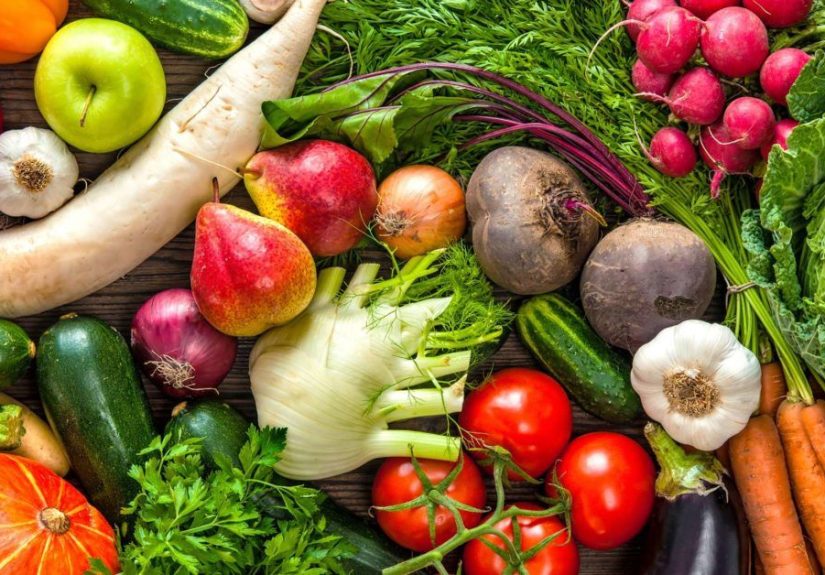
Antioxidants are the tiny nutritional bodyguards hiding in berries, leafy greens, nuts, beans, tea, citrus fruits, colorful vegetables, and even that square of dark chocolate you were hoping someone would officially approve. Good news: approved, with reasonable portions and no dramatic chocolate monologues required.
In simple terms, antioxidants are compounds that help protect cells from oxidative stress, a normal but sometimes excessive process linked with free radicals. Free radicals are unstable molecules produced during everyday metabolism and from outside exposures such as pollution, cigarette smoke, UV rays, and some chemicals. Your body can handle a certain amount of them. The problem starts when free radicals behave like a toddler with a permanent marker: energetic, chaotic, and not especially respectful of boundaries.
This guide explains what antioxidants do, the main health benefits, the best antioxidant-rich foods, key vitamins and minerals, supplement safety, and practical ways to build a colorful, nutrient-dense diet without turning your kitchen into a laboratory.
What Are Antioxidants?
Antioxidants are substances that help neutralize free radicals before they damage cells. They may be vitamins, minerals, or plant compounds known as phytochemicals. The most familiar antioxidants include vitamin C, vitamin E, beta-carotene, selenium, manganese, lutein, zeaxanthin, lycopene, flavonoids, anthocyanins, and polyphenols.
Your body produces some antioxidants on its own, but diet supplies many others. That is why nutrition experts keep repeating the same advice: eat more fruits and vegetables. It sounds almost too simple, like the wellness equivalent of “have you tried turning it off and on again?” But in this case, the basic advice is backed by decades of nutrition research.
Free Radicals vs. Oxidative Stress
Free radicals are not automatically villains. The body uses them in normal immune and cellular processes. The issue is balance. When free radical production overwhelms the body’s defense systems, oxidative stress can occur. Over time, oxidative stress may contribute to inflammation and cellular wear and tear associated with aging and chronic disease risk.
Antioxidants help maintain that balance. Think of them as the calm friend at brunch who says, “Maybe we do not need to order six desserts for three people.” Helpful, not magical.
Health Benefits of Antioxidants
Antioxidant-rich foods are associated with several areas of health because they usually come packaged with fiber, vitamins, minerals, water, and beneficial plant compounds. The key phrase is “foods,” not “mega-dose capsules.” A blueberry, spinach salad, or bowl of lentils brings a full nutritional team. A supplement often brings one isolated player wearing very expensive shoes.
1. Support for Heart Health
Many antioxidant-rich foods also support cardiovascular health. Berries, leafy greens, beans, whole grains, nuts, seeds, citrus fruits, and colorful vegetables provide fiber, potassium, magnesium, polyphenols, and other nutrients that help maintain healthy blood vessels and support balanced eating patterns.
Flavonoids, a family of plant compounds found in tea, berries, apples, citrus, cocoa, and many vegetables, are especially interesting for heart and brain health. Anthocyanins, the pigments that give blueberries, blackberries, cherries, purple cabbage, and red grapes their deep colors, are part of this group. In plain English: the more your plate looks like a paint sample wall, the better chance it has of delivering useful plant compounds.
2. Immune System Support
Vitamin C is one of the best-known dietary antioxidants. It supports normal immune function, helps the body make collagen, assists wound healing, and improves absorption of non-heme iron from plant foods. Good sources include oranges, grapefruit, strawberries, kiwi, bell peppers, broccoli, Brussels sprouts, tomatoes, and potatoes.
Vitamin E also contributes to immune health. It is a fat-soluble antioxidant found in almonds, sunflower seeds, hazelnuts, peanuts, spinach, avocado, wheat germ oil, and some fortified foods. Because vitamin E is fat-soluble, pairing vitamin E-rich foods with meals that include healthy fats is not hard. Almonds basically brought their own fat to the party.
3. Eye Health and Healthy Aging
Carotenoids such as lutein, zeaxanthin, beta-carotene, and lycopene are pigments found in colorful plant foods. Lutein and zeaxanthin are concentrated in the eyes and are associated with eye health. You can find them in spinach, kale, collard greens, peas, corn, eggs, and orange peppers.
Beta-carotene, found in carrots, sweet potatoes, pumpkin, cantaloupe, and leafy greens, can be converted into vitamin A. Vitamin A supports vision, immune function, and normal cell growth. Lycopene, the red pigment in tomatoes, watermelon, pink grapefruit, and guava, is another carotenoid often discussed for its antioxidant activity.
4. Skin and Collagen Support
Antioxidants are popular in skin care, but your fork matters too. Vitamin C supports collagen formation, while vitamin E and carotenoids help protect cell membranes and tissues from oxidative stress. This does not mean strawberries replace sunscreen. Please do not show up at the beach covered in smoothie confidence. Use sun protection, then enjoy antioxidant-rich foods as part of an overall healthy lifestyle.
5. Better Overall Diet Quality
One of the biggest benefits of antioxidant-rich eating is not one specific compound. It is the overall pattern. People who eat more fruits, vegetables, beans, whole grains, nuts, herbs, and spices tend to consume more fiber and micronutrients and less ultra-processed food. That shift can support digestion, satiety, blood sugar balance, and long-term wellness.
Nutritional Information: Key Antioxidants and Food Sources
There is no single “antioxidant score” that tells the full story of a food. Nutrition is more like an orchestra than a solo act. Vitamin C, fiber, potassium, polyphenols, and healthy fats all play different instruments, and thankfully none of them demands a backstage rider.
Vitamin C
Best food sources: citrus fruits, strawberries, kiwi, bell peppers, broccoli, Brussels sprouts, tomatoes, potatoes, and leafy greens.
Why it matters: Vitamin C supports collagen production, immune function, wound healing, and iron absorption. It is water-soluble, which means the body does not store large amounts. Regular food intake matters more than occasional heroic orange juice marathons.
Vitamin E
Best food sources: almonds, sunflower seeds, hazelnuts, peanuts, avocado, spinach, wheat germ oil, sunflower oil, and fortified cereals.
Why it matters: Vitamin E protects cell membranes from oxidative damage and supports immune function. Because it is fat-soluble, extremely high supplement doses may carry risks, so food sources are generally the safer everyday strategy.
Carotenoids
Best food sources: carrots, sweet potatoes, pumpkin, kale, spinach, collard greens, tomatoes, watermelon, red peppers, mango, and cantaloupe.
Why they matter: Carotenoids give plants yellow, orange, red, and deep green colors. Some support vitamin A status, while others are linked with eye and cellular health. Eating carotenoid-rich foods with a small amount of fat, such as olive oil or avocado, may improve absorption.
Selenium
Best food sources: Brazil nuts, tuna, sardines, salmon, eggs, turkey, chicken, brown rice, sunflower seeds, and whole grains.
Why it matters: Selenium is a trace mineral used in antioxidant enzymes. A little is essential; too much is not better. Brazil nuts are famous for selenium, but they are also the overachievers of the nut bowl. One or two can provide a lot.
Polyphenols and Flavonoids
Best food sources: berries, apples, grapes, cherries, tea, coffee, cocoa, herbs, spices, beans, nuts, olives, and colorful vegetables.
Why they matter: Polyphenols are plant compounds with antioxidant and anti-inflammatory activity. They are one reason nutrition professionals recommend variety. Blueberries are great, but they do not need to carry your entire wellness personality.
Best Antioxidant-Rich Foods to Eat More Often
The best antioxidant foods are usually whole or minimally processed plant foods. Fresh is wonderful, but frozen, canned, and dried options can also be nutritious when you choose versions without excess added sugar, sodium, or heavy sauces.
Berries
Blueberries, strawberries, raspberries, blackberries, and cranberries are rich in vitamin C, fiber, and polyphenols. Their deep colors often signal anthocyanins and other beneficial plant pigments. Add them to oatmeal, yogurt, smoothies, salads, or whole-grain pancakes.
Leafy Greens
Spinach, kale, collard greens, Swiss chard, arugula, and romaine lettuce bring vitamin K, folate, carotenoids, magnesium, and fiber. If plain kale feels too intense, massage it with olive oil and lemon juice. Yes, kale wants a spa treatment. Apparently, we all do.
Colorful Vegetables
Bell peppers, carrots, tomatoes, purple cabbage, broccoli, beets, winter squash, and sweet potatoes deliver vitamin C, carotenoids, fiber, potassium, and other phytonutrients. Roasting vegetables can make them sweeter and easier to love, especially for people who still have emotional flashbacks to boiled broccoli.
Beans and Lentils
Black beans, kidney beans, lentils, chickpeas, and split peas provide fiber, protein, minerals, and polyphenols. They are budget-friendly, shelf-stable, and extremely patient. A can of beans will wait for you longer than most houseplants.
Nuts and Seeds
Almonds, walnuts, sunflower seeds, chia seeds, flaxseeds, pumpkin seeds, and pistachios provide vitamin E, healthy fats, minerals, and plant compounds. Portions matter because nuts are calorie-dense, but a small handful can upgrade snacks and meals quickly.
Tea, Coffee, Herbs, and Spices
Green tea, black tea, coffee, cinnamon, turmeric, oregano, rosemary, cloves, ginger, and parsley all contain antioxidant compounds. They are not replacements for fruits and vegetables, but they can add flavor and nutritional value without relying on excess salt or sugar.
Whole Grains
Oats, quinoa, brown rice, barley, farro, whole wheat, and buckwheat offer fiber, minerals, and phytochemicals. Whole grains are often overlooked in antioxidant conversations, but the outer layers of grains contain valuable plant compounds.
Are Antioxidant Supplements Worth It?
For most generally healthy people, antioxidant-rich foods are a better first choice than high-dose antioxidant supplements. This is not because supplements are “bad” in every situation. Some people need specific supplements for medical or nutritional reasons. The issue is that high doses of isolated antioxidants do not act exactly like antioxidants from whole foods.
Research has not consistently shown that antioxidant supplements prevent chronic disease in the general population. In some cases, high-dose supplements may be harmful. For example, high-dose beta-carotene supplements have been linked with increased lung cancer risk in people who smoke, and high-dose vitamin E may increase certain health risks. Supplements can also interact with medications.
The practical rule: do not self-prescribe mega-doses because a label uses the word “cellular.” Your cells are not impressed by marketing fonts. If you are pregnant, smoke, take medications, have cancer, have kidney disease, or manage a chronic condition, talk with a qualified healthcare professional before using antioxidant supplements.
How to Build an Antioxidant-Rich Plate
You do not need a complicated plan. Start with color, variety, and consistency.
Use the Half-Plate Rule
Fill about half your plate with fruits and vegetables. This simple visual cue helps increase fiber, vitamins, minerals, and phytonutrients without counting every molecule in dinner. Choose different colors across the week: green spinach, red tomatoes, orange carrots, purple cabbage, yellow peppers, and blue berries.
Pair Antioxidants With Protein and Healthy Fats
A balanced meal keeps you full longer. Try salmon with roasted broccoli and sweet potato, lentil soup with spinach and tomatoes, Greek yogurt with berries and walnuts, or tofu stir-fry with bell peppers and brown rice.
Make Snacks Work Harder
Swap low-nutrient snacks for antioxidant-rich options: apple slices with peanut butter, carrots with hummus, berries with yogurt, trail mix with nuts and dried fruit, or avocado on whole-grain toast. Snacks do not need to be perfect. They just need to stop being sad desk crackers every day.
Cook Smart, Not Fearfully
Some nutrients, such as vitamin C, can decrease with long cooking times. Other compounds, such as lycopene in tomatoes, may become more available after cooking. The takeaway is not to panic. Eat some produce raw, some cooked, and some conveniently frozen. A realistic diet beats a perfect diet you abandon by Wednesday.
Common Myths About Antioxidants
Myth 1: More Antioxidants Always Means Better Health
More is not always better. The body needs balance. Very high doses of certain antioxidant supplements may interfere with normal cell signaling or interact with treatments and medications. Food-based antioxidants are generally safer because they come in moderate amounts alongside other nutrients.
Myth 2: One Superfood Can Fix Everything
No single food cancels poor sleep, chronic stress, smoking, heavy alcohol intake, or a diet built mainly from drive-thru decisions. Blueberries are powerful, but they are not tiny blue attorneys who can negotiate with your lifestyle choices.
Myth 3: Fresh Produce Is Always Better Than Frozen
Frozen fruits and vegetables can be excellent choices because they are often picked and frozen near peak ripeness. They are convenient, affordable, and reduce food waste. Choose plain frozen produce without added sugar, salt, or creamy sauces most of the time.
Myth 4: Antioxidants Detox the Body
Your liver, kidneys, lungs, digestive tract, and skin already handle detoxification. Antioxidant-rich foods support normal body function, but they do not perform a dramatic “detox cleanse.” Be suspicious of any product that promises to remove vague toxins while charging luxury car-payment money.
Practical Antioxidant Meal Ideas
- Breakfast: Oatmeal with blueberries, cinnamon, chia seeds, and walnuts.
- Lunch: Spinach salad with chickpeas, tomatoes, bell peppers, avocado, pumpkin seeds, and lemon-olive oil dressing.
- Snack: Greek yogurt with strawberries and a small handful of almonds.
- Dinner: Salmon or tofu with roasted sweet potatoes, broccoli, and purple cabbage slaw.
- Dessert: A small square of dark chocolate with raspberries.
The goal is not to eat every antioxidant food every day. The goal is to rotate choices so your body gets a wide range of nutrients over time.
Real-Life Experiences With Antioxidant-Rich Eating
One of the easiest ways to understand antioxidant nutrition is to stop thinking about it as a science project and start treating it as a daily rhythm. In real life, people rarely change their diet because they memorized the chemical structure of a flavonoid. They change because breakfast gets easier, lunch stops feeling like a punishment, and dinner becomes colorful enough to make the plate look intentional.
A common experience is that adding antioxidant-rich foods feels small at first. Someone might toss frozen blueberries into oatmeal, add spinach to eggs, or keep oranges on the counter instead of cookies. Nothing dramatic happens in the first 24 hours. There is no movie trailer voice announcing, “This summer, one person discovers broccoli.” But after a few weeks, the pattern starts to matter. Meals become more satisfying because fruits, vegetables, beans, nuts, and whole grains add fiber and volume. Snacks feel less random. Grocery shopping gets more predictable.
Another practical experience is learning that convenience is not the enemy. Many people begin with ambitious plans involving fresh herbs, rainbow salads, and jars with labels. Then Tuesday happens. Work runs late, laundry develops a personal vendetta, and the refrigerator contains one lemon and a mysterious container from last week. This is where frozen berries, canned beans, pre-washed greens, microwave brown rice, canned tomatoes, and frozen vegetables become heroes. They make antioxidant-rich eating possible on normal days, not just the days when life looks like a cooking show.
People also discover that taste improves with repetition and better preparation. A person who dislikes vegetables may not actually hate vegetables; they may hate vegetables that were steamed into surrender. Roasted carrots with olive oil, garlic, and black pepper are completely different from limp cafeteria carrots. Broccoli roasted until the edges crisp is not the same vegetable as broccoli boiled until it apologizes. Adding herbs, citrus, spices, vinegar, tahini, salsa, or yogurt sauce can turn “I should eat this” into “I want another bite.”
Another real-world lesson is that antioxidant-rich eating works best when it is flexible. Some days breakfast is a smoothie with berries and spinach. Some days it is whole-grain toast with peanut butter and banana. Some days dinner is homemade lentil soup. Some days it is takeout with a side salad and fruit afterward. Consistency does not mean perfection. It means returning to the pattern often enough that the pattern becomes normal.
The biggest experience many people report is psychological: colorful food feels like self-respect without becoming restrictive. Adding berries, greens, beans, nuts, and vegetables does not require declaring war on pizza. It simply gives the body more of what it needs more often. That mindset is powerful because it removes the all-or-nothing drama. Antioxidants are not a miracle cure, but building meals around antioxidant-rich foods can be a realistic, enjoyable way to support long-term health.
Conclusion
Antioxidants help protect the body from oxidative stress, but their real power comes from the foods that contain them. Fruits, vegetables, beans, nuts, seeds, whole grains, tea, herbs, and spices provide a broad mix of antioxidants plus fiber, vitamins, minerals, and other compounds that support overall wellness.
The smartest approach is simple: eat a colorful variety of whole foods, rely on supplements only when truly needed, and avoid the myth that one “superfood” can rescue an otherwise unbalanced lifestyle. Your plate does not need to be perfect. It just needs more color, more plants, and fewer nutritional magic tricks.
Note: This article is for general educational purposes and should not replace personalized medical or nutrition advice from a qualified healthcare professional.