Table of Contents >> Show >> Hide
- Quick Answer: Are Black Beans Healthy?
- Black Bean Nutrition: What You Get in a Typical Serving
- What Makes Black Beans So Healthy?
- Potential Health Benefits of Black Beans
- Are There Any Downsides to Black Beans?
- Black Beans: Canned vs. Dried (Which Is Better?)
- How to Eat More Black Beans (Without Feeling Like a Bean Commercial)
- How Much Should You Eat?
- Bottom Line
- Real-World Experiences: What People Commonly Notice When They Add Black Beans
Black beans are basically the overachievers of the pantry. They’re cheap, versatile, and somehow manage to be comforting and nutrient-dense at the same time. If you’ve ever eaten a burrito bowl and thought, “Wow, I’m full but not in a food-coma way,” there’s a good chance black beans helped make that happen.
So… are black beans healthy? For most people, yesvery. They’re packed with fiber, plant-based protein, and key minerals, and they fit beautifully into heart-healthy and blood-sugar-friendly eating patterns. The only “but” is that how you prepare them (hello, sodium) and how your body tolerates them (hello, bean math) matters.
Quick Answer: Are Black Beans Healthy?
Yes. Black beans are a nutrient-dense legume that can support heart health, digestion, and steady energy thanks to their fiber, protein, and slow-digesting carbohydrates. They’re naturally low in saturated fat and contain beneficial plant compounds. If you have chronic kidney disease (or a potassium restriction), are sensitive to high-fiber foods, or rely on heavily salted canned beans, you’ll want a more tailored approach.
Black Bean Nutrition: What You Get in a Typical Serving
Black beans bring a lot to the tableliterally. Here’s what you get in 1 cup of cooked black beans (boiled, without salt). A ½-cup serving is roughly half of these values and is a very common portion in meals like tacos, salads, and bowls.
| Nutrient (1 cup cooked) | Why it matters |
|---|---|
| Calories: ~227 | Energy that comes with fiber and proteinmore “steady fuel,” less “crash and nap.” |
| Protein: ~15 g | Supports muscle repair, satiety, and overall protein intakeespecially in plant-forward diets. |
| Total carbs: ~41 g | Mostly complex carbs that digest more slowly than refined grains. |
| Dietary fiber: ~15 g | Big win for digestion, cholesterol management, and fullness. |
| Iron: ~3.6 mg | Helps support oxygen transport in the body (via hemoglobin). |
| Potassium: ~611 mg | Important for muscle and nerve function; can be an issue for some kidney diets. |
| Phosphorus: ~241 mg | Involved in bone health and energy metabolism; may matter in advanced kidney disease. |
Translation: black beans are not just “a carb.” They’re a fiber + protein + micronutrient combo that behaves very differently from white bread, sugary cereal, or snack crackers.
What Makes Black Beans So Healthy?
They’re loaded with fiber (and most Americans don’t get enough)
Fiber is one of those nutrition superheroes that doesn’t need a flashy cape. It supports regular digestion, helps you feel full, and can support healthy cholesterol levels. With black beans, you get a meaningful amount in a realistic portionwithout having to chew through a decorative bowl of bran.
They deliver plant-based protein without the saturated fat
Black beans provide a solid protein boost while staying naturally low in saturated fat and cholesterol (because plants don’t come with cholesterol). If you swap beans in for some red meat or processed meat a few times a week, you’re often improving the overall “heart-health vibe” of your plate.
They’re a slow-digesting carb (good news for steady energy)
Beans contain complex carbohydrates and fiber that slow digestion. Many people find that meals built around beans feel more stableless “I need a snack immediately” and more “I’m good for a while.” For people managing blood sugar, that slow-digesting quality can be especially helpful.
They contain beneficial plant compounds (yes, the dark color matters)
The deep black/purple hue in black beans comes from plant pigments that are also found in foods like blueberries. These compounds are part of why black beans often get extra attention among legumes. The key point: they’re not magicbut they do add another layer of nutrition beyond macros.
Potential Health Benefits of Black Beans
1) Heart health support
Black beans can support heart health in a few practical ways:
- Fiber (especially soluble fiber) can help support healthy cholesterol levels.
- Replacing higher-saturated-fat proteins with beans can shift the overall fat profile of the diet in a heart-friendlier direction.
- Potassium may support healthy blood pressure for many people (unless you’re on a potassium-restricted kidney diet).
In real life, this looks like: black beans in a burrito bowl instead of extra cheese and chorizo, or adding beans to chili while using less ground beef. You still get comfort foodjust with a better nutritional balance.
2) Blood sugar and metabolic benefits
Black beans are often considered a “smart carb” because fiber and protein slow down digestion. That can help reduce sharp spikes in blood sugar compared with refined carbs eaten alone. If you’re following diabetes-friendly meal planning, beans are frequently recommended as a staple because they combine protein, fiber, and useful minerals.
Specific example: Compare two lunches:
- Lunch A: white rice + sweet sauce + minimal protein
- Lunch B: brown rice + black beans + veggies + salsa
Lunch B typically digests more slowly and keeps many people fuller longerwithout needing a 3 p.m. rescue snack.
3) Digestive health and a happier gut
Black beans contain fiber and resistant starchfuel for beneficial gut bacteria. When gut microbes ferment certain fibers, they produce compounds that can support gut health. Practically speaking, more fiber can mean more regularity for many people, but it also means you may need to build up slowly if you’re not used to it.
4) Satiety and weight management (without weird diet rules)
This isn’t about “eat beans to shrink your jeans by Friday.” It’s simpler: meals with a lot of fiber and protein tend to be more filling. When you’re satisfied, it’s easier to stick to balanced eating patternswithout feeling like you’re being punished by a sad desk salad.
5) Micronutrients that matter (iron, folate, magnesium, and more)
Black beans contribute several nutrients many people want more ofespecially in plant-forward diets. Iron and folate are a common focus, and beans also contribute magnesium and other minerals depending on portion size and overall diet quality. Pairing beans with vitamin C–rich foods (like bell peppers, tomatoes, citrus, or strawberries) can help improve absorption of plant-based (non-heme) iron.
Are There Any Downsides to Black Beans?
Black beans are healthy for most people, but a few issues come up oftennone of them are dealbreakers. They’re more like “good to know before you meal prep six days of bean bowls.”
Gas and bloating (a.k.a. “bean side quests”)
Beans contain certain carbohydrates that gut bacteria love to fermentsometimes a little too enthusiastically. The good news is that many people adapt over time. To reduce discomfort:
- Start small: try ¼ cup per day for a few days, then increase.
- Rinse canned beans well under running water.
- If using dry beans: soak, rinse, and cook thoroughly.
- Try pureed beans (like in dips) if whole beans feel heavy at first.
Sodium in canned beans
Canned beans are convenient, but some varieties come with a salty “bonus” you didn’t order. Choosing no-salt-added or low-sodium beans helps. If that’s not available, draining and rinsing can significantly reduce sodium. (You can still keep flavor with spices, citrus, garlic, cumin, smoked paprika, and herbs.)
Potassium and kidney disease considerations
Black beans contain potassium. For most people, that’s a plus. If you have chronic kidney disease and have been advised to limit potassium, beans may need portion control or specific preparation strategies. In those cases, it’s best to follow guidance from your clinician or kidney dietitian rather than generic nutrition advice online.
“Anti-nutrients” and cooking safety
Like many plant foods, beans contain compounds (often called anti-nutrients) that can reduce absorption of some minerals. Cooking, soaking, and proper preparation help reduce these effects and improve digestibility. Bottom line: don’t eat raw or undercooked beanscook them properly and enjoy them like a normal human.
Black Beans: Canned vs. Dried (Which Is Better?)
Nutritionally, both can be excellent. The biggest differences come down to sodium, convenience, and control.
Canned black beans
- Pros: fast, affordable, easy protein + fiber on demand.
- Watch-outs: sodium (unless no-salt-added), and the texture can vary by brand.
- Best move: drain + rinse; season boldly.
Dried black beans
- Pros: cheaper per serving, no added sodium unless you add it, customizable flavor.
- Watch-outs: time and planning (soaking/cooking).
- Best move: cook a big batch, freeze in 1–2 cup portions.
How to Eat More Black Beans (Without Feeling Like a Bean Commercial)
Black beans are flexible. They can be the star of the show or the backup singer that makes the chorus better. Here are easy, realistic ways to use them:
Fast meal ideas
- Taco night upgrade: black beans + sautéed peppers + salsa + avocado (or a squeeze of lime if avocado is acting expensive).
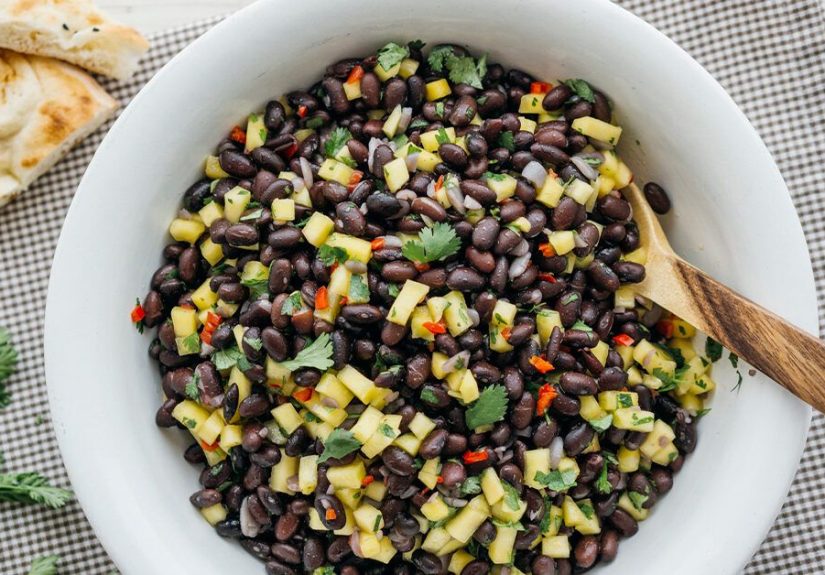
- 5-minute salad protein: toss rinsed beans with olive oil, vinegar, chopped veggies, and a pinch of salt.
- Soup shortcut: add beans to canned tomato soup or broth-based soup for instant heft.
- Breakfast twist: black beans with scrambled eggs or tofu, spinach, and hot sauce.
- Snackable dip: mash beans with lime, garlic, cumin, and a little yogurt for creaminess.
Cooking tips that actually help
- Season the cooking liquid with onion, bay leaf, garlic, cumin, or oregano.
- Add acidic ingredients late (tomatoes, vinegar, lemon/lime). Acid too early can slow softening.
- Use leftovers smartly: beans freeze well, and they’re great in meal prep bowls.
How Much Should You Eat?
There’s no magical bean quotaunless your family has Taco Tuesday written into the constitution. Still, national guidance generally encourages eating beans and other legumes regularly as part of a balanced pattern.
In the U.S., beans, peas, and lentils have been included as a recommended vegetable subgroup in federal dietary guidance (often shown in weekly “cup-equivalents”). They can also “count” as a protein choice depending on how you build your meals. A practical goal for many people is ½ cup a few times per week, increasing gradually if you’re new to higher-fiber eating.
Tip: If you’re increasing fiber, drink enough fluids and give your gut a week or two to adjust. Your digestive system is not a smartphoneit doesn’t install updates instantly.
Bottom Line
Black beans are healthy for most peoplea nutrient-dense, fiber-rich, protein-packed food that supports heart health, digestion, and steady energy. The biggest “gotchas” are usually sodium (choose low-sodium or rinse) and digestive adjustment (start small, soak/rinse, and build up). If you have kidney disease or a potassium restriction, get personalized guidance, because your ideal portion may be different.
If you want one simple takeaway: black beans are one of the easiest upgrades you can make to everyday mealsbecause “healthy” is a lot more doable when it also tastes like something you’d happily eat twice.
Real-World Experiences: What People Commonly Notice When They Add Black Beans
When people start eating black beans more regularly, the first thing they often notice is surprisingly boringin the best way: meals feel more satisfying. A burrito bowl with black beans tends to “stick with you” longer than one that’s mostly rice and toppings. Many folks describe it as the difference between being full and being finished. You’re not prowling the kitchen an hour later looking for a snack that mysteriously tastes like chips.
The second thing people notice is that black beans make meal planning easier. A can of beans is basically a shortcut to a balanced plate: add beans to a salad, wrap, soup, or pasta dish and you’ve got protein and fiber immediately. People who cook in batches often say black beans are a “freezer MVP”cook a pot, portion it out, and suddenly weeknight dinners feel less like a chaotic cooking show and more like a calm, mildly competent adult moment.
Then there’s the famous bean adjustment period. In real life, some people feel gassier at first, especially if their usual diet is low in fiber. The most common experience is that this improves when they start with smaller portions and increase gradually. People also report that rinsing canned beans makes a noticeable differenceboth for digestion and for taste (less “canned” flavor). For dried beans, soaking and cooking thoroughly tends to improve texture and comfort, and some people swear by adding beans to meals in a mashed or blended form early on (like dips or spread) because it’s easier on their stomach.
Another common experience shows up in everyday health routines: people who struggle with irregularity sometimes notice that consistent bean intake helps them feel more regular. Not instantly, and not dramatically in a superhero-movie waymore like a quiet improvement that makes mornings less annoying. Because black beans bring a lot of fiber in a small package, they can be an easy “food-first” strategy for people trying to eat more whole foods without overhauling everything.
Finally, there’s the taste and versatility factor. Black beans play well with bold flavorscumin, garlic, lime, chili powder, smoked paprikaso people often find it easy to keep meals interesting. Some households use them as a partial meat replacement in chili or tacos and notice the meal still feels hearty, especially when paired with other satisfying ingredients like roasted veggies, corn, or a little cheese. Others go fully plant-based for a meal and realize it doesn’t feel like a compromise; it just feels like dinner. The most common “sticky habit” is a weekly rotation: black bean tacos, a bean-and-veg soup, or a quick bean salad for lunches.
In short, the real-world pattern is predictable: better satiety, easier meal building, a short digestive learning curve, and lots of repeatable recipes. Black beans don’t usually create a dramatic, overnight transformationbut they do make balanced eating feel more practical. And honestly, practicality is underrated.