Table of Contents >> Show >> Hide
- What Does “Free-Range” Actually Mean?
- Are Free-Range Eggs More Nutritious?
- Are Free-Range Eggs Safer?
- How Free-Range Eggs Compare With Other Egg Labels
- So, Are Free-Range Eggs Healthier or Just More Expensive?
- What Matters More Than the Label
- Who Should Buy Free-Range Eggs?
- The Bottom Line
- Real-World Experiences With Free-Range Eggs
Walk into any grocery store and the egg case suddenly feels like a personality test. Conventional. Cage-free. Free-range. Organic. Pasture-raised. Omega-3 enriched. Brown eggs. White eggs. Speckled eggs that look like they belong in a farmhouse photo shoot. It is enough to make a normal breakfast shopper stare into the refrigerator door and wonder whether choosing eggs now requires a graduate degree.
One of the biggest questions is simple: Are free-range eggs healthier? The honest answer is not as glamorous as the packaging. Sometimes they may offer small advantages, but not always, and not automatically. In many cases, the nutritional differences between free-range eggs and conventional eggs are modest. The bigger factors are often the hen’s feed, overall living conditions, freshness, and how the eggs are stored and cooked after purchase.
That does not mean the label is meaningless. Free-range eggs can matter for shoppers who care about animal welfare practices, outdoor access, or farming style. They may also look and taste a little different depending on what the hens eat. But if you are buying them strictly because you assume they are dramatically more nutritious, the science is more “maybe a little” than “absolutely yes.”
This guide breaks down what free-range eggs actually means, how they compare with regular eggs, whether they are better for nutrition, and how to shop smarter without getting hypnotized by clever carton wording.
What Does “Free-Range” Actually Mean?
Before we talk health, we need to decode the label. A lot of egg marketing sounds like it was written by someone who owns both a thesaurus and a barn.
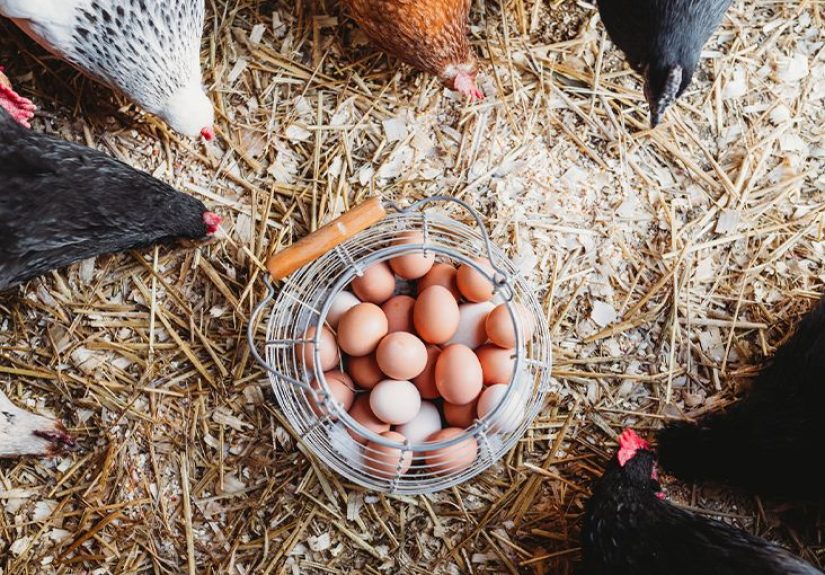
In general, free-range eggs come from hens that have access to the outdoors. That is the key distinction. They are not necessarily roaming across rolling green hills in a movie montage, but they do have outdoor access as part of the production system.
Free-Range vs. Cage-Free
This is where shoppers often get tripped up. Cage-free does not mean the hens go outside. It usually means they are not kept in cages, but they may still live entirely indoors in large barns or aviary systems. Free-range adds outdoor access to the picture.
That sounds simple, but the size, quality, and frequency of that outdoor access can vary. So the label gives you a broad production category, not a full documentary about the hens’ daily schedule.
What About Pasture-Raised?
Here is where egg cartons start freelancing. Pasture-raised is commonly used in the market to suggest more time outdoors and more space, but shoppers should know it is not the same thing as free-range. In practice, pasture-raised often implies a more expansive outdoor system, but standards can vary by producer or third-party certification.
So if your main concern is how the hens were raised, do not stop at the front label. Flip the carton over and look for additional certification or clearer wording about feed, space, and animal care standards.
Are Free-Range Eggs More Nutritious?
Now for the question that brought us here. Are free-range eggs healthier than conventional eggs? The best answer is: they can be, but the difference is often smaller than people expect.
All eggs are nutrient-dense foods. A typical large egg delivers high-quality protein, fat, and a useful mix of vitamins and minerals in a relatively compact package. Eggs are especially known for nutrients such as vitamin B12, selenium, riboflavin, and choline, which supports brain and nerve function.
That basic nutritional profile does not suddenly vanish because a hen lived indoors. A regular egg is still a solid food. The free-range label does not magically turn breakfast into a superhero origin story.
What Can Change the Nutrition?
The main thing that changes egg nutrition is usually what the hen eats. If hens consume feed that includes more omega-3 sources, carotenoids, or nutrient-rich forage, their eggs may reflect that. When hens forage outdoors, they may eat grasses, seeds, bugs, and plants in addition to their feed. That can influence fatty acid composition and pigment levels in the yolk.
This is why some free-range eggs have deeper orange yolks and slightly different nutrient profiles. But that is not guaranteed. One free-range farm may produce eggs with noticeable differences, while another may produce eggs that are nutritionally very similar to conventional eggs.
In other words, free-range is not a nutrition promise. It is a raising-method label.
Do Free-Range Eggs Have More Omega-3s?
Sometimes, yes. Hens with access to pasture or more varied diets may produce eggs with somewhat better omega-3 content or a more favorable omega-6 to omega-3 balance. But if you are specifically shopping for omega-3 eggs, the more reliable label is usually not “free-range.” It is omega-3 enriched, because those hens are intentionally fed diets designed to change the egg’s fatty acid profile.
So if your goal is more omega-3s, do not assume all free-range cartons will deliver the same result. Some will. Some will not. This is why shoppers who want specific nutrition benefits should read the full package, not just the buzzwords that got printed in the largest font.
What About Vitamins and Antioxidants?
Free-range or pasture-access systems can sometimes lead to higher levels of certain nutrients, especially pigments like carotenoids that affect yolk color. A darker yolk can reflect a diet richer in pigment-containing plants. That may mean more lutein and zeaxanthin, two carotenoids associated with eye health.
Still, there is a catch. Darker yolk does not automatically mean dramatically healthier egg. Yolk color is influenced by diet, and even conventional systems can adjust feed in ways that deepen yolk color. So yes, color can be a clue, but it is not a foolproof health ranking system.
Are Free-Range Eggs Safer?
This is a different question from nutrition, and the answer is important. Free-range eggs are not automatically safer. Outdoor access may improve some aspects of hen behavior and welfare, but food safety still depends on flock management, clean handling, refrigeration, and proper cooking.
Eggs of any type can be contaminated with Salmonella. That means your safest move is not merely buying a more expensive carton. It is storing eggs cold, keeping them refrigerated, avoiding cross-contamination, and cooking eggs thoroughly when needed.
If you are serving eggs to young children, older adults, pregnant people, or anyone with a weakened immune system, safe handling matters even more. A free-range label does not cancel out kitchen science.
How Free-Range Eggs Compare With Other Egg Labels
Conventional Eggs
These are the standard eggs most shoppers grew up with. They are usually the most affordable and still provide excellent protein and essential nutrients. If you are buying eggs for nutrition alone, conventional eggs remain a perfectly respectable choice.
Cage-Free Eggs
Cage-free eggs come from hens that are not kept in cages, but they may still live indoors. For people focused on indoor movement and housing conditions, cage-free may feel like a better match than conventional. Nutritionally, however, cage-free eggs are not automatically superior.
Organic Eggs
Organic eggs come with requirements related to feed and production practices. The hens must receive organic feed, and organic systems also include animal welfare rules. Some shoppers prefer organic for pesticide and feed reasons. Nutritionally, they may differ a bit, but again, the differences are not always dramatic enough to declare a universal winner.
Pasture-Raised Eggs
These are often the premium darlings of the egg aisle. In many cases, pasture-raised systems provide more outdoor exposure and more opportunities for natural foraging. Some research and field observations suggest these eggs may show stronger improvements in omega-3s and certain vitamins than standard commercial eggs. But the exact results still depend on the producer and feed.
So, Are Free-Range Eggs Healthier or Just More Expensive?
Usually, the answer is a little of both and sometimes neither. Free-range eggs may be modestly better in some situations, but they are not automatically healthier in a way that transforms your diet.
If your overall eating pattern is poor, switching from regular eggs to free-range eggs will not perform nutritional magic tricks. A free-range fried egg on top of three donuts is still an ambitious breakfast choice.
On the other hand, if you already eat a balanced diet and care about how animals are raised, free-range eggs may align better with your values. In that case, the benefit is not just nutritional. It is also ethical, environmental, or personal.
What Matters More Than the Label
If you want the healthiest eggs for your household, focus on the factors that matter most:
1. Your Overall Diet Pattern
Eggs can absolutely fit into a healthy diet. What matters more is the company they keep. Eggs served with vegetables, whole grains, beans, or fruit tell a different health story than eggs paired with ultra-processed sides every morning.
2. Cooking Method
A poached or boiled egg is nutritionally different from an egg deep-fried in a generous oil bath and followed by a stack of bacon the size of a throw pillow. Preparation changes the full meal’s health profile.
3. Freshness and Storage
Fresh eggs usually perform better in cooking and may taste better, especially in baking or simple egg dishes where texture matters. Keep eggs refrigerated and use them within the recommended timeframe.
4. Specific Nutrition Claims
If you want more omega-3s, look for omega-3 enriched eggs. If you want organic feed, buy organic eggs. If you want outdoor access, buy free-range or certified pasture-raised. Let the label match the goal instead of assuming one claim covers everything.
Who Should Buy Free-Range Eggs?
Free-range eggs may be worth it if:
- You care about hens having outdoor access.
- You prefer eggs from farms with raising practices that feel more natural to you.
- You enjoy the taste or appearance of eggs from certain producers.
- You are comfortable paying more for production standards, even when nutrition gains are modest.
Conventional eggs may be the smarter buy if:
- Your budget is tight and you need affordable protein.
- Your main focus is basic nutrition rather than farming method.
- You want a dependable ingredient for baking, meal prep, or everyday cooking.
The Bottom Line
Are free-range eggs healthier? They can be slightly healthier in some cases, especially if the hens’ outdoor access and diet improve the egg’s fatty acid profile or carotenoid content. But the difference is not guaranteed, and it is often smaller than marketing makes it sound.
Free-range eggs are best understood as a production-method choice, not a universal nutrition upgrade. They may be a great option for shoppers who value outdoor access and specific farming practices. But conventional eggs are still nutritious, protein-rich, and useful in a healthy diet.
So the next time you are standing in front of the egg case, here is the calm, sensible answer: buy the eggs that fit your budget, values, and nutrition goals. Then go home and cook them well. Breakfast has enough pressure already.
Real-World Experiences With Free-Range Eggs
People who switch to free-range eggs often describe the experience in practical terms rather than dramatic health revelations. One of the most common things shoppers notice first is the yolk color. Many say the yolks look darker, richer, or more orange, which makes scrambled eggs, omelets, and homemade pasta feel more luxurious. That visual difference can make people assume the eggs are much healthier, but in everyday life, what they are usually noticing is a diet-related difference in pigments rather than proof of a massive nutritional leap.
Home cooks also talk a lot about taste. Some feel free-range eggs taste fresher, fuller, or more “egg-like,” especially when cooked simply, like soft-boiled, poached, or fried. Bakers, however, often report a more balanced view. In cakes, muffins, or pancakes, the difference may be subtle enough that most people would never notice in a blind test. That means free-range eggs may feel more special in simple dishes, while in recipe-heavy cooking the extra cost may not always deliver obvious returns.
Another common experience is the budget conversation. Many families genuinely want to buy free-range eggs, especially after learning more about animal welfare labels, but they also have to deal with grocery prices in the real world. A shopper might buy free-range eggs for weekend breakfasts, when eggs are front and center on the plate, but stick to less expensive eggs for baking or meal prep during the week. This kind of compromise is incredibly common and honestly pretty sensible.
People who keep backyard chickens or buy eggs from local farms often report the biggest differences in freshness. Fresher eggs can have firmer whites, taller yolks, and better performance in cooking. That can create a strong impression that the eggs are healthier, when part of the benefit is really freshness and handling. In other words, the egg may not be nutritionally worlds apart, but it can still be a better eating experience.
There is also a psychological side that matters more than some people admit. Shoppers who feel good about how their food is produced often enjoy that food more. If buying free-range eggs helps someone feel more aligned with their values, they may feel more satisfied with the purchase, even when the measurable nutrition difference is modest. That satisfaction is real, even if it does not show up in a vitamin chart.
At the same time, some people try free-range eggs for a few weeks and decide the switch is not worth the extra money. They discover that their health, energy, cholesterol numbers, and breakfast routine feel basically the same. That experience is valid too. For many households, the best lesson is not that free-range eggs are overrated or miraculous. It is that eggs are one part of a bigger diet, and the smartest choice is the one you can buy consistently, store safely, cook well, and enjoy regularly.