Table of Contents >> Show >> Hide
- Table of Contents
- What Is a Barre Workout?
- Benefits of Barre Workouts
- 1) Strength and muscular endurance without heavy impact
- 2) Better posture and “everyday” alignment
- 3) Improved flexibility and mobility
- 4) Core stability and balance
- 5) Mind-body connection (yes, it’s a real thing)
- 6) Low-impact doesn’t mean low-effort
- 7) The underrated benefit: consistency is easier when it’s fun
- Who Barre Is Great For (and Who Should Be Cautious)
- What to Expect in a Typical Barre Class
- How to Start Barre (Beginner-Friendly How-To)
- Sample Beginner Barre Workout (No Studio Needed)
- How Often Should You Do Barre?
- Risks, Safety Tips, and Common Mistakes
- Barre vs. Pilates vs. Yoga vs. Strength Training
- FAQs
- Experiences: What Barre Feels Like in Real Life (500+ Words)
Barre workouts have a reputation for looking “too graceful to be hard.” Then you take one class, your legs start
politely trembling like they’re auditioning for a soap opera, and you realize: oh. This is the work.
Barre blends ballet-inspired positions with strength training, Pilates-style core work, and yoga-ish mobility
often using small, controlled movements that light up muscles you didn’t know had an opinion.
In this guide, we’ll break down what barre actually is, what it’s good for, how to start safely, and what risks
to watch forplus real-world “what it feels like” experiences at the end so you know you’re not the only one
whose thighs filed a complaint after class.
What Is a Barre Workout?
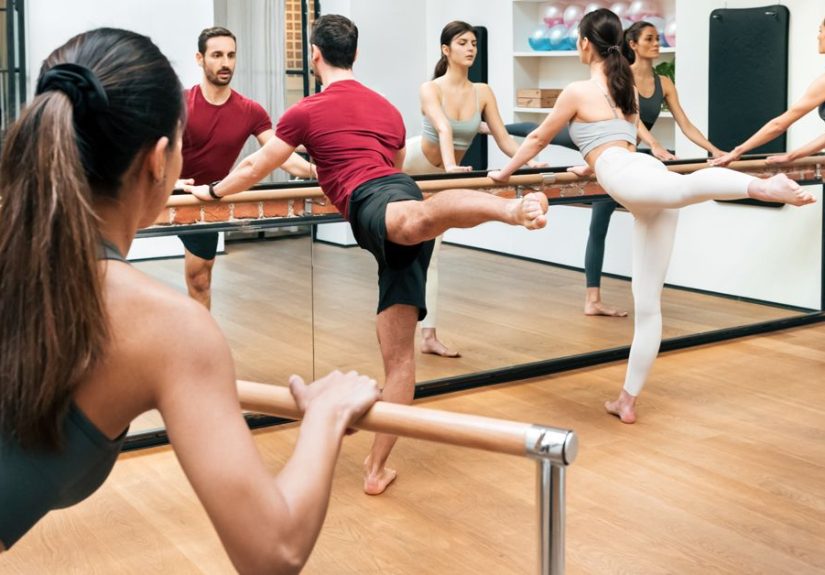
A barre workout is a low-impact, full-body fitness style inspired by ballet trainingespecially the kind of
conditioning dancers do at the barre (the handrail-like support used in dance studios). Modern barre classes
also borrow heavily from Pilates and strength training. The “secret sauce” is a mix of:
- Isometric holds (contracting a muscle without moving much, like holding a squat)
- Small-range “pulses” and high repetitions to build muscular endurance
- Posture and alignment focus (stacked ribs/hips, stable shoulders, controlled knees)
- Light resistance (bodyweight, light dumbbells, resistance bands, small ball)
Translation: barre is less about flinging heavy weight around and more about keeping tension on a muscle long
enough that it has time to “think about what it did.”
Benefits of Barre Workouts
Barre isn’t a magic wand (sadly, no workout is), but it can be a smart and enjoyable way to build strength,
stability, and body awareness. Here are the biggest benefits people commonly notice.
1) Strength and muscular endurance without heavy impact
Barre uses sustained holds and high-rep sets that challenge muscles differently than traditional lifting. You
may not max out a barbell, but you’ll develop endurance in the legs, glutes, core, and upper bodyespecially
with consistent practice.
2) Better posture and “everyday” alignment
Many barre moves train the muscles that support upright postureupper back, shoulders, hips, and corebecause
barre positions demand a tall spine, engaged midsection, and controlled shoulder placement. If you spend a lot
of time sitting (school, office, commuting, gaminglife), barre can be a helpful counterbalance.
3) Improved flexibility and mobility
Most barre classes include dynamic warm-ups and targeted stretching, plus repeated movement through safe ranges
of motion. Over time, many people notice easier hip mobility, less stiffness, and better comfort in daily
movements like squatting, climbing stairs, or standing for longer periods.
4) Core stability and balance
Barre frequently challenges balance: single-leg work, small stabilizing adjustments, and slow transitions that
train control. Combined with core engagement cues, this can translate to steadier movement and better
coordinationuseful for sports and for not wobbling like a newborn deer while putting on a sock.
5) Mind-body connection (yes, it’s a real thing)
Barre is detail-oriented: small form tweaks make a big difference in which muscle is working. Many people find
that barre improves awareness of posture, breathing, and muscle engagementskills that can make other workouts
safer and more effective.
6) Low-impact doesn’t mean low-effort
Barre is often considered “joint-friendlier” because it typically avoids high-impact jumps and heavy loading.
That said, low-impact still requires good form. The goal is controlled challengenot pain.
7) The underrated benefit: consistency is easier when it’s fun
Many people stick with barre because the classes feel upbeat, structured, and social. Consistency matters more
than any “perfect” workout planbecause the best routine is the one you can keep doing.
Who Barre Is Great For (and Who Should Be Cautious)
Barre can be a great fit if you want:
- Low-impact strength training with lots of core and leg work
- Better posture, stability, and flexibility
- A structured class style that feels athletic but not chaotic
- Cross-training that complements running, cycling, sports, or lifting
Be cautious (and consider professional guidance) if you have:
- Recent injuries (especially knee, hip, ankle/foot, or low-back issues)
- Chronic joint pain that flares with squatting, toe work, or turnout positions
- Balance concerns that make standing work risky without support
- Any medical condition where your clinician has given exercise limits
If you’re pregnant, postpartum, or managing a health condition, barre may still be doablebut modifications
matter. A qualified instructor and your healthcare provider can help you pick safe options.
What to Expect in a Typical Barre Class
Barre classes vary by studio and instructor, but many follow a similar rhythm. Think of it like a playlist
your muscles don’t get to skip.
- Warm-up: light cardio or dynamic movement + core activation
- Upper body: light weights or bodyweight moves for arms, shoulders, and upper back
- Thighs: squats/pliés, holds, pulses, and small-range movements
- Seat/glutes: standing leg lifts, hinging, bridges, and targeted endurance sets
- Core: planks, curls, stability work, and controlled holds
- Cool-down: stretching, breathing, and mobility
Expect muscle “shakes” during holds. That’s usually fatigue (normal) rather than danger.
Sharp pain, numbness, or joint pain is not the vibemodify or stop if that happens.
How to Start Barre (Beginner-Friendly How-To)
Step 1: Pick the right class format
- Beginner barre: best place to start (more coaching, slower progressions)
- Classic barre: steady pace, lots of holds and pulses
- Barre + cardio: more heart-rate spikes (still usually low-impact)
- Barre + strength: heavier resistance, fewer reps, more “gym” feel
Step 2: Set yourself up with simple gear
- A stable chair/countertop for balance (if you’re at home)
- A yoga mat
- Light dumbbells (2–5 lbs to start) or water bottles
- Optional: resistance band and a small ball/pillow
Step 3: Wear what keeps you stable
Most people wear leggings and a fitted top so instructors can see alignment. For feet: grippy socks can help on
smooth floors; supportive sneakers can be useful if you’re modifying impact or have foot concerns.
Step 4: Learn the “golden cues”
- Neutral spine: think “ribs stacked over hips” (not flared ribs, not tucked like a scared turtle)
- Knees track with toes: avoid knees collapsing inward during squats/pliés
- Shoulders down/back: neck long, shoulder blades stable
- Small doesn’t mean sloppy: tiny range, big control
Step 5: Start modestly and progress on purpose
New to barre? Try 2–3 sessions a week for a few weeks. Add intensity with better form, slightly longer holds,
or a little more resistancenot by muscling through pain.
Sample Beginner Barre Workout (No Studio Needed)
This is a general, beginner-friendly routine. Move slowly, keep good alignment, and stop if you feel sharp
pain. If you’re unsure about form, a beginner class or certified trainer can help.
Warm-up (4–5 minutes)
- March in place + arm swings (60 seconds)
- Bodyweight good mornings (hip hinge) x 10
- Cat-cow on mat x 6–8 slow reps
- Forearm plank (knees down if needed) hold 20–30 seconds
Upper body + posture (5 minutes)
- Bent-over row with light weights x 12–15
- Overhead press x 10–12 (keep ribs down)
- Reverse fly x 12–15 (small range, steady control)
Thigh series (6–7 minutes)
Option A: Parallel squat series
- Squat hold (small bend) 30 seconds
- Squat pulses (1–2 inches) 30 seconds
- Heel raise in squat (optional) 10–12 slow reps
Option B: Plié series (only as much turnout as your hips/knees allow)
- Plié squat hold 30 seconds
- Plié pulses 30 seconds
- Alternate heel lifts 10–12 each side
Glutes/“seat” series (6–7 minutes)
- Glute bridge x 12–15
- Bridge hold 20–30 seconds
- Bridge pulses 20 seconds
- Side-lying clamshells x 12–15 each side
- Donkey kicks (hands/knees) x 12–15 each side (keep core braced)
Core finisher (4–5 minutes)
- Dead bug x 8–10 each side
- Side plank (knees down if needed) 20 seconds each side
- Slow bicycle crunch x 10–12 each side (no neck pulling)
Cool-down (3–5 minutes)
- Quad stretch 20–30 seconds each side
- Figure-4 hip stretch 20–30 seconds each side
- Chest opener (hands behind back or doorway stretch) 20–30 seconds
- Slow breathing: inhale 4 counts, exhale 6 counts for 60 seconds
How Often Should You Do Barre?
For general health, most adults benefit from a weekly mix of aerobic activity and muscle-strengthening
sessions. Barre can count toward muscle-strengthening (and sometimes moderate cardio, depending on intensity).
A practical approach:
- Beginners: 2–3 barre sessions/week
- Intermediate: 3–4 sessions/week (with at least 1–2 easier days)
- Cross-training plan: barre + walking/cycling + one heavier strength day (if desired)
If you feel unusually sore, your performance drops, or your joints feel cranky, treat that as feedbacknot a
challenge. Recovery is part of training, not a side quest.
Risks, Safety Tips, and Common Mistakes
Barre is often low-impact, but it’s not risk-free. Most problems show up when people chase “deeper” positions
or “more burn” at the expense of alignment.
Common risks
- Knee irritation: often from knees collapsing inward or forcing turnout
- Hip/ankle strain: especially if you’re on the balls of your feet for long periods without control
- Low-back discomfort: usually from losing neutral spine (arching or tucking aggressively)
- Overuse fatigue: high reps + frequent classes without rest can sneak up on you
Safety tips that actually work
- Use “your” turnout: rotate from the hips only as far as you can keep knees aligned
- Make the move smaller: smaller range + better control beats bigger range + sketchy form
- Choose stable foot positions: if toe work irritates feet/ankles, keep heels down
- Brace, don’t clench: engage core like you’re zipping tight jeans, not like you’re bracing for a surprise math test
- Warm up and cool down: give your body a ramp-up and ramp-down
When to stop and get help
Stop exercise and seek medical guidance if you have sharp pain, swelling, numbness/tingling, dizziness, or pain
that worsens over time. Barre should feel challenging in the musclesnot alarming in the joints.
Barre vs. Pilates vs. Yoga vs. Strength Training
Barre vs. Pilates
Both emphasize control and core stability. Pilates often focuses more on spinal articulation and deep core
mechanics; barre tends to add more standing leg work, pulses, and “burn” sets for muscular endurance.
Barre vs. Yoga
Yoga is typically more flexibility- and mobility-forward (with strength benefits depending on style). Barre is
more strength/endurance-forward with dedicated muscle fatigue sets and less long-hold stretching (though cool
downs may include yoga-inspired stretches).
Barre vs. traditional strength training
Traditional lifting is often best for maximizing strength and bone-loading stimulus when progressed
appropriately. Barre is excellent for muscular endurance, posture, and stabilityand can complement lifting
beautifully. If your goal is well-rounded fitness, combining both styles can work great.
FAQs
Will barre make me “bulky”?
Building significant muscle size usually requires progressive overload, sufficient calories/protein, and time.
Barre tends to emphasize endurance and control. Many people feel “toned” because they’re stronger, holding
better posture, and moving with more stability.
Is barre cardio?
Some barre formats raise heart rate (especially faster-paced or hybrid classes), but barre is usually more
strength/endurance-focused than pure cardio. If cardiovascular fitness is a main goal, pair barre with brisk
walking, cycling, swimming, or another aerobic activity.
Is barre good for beginners?
Yesespecially beginner classes. Barre can be scaled: smaller range of motion, lighter resistance, more
support, and more breaks. The key is choosing a beginner-friendly environment and prioritizing alignment over
intensity.
Can teens do barre workouts?
Many teens can do barre safely as a general fitness activity, especially when the focus is strength, mobility,
and coordinationnot extreme intensity or body “fixing.” If you’re under 18, it’s smart to use beginner
programming, listen to your body, and ask for coaching on alignment.
Experiences: What Barre Feels Like in Real Life (500+ Words)
If you’re curious about barre but unsure what it’s like, here’s the most honest spoiler: barre feels easy
right up until it doesn’t. The movements are small, the equipment is light, and your brain keeps whispering,
“How hard can a two-inch pulse be?” Then your muscles answer, “Loudly.”
Experience #1: The first-class wobble. A common first-time moment is realizing how much balance
is involvedstanding on one leg, shifting weight slowly, or holding a position long enough that your ankle has
time to start negotiating with you. People often notice tiny stabilizer muscles kicking in: feet, calves, hips,
and deep core. It’s not that you’re “bad at it.” It’s that barre asks those smaller muscles to show up for work
instead of letting bigger muscles do all the talking.
Experience #2: The famous shake. Muscle trembling is incredibly common during isometric holds.
It’s usually just fatigueyour muscle fibers are firing and trying to maintain tension. Many beginners worry
they’re doing something wrong. In reality, shaking often means you found the right challenge level. The trick
is to keep the shake “clean”: maintain alignment, breathe, and reduce range if your form starts to fall apart.
(Shaking with good posture = productive. Shaking while your knees cave inward = time to modify.)
Experience #3: “Why are my thighs sore from tiny movements?” Barre loves time-under-tension.
Holding and pulsing keeps muscles working continuously, which can create that deep, specific soreness in quads,
glutes, and calves. People often report that soreness feels different than after liftingless “I lifted heavy”
and more “I held tension forever while smiling politely.” The good news: soreness typically decreases as your
body adapts, especially if you hydrate, sleep well, and take rest days.
Experience #4: Posture becomes a daily superpower. One sneaky barre benefit is how it carries
into daily life. After a few weeks, many people catch themselves sitting taller, engaging their core while
standing, or noticing when shoulders creep up toward the ears. It’s like you gain a built-in “alignment
notification” (without needing an app to yell at you). That awareness can help with other workouts, toosquats,
running form, and even yoga become easier to “feel” correctly.
Experience #5: The confidence shift. Barre can feel empowering because it rewards control and
consistency, not just intensity. People often notice small wins: holding a plank longer, needing fewer breaks,
feeling steadier on single-leg work, or finally understanding what “neutral pelvis” means in their own body.
Those wins add up. Barre also tends to be welcoming for many fitness levels because instructors can offer
optionsheels down instead of relevé, shallower bend instead of deep squat, knees-down plank instead of toes.
The best barre experience is the one where you feel challenged, safe, and supportednot judged for taking a
modification.
Bottom line on the experience: barre often feels deceptively simple, strangely humbling, and
surprisingly addictivebecause it’s structured, measurable (you can feel progress), and doesn’t require you to
“go all out” to be effective. If you start slow, focus on form, and let consistency do the heavy lifting,
you’ll understand why people leave barre class sweaty, shaky, and somehow in a better mood.