Table of Contents >> Show >> Hide
- Why Horror Movie Makeup Still Matters in the Age of CGI
- The Secret Life of Fake Blood
- Prosthetics: Turning Actors into Monsters
- Gore, Guts, and Things You Don’t Want in Your Fridge
- The Human Cost: Hours in the Makeup Chair
- On-Set Fixes, Happy Accidents, and Last-Minute Hacks
- Practical Effects vs Digital Touch-Ups: Friends, Not Enemies
- Behind-the-Scenes Experiences: What It’s Really Like on a Horror Makeup Set
- Conclusion: The Real Magic Behind the Monsters
If you’ve ever watched a horror movie and thought, “That looks too real,” you can thank (or blame) the makeup department. Long before computers could paint in monsters and blood splatter, special effects makeup artists were sculpting nightmares out of latex, gelatin, corn syrup, and an alarming amount of creativity.
From the pea-soup vomit in The Exorcist to the slow, disgusting transformation in The Fly, horror makeup has its own secret history. Behind every rotting corpse, oozing wound, and snarling creature is a team of artists who start working before the sun comes up and don’t stop until the fake blood finally dries.
Today, we’re pulling back the curtain on horror movie makeup: how it works, why it still matters in the age of CGI, and what really goes on in those mysterious trailers parked just off set.
Why Horror Movie Makeup Still Matters in the Age of CGI
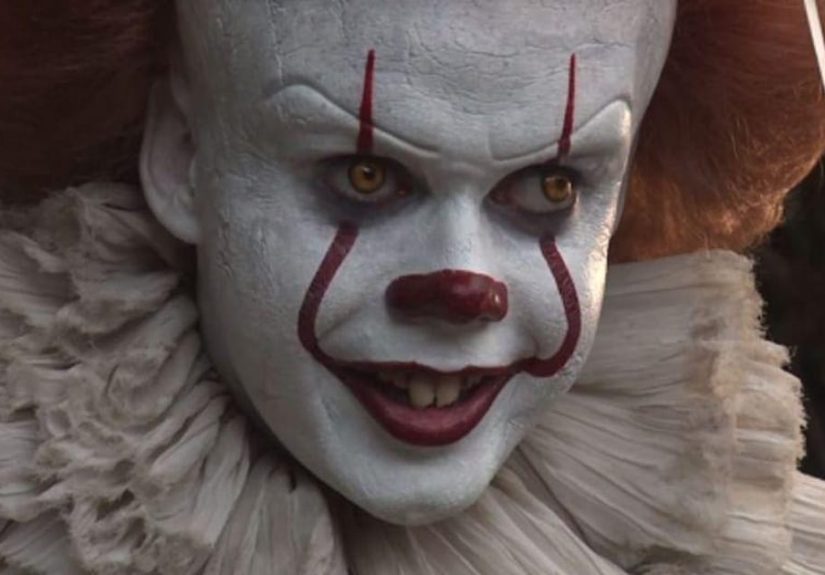
Digital effects can do a lot, but there’s a reason horror fans still rave about the “old-school” look of practical makeup. When something is physically on set a creature suit, a zombie prosthetic, a dripping wound actors can react to it, directors can light it, and the camera captures something that genuinely exists in the space.
Legendary artists like Dick Smith, Rick Baker, Chris Walas, and Tom Savini helped define this practical horror language. Their work on films like The Exorcist, An American Werewolf in London, The Fly, and Romero’s zombie movies showed just how far you can push foam latex, paint, and mechanical rigs before you ever touch a computer.
Modern productions often blend the two worlds: practical makeup builds the base, and digital artists paint out seams, wires, or enhance subtle details. The scariest monsters typically start with someone in a makeup chair, not in a rendering farm.
The Secret Life of Fake Blood
Horror movie makeup is basically a love letter to fake blood. The classic recipe in low-budget filmmaking is famously simple: corn syrup, red food coloring, and sometimes chocolate or laundry detergent to tweak the color and consistency. It’s cheap, thick, and looks great on camera just don’t ask how sticky the floor is afterward.
On bigger productions, artists use professionally formulated bloods: some designed to stay glossy under hot lights, some wash out of costumes (more or less), and others meant to be safely used in the mouth. Different bloods are chosen for different tasks a spurting artery looks different from a dried stain on a wall, and makeup teams design accordingly.
Historically, filmmakers have experimented wildly. There’s a long lineage of stage and screen blood recipes that evolved from theater traditions to modern HD standards. Today’s artists balance realism with practicality: the blood has to look horrifying on a 4K screen, but also not send the wardrobe department into a nervous breakdown.
Prosthetics: Turning Actors into Monsters
When horror makeup gets truly wild, it usually means prosthetics are involved. These custom-made pieces often sculpted in clay, molded, and then cast in foam latex, silicone, or gelatin are glued directly to the actor’s skin and blended seamlessly with paint.
From Everyday Face to Demon: Lessons from The Exorcist
In The Exorcist, makeup legend Dick Smith aged actor Max von Sydow decades beyond his real age using subtle prosthetics and paint so convincing that many viewers assumed he was actually that old. For Linda Blair’s possessed Regan, Smith designed a look that evolved over the film: cracked, self-inflicted wounds, discolored skin, and eerie contact lenses that made her eyes look inhuman. The makeup was built on a story logic as the demon’s influence grew, so did the damage on Regan’s body which made it both visually shocking and psychologically disturbing.
The Werewolf That Changed the Game
Rick Baker’s work on An American Werewolf in London is still considered a high-water mark for creature transformation. Instead of relying on cutaways or dissolves, the film shows the hero’s body visibly stretching, bones shifting, and limbs distorting in real time. That effect required elaborate prosthetic limbs, mechanical extensions, hair appliances, and hours in the makeup chair. The result was so groundbreaking that it helped secure Baker the very first competitive Academy Award for makeup effects.
Slow-Motion Body Horror in The Fly
In David Cronenberg’s The Fly, makeup artists staged Jeff Goldblum’s transformation into “Brundlefly” over multiple stages. Each stage required new prosthetics: lesions, bulging shapes under the skin, teeth falling out, skin sloughing away. The crew designed a progression chart so they knew exactly which “version” of the character should appear in each scene. By the time you reach the final creature, you’re not just seeing a monster you’re seeing the cumulative effect of dozens of makeup applications building a slow, tragic decay.
Gore, Guts, and Things You Don’t Want in Your Fridge
Some of horror’s most infamous scenes involve not just blood but full-on gore: exposed organs, torn limbs, half-eaten bodies. To pull this off, makeup teams build highly detailed dummy parts and rigs that can be chopped, pulled, or torn on camera without endangering the actors.
In some classic zombie productions, effects teams famously used real animal organs like pig intestines to create a visceral, wet texture the camera would love. These choices came with their own challenges: smell, sanitation, and the fact that no one wants to do multiple takes when the prop is literally rotting between setups. Today, many productions rely more on silicone, gelatin, and synthetic materials that mimic the look of organs without the health hazards, but the goal remains the same: make the audience squirm.
Bruises, cuts, and burns are another everyday horror staple. Artists layer translucent paints, stipple sponges, and alcohol-activated palettes to build depth and realism. A good bruise isn’t just purple; it’s an ugly blend of reds, blues, greens, and yellows that change over time and continuity photos ensure that bruise looks the same (or worse) in each scene.
The Human Cost: Hours in the Makeup Chair
Behind every monster is an actor who’s been sitting perfectly still for hours while a team glues pieces to their face. Long prosthetic sessions can easily run six to ten hours before filming even begins. That means call times starting in the middle of the night, just so the actor is ready by the first shot of the day.
Full creature suits and prosthetics can be heavy, hot, and restrictive. Actors might only see through tiny eye slits or wear uncomfortable contact lenses that limit their vision. Some monster performances are done in near-dark sets, making it even more demanding physically. Add in stunts, fight choreography, or long takes, and you can see why both performers and makeup teams need serious stamina.
Even “simple” effects like aging makeup can be grueling. Fine detail work tiny veins, pigmentation, texture takes time and concentration. Once the makeup is done, it has to survive sweat, lights, and movement. Between takes, artists rush in with powder, glue, and alcohol-based sealers to keep everything intact.
On-Set Fixes, Happy Accidents, and Last-Minute Hacks
Horror makeup might be meticulously planned, but the actual shoot is often controlled chaos. Blood tubing can clog, prosthetics can peel off, and weapons don’t always behave the way they did in rehearsal. When something fails, the makeup team becomes part artist, part emergency mechanic.
There are legendary stories of arms that wouldn’t chop cleanly because the prop material was too rubbery, forcing artists to rebuild with wax so a machete would slice through convincingly. In other cases, unexpected moments like a blood gag splashing somewhere slightly off target make the shot even more disturbing and end up staying in the final film because the reaction feels so real.
Makeup trailers and on-set kits are filled with odd “just in case” items: safety pins, dental adhesive, hairspray, cotton balls, fishing line, even kitchen sponges and cereal flakes (which can be used to add texture to wounds). If you’ve ever wondered how creative people can get with basic materials, spend five minutes watching an SFX makeup artist patch a torn prosthetic just before the cameras roll.
Practical Effects vs Digital Touch-Ups: Friends, Not Enemies
There’s a common myth that CGI killed practical horror makeup, but in reality the two often work together. Practical effects handle the “touchable” horror the slime on the floor, the gash on a character’s face, the full-body suit of a creature. Digital artists then step in to erase seams, remove rigging, add extra layers of movement, or amplify elements like fog, embers, or tiny skin crawls.
Take modern creature-heavy shows and films: prosthetics might build the core design, while digital effects subtly adjust eye movements, add extra tendrils, or enhance the way the skin pulses. When it’s done well, you’re not thinking about techniques at all. You’re just deeply uncomfortable which, in horror, is the whole point.
The key advantage of starting with makeup is performance. Actors can feel the weight of their transformation. They see themselves in the mirror as someone or something completely different, and that informs how they move and react. CGI alone can’t replace the psychological impact of physically becoming the monster.
Behind-the-Scenes Experiences: What It’s Really Like on a Horror Makeup Set
So what does a day in the life of horror makeup actually look like? Picture this: it’s still dark outside, the crew call is brutal o’clock, and the first people on set are the makeup team and the actor scheduled to become today’s main nightmare. While most of the crew is still grabbing coffee, the artist is already laying down primer and adhesive, piece by carefully numbered piece.
The process usually starts in silence and then shifts into a strange kind of social bubble. Actors browse scripts, listen to music, or chat to stay awake while the artist works. There’s a lot of trust involved someone is literally gluing things to your face and neck, sometimes inches from your eyes. Over the course of a shoot, those hours in the chair turn into a kind of micro friendship. Many performers say their makeup artist becomes their closest ally on set.
As the pieces go on, the mood changes. When the full prosthetics are in place, contacts are inserted, and the last layer of paint goes down, the actor often has a moment of shock at their reflection. That’s when you see posture change, facial expressions shift, and the performance start to click. They’re no longer just “in costume”; they’ve stepped into a whole different physical identity.
Once filming begins, the makeup team rarely gets to relax. They hover just off camera with touch-up kits, watching every take for the slightest sign of a lifted edge, smeared blood line, or sweat breaking through. Continuity is a constant battle: if a shot from the afternoon needs to cut seamlessly into something filmed at dawn, the bruises, cuts, and goo have to match down to the last drip.
Things get especially intense on days with big gags the major transformation, the head wound, the full-body burn look. These are usually scheduled like mini events: extra rehearsal, safety meetings, camera tests, and backup plans in case something fails. When it finally works the blood sprays correctly, the prosthetic tears in the right place, the actor nails the reaction the whole set reacts like a sports team scoring in overtime.
Between takes, there’s also a surprisingly practical side to all the horror. Actors in heavy makeup need help eating, drinking, and even sitting down. Creature suits might have built-in cooling systems or hidden zippers so performers can get a quick breather. Sometimes the scariest-looking monster on set is the one that needs the most gentle handling, because the makeup is delicate or the actor’s vision is limited.
The emotional impact isn’t one-sided either. Makeup artists talk about the satisfaction of seeing their work lit and shot, but also the stress: they know the entire effect can live or die on whether a seam holds or a color reads correctly under the camera. It’s equal parts adrenaline and artistry. And when fans rave about a transformation years later, that’s the payoff for all the glue fumes and 3 a.m. call times.
In the end, horror makeup is about collaboration. Writers imagine terrifying scenarios, directors frame them, actors bring them to life but makeup artists give those nightmares skin, teeth, and texture. The next time a movie monster makes you want to hide behind the couch, remember there’s a whole team behind that moment, quietly high-fiving each other somewhere off screen, probably while scraping dried blood off their hands.
Conclusion: The Real Magic Behind the Monsters
Horror movie makeup lives in that perfect space between art and engineering. It has to be durable enough to survive long shoot days, detailed enough to hold up in close-ups, and unsettling enough to stick in your memory long after the credits roll. Whether it’s a subtle aging job or a full-body creature suit, every effect is the result of careful planning, experimentation, and a willingness to get a little messy.
In an era where almost anything can be created on a computer, practical horror makeup still hits differently. It’s tangible, imperfect, and wonderfully gross and that’s exactly why it works. Those behind-the-scenes details we rarely think about are the reason some scares feel timeless. The monsters might be make-believe, but the effort, skill, and dedication behind them are very real.