Table of Contents >> Show >> Hide
- Why Gas Happens (And Why It’s Not a Personality Flaw)
- Fennel Seeds 101: What They Are and Why They’re Used for Digestion
- Benefits of Fennel Seeds for Gas and Bloating
- How to Use Fennel Seeds for Gas
- Safety, Side Effects, and Who Should Be Careful
- When Gas and Bloating Need a Real Check-In (Not Another Cup of Tea)
- A Simple 7-Day Fennel-Friendly Experiment (No Food Fear Required)
- Conclusion
- Experiences Related to Fennel Seeds for Gas (What People Often Notice)
Gas. The great equalizer. The uninvited guest. The reason you “suddenly remember” you left something in the car
during awkward silences. If you’ve ever felt bloated, tight, or like your stomach is inflating with the confidence
of a parade balloon, you’re not alone and you’re not broken. Intestinal gas is normal. Annoying, yes. But normal.
Enter fennel seeds: tiny, greenish-brown seeds with a sweet, licorice-y aroma that’s been used for
centuries as an after-meal digestive helper. In many cultures, people chew fennel seeds after eating. Not because
it’s trendy because it feels good. And it turns out there are a few science-backed reasons why fennel might help
with gas and bloating.
This article breaks down what gas is, why fennel seeds may help, and exactly how to use fennel seeds for gas
in real life tea, chewing, cooking, and “please don’t chug essential oil” safety notes. (Seriously. Your digestive system
wants comfort, not chaos.)
Quick note: This is informational content, not medical advice. If you have ongoing or severe symptoms, talk with a healthcare professional.
Why Gas Happens (And Why It’s Not a Personality Flaw)
Most gas comes from two main sources: air you swallow and gas produced during digestion.
Swallowing air can happen when you eat quickly, drink through a straw, chew gum, or talk a lot while eating (a.k.a. living your life).
The other big source is your gut bacteria doing their job breaking down carbs that weren’t fully digested in the small intestine.
Common gas triggers (no judgment)
- Eating fast or multitasking while eating
- Carbonated drinks
- High-FODMAP foods (some beans, onions, certain fruits, wheat products, etc.)
- Lactose if you’re lactose intolerant
- Sugar alcohols (sorbitol, mannitol, xylitol)
- Suddenly increasing fiber (your gut needs time to adapt)
A little gas is expected especially during or after meals. It becomes a problem when it’s frequent, painful,
or affecting your daily life. That’s where targeted habits (slowing down, identifying triggers) and gentle helpers
like fennel seeds may fit in.
Fennel Seeds 101: What They Are and Why They’re Used for Digestion
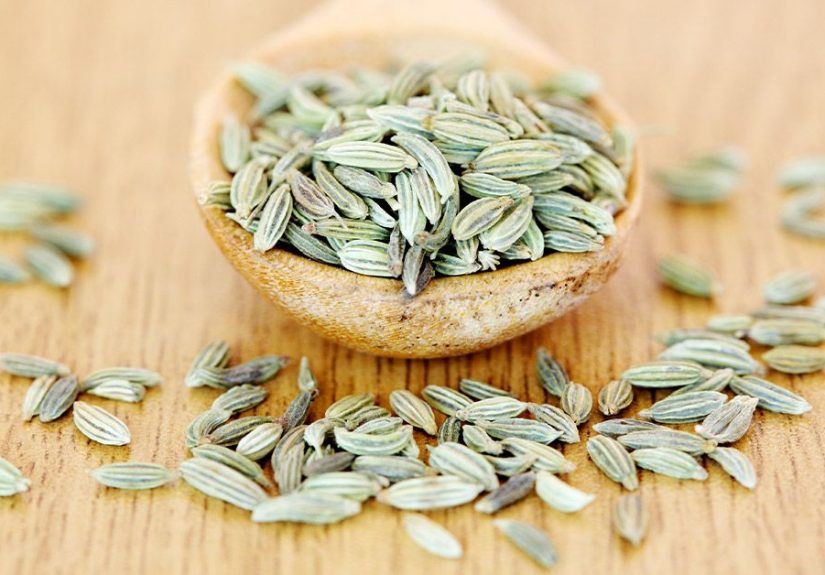
Fennel (Foeniculum vulgare) is a plant in the carrot family. The “seeds” you buy are actually dried fruits,
and they’re packed with aromatic compounds the same reason they’re popular in cooking and in after-dinner traditions.
What’s in fennel seeds?
Fennel seeds contain naturally occurring plant chemicals (including aromatic compounds like anethole) that contribute
to their scent and taste. They also contain fiber and micronutrients in small culinary amounts not as a “superfood”
flex, but as part of a real-food spice.
Historically and in modern herbal references, fennel seed is described as carminative a term used for herbs
that help relieve gas and spasmolytic meaning they may help calm smooth muscle spasms in the digestive tract.
Translation: fennel is often used to help your gut relax and move things along more comfortably.
Benefits of Fennel Seeds for Gas and Bloating
Let’s be clear and honest: fennel seeds are not a magic wand. But there are several reasons they’re commonly used
for gas and why many people find them helpful.
1) They may help relax intestinal spasms (aka “stop clenching, stomach”)
A big part of gassy discomfort isn’t just the gas itself it’s the pressure and cramping
when your gut is sensitive or spasming. Herbal references and lab research suggest fennel preparations can have
spasm-relaxing effects on digestive smooth muscle, which may reduce that tight, crampy feeling.
2) They may support motility and “gas flow” (in the least poetic way possible)
Gas hurts most when it gets trapped. Some research on fennel tea suggests it can influence stomach motility and muscle tone
in a way that may support more comfortable movement through the upper GI tract. If gas is the guest, motility is the exit sign.
3) Traditional carminative use: easing fullness after meals
Fennel’s long-standing reputation for post-meal relief is one reason it shows up in digestive tea blends and after-dinner seed mixes.
Even if the clinical evidence for “adult gas relief” isn’t massive, the combination of tradition, flavor, and plausible mechanisms makes it
a reasonable option to try especially compared with more dramatic choices like “ignore it and hope it goes away.”
4) Bonus: fresher breath after garlic-heavy meals
Not your main goal, but a welcome side quest. Chewing fennel seeds can freshen breath simply because they’re aromatic and stimulate saliva.
Many people start using fennel for digestion and stay for the “I can talk to humans again” effect.
How to Use Fennel Seeds for Gas
The best method is the one you’ll actually do consistently and that feels good for your body. Here are practical, kitchen-friendly ways.
Option A: Chew fennel seeds after meals
This is the classic approach. Chewing releases the aromatic compounds and may help settle your stomach after eating.
If you’re new to the flavor, start small fennel is sweet-ish, but it still tastes like a spice, not candy.
- Chew a small pinch after a meal (especially heavier or gassier meals).
- Chew slowly; don’t inhale it like you’re speedrunning digestion.
- If the seeds feel too intense alone, try a mix with other culinary seeds used after meals (common in some cuisines).
Option B: Brew fennel seed tea for bloating
Tea is great when you want something warm and soothing or when chewing seeds in a meeting feels like a bold career move.
Crushing the seeds first helps release their flavor.
- Lightly crush fennel seeds (use the back of a spoon or a mortar and pestle).
- Steep in hot water for several minutes.
- Strain and sip slowly after meals or when you feel bloated.
If you want to level it up, fennel pairs well with ginger or peppermint in tea blends. Peppermint is also commonly used for digestive comfort,
though it isn’t ideal for everyone (for example, some people with reflux feel worse with mint).
Option C: Use fennel seeds in everyday cooking
If you’re already cooking, you can make fennel part of the meal instead of a separate “remedy.” This is especially useful if your gas tends to show up
after certain dinners and you want a gentle, food-first approach.
- Roasted vegetables: Toss carrots, cauliflower, or potatoes with olive oil, salt, and a pinch of fennel.
- Soups and stews: Add fennel seeds early so they infuse the whole pot.
- Fish or chicken rubs: Fennel pairs well with lemon, black pepper, garlic, and herbs.
- Homemade spice blends: Combine fennel with cumin and coriander for a warm, savory base.
Option D: Supplements and essential oils (read this before you get “creative”)
Fennel also exists as capsules, extracts, and essential oils. These are more concentrated than culinary use and come with a bigger need for caution.
If your goal is simple gas relief, most people are better off starting with food and tea.
Important: Do not ingest fennel essential oil unless specifically directed by a qualified healthcare professional. Essential oils can be potent
and may cause side effects or interactions. “Natural” doesn’t automatically mean “safe at any amount.”
Safety, Side Effects, and Who Should Be Careful
In typical food amounts, fennel seeds are generally considered safe for most people. But “safe” depends on the form and the person.
Here are sensible precautions.
Possible side effects
- Allergy: Fennel is in the carrot family, so people with allergies to related plants may react.
- Digestive sensitivity: Rarely, some people feel more reflux or discomfort with certain herbs/spices.
Be extra cautious (or ask a clinician first) if you:
- Are pregnant or breastfeeding (especially with medicinal amounts or supplements).
- Have a hormone-sensitive condition (fennel has been discussed for estrogen-like activity in some contexts).
- Take prescription medications and want to use concentrated extracts.
- Plan to give fennel tea or herbal preparations to infants or young children don’t do this without pediatric guidance.
You may also see discussions about fennel’s natural compounds (including estragole) in safety reviews. The key practical takeaway:
culinary use is not the same as concentrated supplements. If you’re using fennel like a spice or occasional tea, your exposure is very different
than using high-dose extracts every day.
When Gas and Bloating Need a Real Check-In (Not Another Cup of Tea)
Most gas and bloating is harmless. But persistent or severe symptoms deserve attention especially if they’re new or worsening.
Consider reaching out to a healthcare professional if you have:
- Severe abdominal pain
- Unexplained weight loss
- Blood in stool, black stools, or ongoing diarrhea
- Fever, vomiting, or dehydration
- Bloating that is persistent, progressive, or wakes you from sleep
- New symptoms alongside a strong family history of GI disease
Gas can sometimes overlap with conditions like IBS, reflux, constipation, lactose intolerance, celiac disease, or small intestinal bacterial overgrowth (SIBO).
The good news: once you know what you’re dealing with, you can treat it more effectively than “randomly eliminating everything you love.”
A Simple 7-Day Fennel-Friendly Experiment (No Food Fear Required)
If you want to see whether fennel seeds help your gas, try this low-drama plan. The goal is not perfection it’s pattern recognition.
Days 1–2: Track and slow down
- Notice what meals tend to trigger gas (beans? dairy? soda? fast eating?).
- Eat more slowly and avoid straws or gum during meals.
- Try a short walk after eating if you can.
Days 3–5: Add fennel in one consistent way
- Choose one: chew a small pinch after meals or drink fennel tea after your gassiest meal.
- Keep the rest of your routine stable so you can actually tell what’s helping.
Days 6–7: Adjust based on your results
- If you feel better, keep fennel as a tool in your “comfort kit.”
- If nothing changes, that’s still useful information your gas might be more about triggers like lactose, FODMAPs, or constipation than about soothing herbs.
Think of fennel seeds as a helper not a disguise for every digestive issue. If symptoms persist, use that as a signal to troubleshoot more broadly
(diet patterns, fiber timing, stress, sleep, and medical causes).
Conclusion
Fennel seeds are small, affordable, and surprisingly useful especially if your gas is tied to meal-related bloating, mild cramping, or that “too full” feeling.
Their traditional role as a carminative and spasm-soother lines up with what modern research suggests about digestive muscle relaxation and motility.
The easiest ways to use them are also the most realistic: chew a small pinch after meals, brew fennel tea, or cook with them regularly.
And if your gas is frequent, painful, or messing with daily life, don’t settle for endless guesswork. Fennel can be part of a smart strategy
alongside slower eating, trigger spotting, and medical guidance when needed.
Experiences Related to Fennel Seeds for Gas (What People Often Notice)
The most interesting thing about fennel seeds is that the “experience” tends to be subtle like turning down the volume instead of smashing the stereo.
People who enjoy fennel for gas relief often describe it as a gentle shift: less tightness, fewer sharp cramps, and a calmer post-meal feeling. Here are a few
common real-world scenarios (illustrative examples, not promises).
1) The “I ate too fast and now my stomach is mad” moment
This is the classic: lunch was a blur, you inhaled it, and now you feel like your abdomen is wearing skinny jeans. In situations like this,
some people find that chewing fennel seeds after eating helps in two ways: it slows them down (you can’t chew seeds at warp speed and pretend you’re not human),
and the aromatic flavor signals “meal is over, digestion begins.” Pair that with a short walk and many report the pressure fades faster than it would if they just sat
and suffered dramatically at their desk.
2) The “bean burrito betrayal”
Beans are nutritious, but they’re famous for gas because they contain carbohydrates that may be harder to fully digest. People who love beans but hate the aftermath
often experiment with fennel tea after meals. A common pattern: fennel doesn’t erase the gas entirely (beans will bean), but it may reduce the crampy “trapped” feeling
and make things move along with less discomfort. Some also notice that using fennel in the cooking itself like adding a pinch to soups or chili feels gentler than using it
only after symptoms start.
3) The “stress-bloat spiral”
Stress can make digestion feel louder. When your nervous system is on high alert, normal gut sensations can feel intense. In this scenario, fennel tea often becomes more of
a soothing ritual than a hard-hitting remedy: warm mug, slow sips, a few deep breaths. People sometimes report that the combo of warmth + slowing down helps them unclench,
which matters because tension and bloating are best friends who will not stop texting each other.
4) The “new fiber era” (when your gut needs a transition period)
Lots of people decide to “eat healthier” and suddenly go from low-fiber to high-fiber overnight. The result: gas, bloating, and the realization that the gut likes gradual change.
In these cases, fennel is often used as a support tool while the person ramps fiber more slowly and increases fluids. The experience people describe is less about instant relief
and more about staying comfortable enough to keep the habit because it’s hard to love oatmeal when oatmeal is bullying you.
5) The “I tried everything and I still feel bloated” lesson
Sometimes the fennel experiment teaches a different truth: the gas isn’t mainly about soothing the gut it’s about identifying the cause. People who don’t feel much difference
with fennel often learn to look elsewhere: lactose intolerance, certain sugar substitutes, constipation, reflux, IBS, or FODMAP triggers. And that’s still a win.
A tool that doesn’t work is useful data, not a failure.
Overall, the lived experience around fennel seeds tends to be: simple, consistent use works better than occasional “panic tea”.
If you want to try it, pick one method (chewing or tea), keep it gentle, and watch your patterns for a week. Your digestive system isn’t asking for perfection
it’s asking for fewer surprises.