Table of Contents >> Show >> Hide
- Top Picks at a Glance
- What Makes a Random Orbital Sander “The Best”?
- Best Random Orbital Sanders: Detailed Reviews
- Bosch ROS20VSC (Best Overall Corded 5")
- DeWalt DWE6423 (Best Corded Alternative for Low Profile + Comfort)
- SKIL SR211601 (Best Budget Random Orbital Sander)
- Makita BO5041 (Best for Furniture Projects and Two-Handed Control)
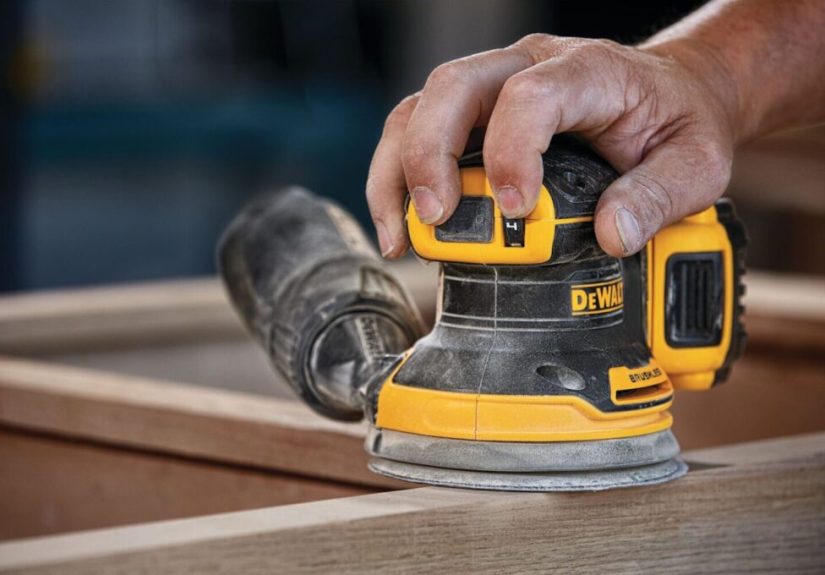
- DeWalt DCW210 (Best Cordless Random Orbital Sander for Most People)
- Milwaukee M18 FUEL 2837 (Best Cordless Heavy-Duty Pick)
- Bosch GET75-6N Dual-Mode (Best 6" Random Orbital Sander for Big Surfaces)
- Mirka DEROS (Best Pro-Level Finish + Low Fatigue)
- Festool ETS EC 150/5 (Best “System” Sander for Dust Extraction and Control)
- How to Choose the Right Random Orbital Sander
- Pro Tips for Swirl-Free Results (Without Losing Your Mind)
- Common Questions
- Conclusion
- Real-World Experiences (An Extra , Because Sanding Has Stories)
Sanding is the part of woodworking (and DIY life) where optimism goes to get a little scuffed up.
It’s dusty, it’s loud, and it has a special talent for revealing the one glue smear you swore you wiped off.
The good news: the best random orbital sanders can turn “ugh” into “wow” by cutting faster,
finishing cleaner, and keeping swirl marks from gate-crashing your stain job.
This guide breaks down the top corded and cordless random orbital sanders (5-inch and 6-inch),
what actually matters (orbit size, vibration, dust extraction, ergonomics), and how to pick the right one
without spiraling into tool-decision paralysis. Let’s make sanding… not fun exactly… but at least less tragic.
Top Picks at a Glance
| Category | Pick | Why It Wins |
|---|---|---|
| Best Overall (Corded 5″) | Bosch ROS20VSC | Comfortable, smooth, strong dust control for the money |
| Best Overall (Cordless 5″) | DeWalt DCW210 (20V Max XR) | Great runtime + power balance if you’re on DeWalt batteries |
| Best Budget | SKIL SR211601 | Surprisingly capable, excellent value, easy dust dumping |
| Best for Furniture Control | Makita BO5041 | Two-handed control, predictable feel, versatile speed range |
| Best for Big Surfaces (6″) | Bosch GET75-6N Dual-Mode | Random orbit + turbo mode for fast stock removal |
| Best Pro Finish (Low Vibration) | Mirka DEROS (6″) | Light, quiet, fatigue-friendly for long sanding sessions |
| Best “System” Sander | Festool ETS EC 150/5 | Refined control, premium dust extraction ecosystem |
| Best Cordless Heavy-Duty | Milwaukee M18 FUEL 2837 | Built for jobsite abuse, strong dust capture, low vibration feel |
What Makes a Random Orbital Sander “The Best”?
A random orbital sander (often called a “ROS”) combines spinning with a tiny off-center orbit.
That mixed motion is what helps prevent obvious scratch patterns and keeps finishes looking uniform.
But not all ROS tools feel the samesome glide like a figure skater, others vibrate like a caffeinated phone.
1) Orbit size (a.k.a. stroke) = speed vs. refinement
Orbit size is the sandpaper’s travel distance per cycle. Smaller orbits generally leave a finer finish;
larger orbits remove material faster. As a practical shortcut:
- ~2.5mm (3/32″): great for finish sanding, less risk of pigtails and swirls
- ~2.8–3.0mm (about 1/8″): a versatile middle ground for most DIY and shop work
- 5mm (common on 6″ pros): faster leveling and sanding between coats, requires good technique
2) Vibration control (your hands will thank you)
Vibration is the difference between “pleasant afternoon project” and “why does my thumb feel like a tuning fork?”
Better sanders balance the motor and pad, manage speed smoothly, and keep the tool planted. If you sand a lot,
prioritize low vibration even above raw power.
3) Dust collection (because lungs are cool)
Dust collection isn’t a “nice-to-have.” It affects visibility, abrasives life, finish quality, and your cleanup mood.
Many sanders ship with a bag or canister; the real upgrade is connecting to a shop vac or dust extractor.
More suction usually means better cut consistency and fewer mysterious scratches.
4) Ergonomics and height (control beats brute force)
A low-profile random orbital sander makes it easier to stay flat on the surface.
That reduces edge gouges and keeps the scratch pattern even. Comfortable grips matter tooif a tool feels awkward,
you’ll press harder without realizing it, which is basically an invitation for swirl marks.
Best Random Orbital Sanders: Detailed Reviews
Bosch ROS20VSC (Best Overall Corded 5″)
If you want one corded 5-inch random orbital sander that does almost everything well, the Bosch ROS20VSC is a perennial favorite.
It’s known for a smooth feel, a comfortable palm grip, and dust collection that’s genuinely helpfulnot just “included as a concept.”
The variable-speed range is handy when you’re moving from paint prep to delicate finish sanding.
- Best for: general woodworking, furniture refinishing, DIY upgrades, frequent sanding
- Why it stands out: balanced performance + swirl control + strong value
- Watch-outs: the included dust box is decent, but a vacuum hookup is still the real glow-up
DeWalt DWE6423 (Best Corded Alternative for Low Profile + Comfort)
DeWalt’s DWE6423 is a popular choice for people who want a compact, low-profile sander that feels stable.
It’s built to get you closer to the work surface, which is a fancy way of saying it’s easier to keep flat
(and harder to accidentally sand a divot the size of your regret).
- Best for: shop work, trim prep, smoothing panels, all-around DIY
- Highlights: low-profile design, good grip, solid dust options
- Tip: if you’re connecting to a non-DeWalt vac, use the correct adapter so you don’t “duct-tape engineer” your way into leaks
SKIL SR211601 (Best Budget Random Orbital Sander)
This is the pick for anyone who wants legit sanding capability without paying “premium tool tax.”
The SKIL SR211601 is often recommended as a budget-friendly option that still offers variable speed and respectable dust management.
Translation: it’s not just cheapit’s useful.
- Best for: beginners, occasional DIY, sanding furniture before paint, quick weekend projects
- Why it’s a steal: performance-to-price ratio is hard to beat
- Reality check: you’ll feel the difference versus pro sanders in vibration and refinement, but for the price it’s impressively civilized
Makita BO5041 (Best for Furniture Projects and Two-Handed Control)
The Makita BO5041 has a reputation for being easy to controlespecially when you’re sanding table tops, doors,
and anything where keeping the surface flat matters. The front handle gives you better leverage and reduces the temptation
to tilt the sander like you’re “steering” it (which is how edges get unintentionally rounded).
- Best for: furniture building, finishing panels, flattening surfaces before final grits
- Highlights: variable speed, comfortable grip options, predictable behavior
- Watch-outs: bulkier than some slim palm sandersgreat for control, less great in tight spaces
DeWalt DCW210 (Best Cordless Random Orbital Sander for Most People)
If you’re already on a battery platform, a cordless random orbital sander is pure freedom:
no cord snags, no outlet hunting, no dramatic unplugging mid-pass. The DeWalt DCW210 is frequently praised as a strong,
straightforward cordless optionespecially for remodelers and woodworkers who want dependable runtime and a familiar feel.
- Best for: jobsite sanding, garage shops, quick projects, dust-extractor setups without cord management
- Strength: strong “grab it and go” convenience without feeling underpowered
- Tip: pair with higher-quality sanding discs; cordless tools shine when abrasives cut efficiently
Milwaukee M18 FUEL 2837 (Best Cordless Heavy-Duty Pick)
Milwaukee’s M18 FUEL random orbital sander is aimed at pros who sand on-site and need a tool that feels confident on tougher materials.
Strong dust capture options and a jobsite-ready design make it a compelling option for anyone already invested in the M18 battery ecosystem.
- Best for: contractors, remodelers, heavy sanding days, jobsite durability
- Highlights: robust build, high performance, designed for comfort during longer sessions
- Reality check: the best cordless experience usually requires a good battery and a decent vac/dust extractor
Bosch GET75-6N Dual-Mode (Best 6″ Random Orbital Sander for Big Surfaces)
When you move into tabletops, large doors, floors, or slab work, a 6-inch sander can cut your sanding time
dramatically. The Bosch GET75-6N is interesting because it offers both a standard random orbit mode
and a more aggressive turbo mode for faster stock removal.
- Best for: big panels, tabletops, heavy refinishing, faster leveling
- Why it’s different: dual-mode flexibility (finish work + aggressive sanding in one tool)
- Watch-outs: larger sanders demand better techniquekeep it flat and let the sander do the work
Mirka DEROS (Best Pro-Level Finish + Low Fatigue)
Mirka’s DEROS line has a strong reputation among pros and serious hobbyists for being light, smooth, and low-vibration,
which matters when you sand for hours instead of minutes. If sanding is part of your life (and not just a seasonal mistake),
investing in a comfort-forward tool can feel like upgrading from economy to business class.
- Best for: finish-focused woodworking, cabinet shops, long sanding sessions
- Highlights: low vibration feel, excellent control, pro-grade dust extraction setups
- Reality check: premium pricethis is “buy once, cry once” territory
Festool ETS EC 150/5 (Best “System” Sander for Dust Extraction and Control)
Festool sanders are famous for a reason: refined ergonomics, consistent performance, and a dust-extraction ecosystem
that’s designed to work together. The ETS EC 150/5 (6-inch, 5mm stroke) is commonly chosen for fast, controlled sanding
especially between coats or when you want a clean surface ready for finish.
- Best for: high-end finishing, cabinet work, sanding between coats, dust-sensitive shops
- Highlights: excellent control, designed to pair with dust extractors, premium fit and finish
- Tip: if you buy into a system, commitgood extraction is where these sanders really earn their keep
How to Choose the Right Random Orbital Sander
Choose 5″ if you want versatility
A 5-inch random orbital sander is the everyday MVP: sanding furniture, smoothing boards, prepping paint, breaking edges,
and handling most home projects without feeling bulky. It’s the best “first sander” size for most people.
Choose 6″ if you sand big surfaces or sand a lot
A 6-inch ROS covers more area per pass and can speed up large projects. The tradeoff is that it’s bigger, often heavier,
and can punish sloppy technique. If you refinish tabletops, doors, or do serious production work, 6-inch is a time saver.
Corded vs. cordless: the honest take
- Corded: consistent power, usually cheaper, ideal for a shop setup
- Cordless: portable, convenient, great for jobsites and quick tasksbut plan batteries like you plan snacks
Variable speed is not a gimmick
Variable speed helps you:
slow down on veneers and delicate work, avoid burning certain finishes, and control aggressive sanding on edges.
If you do more than one kind of project, get variable speed.
Pro Tips for Swirl-Free Results (Without Losing Your Mind)
1) Let the sander’s weight do the work
Pressing harder doesn’t make sanding fasterit makes it worse. Too much pressure stalls the pad,
increases heat, and can create pigtails (those curly scratches that appear right before finishing… like a jump scare).
2) Use a sensible grit progression
For raw wood, a common progression is 80 → 120 → 150 → 180 (sometimes 220 depending on finish).
For repaint prep, you’re often just scuffing: 120–180 is plenty.
Skipping grits is like skipping chapters and then blaming the book for being confusing.
3) Upgrade your sanding discs before upgrading your sander
Premium abrasives cut faster, last longer, and clog lessespecially with good dust extraction.
A budget ROS with great discs can outperform an expensive sander wearing bargain sandpaper.
4) Connect to a vacuum (seriously)
Even a basic shop vac can dramatically reduce dust in the air and keep the abrasive cutting cleanly.
Better extraction also reduces random deep scratches caused by loose grit bouncing under the pad.
5) Don’t stop the pad while it’s on the work
Lift off before you release the trigger (or keep the sander moving as it winds down).
Many swirl marks happen in that one lazy second when the pad is still spinning but you’ve stopped moving.
Common Questions
Is a random orbital sander better than a sheet sander?
For most woodworking and general DIY, yes. A random orbital sander removes material faster and leaves a more uniform finish.
Sheet sanders can be nice for final light sanding or working near edges, but ROS is typically the better all-around choice.
What orbit size should I get?
If you want one do-it-all sander, a mid-range orbit (roughly 2.5–3.0mm on many 5-inch models) is a safe bet.
If you do lots of finish work, prioritize control and low vibration. If you do lots of flattening and refinishing,
consider a 6-inch with a larger strokejust be ready to use it well.
Do I need a dust extractor, or is a shop vac enough?
A shop vac is a solid start and often “good enough” for many users. Dust extractors tend to be quieter, filter better,
and regulate suction more smoothly (helpful for sanding). Start with what you have, then upgrade if you sand frequently.
Conclusion
The best random orbital sander is the one that matches your work and your tolerance for dust, vibration, and fiddling.
For most people, a quality 5-inch corded sander like the Bosch ROS20VSC (or a low-profile option like the DeWalt DWE6423)
delivers the best value and consistency. If you’re cordless-first, the DeWalt DCW210 and Milwaukee M18 FUEL options are strong
choicesespecially when paired with good abrasives and real dust extraction.
And if sanding is basically your personality (no judgment), stepping up to pro-focused 6-inch tools like Mirka or Festool can
make the work feel smoother, cleaner, and less fatiguing. Either way: keep it flat, keep it moving, and let the sandpaper do the fighting.
Real-World Experiences (An Extra , Because Sanding Has Stories)
The first time I bought a random orbital sander, I assumed “more amps” meant “more better,” and that was the end of my research.
Then I spent an afternoon sanding a tabletop while the tool buzzed my hands like I was auditioning for a role as a human massage chair.
That’s when I learned the inconvenient truth: comfort and dust collection matter just as much as powersometimes more.
A sander that feels smooth encourages good technique. A sander that fights you makes you press harder, tilt more, and chase scratches
like you’re playing whack-a-mole with sandpaper.
My second lesson came from stain. Specifically: the way stain highlights every swirl mark you didn’t notice because you were sanding
in heroic, dusty lighting that made everything look “fine.” Now I do two things religiously: I vacuum between grits and I inspect with
a raking light (a flashlight held low across the surface). It’s like turning on “HD mode” for your mistakes. Not always fun, but wildly effective.
The third lesson was about discs. I used to buy whatever sanding discs were cheapest in a giant variety pack, because I love saving money
in ways that cost me time. Better discs cut faster, clog less, and leave a cleaner scratch pattern. When paired with a vacuum,
they can make a mid-priced random orbital sander feel like it leveled up. If you’re frustrated with sanding, upgrade abrasives first.
It’s the least dramatic way to become dramatically happier.
Then there’s the cordless experience. Cordless sanders are glorious when you’re working outside, walking around furniture, or sanding
in a garage where outlets are apparently placed by someone who hates convenience. But batteries add weight, and weight changes how you sand.
I’ve found cordless models reward a lighter touch: let the tool float, keep your wrist relaxed, and don’t force it like you’re pushing a stuck shopping cart.
If your discs are sharp and your dust collection is solid, the tool will cut. If you’re leaning on it, you’re usually making it worse.
Finally, the best “pro tip” I ever got was boring: write the grit number on the back of the disc box with a marker and keep grits separated.
Mixing 80-grit dust into your 180-grit pass is a stealthy way to create random deep scratches that appear later like a plot twist.
Sanding isn’t glamorous, but it’s predictable. When you control dust, keep a sane grit progression, and choose a sander that doesn’t beat you up,
the results get consistently better. And that’s the real win: fewer surprises, smoother finishes, and more time building things you actually want to keep.